menu

Zone Control Systems in Pittsburgh – Stop Wasting Money Heating and Cooling Empty Rooms

Multi-zone HVAC installation gives you room-by-room temperature control so you're not paying to condition space nobody's using. End the thermostat wars and cut your energy bills.

Slider Image 1
Slider Image 2
Slider Image 3
Slider Image 4
Slider Image 5
Slider Image 7
Slider Image 8
Slider Image 9
Slider Image 10
Slider Image 11

Why Pittsburgh Homes Struggle with Uneven Heating and Cooling

You walk upstairs in July and it feels like a sauna. Your basement stays frigid in January. One bedroom gets roasted while another stays cold. Your single thermostat forces you to pick winners and losers every day.

Pittsburgh's housing stock makes this worse. Multi-story homes built into hillsides create natural temperature stratification. Heat rises into unused second floors while basements stay cold. Victorian-era homes with high ceilings and additions create hot and cold pockets a single-zone system can't address. You're paying to heat or cool the entire house when you're only using three rooms.

The problem is simple. Your forced air system treats every room the same. It pushes the same amount of conditioned air through every duct regardless of whether anyone's home, whether the sun is baking that west-facing bedroom, or whether you actually need that guest room at 68 degrees right now.

HVAC zoning systems solve this by dividing your home into independent zones with motorized dampers in the ductwork and multiple thermostats. You control each area separately. Close off the dampers to unused rooms. Set your bedroom cooler at night without freezing the living room. Stop fighting over the thermostat because everyone gets the temperature they want.

Zoned heating and cooling makes sense for Pittsburgh homes with multiple levels, finished basements, home offices, or rooms that sit empty most of the day. You pay for comfort where you need it and stop wasting energy where you don't.

Why Pittsburgh Homes Struggle with Uneven Heating and Cooling
How We Design and Install Multi-Zone HVAC Systems

How We Design and Install Multi-Zone HVAC Systems

We don't just slap dampers in your ducts and hope for the best. Zone control systems require careful design or you'll create pressure imbalances that damage your equipment and waste energy.

We start with a room-by-room load calculation. We measure square footage, window orientation, insulation levels, and ceiling height for every space. We identify which rooms have similar heating and cooling needs so we can group them into logical zones. A south-facing sunroom behaves differently than a shaded basement bedroom. We account for that.

Next, we calculate static pressure. Adding dampers changes airflow resistance in your ductwork. If we don't size your system correctly or install a bypass damper, you'll overtax your blower motor and shorten your equipment's lifespan. We use a bypass damper or a variable-speed blower to maintain proper airflow when some zones close.

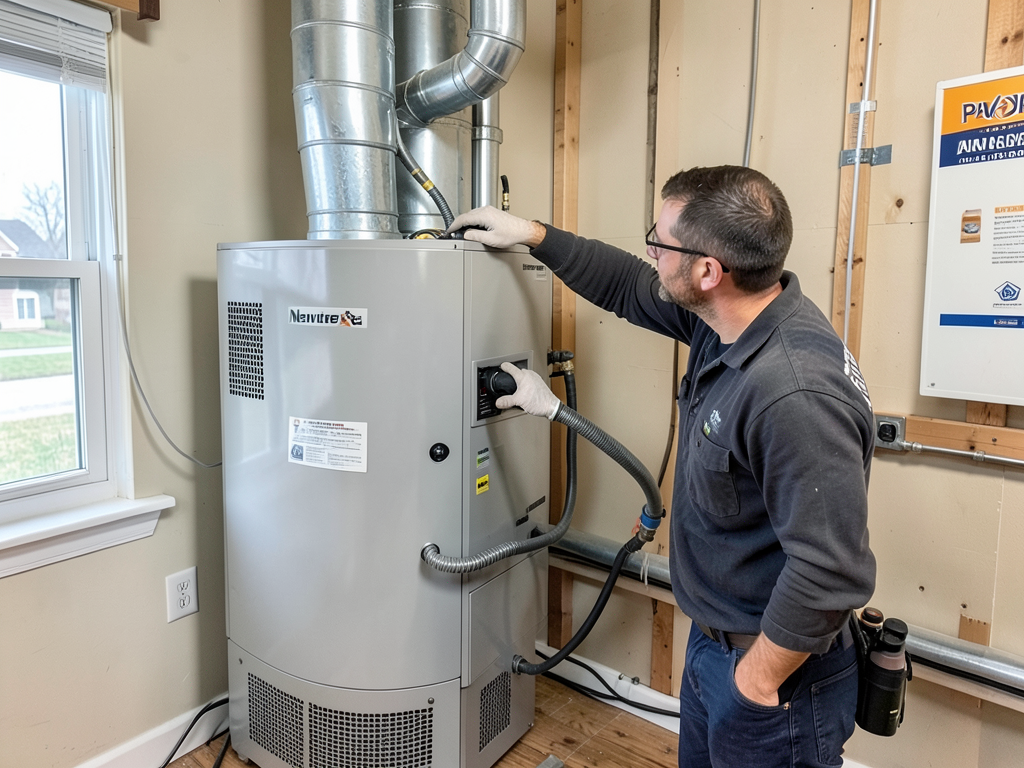
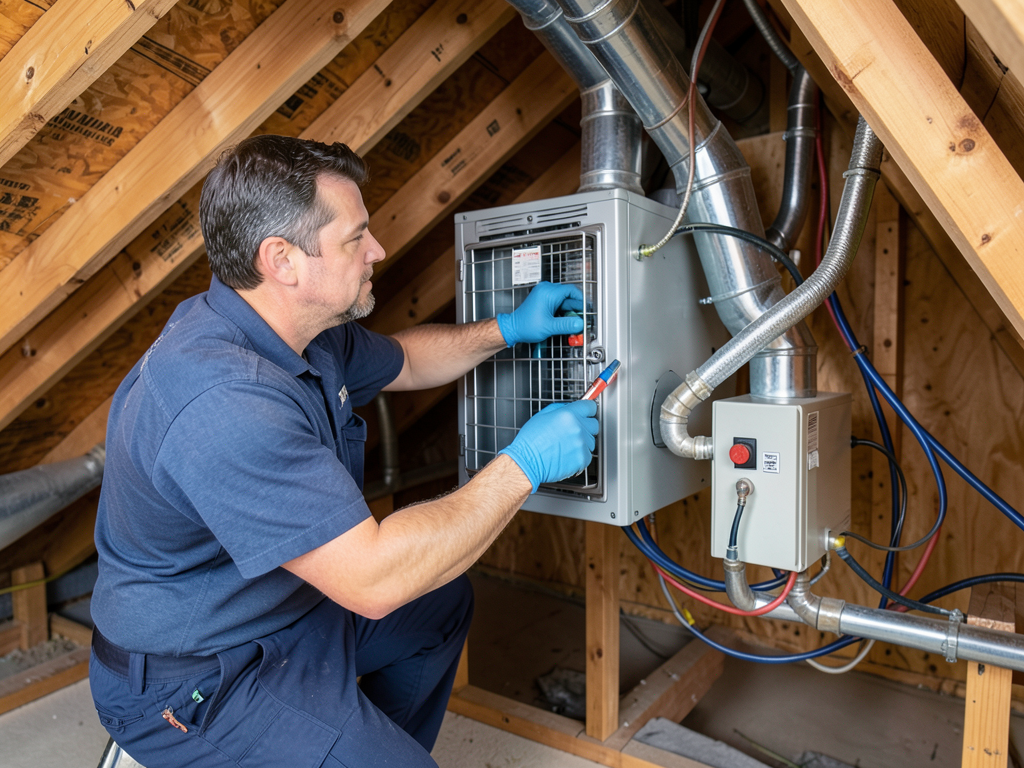
We install motorized zone dampers at strategic points in your trunk lines or branch ducts. Each damper connects to a zone control panel that communicates with multiple thermostats throughout your home. When a zone calls for heating or cooling, the damper opens and your system runs until that specific area reaches setpoint.

For homes with inadequate ductwork or layouts that don't suit traditional zoning, we recommend ductless mini-splits. Each indoor head operates independently with its own thermostat. You get true room-by-room control without modifying existing ductwork.

We balance airflow after installation. We measure CFM at each register and adjust dampers to ensure proper air distribution. We verify your system maintains manufacturer specifications for temperature rise and static pressure. This prevents short cycling and keeps your equipment running efficiently.

What Happens During Your Zone Control Installation

Zone Control Systems in Pittsburgh – Stop Wasting Money Heating and Cooling Empty Rooms
01

System Assessment and Design

We inspect your current HVAC system, ductwork layout, and home structure to determine if your equipment can support zoning or if you need upgrades. We map out zone boundaries based on your family's usage patterns and the thermal characteristics of each space. You'll see exactly how many zones you need and where thermostats will go before we start work.
02

Damper and Control Installation

We install motorized dampers in your ductwork at the zones we mapped out. We mount the zone control panel near your air handler and wire it to your thermostats. For homes that need it, we add a bypass damper or upgrade to a variable-speed blower to handle the changing airflow demands. All electrical work meets local code and integrates with your existing thermostat wiring.
03

Testing and Balancing

We test each zone independently to verify dampers open and close on command and that your system delivers the right amount of conditioned air to each area. We adjust damper positions and airflow to balance the system. We walk you through the new thermostat controls and show you how to program schedules for each zone to maximize your energy savings.

Why Pittsburgh Homeowners Choose Apex HVAC for Zoning Systems

Zone control systems are not plug-and-play. Poor installation creates more problems than it solves. We've fixed botched zoning jobs where contractors didn't account for static pressure and burned out blower motors in under two years. We've replaced zone panels installed by companies that didn't understand control logic and left homeowners with systems that short-cycled constantly.

Apex HVAC Pittsburgh designs zoning systems for the way Pittsburgh homes are built. We account for the multi-level layouts common in Squirrel Hill and Shadyside. We know how to zone homes with finished attics in Mount Lebanon or daylight basements in the North Hills. We understand the thermal challenges of older homes with balloon framing and minimal insulation in neighborhoods like Highland Park.

We work with Honeywell, Ecobee, and Zonefirst controls. These are commercial-grade zone panels with smart recovery algorithms and advanced staging logic. They prevent the short cycling and compressor damage you get with cheap residential zone kits sold at big-box stores.

We also handle the permit and inspection process if your installation requires electrical work or modifications to your air handler. Allegheny County requires permits for HVAC alterations that affect system capacity or ductwork configuration. We pull permits, schedule inspections, and ensure your installation meets code so you don't have problems when you sell your home.

You'll get a system that actually saves energy instead of just giving you more buttons to press. You'll get proper equipment sizing and airflow balancing so your furnace and air conditioner last their full lifespan. You'll get techs who understand psychrometrics and static pressure instead of YouTube-trained installers guessing their way through your ductwork.

What to Expect When You Add Zone Control to Your HVAC System

Installation Timeline and Disruption

Most central air zoning installations take one to two days depending on how many zones you're adding and whether we need to upgrade your blower or add a bypass damper. We cut into your ductwork to install dampers, which means some drywall work if your ducts run inside walls or ceilings. We seal and insulate all penetrations. Ductless mini-split zoning goes faster because we're not modifying existing ductwork. We drill small refrigerant line penetrations through exterior walls and mount indoor heads. You'll have heating and cooling throughout the process. We don't leave you without climate control overnight.

System Evaluation and Proposal

We perform a detailed assessment of your existing equipment and ductwork before we quote your job. We check your furnace or air handler's blower capacity to confirm it can handle zone dampers. We inspect duct sizing and sealing because leaky or undersized ducts defeat the purpose of zoning. We ask about your daily routines and which rooms stay empty so we design zones that match how you actually live. You'll get a written proposal with equipment specs, zone layout, and an explanation of what we're installing and why.

Comfort and Energy Savings Results

You'll notice immediate improvement in temperature consistency between rooms. No more overheating upstairs to keep the first floor comfortable. You'll see lower energy bills because you're not conditioning unused space. How much you save depends on your home's layout and how many zones you close off during the day. Homes that shut down multiple zones during work hours see the biggest savings. The system responds faster to temperature changes because you're heating or cooling smaller areas. Your equipment runs less overall, which extends its lifespan and reduces repair frequency.

Ongoing Maintenance and Support

Zone dampers are mechanical devices that need occasional inspection. We check damper operation and linkage during your annual maintenance visits. We verify your zone panel is controlling dampers correctly and that static pressure stays within acceptable range. Most motorized dampers last 15 to 20 years with minimal maintenance. The zone control panel rarely fails unless you have a power surge. We recommend surge protection for your HVAC equipment. If you have issues with a zone not responding or uneven temperatures after installation, we'll come back to rebalance airflow and adjust damper settings at no charge.

Frequently Asked Questions

You Have Questions,
We Have Answers

What is a zone control system? +

A zone control system divides your home into separate areas, each with its own thermostat. Motorized dampers inside your ductwork open or close to direct heated or cooled air only where you need it. Instead of heating your entire Pittsburgh home to 72 degrees, you can set the bedroom to 68 and the living room to 74. A central control panel coordinates all thermostats and dampers. This setup works with existing forced-air systems and gives you room-by-room comfort control, which is helpful in multi-story Pittsburgh homes where heat rises in winter.

What is the zone control system? +

The zone control system is an HVAC modification that lets you control temperature in different areas independently. It uses dampers installed in your ductwork, multiple thermostats, and a control panel that communicates with your furnace or air handler. When one zone calls for heating or cooling, the system directs airflow there while closing dampers in zones that do not need it. This is different from a single thermostat setup that treats your whole house as one space. Pittsburgh homes with finished basements or sunrooms benefit from zoning because those areas often have different heating and cooling needs.

How much does a zone control system cost? +

Zone control system costs vary based on the number of zones, existing ductwork condition, and equipment quality. Installing a two-zone system typically costs less than a four-zone setup because you need fewer dampers and thermostats. Homes with accessible ductwork in Pittsburgh basements or crawl spaces may see lower installation labor costs. If your ductwork needs modification or if you have an older furnace that requires a bypass damper to prevent pressure issues, expect higher costs. Equipment brands, control panel features, and whether you choose wired or wireless thermostats also affect the final price.

Are zoned HVAC systems worth it? +

Zoned HVAC systems are worth it for Pittsburgh homes with hot and cold spots, multiple stories, or rooms that get intense sun exposure. If your upstairs is always warmer in summer or you have finished basement space that stays cold, zoning solves those comfort problems. You save on energy costs by not heating or cooling empty spaces. Homes with varying occupancy patterns see the best return. If your house is small, has open floor plans, or already maintains even temperatures, the investment may not make sense. Consider your specific comfort issues and energy bills before deciding.

What is the $5000 rule for HVAC? +

The $5000 rule for HVAC is a guideline for repair decisions. If your system is older and the repair cost multiplied by the system age in years exceeds $5000, replacement may be smarter than repair. For example, if your 15-year-old furnace needs a $400 repair, that equals $6000 using the formula, suggesting replacement. Pittsburgh winters are harsh, and breakdowns happen when you need heat most. This rule helps you avoid throwing money at aging equipment that will likely fail again soon. It accounts for both immediate repair costs and the remaining lifespan of older systems.

How much does it cost to add zones to HVAC system? +

Adding zones to an existing HVAC system depends on how many zones you create and your home's layout. A basic two-zone addition typically costs less than a three or four-zone system because you need fewer dampers, thermostats, and labor hours. Accessible ductwork in Pittsburgh basements reduces installation time. If your current system lacks capacity for zoning or needs a bypass damper to handle increased static pressure, costs increase. Retrofit installations on homes with finished ceilings or limited attic access require more labor. Request quotes from local contractors familiar with Pittsburgh home construction for accurate pricing.

What are the three primary types of zoning systems? +

The three primary types of zoning systems are damper-based, multi-unit, and ductless mini-split systems. Damper-based zoning uses motorized dampers in existing ductwork with one central HVAC unit. Multi-unit systems install separate furnaces or air handlers for different areas, common in large Pittsburgh homes or additions. Ductless mini-splits use individual wall-mounted units in each zone, eliminating ductwork entirely. Damper systems work best for homes with existing forced-air systems. Mini-splits suit older Pittsburgh homes without ductwork or room additions. Each type offers different installation complexity, cost, and control levels.

What does zone control mean? +

Zone control means dividing your home into separate temperature-controlled areas instead of treating it as one space. Each zone has its own thermostat that tells the HVAC system when that area needs heating or cooling. Motorized dampers direct airflow only to zones calling for temperature adjustment. You can keep bedrooms cooler at night while maintaining warmth in living areas. This prevents wasting energy on empty rooms and solves comfort problems in multi-story Pittsburgh homes where upper floors trap heat. Zone control gives you precision temperature management based on how you actually use your space.

What are two types of zone control valves? +

The two main types of zone control valves are two-way and three-way valves, used primarily in hydronic heating systems common in older Pittsburgh neighborhoods. Two-way valves open or close to start or stop hot water flow to a specific zone. Three-way valves divert flow between the zone and a bypass loop, maintaining constant circulation. In forced-air systems, you will encounter normally open and normally closed dampers instead of valves. Normally open dampers close when the zone does not need air. Normally closed dampers open when the zone calls for heating or cooling.

How much is HVAC for a 2000 square-foot house? +

HVAC costs for a 2000 square-foot house in Pittsburgh depend on system type, efficiency rating, and installation complexity. A standard furnace and air conditioner replacement typically costs less than a high-efficiency heat pump system. Two-story homes may need larger equipment capacity than single-story homes of the same square footage. Existing ductwork condition, accessibility, and any necessary modifications affect labor costs. Pittsburgh building codes and permit requirements add to total expenses. Equipment brand, SEER rating for cooling, and AFUE rating for heating change pricing. Get quotes from local contractors who can assess your specific home layout and heating needs.

Why Pittsburgh's Multi-Level Homes and Hillside Lots Make Zoning Essential

Pittsburgh's topography creates unique heating and cooling challenges. Homes built into hillsides often have walkout basements on one side and below-grade walls on the other. This creates wildly different heat loss and gain rates within the same level. Neighborhoods like Mount Washington and Greenfield feature steep lots with multiple stories taking advantage of views. These multi-level layouts naturally stratify temperature. A single-zone forced air system can't compensate for the 10 to 15 degree temperature difference between a daylight basement and a third-floor bedroom. HVAC zoning systems let you address each level independently so you're not over-conditioning one floor to make another comfortable.

We've installed zoned heating and cooling throughout Allegheny County for over a decade. We understand local building practices and the ductwork layouts common in Pittsburgh's housing stock. We know which older homes have adequate duct sizing for retrofitting dampers and which need supplemental mini-splits. We work with local inspectors and pull permits when required. Choosing a contractor familiar with Pittsburgh's architecture and climate means you get a system designed for your specific situation instead of a cookie-cutter approach that works in flat ranch homes but fails in a three-story Victorian.
HVAC Services in The Pittsburgh Area

We are proud to serve the community and its surrounding areas, providing superior heating and cooling services where they are needed most. Whether you’re a residential homeowner or a business owner, you can find our location on the map below. We are committed to being easily accessible and ready to respond quickly, ensuring that professional and reliable HVAC help is always just a call away.

Address:
Apex HVAC Pittsburgh, 450 Melwood Ave, Pittsburgh, PA, 15213

Additional Services We Offer

Our news updates

Latest Articles & News from The Blogs

Stylish Ways to Cover Ugly Radiators in Your Historic Friendship House \n\n Living in Friendship means embracing the charm of…

Stylish Ways to Cover Ugly Radiators in Your Historic Friendship House

Stylish Ways to Cover Ugly Radiators in Your Historic Friendship House \n\n Living in Friendship means embracing the charm of…

How to Keep Your Dog or Cat Safe Around the Outdoor AC Unit in Your North Huntington Yard

How to Keep Your Dog or Cat Safe Around the Outdoor AC Unit in Your North Huntington Yard Your outdoor…

Managing Your Mount Washington Short Term Rental Temperature from Anywhere in the World

Managing Your Mount Washington Short Term Rental Temperature from Anywhere in the World \n\n Managing a short-term rental in Mount…

Contact Us

Call Apex HVAC Pittsburgh at (412) 387-0477 to schedule your zoning consultation. We'll evaluate your home and show you exactly how multi-zone HVAC will improve comfort and cut your energy costs.