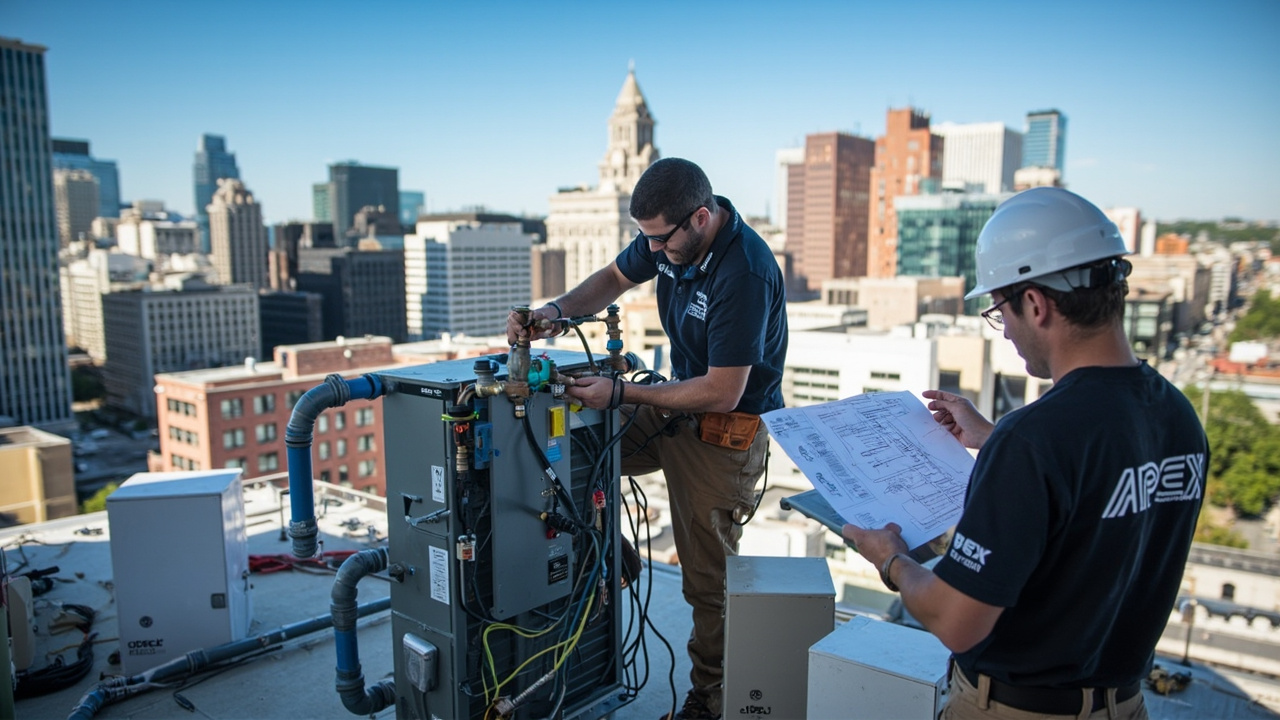

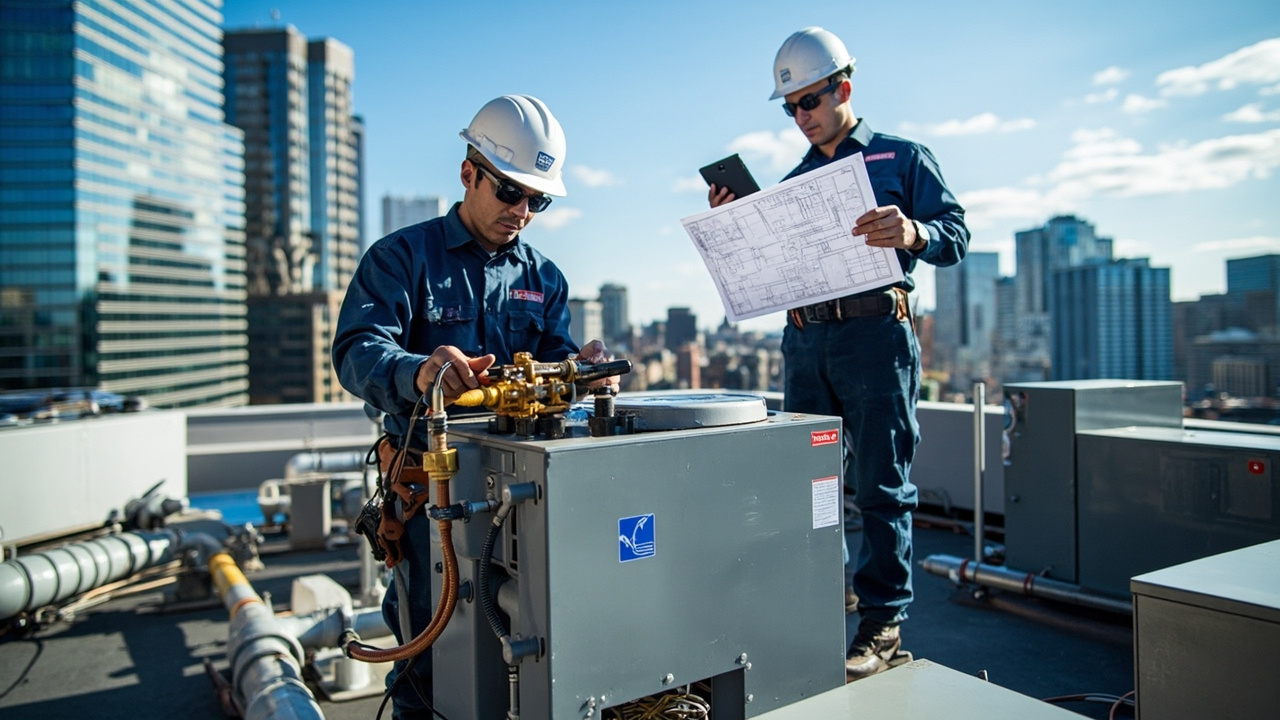
Pittsburgh's urban core transformation from industrial heritage to mixed-use development creates thermal management challenges that conventional systems cannot solve. Buildings in neighborhoods like East Liberty and the North Shore combine ground-floor retail, mid-rise office space, and upper-floor residential units within single structures. Each occupancy type operates on different schedules with distinct comfort requirements. Retail spaces need maximum cooling during afternoon shopping hours. Office tenants require consistent temperatures during business hours. Residential units demand individual control for varying occupancy patterns. VRV system installation delivers this operational flexibility through independent zone control, allowing each space to maintain optimal conditions without compromising efficiency. The refrigerant piping infrastructure adapts to complex building geometries that characterize adaptive reuse projects, routing through existing structural elements without extensive demolition.
Commercial HVAC projects in Pittsburgh must satisfy stringent mechanical code requirements administered by the Department of Permits, Licenses, and Inspections. Variable refrigerant flow systems containing more than 25 pounds of refrigerant trigger additional safety provisions including refrigerant leak detection and mechanical ventilation interlocks. Apex HVAC Pittsburgh maintains working relationships with local inspectors and understands the documentation they require for permit approval. Our design submittals include refrigerant quantity calculations, emergency ventilation schedules, and equipment cut sheets that expedite review. This familiarity with local approval processes prevents the delays that occur when contractors unfamiliar with Pittsburgh's requirements submit incomplete applications. Your project moves forward on schedule because we understand what local authorities expect.