menu

Building Automation Systems in Pittsburgh – Minimize Downtime and Cut Energy Waste with Industrial-Grade Controls

Apex HVAC Pittsburgh deploys Direct Digital Controls and Energy Management Systems that integrate seamlessly with your existing infrastructure, reducing operational costs while maintaining occupant comfort across multi-zone commercial facilities.

Slider Image 1
Slider Image 2
Slider Image 3
Slider Image 4
Slider Image 5
Slider Image 7
Slider Image 8
Slider Image 9
Slider Image 10
Slider Image 11

Why Outdated Building Control Systems Cost Pittsburgh Facilities More Than You Think

Pittsburgh's freeze-thaw cycles and high summer humidity put constant stress on commercial HVAC infrastructure. When your building relies on legacy pneumatic controls or standalone thermostats, you lose real-time visibility into system performance. Equipment runs longer than needed, zones fight each other, and energy dollars vanish into inefficient compressor cycles.

The older commercial districts in Lawrenceville, the Strip District, and Shadyside house buildings with HVAC systems installed decades ago. These systems were not designed to communicate with modern Building Management Systems. You cannot trend data, adjust schedules remotely, or catch small failures before they cascade into total system shutdowns. The result is reactive maintenance, emergency callouts during business hours, and uncomfortable tenants who call your property manager every time the temperature swings.

Pittsburgh's Commercial Building Energy Consumption Ordinance now requires energy benchmarking for buildings over 50,000 square feet. If your facility lacks integrated Energy Management Systems, you are flying blind on compliance. You cannot measure what you cannot monitor. Building Automation Systems give you the data layer you need to prove efficiency, identify waste, and justify capital improvements to ownership or investors.

When a chiller fails at 2 a.m. in a facility without Commercial HVAC Controls, you find out when the first shift arrives and the server room is overheating. A networked system sends an alert the moment refrigerant pressure drops or a VFD throws a fault code. That early warning is the difference between a quick compressor repair and a full system replacement.

Why Outdated Building Control Systems Cost Pittsburgh Facilities More Than You Think
How Apex HVAC Pittsburgh Integrates Direct Digital Controls Into Your Existing Infrastructure

How Apex HVAC Pittsburgh Integrates Direct Digital Controls Into Your Existing Infrastructure

We do not rip out functional equipment to sell you a turnkey replacement. Our integration approach starts with a systems audit. We map your existing HVAC topology, identify communication protocols in use, and determine which components can accept DDC integration and which need gateway controllers. If you are running a mix of BACnet, Modbus, and LonWorks devices, we build the middleware layer that lets them talk to a unified Building Management System.

Our technicians program control sequences that match your operational profile. A multi-tenant office building needs different zone logic than a data center or a refrigerated warehouse. We configure setpoint schedules, occupancy overrides, and demand-based ventilation triggers that align with your business hours and peak load windows. You get granular control over air handler staging, chiller plant optimization, and boiler sequencing without constant manual intervention.

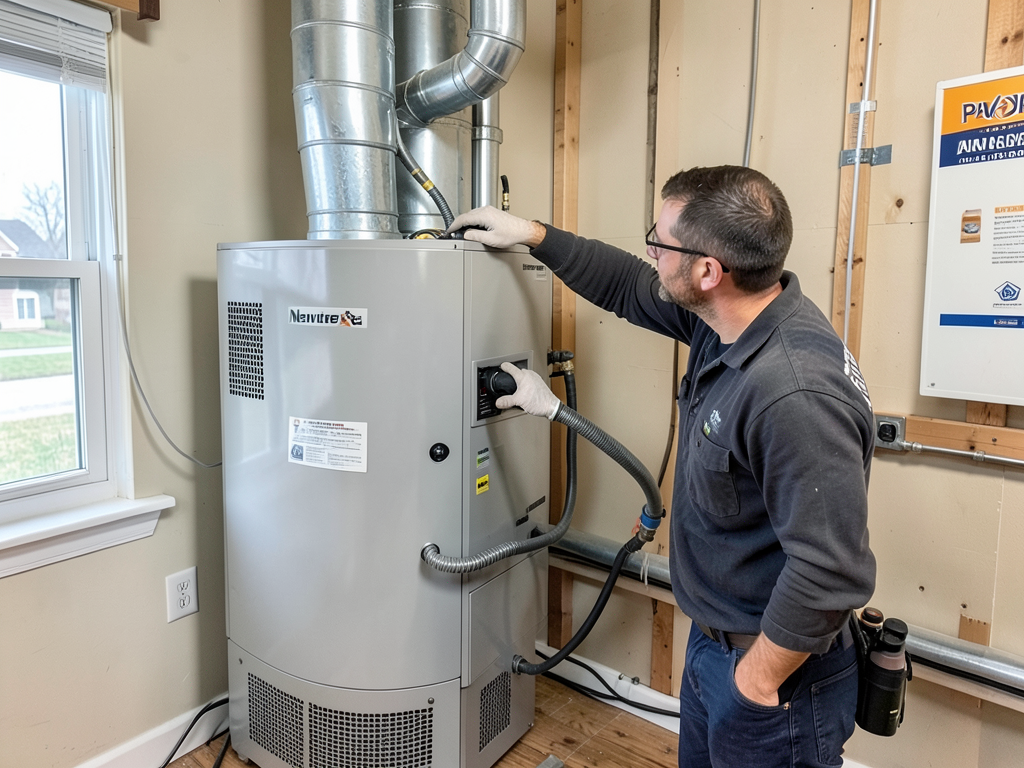
We deploy Direct Digital Controls at the equipment level using field-mounted controllers that communicate over IP or serial bus networks. These controllers manage variable air volume boxes, fan-powered terminal units, and rooftop units independently, but report status and accept commands from the central Building Control Systems. If the network goes down, local controllers keep zones stable using their last known setpoints. Your building does not go into failsafe mode and dump energy every time the server hiccups.

Energy Management Systems we install track real-time consumption at the circuit level, not just the utility meter. You see which AHUs are energy hogs, which zones overcool, and which schedules need adjustment. We set up dashboards that your facilities team can access from a browser or mobile app, so you can troubleshoot issues remotely and adjust settings without a site visit.

What You Can Expect During a Building Automation Upgrade

Building Automation Systems in Pittsburgh – Minimize Downtime and Cut Energy Waste with Industrial-Grade Controls
01

System Assessment and Protocol Mapping

We perform a full site survey to document every piece of equipment on your mechanical schedule. Our team identifies communication protocols, sensor locations, and control panel wiring. We test existing networks for bandwidth and latency issues, then design an integration plan that minimizes downtime. You receive a detailed scope document showing exactly which devices get upgraded, which get retrofitted, and which stay in place.
02

Controller Installation and Network Configuration

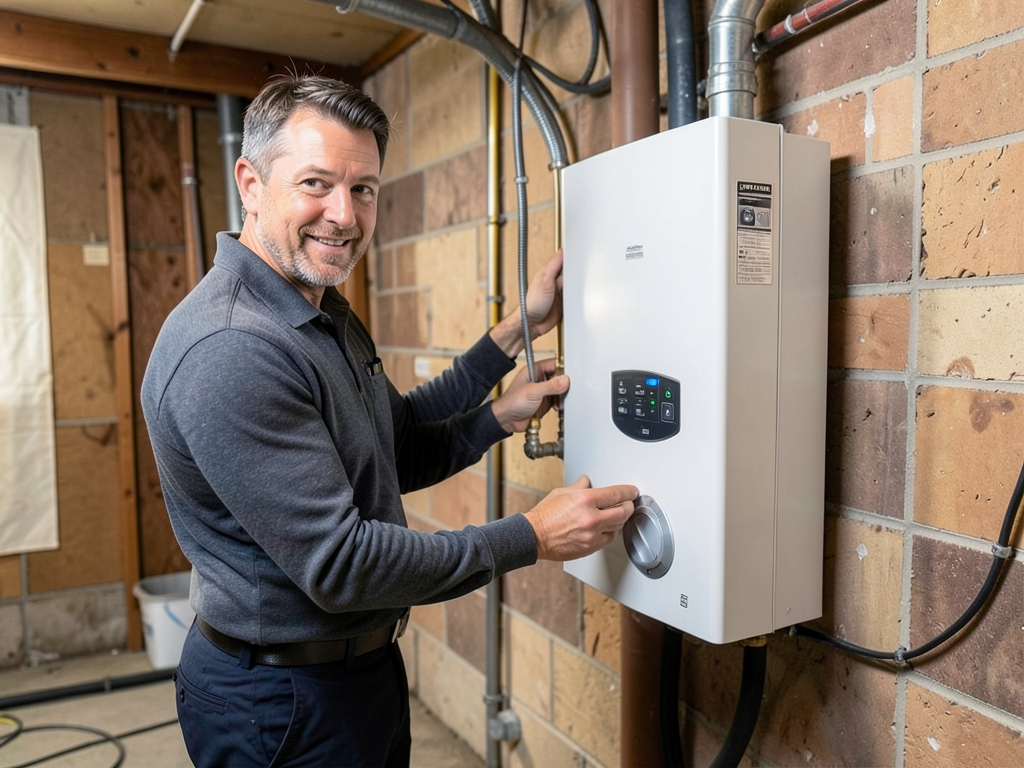
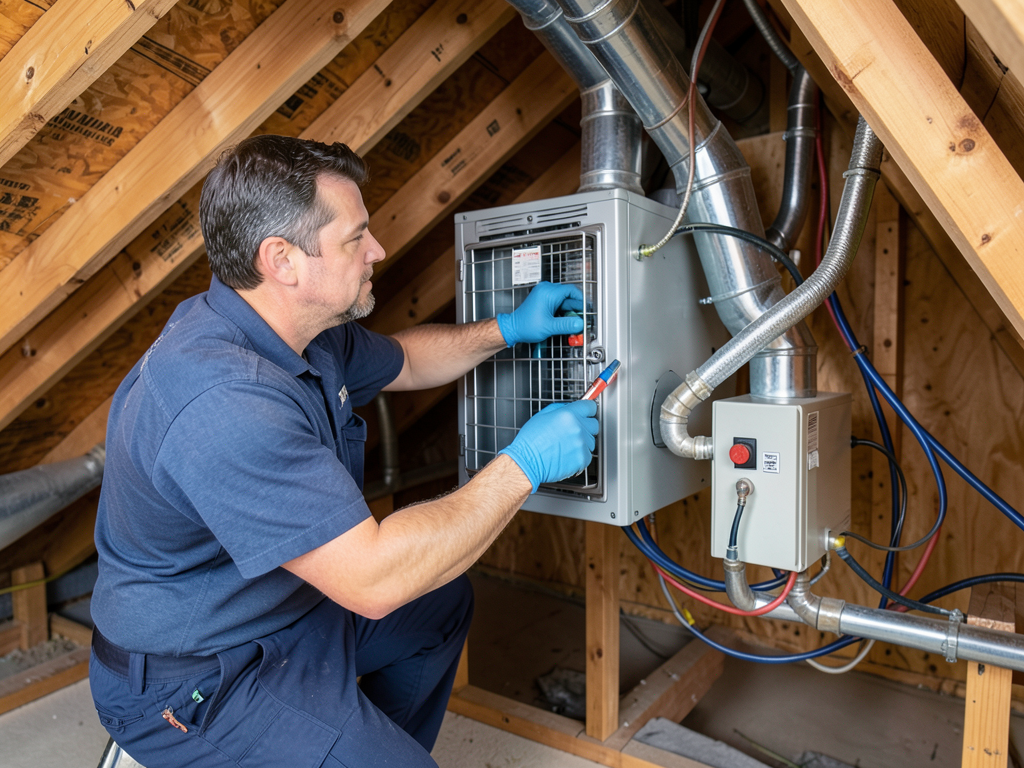
Our technicians install field controllers, sensors, and actuators during off-hours or in phases to avoid disrupting operations. We configure network switches, set up VLANs for Building Management Systems traffic, and establish secure remote access. Each controller is programmed with custom control logic, tested in isolation, then brought online in stages. We verify sensor accuracy, calibrate damper actuators, and confirm two-way communication before moving to the next zone.
03

System Commissioning and Operator Training

After installation, we run a full functional performance test on every sequence. We simulate occupancy changes, equipment failures, and load spikes to confirm the Building Control Systems responds correctly. Your facilities team receives hands-on training in the operator interface, alarm management, and trend analysis. We document all setpoints, sequences, and network architecture in as-built drawings you can reference for future maintenance or expansions.

Why Pittsburgh Facilities Trust Apex HVAC for Commercial Building Automation

We have integrated Building Automation Systems in everything from century-old warehouses in the North Side to modern LEED-certified office towers Downtown. Pittsburgh's mix of historic architecture and modern construction requires technicians who understand both legacy pneumatic systems and the latest IP-based Direct Digital Controls. Our team holds manufacturer certifications in the major BAS platforms and stays current on local energy codes and ASHRAE standards that apply to commercial buildings in Allegheny County.

When you work with a contractor who specializes in Commercial HVAC Controls, you avoid the trial-and-error approach that wastes money on incompatible hardware. We know which sensors perform reliably in Pittsburgh's humidity, which actuators handle the thermal cycling from our seasonal temperature swings, and which network topologies stay stable in buildings with older electrical infrastructure. That experience translates to fewer callbacks, faster commissioning, and systems that actually deliver the energy savings promised in the proposal.

Our service model includes ongoing support. Building Automation Systems are not install-and-forget technology. Sensors drift, sequences need tuning, and business needs change. We offer remote monitoring agreements where our team tracks system performance, adjusts control logic as your occupancy patterns shift, and catches faults before they escalate into comfort complaints or equipment damage. You get a partner who understands your facility, not a vendor who disappears after the install.

Pittsburgh facilities managers choose Apex HVAC Pittsburgh because we focus on business continuity. We schedule installations around your operations, stage work to keep critical systems online, and maintain backup plans if a controller fails during commissioning. Your tenants stay comfortable, your systems stay efficient, and your maintenance budget stops bleeding on emergency repairs.

What to Expect When You Upgrade to Building Automation Systems

Project Timeline and Minimal Disruption

A typical Building Automation Systems integration takes four to eight weeks, depending on facility size and existing infrastructure complexity. We phase the work to avoid shutting down entire systems. You stay operational while we upgrade. Our project managers coordinate with your facilities team to schedule access during low-occupancy hours. We use hot-cutover techniques to swap controllers without taking zones offline for extended periods. If your building operates 24/7, we adapt our workflow to match your schedule. You receive weekly progress updates and can track milestones through our project portal.

Initial Assessment and Custom Design

We start every project with a detailed walkthrough of your mechanical rooms, rooftop equipment, and control panels. Our engineers document your current HVAC topology, electrical service capacity, and network infrastructure. We interview your facilities staff to understand operational pain points, occupancy schedules, and any known equipment issues. You receive a written proposal that outlines hardware requirements, integration approach, and expected energy savings based on actual building data. We do not use cookie-cutter designs. Every Energy Management System we deploy is tailored to your building's specific load profile and business requirements.

Performance Verification and Energy Tracking

Once the system is live, we monitor performance for 30 days to verify energy savings and occupant comfort. We compare pre-installation utility data to post-installation trends and adjust control sequences if needed. Your Building Management System generates detailed reports on equipment runtime, zone temperatures, and energy consumption broken down by system and time of day. You can export this data for ENERGY STAR benchmarking or internal capital planning. The dashboard shows real-time alarms, so your team can respond to issues before they affect operations. You gain visibility that was impossible with standalone thermostats.

Ongoing Support and System Optimization

Building Automation Systems require periodic tuning to maintain peak efficiency. We offer service agreements that include quarterly system reviews, sensor recalibration, and control logic updates as your building usage changes. Our remote monitoring service tracks system health 24/7 and alerts you to faults before they cause downtime. If a controller fails or a network issue arises, we can troubleshoot remotely or dispatch a technician within hours. You also get access to our technical support line for configuration questions or operator training refreshers. We document all changes in your system logbook so you have a complete service history.

Frequently Asked Questions

You Have Questions,
We Have Answers

What are building automation systems? +

Building automation systems are centralized networks that control and monitor a facility's mechanical and electrical equipment. These systems manage HVAC, lighting, security, fire safety, and energy usage through programmable controllers and sensors. In Pittsburgh's variable climate, BAS platforms regulate heating and cooling to maintain occupant comfort while reducing energy waste. The system collects real-time data, adjusts operations based on occupancy or weather conditions, and provides facility managers with dashboard visibility. Commercial properties across the greater Pittsburgh metro use these systems to lower operating costs, ensure code compliance, and optimize building performance without manual intervention.

What are the 4 types of automation systems? +

The four types of automation systems are pneumatic, hydraulic, electrical, and programmable logic controller systems. Pneumatic systems use compressed air to operate dampers and valves, common in older Pittsburgh industrial buildings. Hydraulic systems rely on pressurized fluid for heavy-duty equipment control. Electrical systems use voltage signals to manage lighting and basic HVAC functions. PLC-based systems offer the most flexibility, running digital logic to control complex operations across multiple zones. Modern commercial facilities in Pittsburgh typically deploy PLC or hybrid systems that integrate with existing infrastructure while meeting current energy codes and operational demands.

What are the top 5 BMS systems? +

The top five BMS systems are Johnson Controls Metasys, Siemens Desigo, Honeywell Niagara, Schneider Electric EcoStruxure, and Tridium Niagara Framework. These platforms dominate Pittsburgh's commercial market due to their scalability, interoperability, and integration capabilities. Johnson Controls and Siemens offer robust HVAC control for large institutional buildings. Honeywell and Tridium provide flexible protocol support for mixed-vendor environments. Schneider Electric focuses on energy analytics and sustainability reporting. Selection depends on building size, system complexity, existing equipment, and long-term expansion needs. Pittsburgh facilities often prioritize open-protocol systems that avoid vendor lock-in and support future retrofits.

What is a typical BMS system? +

A typical BMS system includes field controllers, sensors, actuators, user interfaces, and communication networks. Controllers process sensor inputs and send commands to actuators that adjust valves, dampers, and switches. The system monitors temperature, humidity, pressure, and occupancy across zones. A central workstation provides graphical dashboards for facility staff to view alarms, trends, and setpoints. In Pittsburgh commercial properties, typical systems manage rooftop units, boilers, chillers, air handlers, and lighting schedules. The architecture uses IP networks or BACnet protocols to connect devices. Automated schedules reduce energy use during unoccupied hours while maintaining comfort during business operations.

Is a BAS system hard to install? +

BAS installation complexity depends on building size, existing infrastructure, and system scope. Retrofitting older Pittsburgh buildings with outdated pneumatic controls requires extensive rewiring, sensor placement, and controller programming. New construction allows cleaner integration with minimal disruption. Installation involves mounting controllers, running communication cables, configuring network addresses, and programming logic sequences. Coordination with mechanical, electrical, and IT trades is required. Commissioning and testing add time to verify proper operation. Experienced integrators familiar with Pittsburgh's building stock and local code requirements streamline deployment. Plan for phased rollouts in occupied facilities to minimize downtime and maintain business continuity throughout the project.

What is BMS in simple words? +

BMS stands for building management system. In simple terms, it is a computer system that controls your building's equipment automatically. The system turns HVAC units on and off based on schedules, adjusts temperatures room by room, dims lights when spaces are empty, and alerts you to equipment problems. Think of it as autopilot for your facility. Instead of manually adjusting thermostats or walking the building to check systems, the BMS handles operations 24/7. For Pittsburgh commercial properties, this means lower utility bills, fewer service calls, and consistent indoor conditions regardless of weather fluctuations or occupancy changes.

What are examples of automation systems? +

Examples of automation systems include HVAC controls, lighting management, access control, fire alarm integration, energy metering, and irrigation scheduling. Pittsburgh office buildings use occupancy sensors to dim lights in vacant conference rooms. Hospitals automate airflow and pressure differentials in surgical suites. Warehouses schedule dock lighting based on shift times. Retail centers integrate security cameras with door locks for after-hours monitoring. Universities sequence boiler staging based on outdoor temperature. Manufacturing facilities automate compressed air systems to match production demand. Each application reduces labor costs, improves response times, and provides data for operational decisions that enhance efficiency and tenant satisfaction.

What are the 4 D's of automation? +

The four D's of automation are dull, dirty, dangerous, and dear. Dull tasks are repetitive operations like adjusting setpoints hourly. Dirty tasks involve environments unsuitable for continuous human presence, such as monitoring rooftop equipment during Pittsburgh winters. Dangerous tasks include working near high-voltage panels or climbing to access remote sensors. Dear tasks are expensive labor activities that automation handles at lower cost. Building automation systems address all four categories by executing routine control sequences, monitoring inaccessible equipment remotely, reducing technician exposure to hazards, and eliminating manual interventions that drain operational budgets and divert staff from higher-value work.

What are the 5 basic components of an automated system? +

The five basic components of an automated system are sensors, controllers, actuators, communication networks, and user interfaces. Sensors measure variables like temperature, humidity, and pressure. Controllers process sensor data using programmed logic to make decisions. Actuators execute commands by opening valves, starting motors, or switching circuits. Communication networks transmit data between devices using protocols like BACnet or Modbus. User interfaces provide dashboards for monitoring and manual overrides. In Pittsburgh commercial facilities, these components work together to maintain setpoints, optimize energy use, and alert staff to faults. Each component must be properly sized, configured, and commissioned for reliable operation.

What is SCADA vs BMS? +

SCADA systems supervise and control industrial processes across distributed sites, while BMS platforms manage building systems within a single facility or campus. SCADA monitors water treatment plants, power grids, and pipelines using remote telemetry. BMS controls HVAC, lighting, and security in commercial buildings. SCADA emphasizes real-time process control and data acquisition across wide areas. BMS focuses on occupant comfort, energy efficiency, and equipment coordination within defined property boundaries. Pittsburgh industrial facilities may use SCADA for production lines and BMS for office spaces. The systems use similar architectures but serve different operational priorities, though modern platforms increasingly blur these distinctions.

How Pittsburgh's Industrial Legacy Shapes Modern Building Automation Requirements

Pittsburgh's commercial building stock includes converted factories and warehouses from the steel era, many with high ceilings, poor insulation, and oversized HVAC equipment installed decades ago. These buildings present unique integration challenges for Building Automation Systems. Older air handlers were sized for higher occupancy and industrial heat loads that no longer exist, so they short-cycle and waste energy without proper DDC control. The masonry and steel construction common in the Strip District and Lawrenceville creates wireless communication dead zones, requiring hardwired sensor networks instead of the wireless mesh systems that work in modern glass towers. Direct Digital Controls must account for thermal mass and slow response times in these structures to avoid overcorrecting and creating comfort swings.

Facilities in Pittsburgh also face strict requirements under the city's energy benchmarking ordinance and Pennsylvania's commercial building codes. Energy Management Systems we install include the data logging and reporting features you need to stay compliant without hiring a third-party auditor. Our team understands Allegheny County permitting requirements for control system upgrades and works with local inspectors who expect proper documentation and commissioning reports. Choosing a contractor with local project history means you avoid delays and rework. We know which AHJs require separate permits for low-voltage controls and which accept them under the mechanical permit.
HVAC Services in The Pittsburgh Area

We are proud to serve the community and its surrounding areas, providing superior heating and cooling services where they are needed most. Whether you’re a residential homeowner or a business owner, you can find our location on the map below. We are committed to being easily accessible and ready to respond quickly, ensuring that professional and reliable HVAC help is always just a call away.

Address:
Apex HVAC Pittsburgh, 450 Melwood Ave, Pittsburgh, PA, 15213

Additional Services We Offer

Our news updates

Latest Articles & News from The Blogs

Your Brighton Heights air conditioner should run in steady cooling cycles, not shut off and start again every few minutes.…

Why Your Brighton Heights AC Keeps Turning Off and On Every Five Minutes

Your Brighton Heights air conditioner should run in steady cooling cycles, not shut off and start again every few minutes.…

Does Your HVAC System Actually Help with Radon Mitigation in Marshall Township

Does Your HVAC System Actually Help with Radon Mitigation in Marshall Township Your HVAC system is designed to heat and…

Stylish Ways to Cover Ugly Radiators in Your Historic Friendship House

Stylish Ways to Cover Ugly Radiators in Your Historic Friendship House \n\n Living in Friendship means embracing the charm of…

Contact Us

Call Apex HVAC Pittsburgh at (412) 387-0477 to schedule a Building Automation Systems assessment. We will walk your facility, map your existing controls, and show you exactly where you are losing efficiency. Get a detailed proposal with no obligation and find out what integrated Building Management Systems can do for your bottom line.