menu

Emergency Furnace Repair in Pittsburgh – Technicians Dispatched Within 60 Minutes, 24/7

When your furnace fails at 2 AM in freezing Pittsburgh weather, you need a technician on-site fast. Our emergency heating repair team responds immediately to restore heat and prevent pipe bursts, frostbite risk, and property damage.

Slider Image 1
Slider Image 2
Slider Image 3
Slider Image 4
Slider Image 5
Slider Image 7
Slider Image 8
Slider Image 9
Slider Image 10
Slider Image 11

When Your Furnace Dies in Pittsburgh Winter, Every Minute Counts

Pittsburgh winters hit hard. When temperatures drop below 20 degrees and your furnace quits, you are not dealing with inconvenience. You are facing a dangerous situation.

Frozen pipes can burst in as little as four to six hours when indoor temperatures fall below 55 degrees. Water damage from a single burst pipe averages thousands in repairs. If you have elderly family members, young children, or pets in the home, hypothermia becomes a real threat within hours.

The furnace failures we see most often in Pittsburgh homes happen during the coldest nights. A cracked heat exchanger, failed ignitor, or tripped circuit breaker does not wait for business hours. When your system fails and the house temperature starts dropping, you need 24 hour furnace repair from technicians who understand the urgency.

Pittsburgh's freeze-thaw cycles put extra stress on HVAC systems. One day it is 45 degrees, the next it is 15. That constant expansion and contraction wears on heat exchangers, blower motors, and control boards faster than in more stable climates. Add in the humidity from being near three rivers, and you get condensation problems that corrode electrical connections and gas valves.

When you call for urgent heating repair at 3 AM, you are not overreacting. You are protecting your home and family from a situation that gets worse by the hour. Immediate heating system repair means a technician arrives with a fully stocked truck, diagnostic tools, and the parts needed to restore heat before your pipes freeze.

When Your Furnace Dies in Pittsburgh Winter, Every Minute Counts
How 24/7 Furnace Service Works When You Need Heat Now

How 24/7 Furnace Service Works When You Need Heat Now

Emergency heater repair is different from scheduled maintenance. When you call our dispatch line, a live person answers immediately. No voicemail. No waiting until morning. You speak to someone who logs your address, symptoms, and urgency level.

Within 15 minutes, a certified technician receives the call and heads to your location. Our trucks carry the most common failure parts: ignitors, flame sensors, blower motors, capacitors, control boards, and gas valves. We stock parts for Carrier, Lennox, Trane, Rheem, Goodman, and Bryant systems because those are what most Pittsburgh homes have.

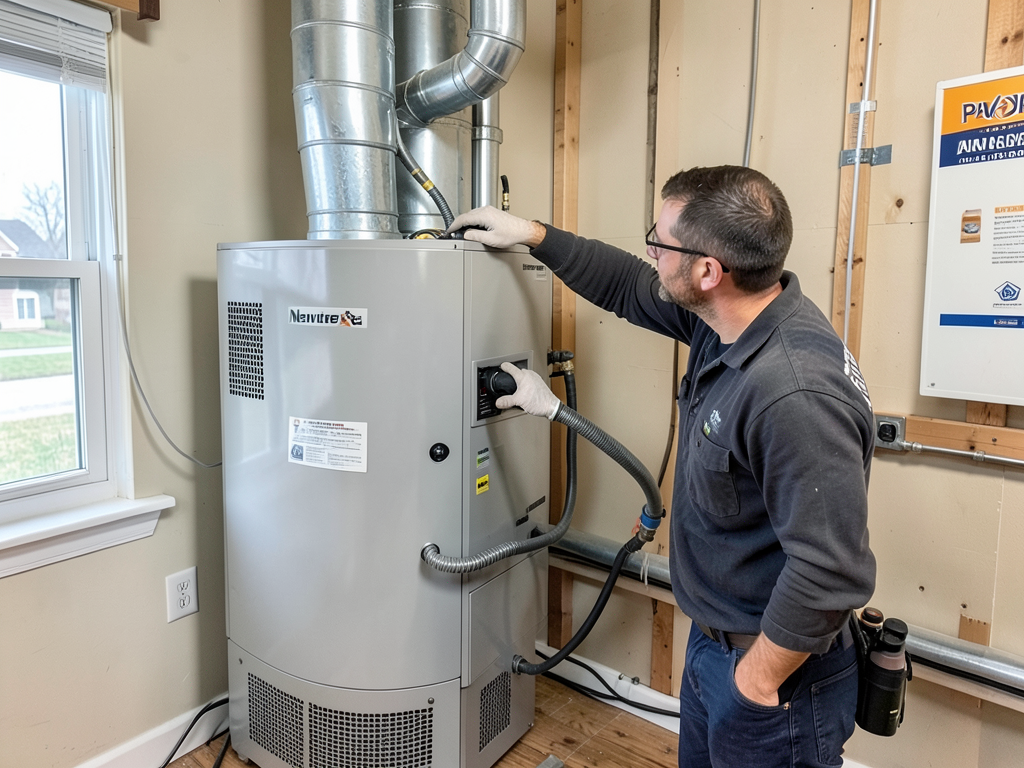
When the technician arrives, the first priority is safety. We check for carbon monoxide, gas leaks, and electrical hazards before diagnosing the failure. A forced-air furnace has multiple safety interlocks. If one trips, the system shuts down completely. The most common culprits are a dirty flame sensor, failed pressure switch, or cracked heat exchanger.

We use a digital multimeter to test voltage at the thermostat, transformer, and gas valve. We inspect the heat exchanger with a borescope camera to check for cracks that leak carbon monoxide. We measure static pressure in the ductwork to confirm the blower motor is not overworking due to a clogged filter or blocked return.

Once we identify the problem, we explain what failed, why it failed, and what it takes to fix it. Most emergency repairs are completed on the first visit. If your heat exchanger is cracked and the furnace is 20 years old, we discuss options, but we also get you temporary heat while you decide on replacement.

The goal is simple: restore safe, reliable heat as fast as possible.

What Happens When You Call for Immediate Heating System Repair

Emergency Furnace Repair in Pittsburgh – Technicians Dispatched Within 60 Minutes, 24/7
01

Dispatch and Technician Assignment

The moment you call, our dispatch team logs your location, furnace brand, and symptoms. A certified technician receives the details and confirms arrival time, usually within 60 minutes. You get a text with the technician's name, photo, and estimated arrival. No guessing when help will arrive. You know exactly when your heat will be back online.
02

On-Site Diagnosis and Repair

The technician arrives with a fully stocked truck and diagnostic equipment. We test ignition systems, check gas pressure, inspect heat exchangers, and measure airflow. Most failures are repaired on the spot with parts we carry. If your furnace has a cracked heat exchanger or catastrophic failure, we provide safe temporary heating options and discuss next steps, but we never leave you in the cold.
03

System Testing and Verification

After the repair, we run a full system test to confirm ignition sequence, flame stability, blower operation, and temperature rise across the heat exchanger. We check carbon monoxide levels in the flue and living space. We verify the thermostat controls the furnace correctly. You watch the system cycle through startup and see the warm air flowing before we leave your home.

Why Pittsburgh Homeowners Trust Apex HVAC Pittsburgh for Emergency Heating Repair

When your furnace fails in the middle of the night, you do not have time to research companies. You need a team that answers the phone, arrives fast, and fixes the problem correctly the first time.

Apex HVAC Pittsburgh has been serving the greater Pittsburgh metro for years. We know the heating challenges that come with this city. We know that homes in Squirrel Hill and Shadyside often have older cast-iron boilers and forced-air systems that need specialized knowledge. We know that properties near the Allegheny, Monongahela, and Ohio rivers deal with higher humidity that accelerates corrosion in heat exchangers and flue pipes.

Our technicians are trained on both modern high-efficiency furnaces and older atmospheric units common in Pittsburgh's historic neighborhoods. We understand local building codes and ventilation requirements. We know that many Pittsburgh homes have tight crawl spaces and low-clearance basements that make furnace access difficult.

When you call for 24/7 furnace service, you are not getting a contractor who will show up tomorrow afternoon. You are getting a technician who treats your emergency like it is his own family sitting in the cold. Our trucks are stocked with parts for the brands Pittsburgh homeowners actually have, not generic components that might work.

We do not upsell. If your furnace needs a $40 flame sensor, we replace the flame sensor. If your heat exchanger is cracked and leaking carbon monoxide, we tell you that too. We give you the information you need to make a safe, informed decision.

You deserve a heating contractor who shows up when they say they will, fixes the problem correctly, and charges a fair price. That is what we do every single day.

What to Expect When You Call for 24 Hour Furnace Repair

Response Time and Availability

We dispatch technicians 24 hours a day, seven days a week, 365 days a year. When you call, a live person answers immediately. No voicemail. No automated system. A certified technician is assigned to your job within 15 minutes. Most emergency calls get a technician on-site within 60 minutes. On major holidays or during severe weather when call volume spikes, response times may extend, but we keep you updated every step of the way. You will never wonder when help is coming.

Diagnostic Process and Transparency

The technician starts with a safety check for carbon monoxide, gas leaks, and electrical hazards. Then we diagnose the failure using digital multimeters, manometers, and borescope cameras. We test ignition systems, gas valves, pressure switches, flame sensors, and blower motors. Once we identify the problem, we explain what failed, why it failed, and what it takes to fix it. You see the failed part. You understand the repair before we start. No surprises. No hidden fees. Just honest information so you can make the right decision for your home.

Quality of Repair and Parts

We carry OEM and high-quality aftermarket parts for Carrier, Lennox, Trane, Rheem, Goodman, Bryant, and other major brands. Every repair is tested under live operating conditions. We measure temperature rise, check gas pressure, verify airflow, and test carbon monoxide levels. You watch the furnace cycle through startup and confirm warm air is flowing before we leave. The repair is done correctly the first time. If a part fails due to defective materials or workmanship, we come back and make it right. No exceptions.

Follow-Up and Maintenance Options

After an emergency repair, we recommend a follow-up inspection within 30 days to check for underlying issues that may have contributed to the failure. A clogged filter or blocked return can overheat a blower motor. A dirty flame sensor can cause nuisance shutdowns. We offer maintenance plans that include annual inspections, filter changes, and priority scheduling. Regular maintenance catches small problems before they turn into 2 AM emergencies. You get peace of mind knowing your heating system is monitored by professionals who understand Pittsburgh's demanding climate.

Frequently Asked Questions

You Have Questions,
We Have Answers

How much is an emergency furnace call? +

Emergency furnace service in Pittsburgh typically includes a diagnostic fee and labor charges. Expect costs to vary based on time of day, severity of the issue, and parts needed. After-hours calls on weekends or holidays often carry premium rates. Most HVAC companies charge a trip fee to dispatch a technician, which may apply toward repair costs. The total expense depends on whether you need a simple thermostat fix or a critical component replacement like a blower motor or heat exchanger. Get a clear estimate before authorizing work. Many Pittsburgh HVAC companies offer financing options for unexpected repairs during cold snaps.

Who to call if your furnace is not working? +

Call a licensed HVAC contractor who offers 24/7 emergency service in Pittsburgh. Look for companies with positive local reviews and rapid response times. Verify they carry proper insurance and employ certified technicians familiar with Pittsburgh's climate challenges. If you smell gas or suspect carbon monoxide, evacuate immediately and call 911, then contact your gas company. For non-emergency situations, your equipment manufacturer may provide authorized service provider lists. Avoid unlicensed handymen for furnace work. Pittsburgh's freeze-thaw cycles demand expertise. A qualified contractor will diagnose the problem accurately and prevent recurring issues throughout winter.

What is the $5000 rule? +

The $5000 rule is a guideline for repair-versus-replace decisions. Multiply your furnace age by the repair cost. If the result exceeds $5000, replacement often makes more financial sense than repair. For example, a 15-year-old furnace needing a $400 repair equals $6000, suggesting replacement. This rule accounts for efficiency losses in aging equipment and the likelihood of additional failures. Pittsburgh winters are harsh, and older furnaces struggle with efficiency during prolonged cold spells. Factor in rising energy bills and potential safety concerns. A new high-efficiency furnace may offset its cost through lower utility bills and improved reliability.

What counts as an HVAC emergency? +

An HVAC emergency threatens your safety or causes immediate property damage. Gas leaks, carbon monoxide alarms, electrical sparks, or burning smells require immediate action. Evacuate and call emergency services first. Complete heating loss during Pittsburgh's sub-freezing temperatures also qualifies, especially with vulnerable household members. Frozen pipes risk bursting when your furnace fails during cold snaps. Strange noises like loud banging or screeching indicate potential mechanical failure. Water leaks from your furnace or visible cracks in the heat exchanger demand urgent attention. If your pilot light repeatedly goes out or you notice yellow flames instead of blue, call immediately.

What to do if you can't afford to fix your furnace? +

Explore financing options through HVAC contractors who partner with lenders offering payment plans. Many Pittsburgh companies provide flexible terms for emergency repairs. Check if you qualify for utility company assistance programs. LIHEAP provides heating help for eligible low-income households in Pennsylvania. Some local nonprofits offer emergency furnace repair grants. If replacement is necessary, inquire about manufacturer rebates or federal tax credits for high-efficiency equipment. Space heaters offer temporary relief but never leave them unattended. Contact your landlord immediately if you rent. Reach out to community action agencies for additional resources during Pittsburgh's coldest months.

What is a furnace emergency? +

A furnace emergency occurs when your heating system fails and poses immediate danger or leaves you without heat during freezing weather. Pittsburgh winters drop below zero, making heating loss life-threatening. Carbon monoxide leaks are silent killers requiring immediate evacuation. Gas odors indicate dangerous leaks. Electrical issues causing sparks or burning smells risk fire. Complete system failure when temperatures plunge below 20 degrees creates pipe-freezing risks and hypothermia danger for vulnerable individuals. Cracked heat exchangers leak toxic fumes. Unusual noises like metal-on-metal grinding suggest imminent catastrophic failure. Any situation threatening health, safety, or property demands urgent professional intervention.

How do I force my furnace to start? +

Never force a furnace to start. This risks serious damage or safety hazards. First, check your thermostat settings and ensure it calls for heat. Verify your circuit breaker did not trip and the furnace switch is on. Replace your air filter if clogged. Check for error codes on digital displays. Some furnaces have a reset button, but use it only once. If your furnace still will not start, call a licensed HVAC technician. Pittsburgh's cold weather makes DIY troubleshooting risky. Forcing ignition can crack the heat exchanger, causing carbon monoxide leaks. Professional diagnosis protects your safety and equipment investment.

What is the most common furnace failure? +

Dirty or clogged air filters cause the most common furnace failures. Restricted airflow forces your blower motor to work harder, triggering limit switch shutdowns. Pittsburgh's humidity and seasonal pollen contribute to faster filter contamination. Ignition problems rank second, often from worn pilot assemblies or faulty igniters. Thermostat malfunctions create communication failures between your controls and furnace. Blower motor issues stem from worn bearings or capacitor failure. Flame sensor buildup prevents proper flame detection. Regular maintenance prevents most failures. Change filters monthly during heating season. Pittsburgh's freeze-thaw cycles stress furnace components, making annual professional tune-ups critical for reliability.

How much money does it cost to replace a furnace? +

Furnace replacement costs vary based on system size, efficiency rating, fuel type, and installation complexity. Pittsburgh homes require properly sized equipment to handle cold winters. High-efficiency models cost more upfront but reduce monthly utility bills. Gas furnaces differ in price from electric or oil systems. Ductwork modifications, permit fees, and disposal of old equipment affect total costs. Two-stage or modulating furnaces offer superior comfort at premium prices. Brand reputation and warranty coverage influence pricing. Multiple quotes from licensed Pittsburgh contractors help you compare value. Financing options and manufacturer rebates can offset expenses. Installation quality matters more than equipment price.

What are signs my HVAC needs replacing? +

Your HVAC needs replacement when repairs become frequent and costly. Age is a key factor. Systems over 15 years old lose efficiency and reliability. Rising energy bills despite normal usage indicate declining performance. Uneven heating with cold spots signals ductwork or equipment failure. Yellow pilot flames instead of blue suggest incomplete combustion and carbon monoxide risk. Excessive dust or humidity points to inadequate ventilation. Strange noises like grinding or squealing indicate worn components. Visible rust or cracks on the heat exchanger demand immediate replacement. Pittsburgh's temperature swings accelerate wear. If your system struggles to maintain comfort during cold snaps, replacement often makes financial sense.

Why Pittsburgh's Freeze-Thaw Cycles Make Emergency Furnace Repair Critical

Pittsburgh does not get steady winter cold. Temperatures swing from 45 degrees to 15 degrees in 24 hours. That freeze-thaw pattern creates stress on furnace heat exchangers and ductwork that you do not see in climates with stable winter temperatures. Metal expands when heated and contracts when cooled. Repeated cycling causes metal fatigue and microscopic cracks that eventually leak carbon monoxide or cause catastrophic failure. When your furnace fails during a cold snap, immediate heating system repair is not optional. It is a safety issue.

Apex HVAC Pittsburgh has deep roots in this community. We service homes in Lawrenceville, Highland Park, Mount Lebanon, Bethel Park, and every neighborhood in between. We understand the quirks of Pittsburgh housing stock, from century-old Victorians in Allegheny West to newer builds in Cranberry Township. Local expertise matters when you need urgent heating repair. A technician who knows Pittsburgh homes, Pittsburgh weather, and Pittsburgh building codes gets your heat back on faster and safer than a contractor from outside the region. You deserve local knowledge when your family is counting on you.
HVAC Services in The Pittsburgh Area

We are proud to serve the community and its surrounding areas, providing superior heating and cooling services where they are needed most. Whether you’re a residential homeowner or a business owner, you can find our location on the map below. We are committed to being easily accessible and ready to respond quickly, ensuring that professional and reliable HVAC help is always just a call away.

Address:
Apex HVAC Pittsburgh, 450 Melwood Ave, Pittsburgh, PA, 15213

Additional Services We Offer

Our news updates

Latest Articles & News from The Blogs

Your Brighton Heights air conditioner should run in steady cooling cycles, not shut off and start again every few minutes.…

Why Your Brighton Heights AC Keeps Turning Off and On Every Five Minutes

Your Brighton Heights air conditioner should run in steady cooling cycles, not shut off and start again every few minutes.…

Does Your HVAC System Actually Help with Radon Mitigation in Marshall Township

Does Your HVAC System Actually Help with Radon Mitigation in Marshall Township Your HVAC system is designed to heat and…

Stylish Ways to Cover Ugly Radiators in Your Historic Friendship House

Stylish Ways to Cover Ugly Radiators in Your Historic Friendship House \n\n Living in Friendship means embracing the charm of…

Contact Us

Call Apex HVAC Pittsburgh right now at (412) 387-0477. A live person answers immediately. A certified technician will be dispatched to your home within the hour. Do not wait. Every minute without heat increases the risk of frozen pipes and dangerous indoor temperatures.