menu

Uneven Heating or Cooling in Pittsburgh – Expert Diagnosis and Permanent Solutions for Every Room

Apex HVAC Pittsburgh uses precision diagnostics to identify the root cause of inconsistent room temperatures, hot and cold spots, and uneven airflow distribution, then implements targeted repairs that restore balanced comfort throughout your home.

Slider Image 1
Slider Image 2
Slider Image 3
Slider Image 4
Slider Image 5
Slider Image 7
Slider Image 8
Slider Image 9
Slider Image 10
Slider Image 11

Why Pittsburgh Homes Struggle with Temperature Imbalance

You walk upstairs and hit a wall of heat. The basement stays cold no matter how high you crank the thermostat. Your bedroom freezes while the living room swelters. This is not normal, and you are not imagining it.

Uneven heating or cooling is one of the most common HVAC complaints in Pittsburgh, and the geography makes it worse. Homes built into hillsides, split-level ranches in neighborhoods like Squirrel Hill and Mount Lebanon, and older brick colonials in Shadyside all have ductwork that was designed decades ago for smaller, less efficient systems. Add in Pittsburgh's steep elevation changes and the way cold air naturally sinks into lower levels, and you get a recipe for hot and cold spots that no amount of thermostat adjusting will fix.

The problem is not your furnace or air conditioner most of the time. It is the delivery system. Undersized ducts, poor insulation around return vents, and closed-off registers in unused rooms all create pressure imbalances that starve some areas while overfeeding others. Pittsburgh's freeze-thaw cycles also cause ductwork in attics and crawl spaces to shift and separate, creating leaks that dump conditioned air into spaces you are not even trying to heat or cool.

When you have different temperatures in each room, the issue is almost always airflow distribution. The system is working. The air is just not getting where it needs to go. That requires diagnostic tools and an understanding of static pressure, not just a new thermostat.

Why Pittsburgh Homes Struggle with Temperature Imbalance
How We Diagnose and Correct Home Temperature Imbalance

How We Diagnose and Correct Home Temperature Imbalance

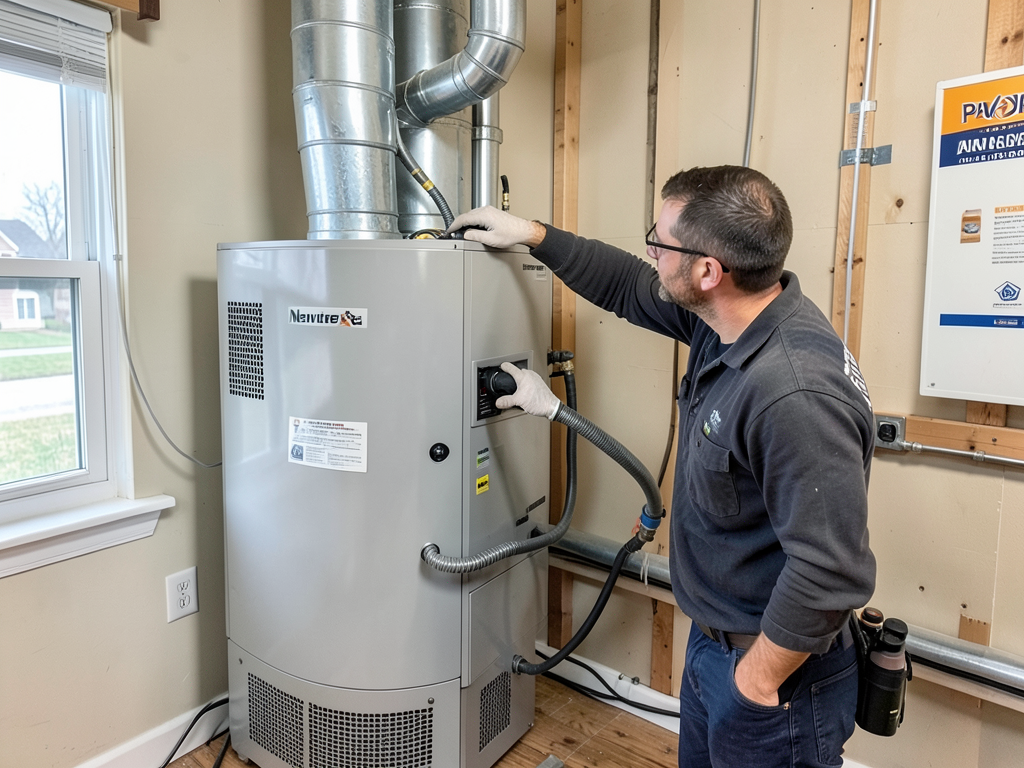
Fixing uneven heating or cooling requires more than walking around with a thermometer. We use a manometer to measure static pressure across your duct system, which tells us if air is moving efficiently or if there are blockages, undersized returns, or leaks sapping your system's capacity.

We start by mapping your home's airflow. We measure supply register output in every room, check return air volume, and calculate whether your current ductwork can handle the CFM your system is designed to move. Most homes in Pittsburgh have return air problems. A single return grill in a hallway trying to pull air from six rooms is not going to work. We identify whether you need additional return paths, larger ducts, or balancing dampers installed in the trunk lines.

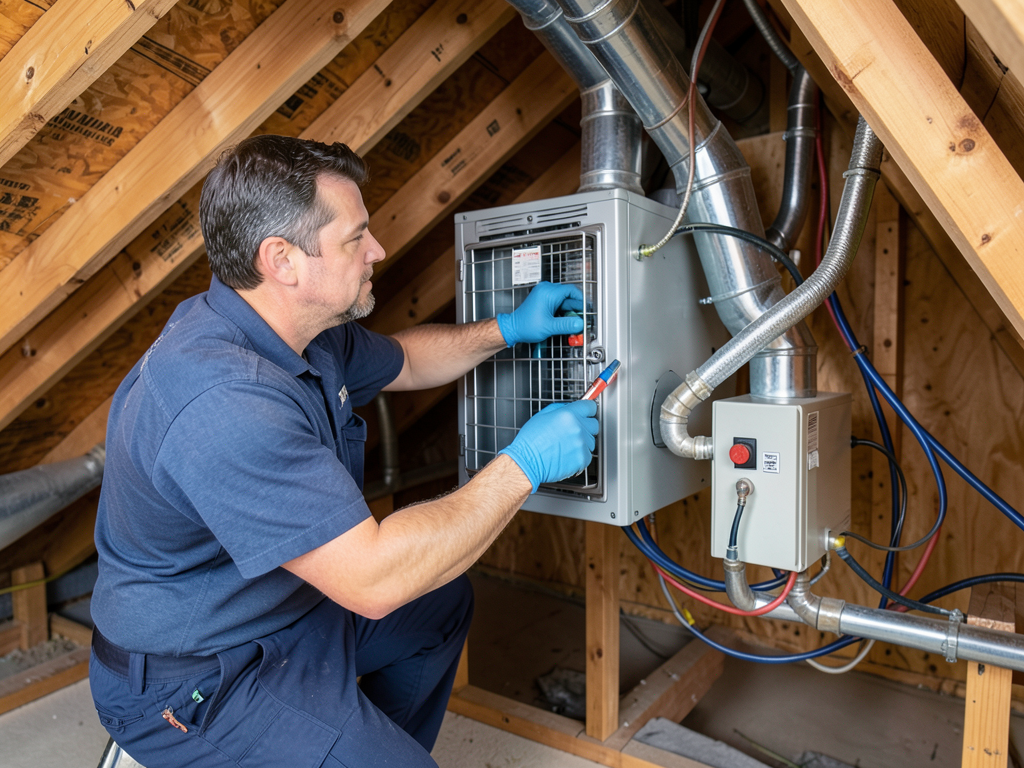
Next, we inspect the duct system itself. We look for disconnected joints, crushed flex duct in attics, and improper insulation around metal ductwork in unconditioned spaces. We check for closed or blocked vents. We verify that your blower motor is running at the correct speed and that your filter is not choking airflow. A dirty filter drops static pressure and makes hot and cold spots worse because the system cannot push enough air to distant rooms.

Once we identify the bottleneck, we correct it. That might mean adding a return vent, sealing leaky duct joints with mastic, upsizing a trunk line, or installing a zone damper system if your home has multiple levels with conflicting heating and cooling loads. The fix is specific to what your system and layout actually need, not a generic recommendation.

What Happens During an Airflow Balance Assessment

Uneven Heating or Cooling in Pittsburgh – Expert Diagnosis and Permanent Solutions for Every Room
01

System Performance Testing

We measure your furnace or air handler's actual airflow output using a digital manometer and compare it to the manufacturer's rated CFM. We check blower motor amperage, verify that your equipment is running at the correct speed tap, and inspect the evaporator coil and heat exchanger for blockages. This establishes whether your equipment is capable of delivering the volume of air your home needs.
02

Duct Pressure Mapping

We test static pressure at multiple points in your duct system to find restrictions. High pressure means something is blocking airflow. Low pressure means leaks are dumping air before it reaches the rooms. We use an anemometer to measure air velocity at each register and calculate whether your ductwork is sized correctly for the load. This identifies where air is being lost or restricted.
03

Targeted Airflow Correction

After isolating the problem, we make the necessary corrections. This can include sealing duct leaks, installing balancing dampers, adding return air paths, or resizing sections of ductwork that are undersized. We retest airflow after repairs to confirm balanced delivery to every room. You get documentation of before and after static pressure readings so you can see the measurable improvement.

Why Pittsburgh Homeowners Trust Apex HVAC for Consistent Comfort

Most HVAC companies will sell you a new system when you complain about uneven heating or cooling. That is not a solution if your ductwork is the problem. We do not upsell equipment when the issue is airflow distribution. We diagnose first, then recommend the least invasive, most cost-effective fix.

Apex HVAC Pittsburgh has worked in every type of home layout this city has. We understand how split-foyer homes in the South Hills create natural temperature stratification. We know that older homes in Lawrenceville and Bloomfield often have undersized return ducts because they were built before central air was standard. We have repaired ductwork in crawl spaces, attics, and basements where poor insulation and air leaks make inconsistent room temperatures inevitable.

We are familiar with Pittsburgh's building styles and the common shortcuts builders took in the 1960s and 70s when ductwork was an afterthought. We know where to look for problems because we have seen the same issues in hundreds of homes across Allegheny County. That experience means faster diagnosis and more accurate repairs.

We also understand that uneven airflow distribution is not just about comfort. It forces your system to run longer to satisfy the thermostat, which increases wear on the blower motor, compressor, and heat exchanger. Fixing the airflow problem extends the life of your equipment and lowers your energy bills. You get a more reliable system and lower operating costs, not just better comfort.

When we leave, every room in your home gets the conditioned air it is supposed to. No more layering blankets in the bedroom while the hallway bakes.

What to Expect When You Call About Temperature Inconsistencies

Same-Day Diagnostic Appointments Available

We know that living with hot and cold spots is frustrating, especially when you are paying to heat or cool your home and only half the rooms are comfortable. We offer same-day and next-day appointments for airflow assessments. Our diagnostic visit typically takes 60 to 90 minutes depending on the size of your home and the complexity of your duct system. We do not rush the process because accurate diagnosis requires thorough testing. You get a written report with pressure readings, airflow measurements, and a clear explanation of what is causing the imbalance.

Comprehensive Airflow and Duct Inspection

Our assessment includes testing static pressure, measuring supply and return airflow, inspecting all accessible ductwork for leaks and damage, checking blower motor operation, and evaluating whether your current duct layout can support your heating and cooling equipment. We do not just look at the obvious problems. We test the entire air delivery system to find hidden restrictions, undersized components, and leaks that are quietly wasting energy. You get a complete picture of what is wrong and what needs to be corrected to restore balanced airflow.

Permanent Solutions That Restore Balanced Comfort

We fix the root cause, not the symptom. If your problem is leaky ducts, we seal them with mastic and metal-backed tape. If you have undersized return paths, we add new return vents or enlarge existing ones. If your ductwork is the wrong size, we replace or resize the problem sections. If your system lacks proper balancing dampers, we install them and adjust airflow to each zone. The repairs are permanent and backed by our workmanship. When we finish, you get consistent temperatures in every room without constantly adjusting the thermostat.

Post-Repair Verification and Ongoing Support

After completing repairs, we retest your system to confirm that static pressure is within the manufacturer's specifications and that airflow is balanced across all rooms. We provide before and after measurements so you can see the improvement. We also offer maintenance plans that include annual duct inspections and airflow testing to catch problems before they turn into comfort issues. If you experience any recurring temperature imbalance after our repairs, we come back and make it right. You are not paying for a temporary fix. You are paying for a system that works the way it should.

Frequently Asked Questions

You Have Questions,
We Have Answers

Is uneven heating normal? +

No, uneven heating is not normal. You should not have hot and cold rooms in a properly functioning system. Common causes include blocked vents, dirty air filters, leaking ductwork, or an incorrectly sized furnace. Pittsburgh homes with older ductwork often develop leaks over time, especially in unconditioned attics or crawl spaces. Multi-story homes face additional challenges due to heat naturally rising. If one room is always colder, check the dampers in your supply ducts first. Persistent temperature differences signal a system problem that requires professional diagnosis.

Is 70 heat the same as 70 cool? +

No. Your furnace produces heat at temperatures much higher than 70 degrees, then distributes it quickly through your home. Your air conditioner removes heat gradually, working against outdoor temperatures. In Pittsburgh summers with high humidity, cooling feels slower because your AC must also remove moisture from the air. The heating process feels more immediate because warm air rises and fills spaces faster. Cooling takes longer to circulate downward. This difference in heat transfer explains why your home reaches 70 degrees faster in winter than summer.

What is the $5000 rule for HVAC? +

The $5000 rule is a repair decision guideline. Multiply the age of your HVAC system by the repair cost. If the result exceeds $5000, replace the system instead of repairing it. For example, a 12-year-old furnace needing a $500 repair equals $6000, suggesting replacement makes more financial sense. This rule helps you avoid sinking money into aging equipment that will likely need more repairs soon. Pittsburgh homes with systems over 15 years old should strongly consider replacement, especially before winter. Factor in energy savings from newer, efficient models.

How to fix uneven heating? +

Start with simple fixes. Replace your air filter, ensure all supply vents are open and unblocked by furniture, and check that return vents are not covered. Adjust dampers in your ductwork to direct more airflow to problem rooms. In Pittsburgh homes with basements, verify that floor vents are not closed or blocked. If problems persist, you need professional duct sealing or system balancing. Leaking ducts waste conditioned air in crawl spaces or attics. A zoning system with multiple thermostats can solve persistent issues in multi-level homes.

Why is half my house hot and half cold? +

Your ductwork likely has design flaws, leaks, or blockages preventing proper airflow distribution. In Pittsburgh homes, especially older construction, duct runs to distant rooms are often undersized or poorly insulated. Heat loss occurs as conditioned air travels through unconditioned spaces like attics or crawl spaces. A single-zone system struggles to heat or cool multi-level homes evenly because hot air rises naturally. Closed dampers, collapsed ducts, or disconnected sections stop airflow entirely. Professional duct inspection and airflow testing pinpoint the exact cause and solution.

Do I need a plumber to balance my radiators? +

No, you do not need a plumber. Balancing radiators is a straightforward task you can do yourself. Start with the radiator closest to your boiler. Open the lockshield valve slightly, then move to the next radiator and open it more. Continue this pattern, opening valves progressively wider as you move away from the boiler. This balances the flow of hot water throughout your system. Pittsburgh homes with older radiator systems often need balancing after long periods of disuse. If radiators still heat unevenly after balancing, you may have sludge buildup requiring professional flushing.

What is the 3 minute rule for AC? +

The 3-minute rule protects your compressor from damage. After your air conditioner shuts off, wait at least 3 minutes before restarting it. The compressor needs time to equalize refrigerant pressure between the high and low sides. Restarting too quickly forces the compressor to start against high pressure, causing strain and potential failure. Modern thermostats include built-in delay timers. Avoid rapidly adjusting your thermostat up and down. In Pittsburgh summers with frequent temperature swings, let your AC cycle naturally instead of constantly changing settings.

Why does my house feel cold at 73 in winter? +

You feel cold at 73 degrees in winter due to radiant heat loss and humidity differences. Your body radiates heat toward cold surfaces like windows, walls, and floors. Pittsburgh winters bring exterior wall temperatures well below indoor air temperature, creating this cooling effect. Low indoor humidity in winter makes air feel cooler than the actual temperature. Drafts from windows or doors create cold spots and air movement that increases heat loss from your skin. Check window seals, add weatherstripping, and consider a humidifier to improve comfort without raising your thermostat.

How long should it take to cool a house from 78 to 74? +

Cooling your home from 78 to 74 degrees typically takes 1 to 2 hours with a properly functioning system, depending on home size, insulation quality, and outdoor temperature. Pittsburgh humidity slows the process because your AC must remove moisture along with heat. Larger homes or those with poor insulation take longer. If cooling takes more than 3 hours, your system is undersized, low on refrigerant, or has airflow problems. Dirty coils, clogged filters, or blocked condenser units reduce efficiency significantly. Very hot outdoor temperatures naturally increase cooling time.

What are signs my HVAC needs replacing? +

Watch for frequent repairs, rising energy bills, inconsistent temperatures, strange noises, and age over 15 years. If your system runs constantly without reaching the set temperature, it is failing. Yellow pilot light flames on furnaces indicate dangerous carbon monoxide issues requiring immediate replacement. Visible rust, corrosion, or refrigerant leaks signal system failure. Pittsburgh winters are harsh, and furnace failure mid-season creates emergencies. If repairs approach half the cost of replacement, invest in new equipment. Modern systems deliver better efficiency, lowering your monthly bills while improving comfort and reliability.

How Pittsburgh's Multi-Level Homes and Hillside Geography Make Airflow Balance Critical

Pittsburgh's topography creates unique HVAC challenges. Homes built into hillsides in neighborhoods like Mount Washington and Polish Hill have basements that are partially or fully below grade, which keeps them naturally cooler. Upper levels sit above the tree line and absorb more heat in summer. Split-level designs common in the South Hills and North Hills suburbs create multiple thermal zones that a single thermostat cannot manage effectively. These layouts require precise duct balancing and sometimes zoning systems to prevent home temperature imbalance. If your ductwork was not designed to account for elevation changes and multiple levels, you will have hot and cold spots no matter how expensive your furnace or air conditioner is.

Apex HVAC Pittsburgh has worked in every neighborhood from Shadyside to Robinson Township. We understand the building styles, the common duct layout mistakes, and the local challenges that create inconsistent room temperatures. We know that older homes in Squirrel Hill and Highland Park often lack adequate return air paths because they were retrofitted with central air after construction. We know that newer homes in Cranberry and Wexford sometimes have undersized ductwork because builders cut corners to save costs. That local knowledge means we diagnose problems faster and recommend solutions that actually work for Pittsburgh homes. You are not getting generic advice from a national chain. You are getting expertise from technicians who live and work in this city.
HVAC Services in The Pittsburgh Area

We are proud to serve the community and its surrounding areas, providing superior heating and cooling services where they are needed most. Whether you’re a residential homeowner or a business owner, you can find our location on the map below. We are committed to being easily accessible and ready to respond quickly, ensuring that professional and reliable HVAC help is always just a call away.

Address:
Apex HVAC Pittsburgh, 450 Melwood Ave, Pittsburgh, PA, 15213

Additional Services We Offer

Our news updates

Latest Articles & News from The Blogs

Your Brighton Heights air conditioner should run in steady cooling cycles, not shut off and start again every few minutes.…

Why Your Brighton Heights AC Keeps Turning Off and On Every Five Minutes

Your Brighton Heights air conditioner should run in steady cooling cycles, not shut off and start again every few minutes.…

Does Your HVAC System Actually Help with Radon Mitigation in Marshall Township

Does Your HVAC System Actually Help with Radon Mitigation in Marshall Township Your HVAC system is designed to heat and…

Stylish Ways to Cover Ugly Radiators in Your Historic Friendship House

Stylish Ways to Cover Ugly Radiators in Your Historic Friendship House \n\n Living in Friendship means embracing the charm of…

Contact Us

If you are tired of uneven heating or cooling, call Apex HVAC Pittsburgh at (412) 387-0477. We will diagnose the problem, show you what is wrong, and fix it so every room in your home stays comfortable.