


West Mifflin sits in a river valley where the Monongahela cuts through steep terrain. This geography creates microclimates with temperature swings that stress HVAC equipment harder than flat terrain. Homes in Century III and Pleasant Hills experience different humidity patterns than properties near Lebanon Church Road due to elevation changes and proximity to water.
The area's mix of 1950s ranch homes and newer construction means drastically different ductwork standards. Older homes around Duquesne often have undersized returns and inadequate insulation in attic spaces. These homes cycle equipment more frequently, wearing out compressors and heat exchangers faster. Winter temperatures drop into the teens while summer humidity climbs above 70 percent. Your system works year-round with little rest.
Allegheny County requires permits for system replacements and major repairs. Inspectors check refrigerant handling, combustion safety, and ventilation standards. Work must meet current mechanical codes even when upgrading older homes. This protects you but requires technicians who know local requirements inside and out. Generic contractors miss details that fail inspection, costing you time and money on corrections.
Apex HVAC Pittsburgh has served the greater Pittsburgh metro for over two decades, building a reputation on repairs that last and service that shows up when promised. We focus exclusively on residential heating and cooling systems, which means our technicians see the same problems your West Mifflin home faces every single day. This repetition creates expertise you cannot get from companies that split focus across commercial work or new construction.
Our trucks carry more than basic parts. We stock motors, capacitors, contactors, and igniters for the most common systems in West Mifflin neighborhoods. When your furnace quits on a January night or your AC fails during a July heatwave, we fix it on the first visit. Other companies make multiple trips because they guess at diagnosis or lack parts. That delays your comfort and costs you more.
We answer our phones 24 hours a day, seven days a week. You talk to our dispatch team, not an answering service in another state. They know which technician is closest to your West Mifflin home and can reach you fastest. Emergency calls get priority routing. We commit to response times and hit them consistently.
Every technician on our team holds current certifications for refrigerant handling and combustion safety. We invest in ongoing training because HVAC technology changes constantly. Manufacturers update control boards, efficiency standards tighten, and new refrigerants replace older types. Our team stays current so your repair uses proper procedures and correct parts. We pull permits when required and schedule inspections to keep your home compliant with Allegheny County codes.

Equipment failure does not wait for business hours. We dispatch technicians 24/7 to West Mifflin homes, arriving with diagnostic tools and common repair parts already on the truck. Most emergency calls get same-day service, restoring your comfort fast without the panic or long wait times.

Our trucks carry extensive inventory of motors, boards, and components for systems common in West Mifflin homes. This means first-visit fixes instead of ordering parts and returning days later. You get your system running faster, and we complete jobs without making you wait or reschedule time off work.
We use calibrated testing equipment to measure airflow, refrigerant pressures, and electrical loads. This eliminates guesswork and prevents replacing parts that still work fine. Accurate diagnosis saves you money by fixing the actual problem, not symptoms. Our technicians explain findings in plain language before starting any repair work.
We know the housing stock, common system types, and local code requirements specific to West Mifflin. Our team has worked in neighborhoods from Century III to Pleasant Hills, understanding how elevation, home age, and construction methods affect HVAC performance. This local knowledge means faster service and solutions that work for your specific situation.
Apex HVAC Pittsburgh handles every aspect of residential heating and cooling. We repair existing systems, replace worn-out equipment, and maintain units to prevent breakdowns. Our service range covers gas furnaces, electric heat pumps, central air conditioners, ductless mini-splits, and combination systems. Whether you need an emergency repair at midnight or want to schedule preventive maintenance, we have the expertise and availability to help.
West Mifflin homes vary widely in age and design. Ranch homes from the 1950s have different needs than split-levels built in the 1980s or newer construction in Pleasant Hills. We adapt our approach to your home's specific requirements, working within existing ductwork layouts or recommending upgrades when undersized systems struggle to maintain comfort. Our technicians assess your situation honestly and provide options that fit your budget and goals.
We organize our services into three main categories based on what West Mifflin homeowners need most. Emergency repairs address immediate failures. Planned replacements handle aging equipment before it dies during peak season. Maintenance visits catch small problems before they become expensive failures. Each service type requires different skills and approaches, and our team excels at all three.
When your heat dies on a freezing night or AC quits during a heatwave, you need help immediately. We dispatch technicians around the clock to diagnose and repair failed systems. Our trucks carry common replacement parts for furnaces, air handlers, condensers, and heat pumps. We test components systematically to identify the exact failure point, then complete repairs on the spot whenever possible. Emergency service includes the same warranty coverage as scheduled work.
Old equipment eventually costs more to repair than replace. We help West Mifflin homeowners choose properly sized systems that match their home's heating and cooling loads. Installation includes removing old equipment, upgrading electrical connections when needed, modifying ductwork for proper airflow, and testing performance against manufacturer specifications. We handle permit applications and coordinate inspections with Allegheny County. Every installation comes with manufacturer warranties on equipment and our labor guarantee.
Regular maintenance prevents most emergency breakdowns and extends equipment life. We inspect, clean, and test your system twice yearly before heating and cooling seasons. Service includes checking refrigerant levels, testing safety controls, measuring airflow, cleaning coils, lubricating motors, and inspecting electrical connections. We catch worn parts before they fail and keep your system running efficiently. Maintenance customers get priority scheduling and discounted repair rates when problems do occur.
West Mifflin's climate and housing create predictable HVAC challenges. The humid summers stress cooling systems while cold winters push furnaces hard. Many homes were built before modern efficiency standards, leaving them with undersized returns, inadequate insulation, and ductwork that leaks conditioned air into attics and crawlspaces. These issues compound over time, making systems work harder and fail sooner.
The Monongahela River valley traps moisture, keeping humidity levels high even on moderate days. This makes air conditioning systems remove more water from the air, stressing compressors and causing drain lines to clog. Older homes in areas like Century III often lack proper vapor barriers, allowing humidity to migrate through walls and strain dehumidification capacity. Heat pumps face similar challenges during heating season when they must extract warmth from cold, damp air.
Many West Mifflin homeowners ignore minor problems until complete failure occurs. A furnace making noise gets louder until the blower motor seizes. An AC unit short-cycling wears out the compressor. These patterns repeat across neighborhoods because people assume HVAC systems either work or they do not. The reality involves gradual wear that shows warning signs months before catastrophic failure. Recognizing these common problems helps you call for service before you lose comfort completely.
Gas furnaces fail to light when igniters crack or flame sensors get coated with combustion residue. You hear the blower run but get no heat. West Mifflin's stop-and-start spring and fall weather cycles equipment frequently, wearing these components faster. We replace failed igniters and clean sensors to restore reliable operation before winter cold arrives.
Refrigerant leaks reduce cooling capacity and damage compressors when systems run low on charge. Vibration from equipment cycling cracks copper tubing joints over time. We locate leaks using electronic detectors, repair the damaged section, evacuate the system, and recharge to manufacturer specifications. Simply adding refrigerant without fixing the leak wastes money and harms your compressor.
AC evaporator coils and high-efficiency furnaces produce condensation that drains through small pipes. These lines clog with algae and sediment in West Mifflin's humid climate. Clogs cause water backup that triggers safety switches, shutting down your system. We clear blockages, treat lines to prevent algae growth, and verify proper drainage slope to keep water flowing freely.
Blower motors circulate air through your ductwork. They fail from worn bearings, bad capacitors, or burned windings. You notice reduced airflow, strange noises, or no air movement at all. West Mifflin homes with restricted returns force motors to work harder, shortening their life. We test motors, replace failed components, and check airflow to prevent premature failure.
We run service calls the same way every time because consistency builds trust and prevents mistakes. You know what to expect from the moment you call until we complete your repair or installation. Our process focuses on clear communication, accurate work, and respect for your home and schedule.
When you contact us, we gather details about your problem and schedule a specific arrival window. We do not give vague timeframes. Our dispatcher confirms your address, phone number, and best way to reach you if the technician runs early or faces delays. Emergency calls get immediate dispatch. Scheduled appointments get reminder calls the day before.
Our technicians arrive in marked trucks wearing company uniforms and carrying identification. They introduce themselves, put on shoe covers, and ask clarifying questions about what you have noticed. Diagnosis comes before pricing. We test your system thoroughly, explain what failed and why, then provide a written estimate for repairs. You approve the work before we start. No surprises. No pressure. Just honest assessment and fair pricing for quality work.
You hear from us at every step. Dispatch confirms your appointment and calls if timing changes. Technicians explain what they find during diagnosis using plain language instead of jargon. We show you failed parts when possible and explain why the problem occurred. Before starting repairs, we review the estimate and timeline. After completion, we test system operation with you present and answer any questions about ongoing maintenance or performance.
We treat your West Mifflin home the way we expect contractors to treat ours. Technicians wear shoe covers, use drop cloths under work areas, and clean up completely before leaving. We arrive within the scheduled window or call ahead if delays occur. Most repairs finish in one visit because our trucks stock common parts. If special order components are needed, we explain lead times upfront and schedule installation as soon as parts arrive.
Every repair includes our workmanship warranty covering labor and parts we install. If something fails related to our work, we return and make it right at no additional charge. We stand behind diagnosis and repairs because our technicians use proper testing procedures and install quality components. You also receive manufacturer warranties on equipment and major parts. We register products on your behalf and provide warranty documentation for your records.
We keep the process simple because HVAC problems create enough stress without complicated service procedures. Three clear steps get your West Mifflin home comfortable again.
Call us at (412) 387-0477 any time day or night. Our team gathers information about your system and symptoms, then dispatches the closest available technician. Emergency calls get immediate response. Scheduled maintenance or non-urgent repairs receive appointment times that fit your availability. We provide a specific arrival window, not an all-day wait. You receive confirmation with technician name and callback number.
The technician arrives, introduces himself, and inspects your system using testing equipment to measure performance and identify failed components. He explains findings in straightforward terms and provides a written estimate covering parts and labor. You ask questions and approve the work before repairs begin. If your system needs replacement instead of repair, we discuss options and help you choose equipment sized correctly for your home.
Once you approve the estimate, we complete repairs efficiently using parts from our truck inventory. After installation, we test system operation through complete heating or cooling cycles. We verify temperatures, check safety controls, and measure airflow to confirm proper performance. You receive documentation of work completed, warranty information, and maintenance recommendations. We clean the work area and remove all packaging and old parts unless you want to keep them.
Allegheny County enforces the International Mechanical Code with local amendments covering HVAC installation and repair. These regulations protect homeowners by ensuring systems operate safely and efficiently. Compliance requires permits for system replacements, significant modifications to ductwork, and changes to fuel sources or electrical service. Simple repairs like replacing a capacitor or cleaning coils do not trigger permit requirements, but installing a new furnace or AC condenser does.
Permits ensure qualified inspectors verify proper installation before you pay final invoices. Inspectors check combustion appliance venting to prevent carbon monoxide hazards. They verify refrigerant lines are sized correctly and installed with proper insulation. Electrical connections must meet National Electric Code standards for wire gauge, overcurrent protection, and disconnect location. Ductwork installations require sealing at joints and insulation in unconditioned spaces to prevent energy loss.
The mechanical code also mandates minimum efficiency standards for new equipment. As of 2023, air conditioners must meet 14 SEER minimum efficiency in residential applications. Furnaces require 80 percent AFUE minimum, though most new installations use 95 percent or higher efficiency models. These standards reduce energy consumption and lower operating costs over equipment life. Contractors who install below-standard equipment violate code and expose you to callbacks when inspections fail.
Refrigerant handling follows EPA Section 608 regulations requiring technician certification. Only certified technicians can purchase, install, or service systems containing refrigerants. Proper recovery equipment prevents releasing refrigerants into the atmosphere during repairs or replacements. We maintain current certifications and use approved recovery machines on every service call. This protects the environment and keeps your property compliant with federal law.
Understanding these requirements helps you recognize qualified contractors. If someone offers to skip permits or promises installations below market rates, they are cutting corners that will cost you later. Failed inspections delay project completion. Uncertified work may void manufacturer warranties. Insurance companies can deny claims if unapproved modifications caused damage. We pull permits, schedule inspections, and document compliance because protecting your investment matters more than taking shortcuts.
Allegheny County requires permits for system replacements, fuel conversions, and major ductwork modifications. We submit applications, pay fees, and schedule inspections as part of installation service. Inspectors verify combustion safety, electrical connections, refrigerant lines, and ductwork meet current code. Passed inspections protect your home's resale value and ensure insurance coverage remains valid.
Proper system sizing requires Manual J load calculations accounting for your home's square footage, insulation levels, window area, and orientation. Oversized equipment cycles frequently, reducing efficiency and comfort. Undersized systems run constantly without reaching set temperatures. We perform room-by-room calculations before recommending equipment capacity. This ensures your investment delivers performance that matches your home's specific heating and cooling demands.
EPA regulations require certified technicians to handle refrigerants. We maintain current 608 certifications and use approved recovery equipment during service. Refrigerant charges must match manufacturer specifications exactly. Too little refrigerant reduces capacity and damages compressors. Overcharging decreases efficiency and risks equipment failure. We evacuate systems properly, check for leaks, and charge by weight using calibrated scales, not guesswork.
Ductwork must deliver proper airflow to each room based on Manual D design standards. Undersized returns restrict airflow and strain equipment. Leaky ducts waste energy heating or cooling attics and crawlspaces. We test static pressure, measure air velocity at registers, and seal duct joints to meet performance standards. Proper airflow extends equipment life, improves comfort, and reduces energy bills by ensuring your system operates as designed.
This video explains common HVAC problems specific to West Mifflin, Pennsylvania homes and how local climate, geography, and housing characteristics affect heating and cooling system performance. Topics include furnace repair, air conditioning service, refrigerant leak detection, blower motor replacement, and condensate drain maintenance. The video also covers Allegheny County permit requirements, proper equipment sizing using Manual J load calculations, and refrigerant handling regulations. West Mifflin homeowners learn warning signs of system failure, preventive maintenance benefits, and how to choose qualified HVAC contractors.
Apex HVAC Pittsburgh serves the entire West Mifflin area and understands how different neighborhoods present unique HVAC challenges. Homes in Century III near the shopping district tend to be split-level and bi-level designs from the 1970s and 1980s. These homes often have zoning issues where upper levels overheat in summer while lower levels stay cold. Ductwork runs through tight spaces that make modifications difficult. We have worked in this neighborhood extensively and know how to balance airflow without major renovations.
The Pleasant Hills area features a mix of older ranch homes and newer construction. Ranch homes from the 1950s typically have ductwork in crawlspaces or attics with minimal insulation. Air leakage in these unconditioned spaces forces systems to work harder. Newer homes in Pleasant Hills have tighter building envelopes but sometimes suffer from undersized equipment when builders cut costs. We assess both housing types frequently and recommend solutions that fit each home's construction method and age.
Properties along Lebanon Church Road and near Kennywood Park sit closer to the Monongahela River where humidity runs higher. These homes fight moisture problems that promote mold growth in ductwork and drain pans. AC systems must handle greater dehumidification loads during summer months. We install auxiliary drain pans, treat drain lines to prevent algae, and recommend whole-home dehumidifiers when necessary to control indoor humidity levels properly.
The hillside neighborhoods off Buttermilk Hollow Road face elevation-related challenges. Homes built on slopes may have foundation walls partially above grade on one side and fully below grade on the other. This creates temperature differences between rooms even when ductwork is balanced correctly. Zoning systems or ductless mini-splits often provide better comfort control than single-stage equipment in these locations. We have installed both solutions throughout this area and can show you examples of similar homes we have served.
West Mifflin's proximity to Route 885 and easy access to Route 51 means we reach service calls quickly from our location in the greater Pittsburgh metro. Most emergency calls receive same-day response regardless of which neighborhood you live in. We keep detailed records of homes we service, including equipment models, repair history, and unique characteristics that affect HVAC performance. This knowledge base helps us diagnose problems faster on return visits and recommend preventive measures based on patterns we see across West Mifflin communities.
Your AC freezes when airflow gets restricted or refrigerant levels drop too low. Dirty air filters block airflow and cause the evaporator coil to get too cold. Check and replace your filter every 30 days during summer. Closed vents, blocked return grilles, or a failing blower motor also restrict air movement. Low refrigerant from a leak makes the system work harder and freeze. Schedule professional maintenance to check refrigerant levels, clean coils, and inspect all components. Running your AC when outdoor temps drop below 60 degrees also causes freezing.
HVAC system replacement depends on your home size, equipment efficiency, and existing ductwork condition. A complete system for an average West Mifflin home involves multiple factors. Your specific investment varies based on whether you need ductwork modifications, electrical upgrades, or specialty equipment like multi-zone systems. Get three written estimates from licensed contractors. Ask about equipment warranties and labor guarantees. Schedule quotes during off-season months when contractors have more availability. Energy-efficient systems provide long-term savings through lower monthly utility bills.
Your furnace size depends on your home's square footage, insulation quality, and window efficiency. West Mifflin homes need proper heating capacity for cold winters. A professional load calculation measures heat loss through walls, windows, and attics. Most 1,500 square foot homes need different output than 2,500 square foot homes. Your ductwork design and ceiling height also affect sizing. Oversized furnaces cycle on and off frequently, wasting energy. Undersized units run constantly without reaching comfortable temperatures. Hire a contractor who performs Manual J calculations before recommending equipment.
Your AC freezes when airflow gets restricted or refrigerant levels drop too low. Dirty air filters block airflow and cause the evaporator coil to get too cold. Check and replace your filter every 30 days during summer. Closed vents, blocked return grilles, or a failing blower motor also restrict air movement. Low refrigerant from a leak makes the system work harder and freeze. Schedule professional maintenance to check refrigerant levels, clean coils, and inspect all components. Running your AC when outdoor temps drop below 60 degrees also causes freezing.
HVAC system replacement depends on your home size, equipment efficiency, and existing ductwork condition. A complete system for an average West Mifflin home involves multiple factors. Your specific investment varies based on whether you need ductwork modifications, electrical upgrades, or specialty equipment like multi-zone systems. Get three written estimates from licensed contractors. Ask about equipment warranties and labor guarantees. Schedule quotes during off-season months when contractors have more availability. Energy-efficient systems provide long-term savings through lower monthly utility bills.
Your furnace size depends on your home's square footage, insulation quality, and window efficiency. West Mifflin homes need proper heating capacity for cold winters. A professional load calculation measures heat loss through walls, windows, and attics. Most 1,500 square foot homes need different output than 2,500 square foot homes. Your ductwork design and ceiling height also affect sizing. Oversized furnaces cycle on and off frequently, wasting energy. Undersized units run constantly without reaching comfortable temperatures. Hire a contractor who performs Manual J calculations before recommending equipment.
Schedule HVAC maintenance twice yearly in West Mifflin. Get your AC serviced in spring before cooling season starts. Have your furnace inspected in fall before heating season begins. Regular maintenance prevents breakdowns during extreme weather. Technicians clean components, check refrigerant levels, test safety controls, and replace worn parts. Annual service extends equipment life by 5-10 years. You also maintain manufacturer warranty requirements through documented maintenance. Change air filters monthly during heavy use seasons. Clean outdoor unit fins every spring to remove debris buildup.
West Mifflin's summer humidity makes many homes uncomfortable even when AC runs properly. Indoor humidity above 60 percent promotes mold growth and makes air feel sticky. Your AC removes some moisture while cooling, but often not enough. A whole-house dehumidifier connects to your ductwork and removes excess moisture throughout your home. You need one if you notice condensation on windows, musty odors, or allergy symptoms indoors. Basements especially benefit from dehumidification. These systems work independently from your AC, controlling humidity even on mild days when cooling is unnecessary.
Watch for these warning signs before winter arrives. Yellow or flickering pilot light indicates combustion problems. Strange odors like burning dust or gas smell require immediate attention. Unusual noises like banging, squealing, or rattling signal mechanical failure. Frequent cycling on and off means failing components. Rising heating bills without temperature changes indicate declining efficiency. Uneven heating between rooms shows distribution problems. Age matters too. Furnaces older than 15 years face higher failure risk. Visible rust or cracks in heat exchanger pose safety hazards. Schedule inspection immediately if you notice these signs.
Complete HVAC installation takes one to three days for most West Mifflin homes. Straightforward replacements where ductwork stays intact take one day. Complex installations requiring ductwork modifications, electrical upgrades, or structural changes need longer. Two-story homes take more time than single-story layouts. Your contractor removes old equipment, installs new components, connects electrical and refrigerant lines, tests system operation, and explains controls. Weather delays outdoor work during rain or extreme cold. Permit inspections add time to the schedule. Ask your contractor for a specific timeline based on your home's requirements.
Replace your 15-year-old AC rather than repair it. Air conditioners last 12-15 years on average. Repairs on older units become frequent and expensive. New systems use 20-40 percent less energy than models from 15 years ago. Your aging unit likely uses R-22 refrigerant, which is expensive and phased out. Replacement parts for old equipment become scarce. Modern systems include better humidity control, quieter operation, and smart thermostat compatibility. Major repairs costing more than half of replacement price make financial sense to replace instead.
High winter heating bills result from several factors. Poor insulation lets heat escape through attics, walls, and crawl spaces. Air leaks around windows, doors, and outlets waste heated air. Dirty furnace filters force your system to work harder. Old furnaces lose efficiency over time. Programmable thermostats prevent wasted heating when you're away or sleeping. Blocked vents and closed registers disrupt airflow. Ductwork leaks in unconditioned spaces waste 20-30 percent of heated air. Schedule an energy audit to identify specific problems. Seal leaks and add insulation for immediate savings.
Carrier, Trane, Lennox, and Rheem perform well in West Mifflin's variable climate. These brands handle humid summers and cold winters reliably. Look for SEER ratings above 16 for cooling efficiency. AFUE ratings above 95 percent provide better heating efficiency. Variable-speed systems adjust output for changing conditions. Two-stage compressors handle temperature swings better than single-stage units. Brand matters less than proper installation and regular maintenance. Choose equipment sized correctly for your home. Work with contractors experienced installing your chosen brand. Ask about parts availability and local service support.
Schedule HVAC maintenance twice yearly in West Mifflin. Get your AC serviced in spring before cooling season starts. Have your furnace inspected in fall before heating season begins. Regular maintenance prevents breakdowns during extreme weather. Technicians clean components, check refrigerant levels, test safety controls, and replace worn parts. Annual service extends equipment life by 5-10 years. You also maintain manufacturer warranty requirements through documented maintenance. Change air filters monthly during heavy use seasons. Clean outdoor unit fins every spring to remove debris buildup.
West Mifflin's summer humidity makes many homes uncomfortable even when AC runs properly. Indoor humidity above 60 percent promotes mold growth and makes air feel sticky. Your AC removes some moisture while cooling, but often not enough. A whole-house dehumidifier connects to your ductwork and removes excess moisture throughout your home. You need one if you notice condensation on windows, musty odors, or allergy symptoms indoors. Basements especially benefit from dehumidification. These systems work independently from your AC, controlling humidity even on mild days when cooling is unnecessary.
Watch for these warning signs before winter arrives. Yellow or flickering pilot light indicates combustion problems. Strange odors like burning dust or gas smell require immediate attention. Unusual noises like banging, squealing, or rattling signal mechanical failure. Frequent cycling on and off means failing components. Rising heating bills without temperature changes indicate declining efficiency. Uneven heating between rooms shows distribution problems. Age matters too. Furnaces older than 15 years face higher failure risk. Visible rust or cracks in heat exchanger pose safety hazards. Schedule inspection immediately if you notice these signs.
Complete HVAC installation takes one to three days for most West Mifflin homes. Straightforward replacements where ductwork stays intact take one day. Complex installations requiring ductwork modifications, electrical upgrades, or structural changes need longer. Two-story homes take more time than single-story layouts. Your contractor removes old equipment, installs new components, connects electrical and refrigerant lines, tests system operation, and explains controls. Weather delays outdoor work during rain or extreme cold. Permit inspections add time to the schedule. Ask your contractor for a specific timeline based on your home's requirements.
Replace your 15-year-old AC rather than repair it. Air conditioners last 12-15 years on average. Repairs on older units become frequent and expensive. New systems use 20-40 percent less energy than models from 15 years ago. Your aging unit likely uses R-22 refrigerant, which is expensive and phased out. Replacement parts for old equipment become scarce. Modern systems include better humidity control, quieter operation, and smart thermostat compatibility. Major repairs costing more than half of replacement price make financial sense to replace instead.
High winter heating bills result from several factors. Poor insulation lets heat escape through attics, walls, and crawl spaces. Air leaks around windows, doors, and outlets waste heated air. Dirty furnace filters force your system to work harder. Old furnaces lose efficiency over time. Programmable thermostats prevent wasted heating when you're away or sleeping. Blocked vents and closed registers disrupt airflow. Ductwork leaks in unconditioned spaces waste 20-30 percent of heated air. Schedule an energy audit to identify specific problems. Seal leaks and add insulation for immediate savings.
Carrier, Trane, Lennox, and Rheem perform well in West Mifflin's variable climate. These brands handle humid summers and cold winters reliably. Look for SEER ratings above 16 for cooling efficiency. AFUE ratings above 95 percent provide better heating efficiency. Variable-speed systems adjust output for changing conditions. Two-stage compressors handle temperature swings better than single-stage units. Brand matters less than proper installation and regular maintenance. Choose equipment sized correctly for your home. Work with contractors experienced installing your chosen brand. Ask about parts availability and local service support.
We are proud to serve the community and its surrounding areas, providing superior heating and cooling services where they are needed most. Whether you’re a residential homeowner or a business owner, you can find our location on the map below. We are committed to being easily accessible and ready to respond quickly, ensuring that professional and reliable HVAC help is always just a call away.
Address:
West Mifflin, PA, 15122
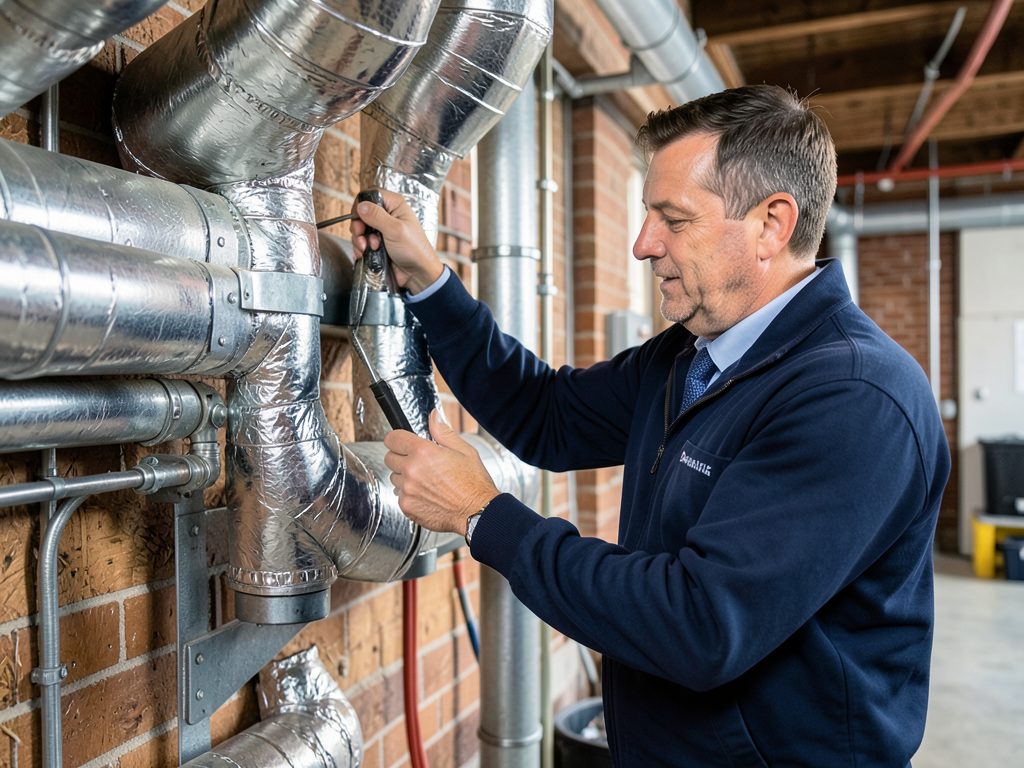
Smart Ways to Hide New Ductwork During a Lower Lawrenceville Loft Renovation Lower Lawrenceville lofts present unique HVAC challenges. High ceilings and exposed brick walls demand creative ductwork solutions that balance industrial aesthetics with modern…
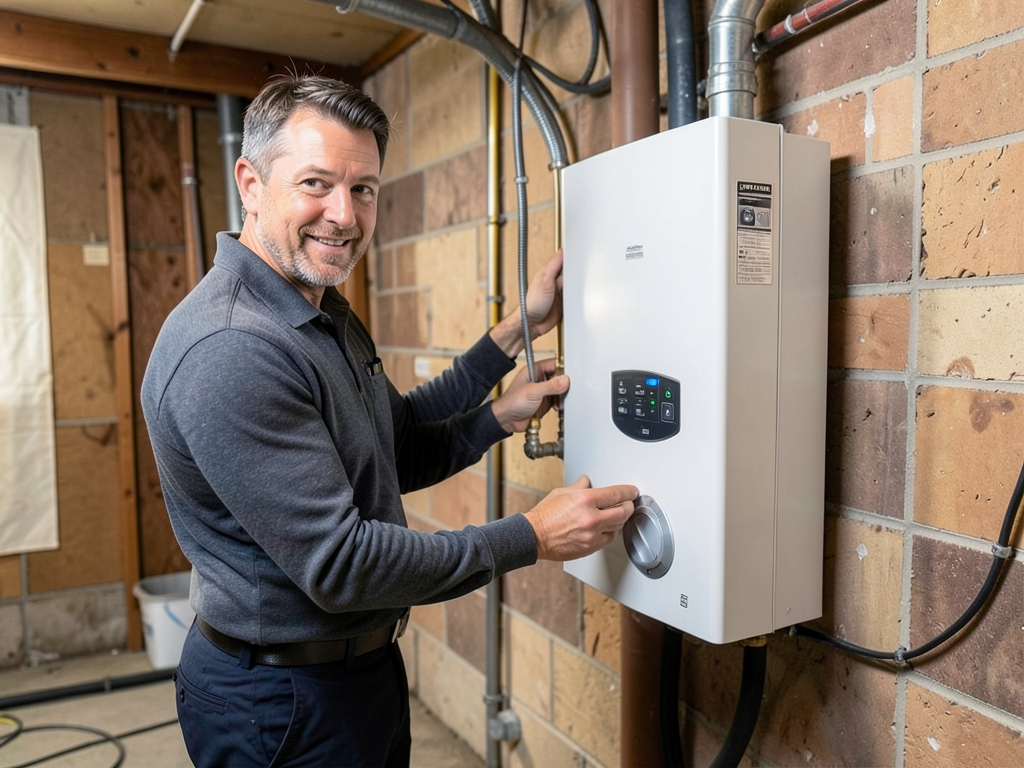
Understanding Your Crafton Heights Heating and Hot Water Options Choosing between a combi boiler and…
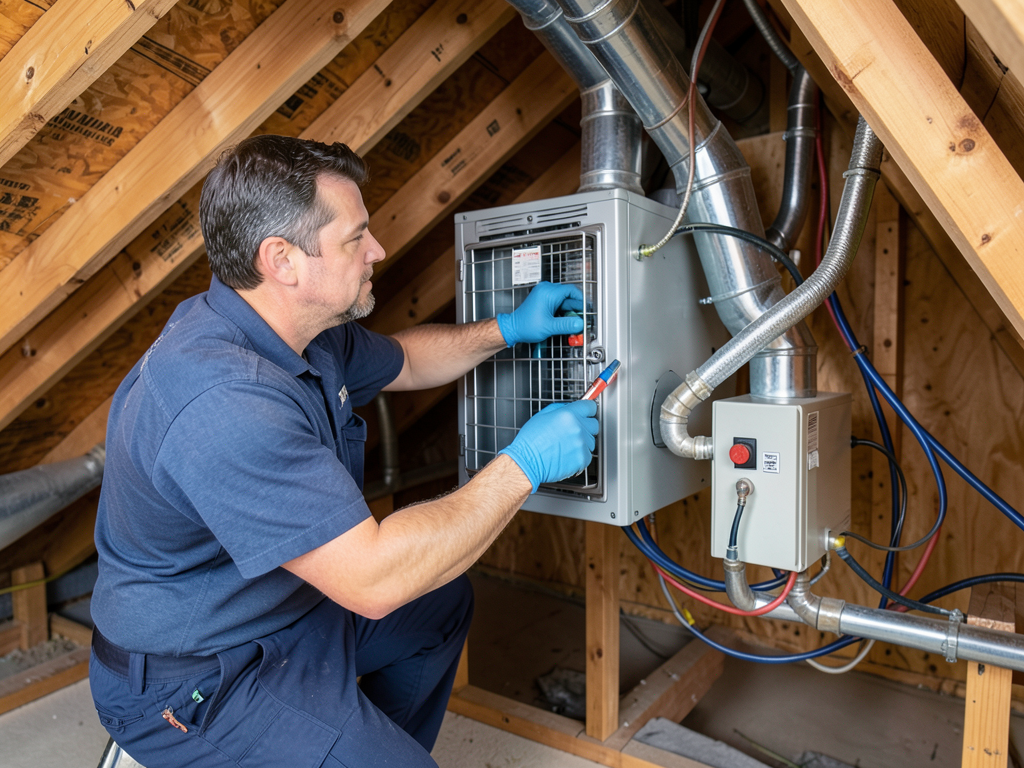
Improving Indoor Air Quality in Your Overbrook Home After Upgrading to Modern Windows New double-pane…
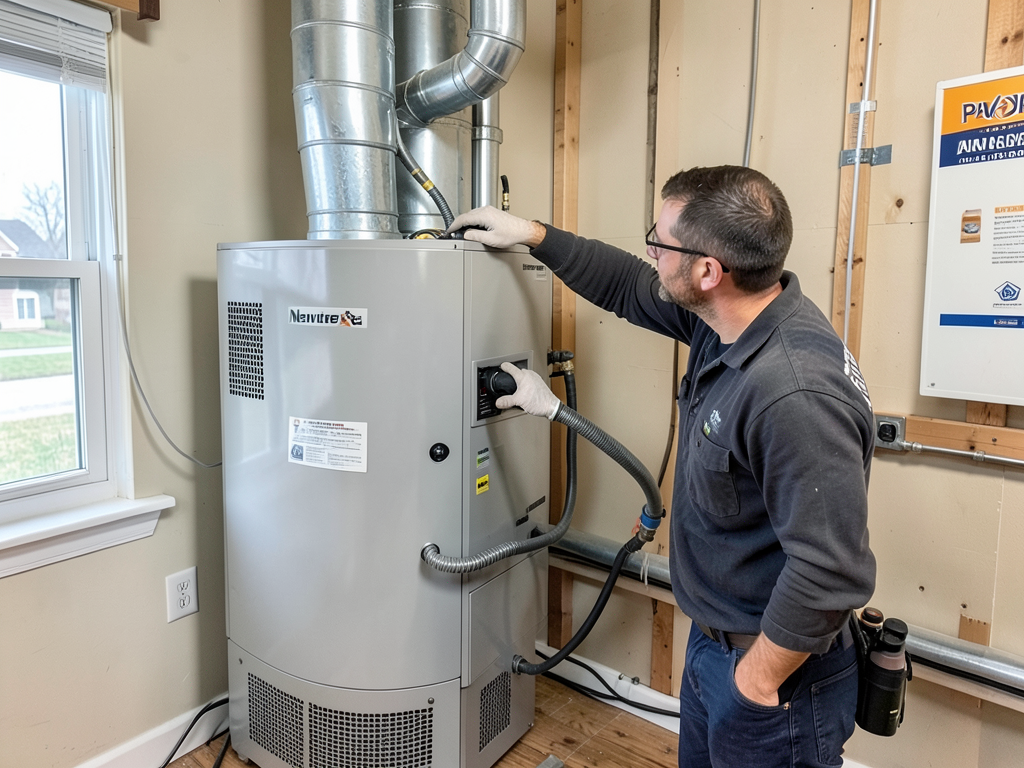
Why You Might Need a High Performance Air Purifier if You Live Near Neville Island…
Your comfort matters. Call Apex HVAC Pittsburgh now at (412) 387-0477 for same-day service on emergency repairs or to schedule maintenance that prevents breakdowns. We answer 24/7 and dispatch technicians fast with parts ready to fix your system right the first time.