menu

Smart Thermostat Benefits in Pittsburgh – Cut Your Energy Bills by Up to 30% Year-Round

Discover how wifi-enabled thermostats optimize heating and cooling in Pittsburgh's extreme seasonal swings, giving you automated climate control, remote access, and proven energy savings without sacrificing comfort.

Slider Image 1
Slider Image 2
Slider Image 3
Slider Image 4
Slider Image 5
Slider Image 7
Slider Image 8
Slider Image 9
Slider Image 10
Slider Image 11

Why Pittsburgh Homes Waste Energy Without Smart Climate Control

Pittsburgh's weather is unforgiving. You face humid 90-degree summers and single-digit winters, often within the same six-month span. The freeze-thaw cycles damage equipment, and the rapid temperature swings force your HVAC system to work overtime.

Traditional thermostats cannot adapt. They run on fixed schedules that ignore real-time conditions. You heat an empty house all day, cool bedrooms while you sleep, and constantly adjust the dial because the system cannot think.

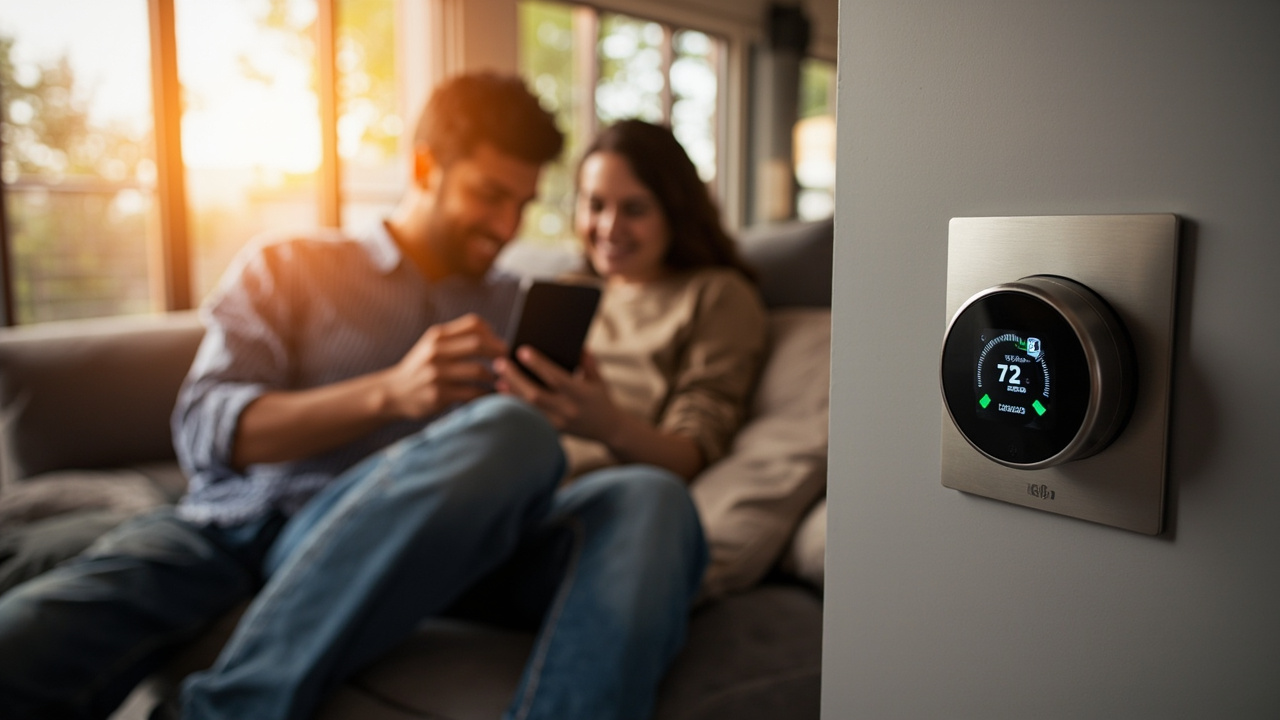
The advantages of smart thermostats start with learning your schedule. They detect when you leave for work, when you return, and when you sleep. They adjust heating and cooling automatically based on occupancy, weather forecasts, and your preferences. The pros of wifi thermostats include remote access. You control your system from your phone, whether you are at the office in Downtown Pittsburgh or stuck in traffic on the Parkway East.

The reasons to upgrade to a smart thermostat extend beyond convenience. These devices track energy usage in real time, identify inefficiencies, and send alerts when your furnace or air conditioner is struggling. You catch small problems before they become expensive failures.

The benefits of connected thermostats include integration with home automation systems, voice control, and detailed energy reports. You see exactly where your money goes. The value of smart thermostats is measurable. Most Pittsburgh homeowners recover the cost of the device within 18 to 24 months through lower utility bills alone.

If you are still manually adjusting a dial twice a day, you are paying more than you need to.

Why Pittsburgh Homes Waste Energy Without Smart Climate Control
How Smart Thermostats Optimize HVAC Performance in Pittsburgh's Climate

How Smart Thermostats Optimize HVAC Performance in Pittsburgh's Climate

Smart thermostats use geofencing, machine learning algorithms, and real-time weather data to optimize your heating and cooling cycles. The device learns your patterns over the first week, then builds a schedule that minimizes runtime without sacrificing comfort.

Geofencing uses your phone's GPS location to detect when you leave a radius around your home. The thermostat switches to away mode, reducing heating or cooling to a setback temperature. When you cross back into the geofence, the system pre-conditions your home so it reaches your preferred temperature by the time you walk in the door.

In Pittsburgh, where morning lows can be 40 degrees and afternoons hit 75, the thermostat pulls hourly weather forecasts to anticipate temperature swings. It delays heating if the outdoor temperature will rise naturally, and it precools your home before a hot afternoon to reduce compressor strain during peak demand hours.

Smart thermostats also monitor system runtime and cycling behavior. If your furnace short-cycles or your air conditioner runs continuously, the device logs the issue and sends an alert. You catch a failing blower motor, a refrigerant leak, or a clogged filter before the system shuts down completely.

The integration with zoned HVAC systems allows you to control individual rooms. You keep the upstairs cooler at night, heat the basement only when you use it, and stop conditioning unused guest rooms. This zoning capability is especially valuable in Pittsburgh's older homes, where temperature imbalances between floors are common due to poor insulation and ductwork designed for coal furnaces.

Apex HVAC Pittsburgh installs and configures smart thermostats to work with your existing equipment. We verify compatibility with your furnace, heat pump, or boiler, set up the learning algorithms, and connect the device to your wifi network so you have full control from day one.

What Happens During a Smart Thermostat Upgrade

Smart Thermostat Benefits in Pittsburgh – Cut Your Energy Bills by Up to 30% Year-Round
01

System Compatibility Assessment

We inspect your current HVAC equipment to confirm compatibility with the smart thermostat model you want. We check the wiring configuration, identify the power supply, and verify that your furnace or air handler has a C-wire for continuous power. If your system lacks a C-wire, we install a power adapter or run new wiring to ensure reliable operation. We also confirm compatibility with multi-stage heating, dual-fuel systems, or heat pumps with auxiliary heat.
02

Installation and Network Configuration

We remove your old thermostat, label the existing wires, and mount the new smart thermostat base plate. We connect the wires to the correct terminals, power up the device, and connect it to your home's wifi network. We configure the thermostat settings, input your preferred temperatures, and enable geofencing if you want location-based automation. We test heating and cooling cycles to confirm the system responds correctly to the new control signals.
03

Learning Mode Activation

We activate the learning algorithm and walk you through the app interface. We show you how to adjust settings remotely, view energy reports, and set up alerts for maintenance reminders or system issues. The thermostat begins tracking your schedule immediately, building a custom heating and cooling pattern over the next week. We remain available during the learning period to answer questions and fine-tune settings if the automated schedule does not match your routine.

Why Pittsburgh Homeowners Trust Apex HVAC for Smart Thermostat Installations

Pittsburgh's housing stock is diverse. You have century-old rowhouses in Lawrenceville, mid-century ranches in the South Hills, and modern builds in Cranberry Township. Each home has different HVAC infrastructure, and not every smart thermostat works with every system.

We know the local building stock. We have installed smart thermostats in homes with gravity furnaces, hydronic boilers, and multi-zone ductless mini-splits. We understand the wiring challenges in older homes, where knob-and-tube electrical systems and two-wire thermostat circuits require adapters or rewiring.

We also know Pittsburgh's utility rate structure. Duquesne Light Company and other local providers offer time-of-use rates and demand response programs. We configure your smart thermostat to shift energy usage away from peak hours, reducing your cost per kilowatt-hour and qualifying you for rebates.

The local climate demands precision. A thermostat misconfigured for Pittsburgh's freeze-thaw cycles will overheat your home during a January thaw or fail to precondition your home before a summer heat wave. We program the device to account for local weather patterns, ensuring optimal comfort without wasting energy.

We also service what we install. If your smart thermostat loses wifi connectivity, displays error codes, or stops communicating with your HVAC system, we diagnose and fix the problem. We do not sell you a device and disappear.

Apex HVAC Pittsburgh has worked with every major thermostat brand, including Nest, Ecobee, Honeywell Home, and Emerson Sensi. We recommend the model that fits your system, your budget, and your preferences. We do not push the highest-priced option. We install what works.

You get a clean installation, accurate configuration, and local support. That is the difference between a DIY install that never works right and a professional setup that saves you money from day one.

What You Can Expect from a Smart Thermostat Installation

Installation Speed and Scheduling

Most smart thermostat installations take 60 to 90 minutes, including system testing and app setup. We schedule appointments based on your availability, including evenings and weekends. If we discover wiring issues or compatibility problems during the visit, we carry the necessary adapters and supplies to complete the job in one trip. You do not wait days for a return visit. We confirm your heating and cooling cycles work correctly before we leave, so you have immediate control and confidence in the new system.

Compatibility Check and Pre-Installation Consultation

Before we schedule your installation, we ask about your current HVAC equipment and thermostat wiring. If you are unsure, we can perform a remote compatibility check over the phone or schedule a brief in-home consultation to inspect your system. We identify potential obstacles, such as missing C-wires or incompatible control boards, and recommend solutions before you purchase the thermostat. This consultation ensures you buy the right device and avoid compatibility issues that waste your time and money.

Energy Savings and Performance Monitoring

You see energy savings within the first billing cycle. The thermostat's app provides detailed reports showing runtime, temperature adjustments, and cost savings compared to your previous usage. You track trends over weeks and months, identifying patterns and opportunities for further optimization. The device alerts you to inefficiencies, such as extended runtime or frequent cycling, that indicate potential HVAC problems. This early detection prevents breakdowns and extends equipment lifespan, giving you long-term value beyond the immediate energy savings.

Ongoing Support and Troubleshooting

We provide phone and text support for any issues that arise after installation. If your thermostat loses connection, displays error codes, or behaves unexpectedly, we walk you through troubleshooting steps remotely. If the problem requires an in-person visit, we schedule a service call and resolve the issue quickly. We also offer software updates and reconfiguration if you change your schedule, upgrade your HVAC equipment, or want to enable new features as manufacturers release firmware improvements.

Frequently Asked Questions

You Have Questions,
We Have Answers

Which is the main benefit of the smart thermostat? +

The main benefit is energy savings through automated scheduling. A smart thermostat learns your routine and adjusts heating and cooling when you are home or away. This reduces wasted runtime. In Pittsburgh, where humid summers and cold winters strain HVAC systems, a smart thermostat cuts utility costs by 10 to 23 percent annually. You control temperature remotely via smartphone, so you can adjust settings before arriving home. The device also provides energy reports, helping you identify usage patterns and optimize comfort without overheating or overcooling your space.

What are the disadvantages of a smart thermostat? +

Smart thermostats require a stable Wi-Fi connection and a C-wire for continuous power. Many older Pittsburgh homes lack a C-wire, which means you need a professional to install one or use an adapter. The upfront cost runs higher than manual thermostats. Some models have a learning curve, and not all integrate with every HVAC system. If your internet service drops frequently, functionality becomes limited. Privacy concerns exist because these devices collect usage data. For homeowners who prefer simple controls, the added features may feel unnecessary or overly complex.

Is it worth installing a smart thermostat? +

Yes, if you want to lower energy bills and improve comfort control. Smart thermostats pay for themselves within one to three years through reduced heating and cooling costs. Pittsburgh homes face temperature swings from humid July heat to January freezes, which means your HVAC runs frequently. A smart thermostat optimizes runtime based on occupancy and weather forecasts, cutting waste. Remote access lets you adjust settings from work or vacation. The energy reports help you spot inefficiencies. For homeowners planning to stay long-term, the investment delivers measurable savings and convenience.

Is 72 a good temperature for a house? +

72 degrees works for many people during waking hours, but it is not the most efficient setting. The Department of Energy recommends 68 degrees in winter when you are home and awake. In summer, aim for 78 degrees. Pittsburgh winters can push furnaces hard, so lowering the thermostat by a few degrees at night or when you leave saves fuel. Your ideal temperature depends on insulation quality, humidity levels, and personal comfort. A smart thermostat automates these adjustments, so you do not sacrifice comfort while reducing energy waste.

What happens to a smart thermostat if Wi-Fi goes down? +

A smart thermostat reverts to basic programmable mode if Wi-Fi drops. It continues running your last saved schedule, so heating and cooling do not stop. You lose remote access and advanced features like geofencing or weather adaptation until the connection restores. Most models have manual controls on the unit itself, allowing you to adjust temperature directly. In Pittsburgh, where winter storms can knock out internet service, this fallback ensures your furnace keeps running. The thermostat resumes full functionality once Wi-Fi reconnects, syncing any missed data or updates automatically.

Do smart thermostats increase home value? +

Yes, smart thermostats add value because buyers see them as modern, energy-saving upgrades. Homes with smart technology appeal to younger buyers who prioritize efficiency and remote control. In Pittsburgh, where energy costs fluctuate with seasonal extremes, demonstrating lower utility bills strengthens your listing. The increase is modest but measurable, often bundled with other smart home features. Appraisers may not assign a specific dollar amount, but real estate agents report faster sales and higher interest when smart thermostats are installed. The ROI improves if you include energy reports showing documented savings.

What is the lawsuit against Nest thermostat? +

The lawsuit against Nest involved allegations of battery failure and overheating in early models, causing units to shut down and leaving homes without heat. Plaintiffs claimed Nest knew about defects but continued selling faulty devices. The case was settled, and Nest issued software updates and extended warranties for affected units. If you own an older Nest model in Pittsburgh, check for firmware updates. Newer versions have addressed these issues. The lawsuit highlights the importance of regular maintenance and monitoring, especially during winter when a thermostat failure can lead to frozen pipes or system damage.

Can a thermostat cause a high electric bill? +

Yes, a malfunctioning thermostat can spike your electric bill. If the temperature sensor fails, your HVAC system may run constantly, even when your home reaches the set temperature. Incorrect wiring or placement near heat sources like windows or vents causes false readings. In Pittsburgh homes, a thermostat installed on an exterior wall may read colder than the actual indoor temperature, triggering excessive heating. Dust buildup or aging components also reduce accuracy. If your bill jumps without explanation, check your thermostat first. A smart thermostat provides usage data to help identify overcycling or inefficiencies.

Can you just replace a thermostat with a smart thermostat? +

Most times, yes, but you need to verify compatibility first. Check if your current system uses a C-wire for continuous power. Many Pittsburgh homes with older furnaces lack this wire, requiring an adapter or professional installation. Smart thermostats work with most gas, electric, and heat pump systems, but some high-voltage or zoned setups need specific models. Turn off power at the breaker before removing the old thermostat. Label existing wires, then connect them to the corresponding terminals on the new unit. If you are unsure, hire an HVAC technician to avoid damaging your system.

What's the cheapest temperature to keep your house at? +

In winter, set your thermostat to 68 degrees when home and 62 degrees when sleeping or away. In summer, aim for 78 degrees during the day and raise it when you leave. Each degree lower in winter or higher in summer saves about 3 percent on heating and cooling costs. Pittsburgh winters demand consistent heating to prevent frozen pipes, so do not drop below 55 degrees if you travel. A smart thermostat automates these setbacks, balancing comfort and savings. Layer clothing and use ceiling fans to maintain comfort at lower settings without overworking your furnace.

How Pittsburgh's Seasonal Extremes Maximize Smart Thermostat Value

Pittsburgh experiences some of the most dramatic seasonal temperature swings in the region. Winter lows regularly drop below 20 degrees, forcing your furnace to run continuously, while summer humidity and 90-degree heat push your air conditioner to its limits. The transition seasons bring unpredictable weather, with 50-degree temperature swings between morning and afternoon. Smart thermostats thrive in this environment because they adjust automatically to real-time conditions, reducing runtime during mild periods and preconditioning your home before extreme heat or cold arrives. The value of smart thermostats in Pittsburgh is higher than in moderate climates because the energy waste from manual control is so much greater.

Local HVAC contractors understand Pittsburgh's housing challenges. Many homes in neighborhoods like Squirrel Hill, Shadyside, and Mount Washington have outdated HVAC systems installed decades ago. These systems work, but they were never designed for smart controls. A thermostat installed by someone unfamiliar with Pittsburgh's older infrastructure often fails within weeks due to wiring incompatibilities or power supply issues. Apex HVAC Pittsburgh has worked with every type of heating and cooling system common to the area, from steam radiators with zone valves to forced-air furnaces in century-old homes. We know how to integrate modern technology with legacy equipment, ensuring your smart thermostat works reliably from day one.
HVAC Services in The Pittsburgh Area

We are proud to serve the community and its surrounding areas, providing superior heating and cooling services where they are needed most. Whether you’re a residential homeowner or a business owner, you can find our location on the map below. We are committed to being easily accessible and ready to respond quickly, ensuring that professional and reliable HVAC help is always just a call away.

Address:
Apex HVAC Pittsburgh, 450 Melwood Ave, Pittsburgh, PA, 15213

Additional Services We Offer

Our news updates

Latest Articles & News from The Blogs

Your Brighton Heights air conditioner should run in steady cooling cycles, not shut off and start again every few minutes.…

Why Your Brighton Heights AC Keeps Turning Off and On Every Five Minutes

Your Brighton Heights air conditioner should run in steady cooling cycles, not shut off and start again every few minutes.…

Does Your HVAC System Actually Help with Radon Mitigation in Marshall Township

Does Your HVAC System Actually Help with Radon Mitigation in Marshall Township Your HVAC system is designed to heat and…

Stylish Ways to Cover Ugly Radiators in Your Historic Friendship House

Stylish Ways to Cover Ugly Radiators in Your Historic Friendship House \n\n Living in Friendship means embracing the charm of…

Contact Us

Call Apex HVAC Pittsburgh at (412) 387-0477 to schedule your smart thermostat installation. We handle compatibility checks, professional installation, and app setup so you start saving energy immediately. Do not wait for your next high utility bill.