


Penn Hills sits in the Allegheny Plateau region where humidity and temperature swings put constant stress on heating and cooling equipment. Summer humidity regularly hits 70 percent, forcing air conditioners to work overtime removing moisture while cooling your home. This dual load wears out compressors and evaporator coils faster than in drier climates.
Winter brings the opposite extreme. Temperatures drop below freezing for extended periods, pushing furnaces and heat pumps to their operational limits. The freeze-thaw cycles that damage Penn Hills foundations also impact outdoor HVAC components. Condensate drain lines freeze. Heat pump coils ice over. Furnace exhaust vents develop blockages from ice buildup.
The hilly terrain creates microclimates across neighborhoods. Homes in valleys near Thompson Run or Long Run experience higher moisture levels and cooler temperatures. Properties on ridgelines face stronger winds that strain outdoor units and increase heat loss. These geographic factors mean your neighbor's HVAC solution might not work for your home. Proper system sizing and installation must account for your specific elevation, sun exposure, and wind patterns to deliver reliable performance through all four seasons.
We built our reputation in Penn Hills by showing up when we say we will and fixing problems completely the first visit. Many HVAC companies send undertrained technicians who guess at diagnoses or push unnecessary replacements. We take a different approach. Our technicians arrive with diagnostic tools, not sales scripts. They test refrigerant pressures, measure airflow, check electrical connections, and inspect ductwork before recommending solutions.
Our service trucks carry common parts for most residential systems. That means we complete repairs during the first visit instead of scheduling return trips. When you call about a broken air conditioner on a Friday afternoon, we aim to have you cooling down by evening, not waiting until Monday for parts to arrive.
We also understand Penn Hills homes. The older housing stock in neighborhoods like Rosedale and Manor Park often has undersized ductwork or outdated electrical panels. We account for these realities when recommending system upgrades. A high-efficiency furnace saves nothing if your ductwork leaks 30 percent of heated air into your attic. We evaluate your entire comfort system, not just the equipment we're installing or repairing.
Pricing stays consistent and transparent. We provide written estimates before starting work. No surprise charges appear on your invoice. Emergency service calls cost more than scheduled maintenance visits because they require immediate dispatch and after-hours availability, but we explain pricing upfront so you make informed decisions about your home comfort investment.

HVAC failures don't wait for business hours. We maintain 24/7 availability with dispatchers who answer calls, not voicemail systems. Most emergency requests get same-day service in Penn Hills. Our technicians drive fully equipped trucks that carry replacement parts for common failures, completing most repairs in one visit instead of scheduling return trips.

We invest in diagnostic equipment that identifies problems instead of guessing. Digital manifold gauges measure refrigerant charge precisely. Combustion analyzers test furnace efficiency and safety. Static pressure measurements reveal ductwork restrictions. This testing-first approach prevents misdiagnosis and unnecessary part replacement, saving you money while ensuring reliable repairs.
Proper installation determines how well your system performs for the next 15 years. We perform Manual J load calculations to size equipment correctly for your home's square footage, insulation levels, and window area. Our installers follow manufacturer specifications for refrigerant charge, airflow rates, and condensate drainage. Quality installation prevents callback repairs and maximizes energy efficiency.
We service homes across every Penn Hills neighborhood from Universal to Duff Heights. That experience taught us how terrain affects system performance. Valley properties need enhanced dehumidification. Hilltop homes require wind-rated outdoor units. We match equipment and installation methods to your property's specific conditions, not generic recommendations.
Heating and cooling systems include multiple components that must work together for reliable comfort. The outdoor condenser, indoor air handler, thermostat, ductwork, and ventilation system all affect performance. Apex HVAC Pittsburgh services every part of your comfort system.
We handle emergency repairs when equipment fails unexpectedly. Compressor failures, refrigerant leaks, blower motor burnouts, and ignition problems require immediate attention to restore heating or cooling. Our technicians diagnose the root cause, not just the obvious symptom, preventing repeat failures.
Planned equipment replacement becomes necessary when repair costs exceed replacement value or when efficiency improvements justify upgrading. We help homeowners evaluate whether repairing a 15-year-old system makes financial sense compared to installing high-efficiency equipment that cuts utility bills.
Preventive maintenance catches small problems before they cause breakdowns. Annual tune-ups include cleaning coils, checking refrigerant charge, testing safety controls, lubricating motors, and inspecting electrical connections. These services extend equipment life and maintain peak efficiency. Most HVAC failures happen because minor issues went unnoticed until they caused major component damage.
Air conditioners fail during heat waves. Furnaces quit during cold snaps. These breakdowns demand immediate response to protect your home and restore comfort. We dispatch technicians with fully equipped service trucks carrying common replacement parts. Diagnostic testing identifies the failure point quickly. Most emergency repairs complete the same day, getting your heating or cooling system back online within hours, not days.
Aging equipment loses efficiency and reliability. When repair costs mount or your system exceeds its expected lifespan, replacement makes financial sense. We size new equipment using Manual J load calculations that account for your home's insulation, window area, and construction. Proper sizing prevents short cycling and ensures consistent temperatures. We install central air systems, heat pumps, gas furnaces, and ductless mini-splits matched to your home's needs.
Regular maintenance extends equipment life and catches problems before they cause failures. Spring AC tune-ups prepare cooling systems for summer heat. Fall furnace inspections ensure safe, reliable heating. Services include cleaning coils, checking refrigerant levels, testing electrical connections, lubricating moving parts, and inspecting heat exchangers. Maintenance customers avoid most emergency breakdowns because we identify worn components before they fail.
The combination of humid summers, cold winters, and varying terrain creates specific challenges for heating and cooling equipment in Penn Hills. Moisture problems dominate during summer months. High humidity forces air conditioners to remove water vapor while cooling air, increasing compressor run time and stressing electrical components. Condensate drain lines clog more frequently in humid climates, causing water damage when overflow pans fill up.
Winter brings frozen components. Outdoor heat pump coils ice over during extended cold periods, reducing heating capacity. Furnace exhaust vents develop ice blockages that trigger safety shutoffs. Homes in valley areas near waterways experience these problems more severely than properties on higher ground.
Ductwork issues affect many older Penn Hills homes. Undersized ducts restrict airflow, forcing equipment to work harder. Leaky duct connections waste conditioned air in attics and crawl spaces. Proper sealing and occasional duct replacement improve comfort and efficiency. These problems manifest as uneven temperatures between rooms, high utility bills despite normal thermostat settings, and excessive dust accumulation throughout your home.
Penn Hills humidity regularly exceeds 70 percent during summer, forcing air conditioners to remove moisture and cool air simultaneously. This dual load increases compressor run time and utility costs. Undersized systems never dehumidify properly, leaving your home feeling clammy despite adequate cooling. Oversized units short cycle, shutting off before removing moisture. Proper system sizing and airflow rates solve humidity problems.
January temperatures drop below 20 degrees for days at a time, pushing furnaces to maximum capacity. Heat exchangers crack from thermal stress. Ignition systems fail from constant cycling. Exhaust vents develop ice blockages that trigger safety shutoffs. Older furnaces operating beyond their 15 to 20 year lifespan face higher failure risk during extreme cold when you need heat most.
Heat pumps extract warmth from outdoor air, but efficiency drops as temperatures fall. Below 30 degrees, outdoor coils ice over despite defrost cycles. Ice buildup blocks airflow and forces backup heat strips to run constantly, spiking electric bills. Heat pumps work well in Penn Hills with proper sizing and supplemental heating, but undersized units struggle during extended cold periods.
Many Penn Hills homes have ductwork running through unconditioned attics or crawl spaces. Disconnected joints and unsealed seams leak conditioned air before it reaches living spaces. This waste increases utility bills and creates hot or cold rooms despite proper thermostat settings. Duct sealing and insulation improvements recover lost efficiency and improve comfort throughout your home.
We built our service process around transparency and efficiency because HVAC emergencies cause enough stress without communication problems adding to your frustration. When you call our dispatch line, a real person answers and gathers details about your situation. We ask about symptoms, when the problem started, and whether you have heating or cooling at all. This information helps us dispatch the right technician with appropriate tools and parts.
Emergency calls get priority scheduling. We provide arrival time windows and call ahead when the technician is en route. Non-emergency service requests typically schedule within 48 hours based on your availability. Our technicians arrive in marked trucks with company uniforms and identification. They protect your floors with shoe covers and use drop cloths around work areas.
Diagnosis comes before any repair recommendations. Technicians test system operation, measure performance parameters, and identify the root cause of problems. They explain findings in plain language, not technical jargon, and provide written estimates before starting repairs. You approve all work before we proceed. After completing repairs, technicians test system operation to verify proper function and clean up completely. We provide service documentation that details work performed and parts installed for your records.
Real dispatchers answer calls and schedule service based on urgency and your availability. We confirm appointment times the day before and call when technicians are en route. During service visits, technicians explain problems clearly and answer questions about your system. After repairs, you receive detailed invoices showing parts used, labor time, and warranty information. Follow-up calls check that systems operate properly days after service.
Diagnostic fees apply to service calls and cover testing time and trip charges. If you approve repairs, diagnostic fees apply toward the total cost. Written estimates detail parts, labor, and any additional charges before work starts. Emergency service costs more than scheduled appointments because of immediate dispatch requirements, but pricing stays consistent and clear. No surprise charges appear on final invoices.
Technicians diagnose root causes instead of replacing parts until something works. Testing equipment verifies proper system operation after repairs. We guarantee workmanship and stand behind repairs. If problems recur within warranty periods, we return to make things right without additional diagnostic charges. Our goal is fixing your system correctly the first time, not generating callback revenue from incomplete repairs.
We streamlined HVAC service into three clear stages that keep you informed and eliminate surprises. This process works for emergency repairs, planned maintenance, and system replacements.
Technicians arrive with testing equipment and begin by asking about symptoms and system history. They inspect equipment visually, then test operation with diagnostic tools. Refrigerant pressures, airflow measurements, electrical readings, and combustion analysis identify problems accurately. This testing-first approach prevents misdiagnosis. After identifying issues, technicians explain problems clearly and provide written repair estimates. You approve all work before we begin repairs.
Once you approve estimates, technicians complete repairs using parts from service trucks or schedule installation dates for equipment replacement. Repairs include testing afterward to verify proper operation. New installations follow manufacturer specifications for refrigerant charge, airflow rates, and electrical connections. We protect your home with floor coverings and clean work areas completely. Installation projects include hauling away old equipment and verifying proper thermostat operation.
Completed repairs get tested to confirm systems operate correctly before technicians leave. You receive documentation showing work performed, parts installed, and warranty coverage. We follow up within a few days to verify continued proper operation. If problems recur within warranty periods, we return to resolve issues without additional diagnostic charges. Our goal is your complete satisfaction with system performance and our service experience.
Proper HVAC system design and installation account for climate conditions, building construction, and local code requirements. Penn Hills falls within IECC Climate Zone 5A, which mandates specific insulation values and efficiency standards for new construction and major renovations. These requirements affect system sizing and equipment selection.
Manual J load calculations determine proper equipment capacity by accounting for home square footage, insulation R-values, window area and orientation, air infiltration rates, and occupancy. Oversized equipment costs more upfront and short cycles, shutting off before removing humidity or distributing heat evenly. Undersized systems run constantly without maintaining comfortable temperatures. Accurate load calculations prevent both problems.
Refrigerant charge affects system performance significantly. Air conditioning and heat pump efficiency drops when refrigerant levels fall below specifications. Low charge reduces cooling capacity and causes compressor overheating. Overcharged systems increase head pressure, stressing compressors and reducing efficiency. Technicians use digital manifold gauges and measure superheat and subcooling values to verify proper charge according to manufacturer specifications.
Ductwork design impacts comfort and efficiency as much as equipment quality. Manual D calculations size supply and return ducts to deliver specified airflow rates to each room. Static pressure measurements identify restrictions that force blowers to work harder. Properly designed duct systems operate between 0.3 and 0.5 inches of water column total external static pressure. Higher readings indicate undersized ducts or excessive restrictions that waste energy and reduce equipment life.
Penn Hills follows IECC Climate Zone 5A requirements that mandate minimum SEER ratings for air conditioners and AFUE ratings for furnaces. These standards ensure equipment efficiency matches climate demands. Current code requires 14 SEER minimum for central air and 80 percent AFUE for gas furnaces. High-efficiency equipment exceeds these minimums, reducing utility costs through lower energy consumption.
Equipment capacity, efficiency rating, and installation complexity affect replacement costs. Larger homes need higher-capacity systems. Multi-story homes require zoned systems or multiple units. Ductwork modifications, electrical panel upgrades, and gas line sizing add to installation costs. High-efficiency equipment costs more upfront but reduces operating costs over the system's 15 to 20 year lifespan through lower utility bills.
Central air conditioners last 12 to 15 years with proper maintenance. Gas furnaces operate reliably for 15 to 20 years. Heat pumps typically need replacement after 10 to 15 years because they work year-round for heating and cooling. Systems approaching these age ranges that require major repairs often justify replacement instead. Efficiency improvements in new equipment recover replacement costs through lower utility bills.
Annual maintenance extends equipment life and maintains efficiency. Spring air conditioning tune-ups clean coils, check refrigerant charge, and test electrical connections before summer heat. Fall furnace inspections verify safe operation, test ignition systems, and inspect heat exchangers for cracks. Regular filter changes prevent airflow restrictions. Neglected maintenance causes 80 percent of premature HVAC failures according to equipment manufacturers.
Educational video covering common HVAC problems in Penn Hills, Pennsylvania homes. Topics include climate-related challenges, humidity issues, frozen components during winter, ductwork problems in older construction, and maintenance practices that prevent equipment failure. Features explanations of how terrain and elevation affect heating and cooling system performance across different Penn Hills neighborhoods, plus guidance on identifying problems before emergency breakdowns occur.
Apex HVAC Pittsburgh provides heating and cooling service throughout Penn Hills, from the established neighborhoods near Universal Road to the hillside properties in Duff Heights and the valley homes along Thompson Run. We service equipment in every part of town because we understand how terrain and elevation affect system performance across different areas.
Properties in the western sections near Rosedale and Manor Park occupy rolling terrain with mature tree cover that provides natural shade during summer. These neighborhoods feature mostly ranch and split-level homes built between 1950 and 1980, many with original ductwork that benefits from sealing and insulation upgrades. The older housing stock often has undersized electrical panels that need upgrades when installing high-efficiency HVAC equipment.
Eastern Penn Hills around Duff and Hulton sit at higher elevations where wind exposure increases heat loss during winter. Homes in these areas need properly sized heating systems and wind-rated outdoor units that withstand sustained exposure. The newer construction in these neighborhoods typically includes better insulation and more efficient ductwork, but rapid temperature swings still stress equipment during seasonal transitions.
Valley properties near Long Run and areas along Saltsburg Road experience cooler temperatures and higher moisture levels because cold air settles in low-lying areas. These microclimates increase humidity-related problems during summer and ice formation during winter. Air conditioning systems serving valley homes benefit from enhanced dehumidification capability. Heat pumps in these areas need properly sized backup heat because extended cold periods reduce heat pump efficiency.
We also service surrounding communities including Plum, Verona, Wilkins Township, and Churchill. Our service area extends throughout eastern Allegheny County where we've built relationships with homeowners who value reliable HVAC service backed by accurate diagnostics and quality workmanship. Whether you live on a hillside property with wind exposure or a valley home with moisture challenges, we match equipment recommendations and installation methods to your property's specific conditions.
The $5000 rule is a guideline for deciding between repair or replacement. Multiply your system's age by the repair cost. If the total exceeds $5000, replacement makes more financial sense. For example, a 12-year-old furnace needing a $500 repair equals $6000, suggesting replacement. Penn Hills homeowners deal with freeze-thaw cycles that stress older equipment, making this calculation critical. Factor in efficiency gains too. A new system cuts energy bills by 20-40 percent compared to units over 10 years old. Get a professional assessment before deciding.
Most HVAC jobs in Penn Hills range from $150 for diagnostic visits to several thousand for major repairs. Furnace igniter replacement runs $200-$400. Compressor replacement costs $1200-$2800. Ductwork repair varies by scope and accessibility. System replacement is the biggest investment. Costs depend on equipment size, efficiency rating, and installation complexity. Older Penn Hills homes with tight attics or basements increase labor time. Emergency calls during winter cold snaps carry premium pricing. Always get written estimates that itemize parts and labor before authorizing work.
A complete HVAC system replacement typically ranges from moderate to significant investment depending on home size and efficiency choices. Entry-level units cost less but offer basic efficiency. Mid-tier systems balance performance and price. Premium high-efficiency models deliver long-term energy savings that offset higher upfront costs. Penn Hills homes average 1400-2000 square feet, requiring 2.5-4 ton systems. Installation complexity matters. Homes with existing ductwork cost less than new installations. Two-stage or variable-speed equipment costs more but handles our humid summers and bitter winters more effectively. Get multiple quotes.
The $5000 rule is a guideline for deciding between repair or replacement. Multiply your system's age by the repair cost. If the total exceeds $5000, replacement makes more financial sense. For example, a 12-year-old furnace needing a $500 repair equals $6000, suggesting replacement. Penn Hills homeowners deal with freeze-thaw cycles that stress older equipment, making this calculation critical. Factor in efficiency gains too. A new system cuts energy bills by 20-40 percent compared to units over 10 years old. Get a professional assessment before deciding.
Most HVAC jobs in Penn Hills range from $150 for diagnostic visits to several thousand for major repairs. Furnace igniter replacement runs $200-$400. Compressor replacement costs $1200-$2800. Ductwork repair varies by scope and accessibility. System replacement is the biggest investment. Costs depend on equipment size, efficiency rating, and installation complexity. Older Penn Hills homes with tight attics or basements increase labor time. Emergency calls during winter cold snaps carry premium pricing. Always get written estimates that itemize parts and labor before authorizing work.
A complete HVAC system replacement typically ranges from moderate to significant investment depending on home size and efficiency choices. Entry-level units cost less but offer basic efficiency. Mid-tier systems balance performance and price. Premium high-efficiency models deliver long-term energy savings that offset higher upfront costs. Penn Hills homes average 1400-2000 square feet, requiring 2.5-4 ton systems. Installation complexity matters. Homes with existing ductwork cost less than new installations. Two-stage or variable-speed equipment costs more but handles our humid summers and bitter winters more effectively. Get multiple quotes.
Penn Hills homeowners face these common issues: refrigerant leaks reduce cooling capacity and spike energy bills. Dirty filters restrict airflow and strain blowers. Thermostat failures cause temperature inconsistencies. Frozen evaporator coils result from poor airflow or low refrigerant. Ignition problems prevent furnaces from firing during winter. Drainage clogs from high humidity cause water damage. Capacitor failure stops compressors or blowers. Ductwork leaks waste 20-30 percent of conditioned air. Regular maintenance catches these problems early. Spring and fall tune-ups prevent mid-season breakdowns when you need your system most.
A 4000 square foot home needs a 4-5 ton system, sometimes requiring two separate units for proper zoning. Costs increase with home size due to equipment capacity and installation scope. Multi-zone systems offer better temperature control for larger Penn Hills properties but add complexity. Ductwork for 4000 square feet requires careful sizing to maintain proper airflow and efficiency. Two-story layouts need balanced distribution to prevent upper-level overheating. High-efficiency equipment costs more upfront but significantly reduces monthly bills on larger homes. Expect installation to take 2-3 days for whole-system replacement.
The 3-minute rule prevents compressor damage by allowing refrigerant pressure to equalize before restarting. After your AC shuts off, wait at least three minutes before turning it back on. Immediate restarts force the compressor to start against high pressure, stressing internal components and shortening lifespan. Penn Hills power fluctuations during summer storms make this rule critical. Modern thermostats include built-in time delays. Never rapidly cycle your thermostat up and down. If your system short-cycles on its own, call for service immediately. Frequent short-cycling indicates refrigerant issues or sizing problems.
A 1200 square foot home typically needs a 1.5-2 ton system. Costs vary based on efficiency rating and installation factors. Penn Hills homes of this size often have simpler duct layouts, reducing labor costs. Single-story ranches install faster than split-levels. Upgrading from baseboard heat to central air adds ductwork expenses. High-efficiency units cost more but pay back through lower bills. Our humid summers demand proper dehumidification, so skip bottom-tier equipment. Installation takes 1-2 days for straightforward replacements. Older homes may need electrical upgrades to handle modern equipment amperage requirements.
Furnaces last 15-20 years with proper maintenance. Air conditioners typically run 12-15 years. Heat pumps average 10-15 years due to year-round operation. Penn Hills climate extremes stress systems. Our cold winters push furnaces hard, while humid summers tax AC compressors. Neglected systems fail early. Annual maintenance extends lifespan by catching small problems before they cascade. Quality matters too. Budget equipment fails sooner than premium brands. Watch for rising energy bills, frequent repairs, and uneven heating or cooling. These signal approaching replacement needs before complete failure.
Standard homeowners insurance rarely covers normal wear and tear or maintenance-related failures. Coverage applies if damage results from a covered peril like fire, lightning strike, or vandalism. Some policies cover sudden mechanical breakdown through equipment breakdown coverage endorsements. Check your policy specifics. If a storm damages your outdoor condenser unit, insurance may cover replacement. Frozen pipes that damage your furnace might qualify. Document everything with photos and repair estimates. Penn Hills homeowners should review coverage annually. Maintenance records prove you properly cared for equipment, strengthening claims for sudden failures.
A 2000 square foot house needs a 2.5-3.5 ton system depending on insulation, window quality, and layout. Costs vary based on efficiency ratings and installation complexity. Penn Hills two-story homes require careful sizing to balance airflow between floors. Installing central air where none existed requires complete ductwork installation, significantly increasing costs. Homes with finished basements need additional supply and return vents. Attic-mounted air handlers save main-floor space but complicate maintenance access. High-efficiency equipment reduces summer electric bills by 30-40 percent. Get load calculations done properly to avoid undersized or oversized equipment.
Penn Hills homeowners face these common issues: refrigerant leaks reduce cooling capacity and spike energy bills. Dirty filters restrict airflow and strain blowers. Thermostat failures cause temperature inconsistencies. Frozen evaporator coils result from poor airflow or low refrigerant. Ignition problems prevent furnaces from firing during winter. Drainage clogs from high humidity cause water damage. Capacitor failure stops compressors or blowers. Ductwork leaks waste 20-30 percent of conditioned air. Regular maintenance catches these problems early. Spring and fall tune-ups prevent mid-season breakdowns when you need your system most.
A 4000 square foot home needs a 4-5 ton system, sometimes requiring two separate units for proper zoning. Costs increase with home size due to equipment capacity and installation scope. Multi-zone systems offer better temperature control for larger Penn Hills properties but add complexity. Ductwork for 4000 square feet requires careful sizing to maintain proper airflow and efficiency. Two-story layouts need balanced distribution to prevent upper-level overheating. High-efficiency equipment costs more upfront but significantly reduces monthly bills on larger homes. Expect installation to take 2-3 days for whole-system replacement.
The 3-minute rule prevents compressor damage by allowing refrigerant pressure to equalize before restarting. After your AC shuts off, wait at least three minutes before turning it back on. Immediate restarts force the compressor to start against high pressure, stressing internal components and shortening lifespan. Penn Hills power fluctuations during summer storms make this rule critical. Modern thermostats include built-in time delays. Never rapidly cycle your thermostat up and down. If your system short-cycles on its own, call for service immediately. Frequent short-cycling indicates refrigerant issues or sizing problems.
A 1200 square foot home typically needs a 1.5-2 ton system. Costs vary based on efficiency rating and installation factors. Penn Hills homes of this size often have simpler duct layouts, reducing labor costs. Single-story ranches install faster than split-levels. Upgrading from baseboard heat to central air adds ductwork expenses. High-efficiency units cost more but pay back through lower bills. Our humid summers demand proper dehumidification, so skip bottom-tier equipment. Installation takes 1-2 days for straightforward replacements. Older homes may need electrical upgrades to handle modern equipment amperage requirements.
Furnaces last 15-20 years with proper maintenance. Air conditioners typically run 12-15 years. Heat pumps average 10-15 years due to year-round operation. Penn Hills climate extremes stress systems. Our cold winters push furnaces hard, while humid summers tax AC compressors. Neglected systems fail early. Annual maintenance extends lifespan by catching small problems before they cascade. Quality matters too. Budget equipment fails sooner than premium brands. Watch for rising energy bills, frequent repairs, and uneven heating or cooling. These signal approaching replacement needs before complete failure.
Standard homeowners insurance rarely covers normal wear and tear or maintenance-related failures. Coverage applies if damage results from a covered peril like fire, lightning strike, or vandalism. Some policies cover sudden mechanical breakdown through equipment breakdown coverage endorsements. Check your policy specifics. If a storm damages your outdoor condenser unit, insurance may cover replacement. Frozen pipes that damage your furnace might qualify. Document everything with photos and repair estimates. Penn Hills homeowners should review coverage annually. Maintenance records prove you properly cared for equipment, strengthening claims for sudden failures.
A 2000 square foot house needs a 2.5-3.5 ton system depending on insulation, window quality, and layout. Costs vary based on efficiency ratings and installation complexity. Penn Hills two-story homes require careful sizing to balance airflow between floors. Installing central air where none existed requires complete ductwork installation, significantly increasing costs. Homes with finished basements need additional supply and return vents. Attic-mounted air handlers save main-floor space but complicate maintenance access. High-efficiency equipment reduces summer electric bills by 30-40 percent. Get load calculations done properly to avoid undersized or oversized equipment.
We are proud to serve the community and its surrounding areas, providing superior heating and cooling services where they are needed most. Whether you’re a residential homeowner or a business owner, you can find our location on the map below. We are committed to being easily accessible and ready to respond quickly, ensuring that professional and reliable HVAC help is always just a call away.
Address:
Penn Hills, PA, 15235
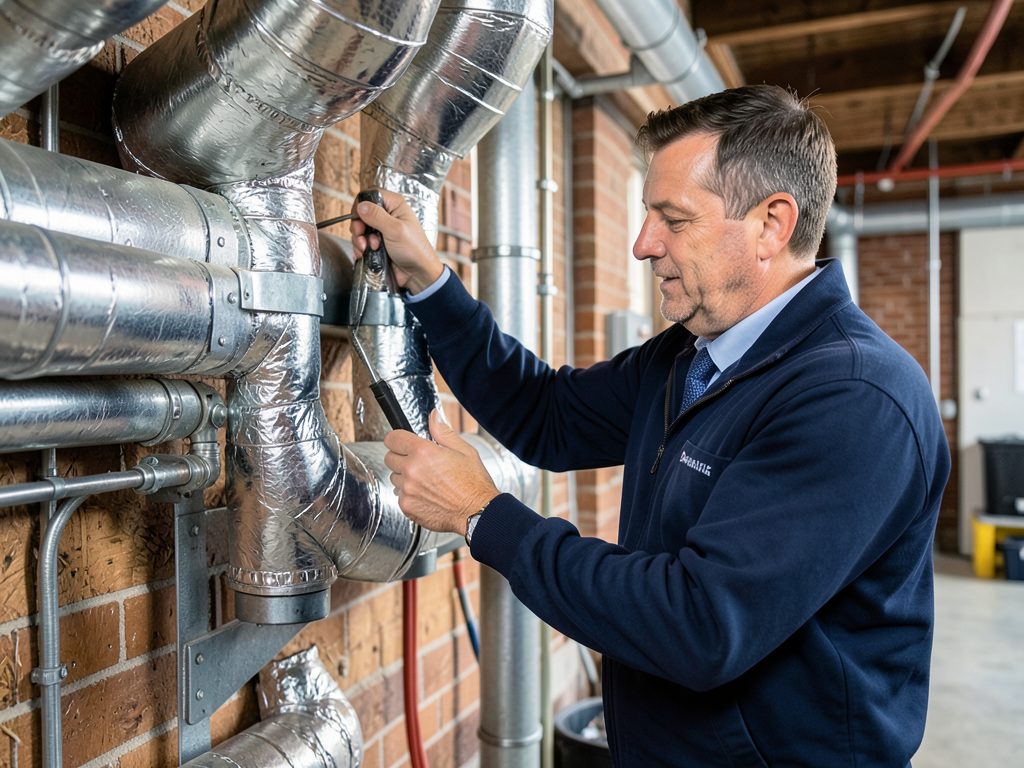
Smart Ways to Hide New Ductwork During a Lower Lawrenceville Loft Renovation Lower Lawrenceville lofts present unique HVAC challenges. High ceilings and exposed brick walls demand creative ductwork solutions that balance industrial aesthetics with modern…
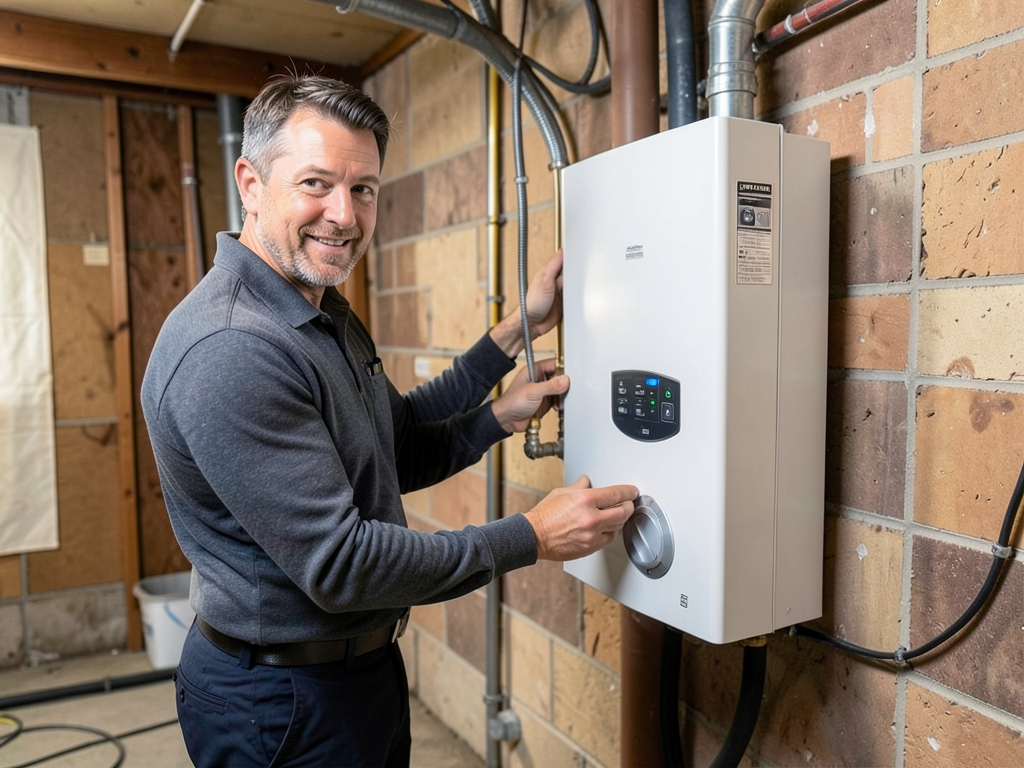
Understanding Your Crafton Heights Heating and Hot Water Options Choosing between a combi boiler and…
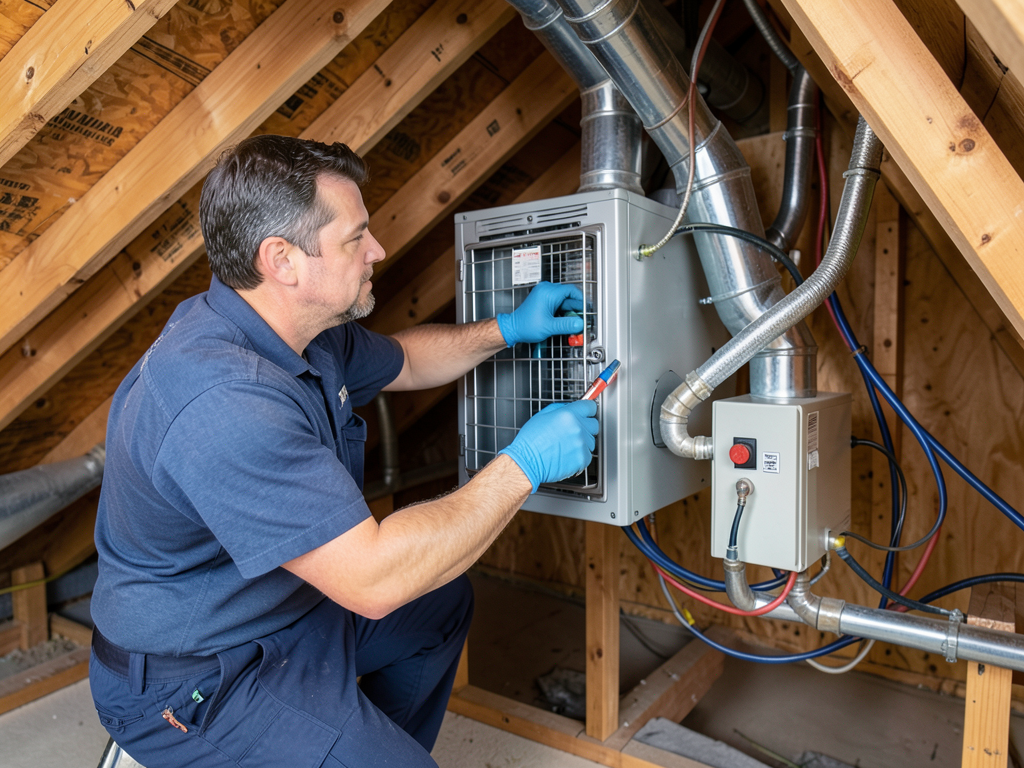
Improving Indoor Air Quality in Your Overbrook Home After Upgrading to Modern Windows New double-pane…
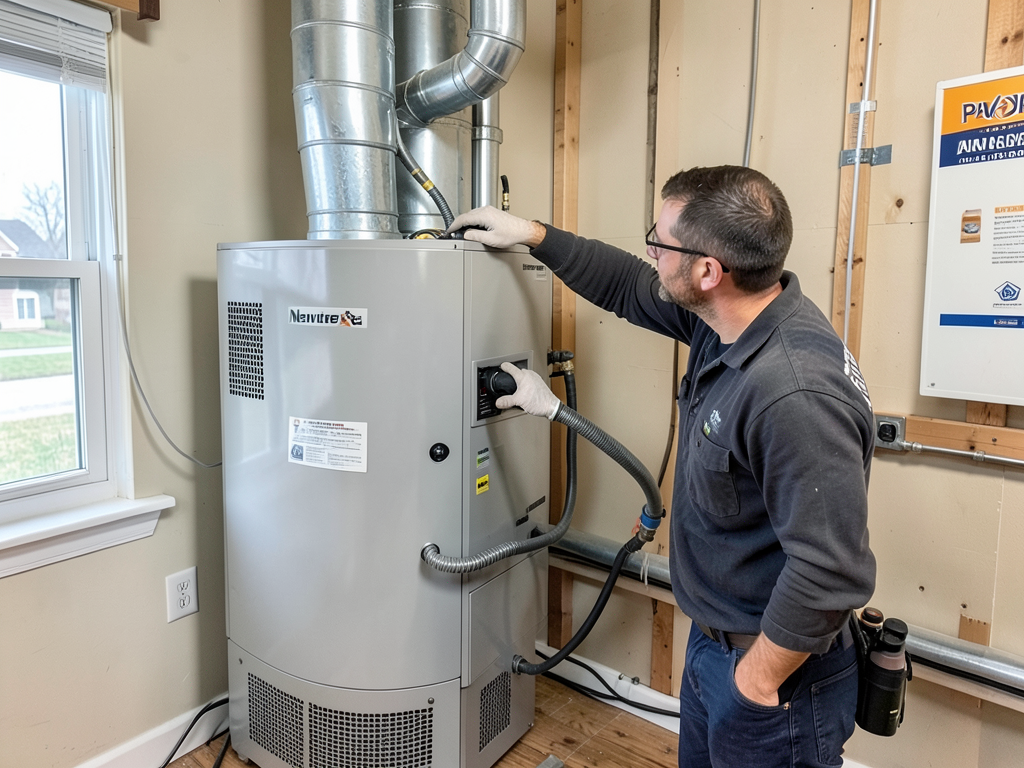
Why You Might Need a High Performance Air Purifier if You Live Near Neville Island…
Your comfort system breakdown needs immediate attention. Apex HVAC Pittsburgh responds quickly to restore heating and cooling in your Penn Hills home. Call (412) 387-0477 now to speak with our dispatch team. We'll schedule emergency service today or book maintenance visits at your convenience.