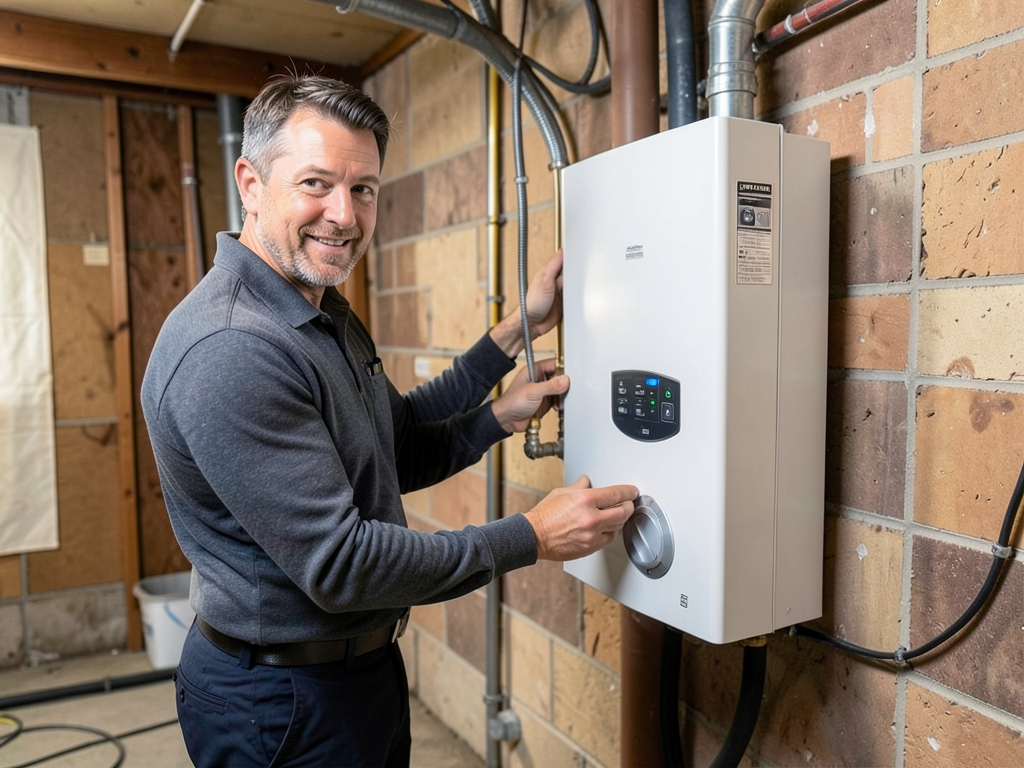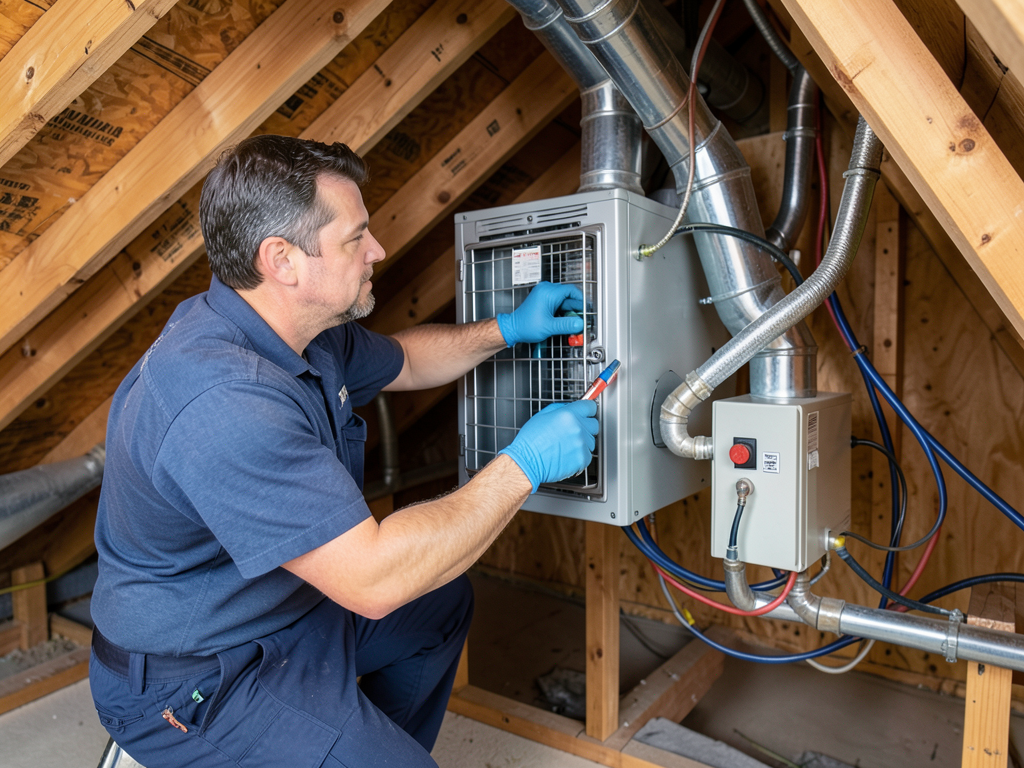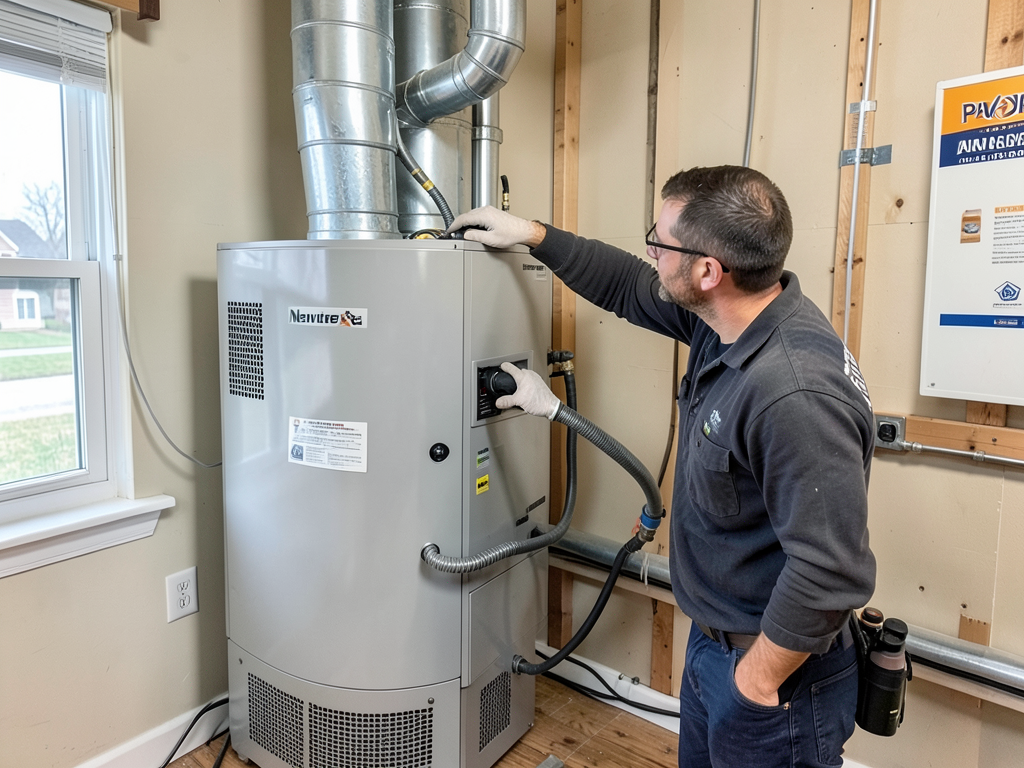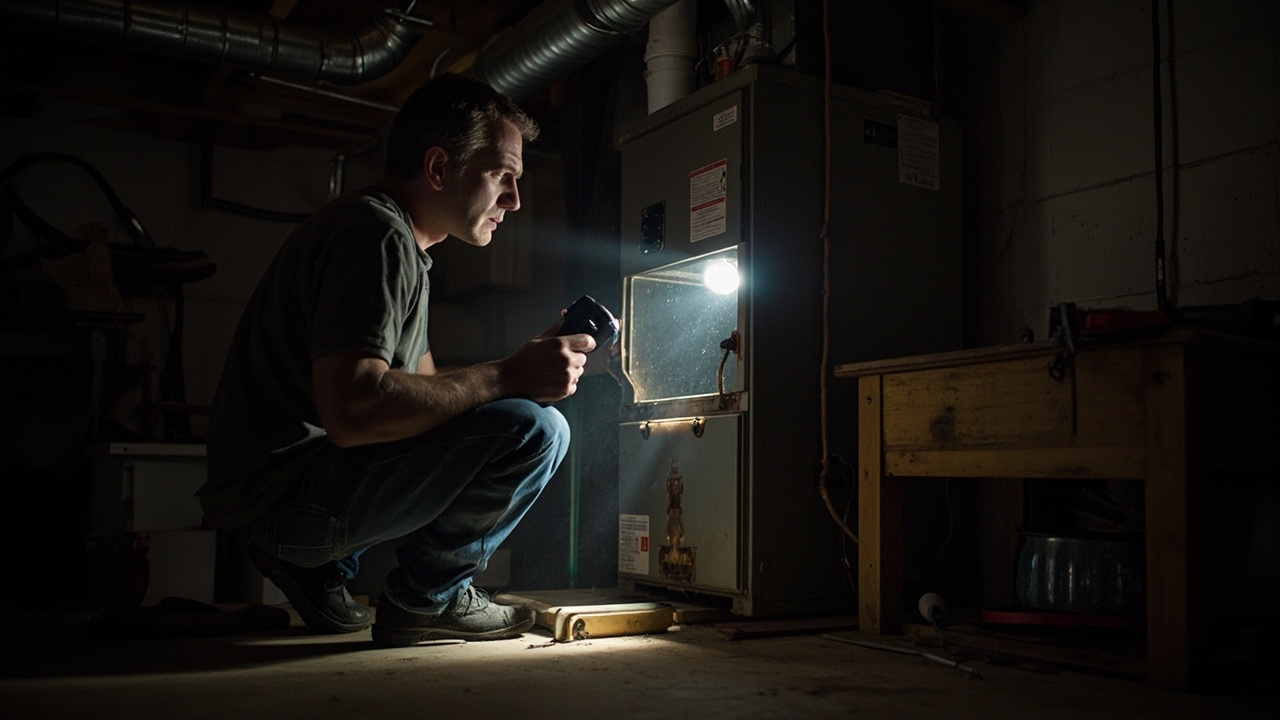


Pittsburgh sees temperature swings that stress furnace components harder than steady cold. A week in the teens followed by three days in the 40s causes rapid thermal cycling. Thermocouples expand and contract. Pilot brackets shift. Gas valves experience pressure fluctuations. Homes in Shadyside and Highland Park with exposed basement walls compound this. Cold basement air cools the furnace faster between cycles, forcing the pilot to reheat components from a lower starting temperature. This accelerates metal fatigue and shortens component life. A thermocouple that lasts ten years in a climate with steady winter temperatures may fail in six in Pittsburgh.
Pittsburgh's local HVAC companies understand these failure patterns because we see them every winter. We know which furnace models installed in the early 2000s have thermocouple bracket designs that loosen over time. We know which gas valve manufacturers used coils that corrode faster in high-humidity basements common to homes near the rivers. This local experience means faster diagnosis and fewer return trips. You're not a test case for a technician learning on your dime.