menu

Commercial Refrigeration Services in Pittsburgh – Minimize Downtime with Industrial-Grade System Solutions

Apex HVAC Pittsburgh delivers comprehensive commercial refrigeration repair, installation, and preventive maintenance engineered to keep your operations running without interruption across the greater Pittsburgh metro area.

Slider Image 1
Slider Image 2
Slider Image 3
Slider Image 4
Slider Image 5
Slider Image 7
Slider Image 8
Slider Image 9
Slider Image 10
Slider Image 11

Why Pittsburgh's Climate Creates Commercial Refrigeration Failures

Pittsburgh's climate puts extreme pressure on commercial refrigeration systems. The Allegheny County region experiences dramatic temperature swings, with winter lows below freezing and summer highs reaching the upper 80s. This constant thermal cycling forces compressors to work harder, accelerating wear on condenser coils and evaporator fans.

High humidity levels in the Ohio River Valley create additional problems. Condensation buildup on evaporator coils leads to ice formation that restricts airflow and reduces cooling capacity. Walk-in coolers in Strip District restaurants and medical storage facilities in Oakland face constant battles with moisture infiltration, which compromises door seals and gaskets.

Industrial facilities along the Monongahela River corridor deal with airborne particulates that clog condenser coils faster than in cleaner environments. This reduces heat transfer efficiency and forces systems into longer run cycles, driving up energy consumption and maintenance frequency.

Commercial refrigeration contractors who understand Pittsburgh's specific challenges know to inspect drain lines more frequently, monitor refrigerant pressures during seasonal transitions, and recommend humidity control solutions for high-moisture environments. A system that works perfectly in Phoenix will fail prematurely here without proper adaptation to local conditions.

Your refrigeration system represents inventory protection, food safety compliance, and business continuity. When it fails during peak service hours or spoils temperature-sensitive inventory, the financial impact extends far beyond the repair cost. Commercial refrigeration maintenance programs designed for Pittsburgh conditions prevent these failures before they impact your bottom line.

Why Pittsburgh's Climate Creates Commercial Refrigeration Failures
How We Approach Commercial Refrigeration System Analysis

How We Approach Commercial Refrigeration System Analysis

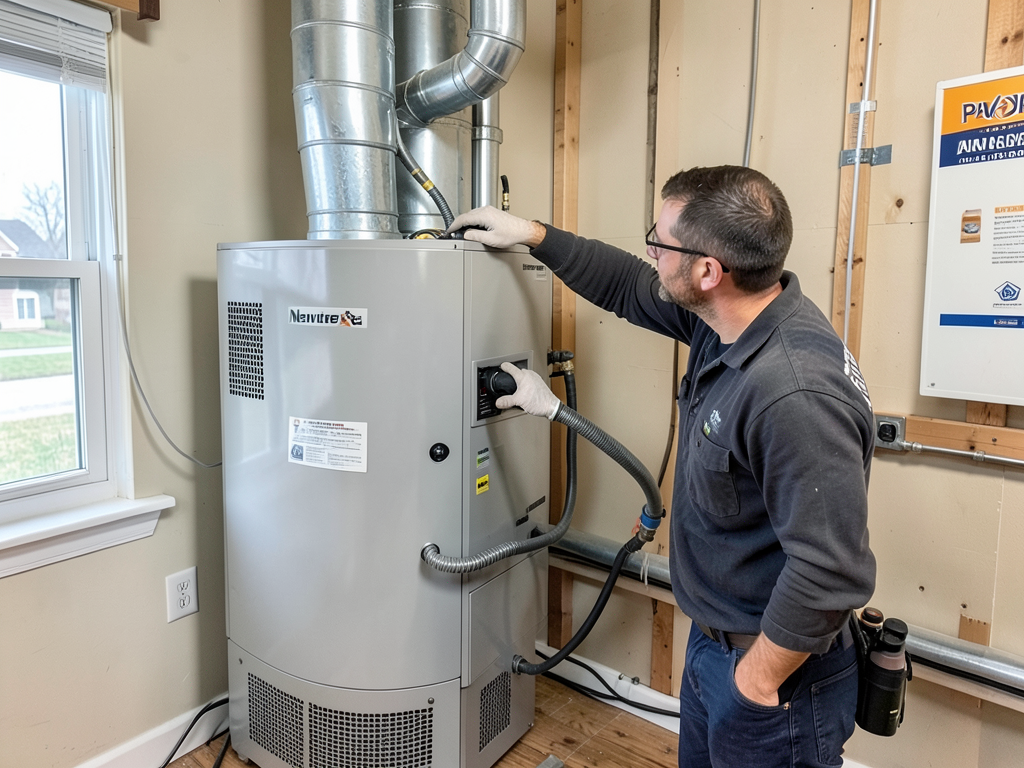
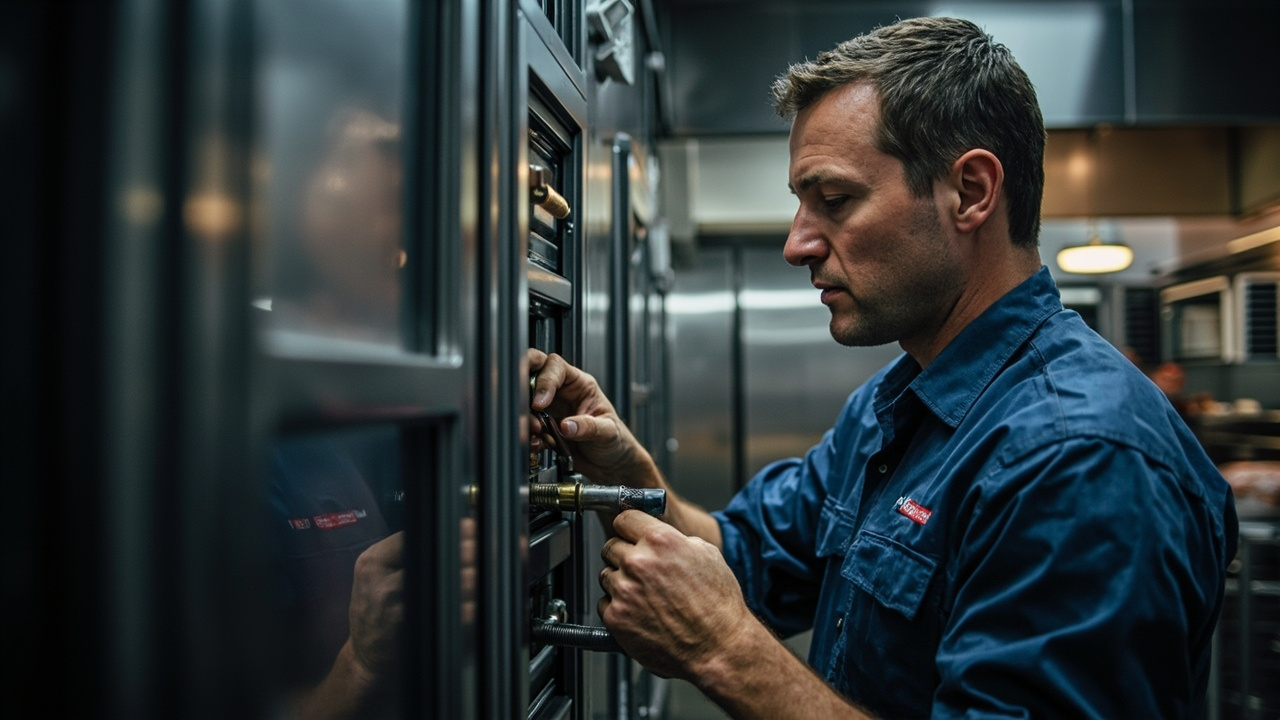
Commercial refrigeration repair starts with accurate diagnostics, not guesswork. We use manifold gauge sets to measure suction and discharge pressures across all refrigerant circuits, identifying undercharge conditions, restriction points, or compressor valve failures that other contractors miss.

Digital thermometers measure supply and return air temperatures at multiple points within the refrigerated space. Temperature stratification indicates airflow problems or failed evaporator fans. Differential readings between inlet and outlet air streams reveal heat exchange efficiency and identify coil fouling before it causes system failure.

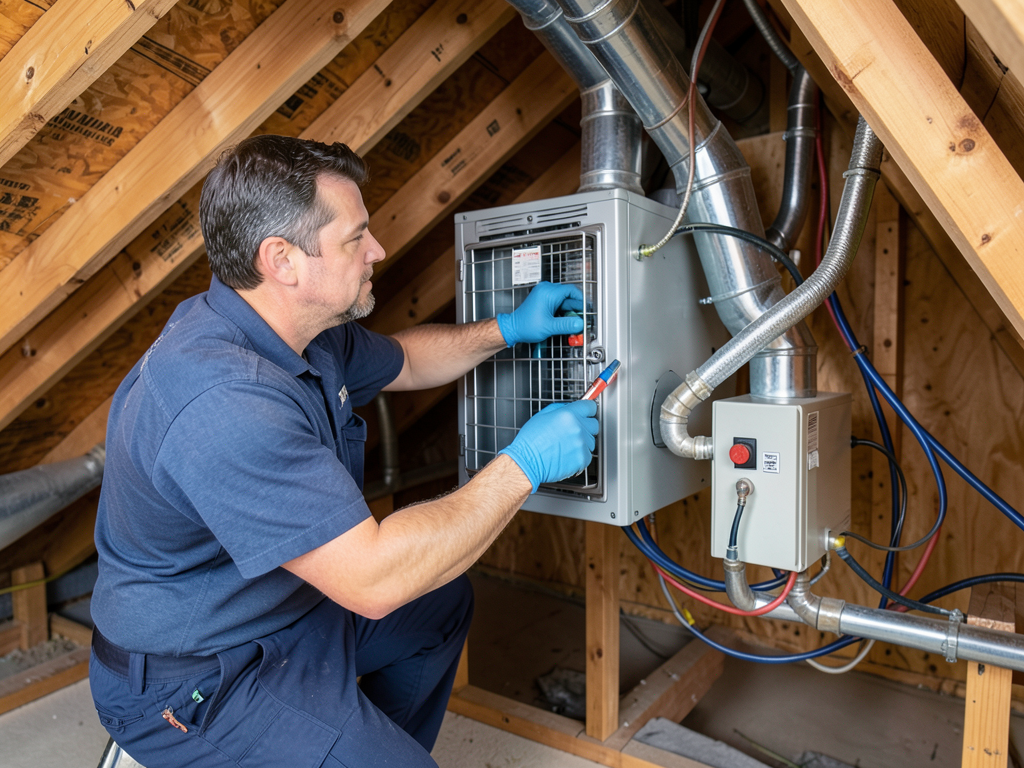
We inspect electrical components under load conditions using clamp meters to measure amperage draw on compressor motors, condenser fan motors, and evaporator fan motors. Amperage readings outside nameplate specifications signal mechanical binding, failing start capacitors, or worn bearings that will cause catastrophic failure if left unaddressed.

Refrigerant leak detection uses electronic sensors sensitive to all refrigerant types, including R-404A, R-134a, and newer low-GWP refrigerants. We pressure test circuits with nitrogen to locate leaks in hard-to-access areas like buried linesets or ceiling-mounted evaporators common in Pittsburgh's older commercial buildings.

Control system diagnostics verify defrost cycle timing, temperature setpoint accuracy, and safety switch operation. Many service calls result from control failures rather than mechanical problems. We test defrost termination thermostats, door switches, and high-pressure cutouts to ensure proper system protection.

Commercial refrigeration installation requires load calculations based on actual product volume, door openings per hour, and ambient conditions. Undersized systems run continuously and fail early. Oversized systems short-cycle and cannot maintain proper humidity control. We size equipment correctly the first time, eliminating callbacks and premature replacements.

What Happens During Your Commercial Refrigeration Service Call

Commercial Refrigeration Services in Pittsburgh – Minimize Downtime with Industrial-Grade System Solutions
01

Initial System Assessment

We start by documenting current operating conditions, including cabinet temperatures, refrigerant pressures, and electrical loads. This baseline data identifies immediate problems and establishes performance benchmarks for future service visits. We inspect all accessible components for physical damage, refrigerant oil staining indicating leaks, and signs of thermal stress or overheating that signal impending failures.
02

Component Testing and Repair

After identifying failed components, we source commercial-grade replacement parts that match original equipment specifications. We recover refrigerant using EPA-approved recovery equipment, replace defective components, pressure test the system, pull a deep vacuum to remove moisture and non-condensables, then recharge to manufacturer specifications. All repairs restore system performance to original design parameters, not temporary patches that fail within months.
03

Performance Verification and Documentation

We monitor system operation through complete cooling cycles, verifying proper defrost termination, accurate temperature control, and correct electrical loads. You receive detailed documentation including refrigerant pressures, temperature readings, amperage measurements, and refrigerant quantities added. This data creates a service history that helps predict future maintenance needs and supports warranty claims if component failures recur unexpectedly.

Why Pittsburgh Businesses Choose Apex HVAC for Refrigeration Services

Commercial refrigeration companies serving Pittsburgh must understand local building codes and health department requirements. Allegheny County Health Department regulations mandate specific temperature ranges for different food types, documented temperature monitoring, and rapid response to equipment failures. We provide the documentation your health inspector requires and respond fast enough to prevent product loss during equipment failures.

Pittsburgh's commercial building stock includes everything from new construction in Southside Works to century-old buildings in Lawrenceville. We have experience working within the space constraints and electrical limitations of older buildings while meeting current code requirements. Installing modern refrigeration equipment in buildings with outdated electrical panels requires careful load calculations and often panel upgrades that general contractors overlook.

Strip District food distributors and Oakland medical facilities cannot afford extended downtime. We stock common replacement components for major refrigeration brands, reducing wait times for critical repairs. Our service vehicles carry compressors, fan motors, contactors, and control boards that solve most problems on the first visit.

We understand the operational demands of Pittsburgh's food service industry. Restaurant kitchens in Market Square cannot shut down for days while waiting for parts. Supermarkets in Squirrel Hill lose thousands in spoiled inventory during extended outages. We prioritize emergency calls and provide temporary cooling solutions when immediate repairs are not possible.

Commercial refrigeration maintenance programs reduce emergency service calls by catching problems early. Quarterly inspections include coil cleaning, refrigerant charge verification, electrical connection tightening, and control calibration. These services extend equipment life and reduce energy consumption, typically paying for themselves through avoided emergency repairs and lower utility bills. Preventive maintenance keeps your systems compliant with health department temperature monitoring requirements and provides documentation for insurance and franchise agreements.

What to Expect from Our Commercial Refrigeration Services

Response Time and Availability

We provide same-day service for emergency refrigeration failures throughout the Pittsburgh metro area. Our dispatch system prioritizes calls based on product risk and business impact. A failed walk-in cooler at a restaurant gets faster response than a malfunctioning ice machine at an office building. We understand that every hour of downtime represents lost revenue and potential health code violations. Standard service calls are scheduled within 48 hours, with specific arrival windows to minimize disruption to your operations. We stock service vehicles with common components to complete most repairs on the first visit, avoiding the delays associated with ordering specialty parts. Emergency calls outside normal business hours incur additional charges, but we maintain on-call availability because refrigeration failures do not wait for convenient timing.

Diagnostic Process and Pricing Transparency

Every service call begins with systematic diagnostics to identify the root cause of system failure. We do not replace components based on guesses. You receive a detailed explanation of the problem, the required repairs, and a fixed price quote before we begin work. Our pricing includes labor, materials, refrigerant, and disposal fees with no hidden charges. If diagnostics reveal multiple problems, we prioritize repairs based on business impact and system safety. You decide which repairs to authorize immediately and which can wait for scheduled maintenance windows. We explain the consequences of deferring repairs so you can make informed decisions about equipment investment versus replacement. Complex repairs requiring specialized equipment or extended downtime are scheduled during your slowest business periods to minimize revenue impact.

Quality Standards and System Performance

Commercial refrigeration installation and repair work meets manufacturer specifications and EPA refrigerant handling regulations. We use calibrated test equipment to verify proper system operation before completing any service call. Temperature accuracy within refrigerated spaces must meet health code requirements, typically plus or minus two degrees of setpoint. Refrigerant charges are measured by weight, not guessed by pressure readings, ensuring optimal system efficiency and longevity. All electrical connections are torqued to specification and verified under load to prevent future failures. We photograph completed installations and major repairs for your records and warranty documentation. Systems are monitored through multiple cooling cycles to verify stable operation and proper defrost termination before we leave your facility. You receive performance data including operating pressures, temperatures, and electrical loads for future service reference.

Preventive Maintenance and Service Agreements

Scheduled commercial refrigeration maintenance reduces emergency failures and extends equipment life. Quarterly service visits include condenser coil cleaning, evaporator inspection, refrigerant charge verification, electrical connection tightening, and control calibration. We document system performance trends to predict component failures before they cause downtime. Maintenance agreement customers receive priority scheduling for emergency calls and discounted repair labor rates. Service agreements include detailed inspection reports with photographs documenting equipment condition and recommended repairs. This documentation satisfies health department requirements and provides evidence of proper maintenance for insurance claims and equipment warranties. We track service history and component replacements to help you plan capital equipment budgets and identify systems approaching end of useful life. Preventive maintenance typically reduces annual repair costs by preventing catastrophic failures that damage multiple components simultaneously.

Frequently Asked Questions

You Have Questions,
We Have Answers

What is a commercial refrigeration technician? +

A commercial refrigeration technician installs, maintains, and repairs refrigeration systems used in restaurants, grocery stores, warehouses, and other commercial facilities. These professionals diagnose compressor failures, refrigerant leaks, and temperature control issues. They work with walk-in coolers, freezers, display cases, and ice machines. In Pittsburgh, technicians must handle equipment exposed to high humidity and temperature swings that stress compressor components. They perform EPA-certified refrigerant recovery, troubleshoot electronic controls, and replace condensers and evaporators. Commercial techs also ensure compliance with health department codes. This specialized trade requires certification and knowledge of complex refrigeration systems far beyond residential units.

What is considered a commercial refrigerator? +

A commercial refrigerator is any refrigeration unit used in business operations, not residential homes. This includes walk-in coolers and freezers, reach-in refrigerators, display cases, prep tables with refrigerated drawers, and blast chillers. Commercial units run continuously under heavy use, feature reinforced components, and use industrial-grade compressors. They maintain precise temperatures required by health codes. Pittsburgh restaurants and food distributors rely on these systems to prevent spoilage and meet safety standards. Commercial refrigerators differ from residential models in capacity, durability, and regulatory requirements. They are designed for high-volume storage and frequent door openings, which makes them critical to business continuity and liability management.

What are the 4 types of refrigeration? +

The four main types of refrigeration systems are vapor compression, absorption, thermoelectric, and gas cycle. Vapor compression is most common in commercial applications, using a compressor to circulate refrigerant through evaporators and condensers. Absorption systems use heat sources rather than compressors, making them ideal for facilities with waste heat. Thermoelectric systems use the Peltier effect for small-scale cooling. Gas cycle systems use air or other gases. Pittsburgh commercial facilities overwhelmingly use vapor compression for reliability and efficiency. Each system has specific applications based on cooling load, energy availability, and operational requirements. Understanding these differences helps businesses select appropriate equipment for their operational needs.

How often should commercial fridges be serviced? +

Commercial refrigerators require professional maintenance every three to six months, depending on usage intensity and environment. High-volume operations like Pittsburgh restaurants and grocery stores need quarterly inspections to prevent downtime. Maintenance includes cleaning condenser coils, checking refrigerant levels, testing door gaskets, calibrating thermostats, and inspecting electrical connections. Pittsburgh's humid climate accelerates coil fouling, which reduces efficiency and increases compressor strain. Neglected maintenance leads to energy waste, food spoilage, and costly emergency repairs. Health department violations can shut down operations. Scheduled maintenance extends equipment life, reduces operating costs, and prevents failures during peak business hours. Document all service visits to maintain warranty coverage and demonstrate regulatory compliance.

What is the highest paid technician? +

Commercial refrigeration technicians and industrial HVAC technicians rank among the highest paid in the trades, often earning more than residential counterparts. Specialized skills in complex systems, EPA certifications, and emergency availability drive compensation. In Pittsburgh, experienced commercial refrigeration techs working on large-scale systems can command premium wages. Industrial maintenance technicians in manufacturing plants and facilities engineers also earn top tier rates. Elevator technicians and power line workers frequently rank highest overall. Pay depends on certifications, experience, and willingness to handle emergency calls. The shortage of qualified commercial refrigeration technicians in Pittsburgh has increased demand and wages. Specialized knowledge of ammonia systems or industrial chillers commands additional premiums.

What pays better, commercial or residential HVAC? +

Commercial HVAC and refrigeration consistently pay better than residential work. Commercial technicians work on larger, more complex systems requiring advanced troubleshooting skills and multiple certifications. Projects involve higher liability, stricter codes, and business continuity pressure. Pittsburgh commercial clients pay premium rates because downtime directly impacts revenue. Commercial jobs often include prevailing wage requirements on government contracts. Technicians handle rooftop units, chillers, boiler systems, and building automation controls. Residential work involves smaller systems and lower service rates. Commercial techs also benefit from steadier year-round work since businesses maintain climate control regardless of season. The skill gap and responsibility level justify 20 to 40 percent higher compensation in commercial sectors.

Is commercial refrigeration HVAC? +

Commercial refrigeration overlaps with HVAC but constitutes a distinct specialty. Both fields involve heat transfer, refrigerant systems, and climate control, but refrigeration focuses specifically on cooling and freezing for preservation. HVAC addresses broader environmental comfort through heating, cooling, and ventilation. Many commercial refrigeration technicians cross-train in HVAC since the mechanical principles align. In Pittsburgh, commercial facilities often need both services, which is why many contractors offer integrated solutions. Refrigeration systems typically operate at lower temperatures and higher pressures than standard air conditioning. The EPA certification process differs slightly. While related, refrigeration demands specialized knowledge of food safety codes, walk-in systems, and commercial compressor racks that pure HVAC work does not require.

How do the Amish keep their food cold? +

This question falls outside commercial refrigeration service scope for Pittsburgh businesses. Amish communities typically use icehouses, springhouses, or propane-powered refrigerators that do not require electricity. Some use gas absorption refrigerators. However, this information does not apply to commercial operations in Pittsburgh, which must comply with health department regulations requiring mechanical refrigeration with documented temperature monitoring. Commercial food service and storage facilities cannot rely on passive cooling methods. If you operate a commercial kitchen, warehouse, or retail food business in Pittsburgh, you need code-compliant refrigeration systems with backup power considerations. Focus on reliable commercial equipment that meets regulatory standards and protects your inventory investment.

What is the average life of a commercial refrigerator? +

A commercial refrigerator typically lasts 10 to 15 years with proper maintenance, though high-use environments may see shorter lifespans. Walk-in coolers with quality components can reach 15 to 20 years. Pittsburgh's humidity and temperature fluctuations stress compressors and coils, potentially reducing longevity without preventive care. Reach-in units in busy kitchens may need replacement after 10 years due to constant door openings and heavy loads. Service history directly impacts lifespan. Units with quarterly maintenance last significantly longer than neglected equipment. Component quality matters. Budget units fail sooner than commercial-grade systems. Plan capital expenditures around this timeline. Early replacement prevents emergency failures during peak business periods and allows for energy-efficient upgrades.

What are type 3 refrigerants? +

Type 3 refrigerants are low-pressure refrigerants like R-11 used in centrifugal chillers and some older commercial systems. The EPA categorizes refrigerants by pressure for certification purposes. Type I covers small appliances, Type II covers high-pressure refrigerants like R-22 and R-410A, and Type III covers low-pressure refrigerants. Pittsburgh commercial facilities with large chiller systems may still have Type III equipment, though many have transitioned to newer refrigerants due to phase-outs. Technicians need specific EPA Section 608 certification to handle Type III systems. These refrigerants operate below atmospheric pressure, which creates unique service challenges. Modern commercial refrigeration increasingly uses Type II refrigerants or newer blends with lower environmental impact.

How Pittsburgh's Food Industry Creates Unique Refrigeration Demands

Pittsburgh's position as a regional food distribution hub concentrates refrigeration demands in the Strip District and industrial corridors. Warehouse-scale refrigeration systems serving food distributors operate continuously under heavy loads, moving product from refrigerated trucks to cold storage to delivery vehicles. These high-cycle operations accelerate compressor wear and require more frequent commercial refrigeration maintenance than typical retail installations. Evaporator coils in these facilities accumulate frost quickly due to frequent door openings and warm product loading, requiring properly sized defrost systems and careful defrost cycle timing to prevent ice buildup that blocks airflow and causes temperature excursions violating food safety standards.

Commercial refrigeration contractors working in Pittsburgh must understand Allegheny County Health Department inspection protocols and documentation requirements. Health inspectors verify temperature monitoring systems, review maintenance logs, and check for proper food storage practices during routine inspections. Equipment failures that cause temperature excursions require immediate documentation and corrective action to avoid citations or temporary closure orders. We provide the detailed service records and rapid emergency response that keeps your facility compliant with health department standards. Our familiarity with local inspection requirements and relationships with health department officials help resolve compliance issues quickly when equipment problems create documentation gaps or temperature control concerns.
HVAC Services in The Pittsburgh Area

We are proud to serve the community and its surrounding areas, providing superior heating and cooling services where they are needed most. Whether you’re a residential homeowner or a business owner, you can find our location on the map below. We are committed to being easily accessible and ready to respond quickly, ensuring that professional and reliable HVAC help is always just a call away.

Address:
Apex HVAC Pittsburgh, 450 Melwood Ave, Pittsburgh, PA, 15213

Additional Services We Offer

Our news updates

Latest Articles & News from The Blogs

Your Brighton Heights air conditioner should run in steady cooling cycles, not shut off and start again every few minutes.…

Why Your Brighton Heights AC Keeps Turning Off and On Every Five Minutes

Your Brighton Heights air conditioner should run in steady cooling cycles, not shut off and start again every few minutes.…

Does Your HVAC System Actually Help with Radon Mitigation in Marshall Township

Does Your HVAC System Actually Help with Radon Mitigation in Marshall Township Your HVAC system is designed to heat and…

Stylish Ways to Cover Ugly Radiators in Your Historic Friendship House

Stylish Ways to Cover Ugly Radiators in Your Historic Friendship House \n\n Living in Friendship means embracing the charm of…

Contact Us

Commercial refrigeration failures cost you inventory, revenue, and compliance status. Call Apex HVAC Pittsburgh at (412) 387-0477 for immediate service or to schedule a preventive maintenance evaluation. We respond fast and fix it right.