menu

Storm Damage HVAC Repair in Pittsburgh – Emergency Response Within 60 Minutes

When severe weather damages your heating or cooling system, every minute without climate control puts your property at risk. Apex HVAC Pittsburgh deploys certified technicians 24/7 for immediate storm damage HVAC repair across Allegheny County.

Slider Image 1
Slider Image 2
Slider Image 3
Slider Image 4
Slider Image 5
Slider Image 7
Slider Image 8
Slider Image 9
Slider Image 10
Slider Image 11

Pittsburgh Storm Patterns Create Unique HVAC Vulnerabilities

The confluence of three rivers creates microclimates across Pittsburgh that intensify storm damage to HVAC systems. When thunderstorms roll through the Ohio Valley, wind shear concentrates along elevation changes from Mount Washington to the North Hills, throwing debris directly into condensers and air handlers.

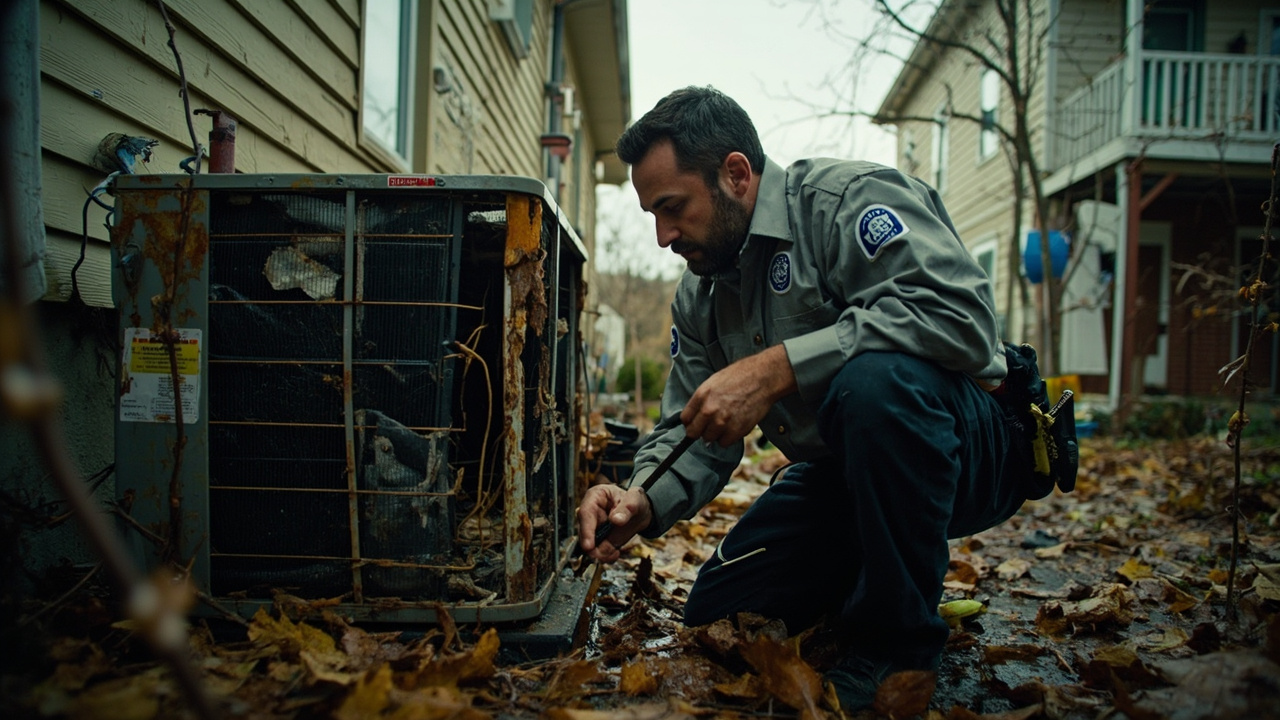
Your outdoor AC unit sits exposed while 60 mph gusts hurl branches, shingles, and lawn furniture into refrigerant lines and compressor housings. A single impact can puncture copper tubing and release R-410A refrigerant, leaving you without cooling during humid August nights when temperatures inside climb past 85 degrees.

Flooding presents a different threat. Pittsburgh's clay-heavy soil creates drainage problems in neighborhoods like Squirrel Hill and Shadyside. When storm sewers back up, condensate drains reverse flow and push contaminated water into your air handler's drain pan. That stagnant water breeds mold colonies within 48 hours, circulating spores through every duct in your home.

Lightning strikes don't need a direct hit to destroy your system. A strike within 500 feet sends voltage surges through your electrical panel, frying circuit boards in your thermostat, contactor, and capacitor. The compressor might run, but the damaged control board prevents proper cycling, causing short cycling that wastes energy and accelerates wear.

Emergency HVAC storm repair requires immediate assessment before secondary damage spreads. A cracked condensate line leaks water onto floor joists. Exposed wiring corrodes. A damaged outdoor disconnect box becomes a fire hazard. Apex HVAC Pittsburgh responds to storm damaged AC unit repair calls across the greater Pittsburgh metro within one hour, containing damage before minor impacts become total system failures.

Pittsburgh Storm Patterns Create Unique HVAC Vulnerabilities
How We Stabilize and Restore Storm-Damaged Systems

How We Stabilize and Restore Storm-Damaged Systems

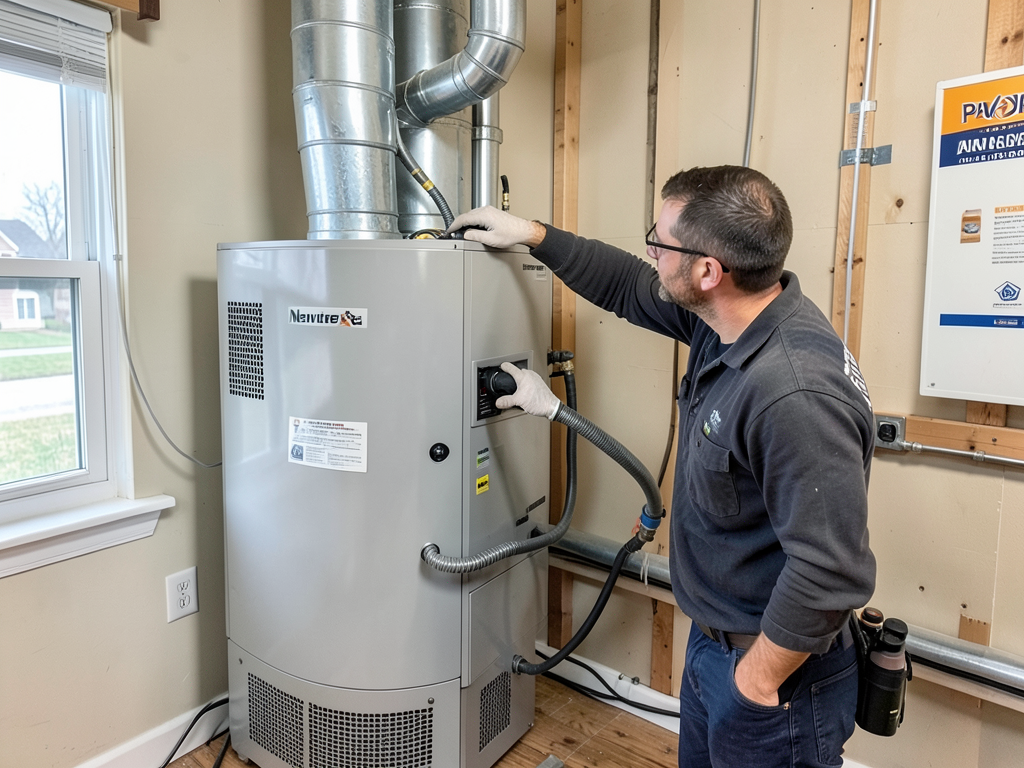
HVAC storm restoration services start with system safety, not cosmetic repairs. When our technician arrives, the first step is disconnecting power at the breaker and the outdoor disconnect to eliminate electrocution risk from compromised wiring or water infiltration in electrical components.

We perform a refrigerant pressure test on both the high-side and low-side lines. A pressure drop indicates a leak from impact damage. We use nitrogen to pressurize the system and electronic leak detectors to pinpoint the exact breach point in the line set, whether it's at the condenser coil, service valves, or along the copper runs between units.

The compressor gets a megohm resistance test to check for electrical shorts in the windings. Storm damage often compromises the compressor's internal insulation. A reading below one megohm means the compressor is grounded and must be replaced to prevent breaker trips and potential motor burnout.

We inspect the air handler cabinet for water intrusion. A flooded drain pan means we need to check the evaporator coil for damage and verify the condensate pump hasn't seized. We pull the blower assembly to inspect the motor bearings and wheel for debris that entered through damaged ductwork or a compromised cabinet.

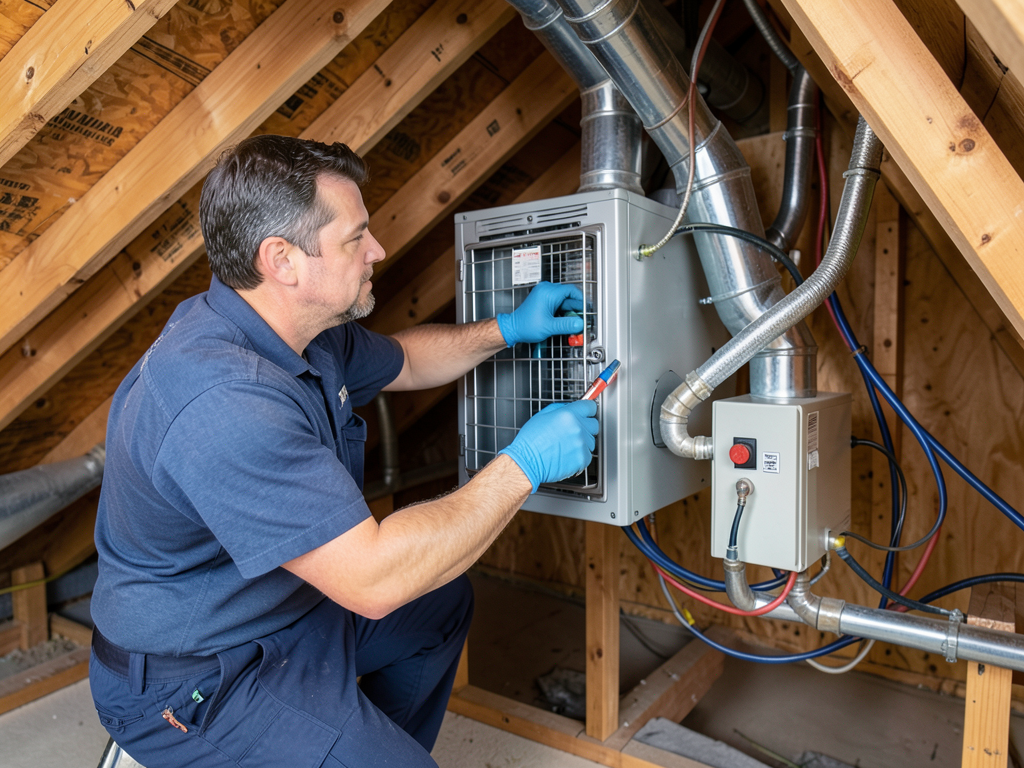
Ductwork receives a visual and pressure inspection. Tree limbs that puncture flex duct in your attic create negative pressure imbalances that reduce airflow to certain rooms and force your system to work harder. We seal breaches with mastic and replace crushed sections to restore proper air distribution.

The outdoor condensing unit undergoes fin straightening if hail or debris bent the aluminum fins on the condenser coil. Bent fins restrict airflow and reduce heat transfer efficiency by up to 30 percent. We use fin combs matched to the fin spacing, typically 14 to 16 fins per inch on residential units.

Once repairs are complete, we pull a vacuum on the refrigerant system to remove moisture and air, then recharge to manufacturer specifications based on subcooling or superheat measurements. This ensures your system operates at peak efficiency and prevents compressor damage from improper refrigerant charge.

What Happens During Your Emergency Storm Damage Call

Storm Damage HVAC Repair in Pittsburgh – Emergency Response Within 60 Minutes
01

Immediate Safety Assessment

Our technician kills power to your HVAC system and inspects for electrical hazards, gas line damage, and refrigerant leaks. We document visible damage with photos for your insurance claim and identify whether your system needs repair or replacement. You receive a verbal assessment within 15 minutes of our arrival, explaining exactly what failed and why.
02

Component Testing and Repair

We test each electrical component with multimeters and amp clamps to verify continuity and proper current draw. Damaged contactors, capacitors, and transformers get replaced immediately. We repair refrigerant leaks, replace crushed line sets, and straighten condenser fins. If parts need ordering, we implement temporary climate control solutions to keep you comfortable during the repair window.
03

System Restoration and Testing

After repairs, we restore refrigerant charge, verify proper airflow across the evaporator coil, and test system cycling under load. We measure supply and return air temperatures to confirm your system achieves the correct temperature split. You receive a detailed repair report documenting all replaced components, refrigerant added, and system performance metrics for your insurance adjuster.

Why Pittsburgh Residents Call Apex HVAC for Storm Emergencies

Storm damage creates a backlog of service calls across Pittsburgh. National chains dispatch techs from outside Allegheny County who arrive four to six hours after you call. By then, water damage has spread through your ductwork, and humidity has climbed to levels that warp hardwood floors and promote mold growth.

Apex HVAC Pittsburgh stations trucks in neighborhoods from Lawrenceville to Moon Township. When storms hit, we're already in your area, cutting response time to under 60 minutes for heating and cooling storm damage repair. Our techs know which Pittsburgh neighborhoods flood first during heavy rain, which elevation zones get hit hardest by wind, and which local suppliers stock emergency parts when distributors close.

We work directly with insurance adjusters from Erie Insurance, Nationwide, and State Farm who handle claims across Western Pennsylvania. We document damage with detailed photos showing impact points, failed components, and serial numbers. Our repair estimates include line-item breakdowns that align with Xactimate pricing databases, eliminating the back-and-forth delays that extend your claim processing by weeks.

Pittsburgh's building codes require specific installations for HVAC systems in flood-prone zones and historic districts. Our technicians understand the Allegheny County building department's requirements for elevated condensers in floodplains and the Pittsburgh Historic Review Commission's guidelines for exterior equipment placement in neighborhoods like Mexican War Streets and Deutschtown.

We stock parts for the HVAC brands most common in Pittsburgh homes built between 1920 and 2024. That means we carry capacitors for older Carrier units in Shadyside bungalows and control boards for newer Lennox systems in North Hills subdivisions. When a storm damages your system at 9 p.m. on Saturday, we complete the fix that night instead of ordering parts for Monday delivery.

You need someone who can fix storm damaged HVAC systems correctly the first time, not a service call that turns into three visits and a week without air conditioning. We fix it now, we fix it right, and we get you back to normal while other companies are still answering their phones.

What You Get When You Call for Emergency Storm Repair

One-Hour Emergency Response Time

We answer calls 24/7, and a live technician responds, not an answering service. You speak directly with someone who can deploy a truck to your location. Our average response time across Pittsburgh is 45 minutes from your call to a technician at your door. During severe weather events, we prioritize calls based on safety risks like gas line damage, electrical hazards, and complete system failures in homes with vulnerable residents. You receive a text message with your technician's name, photo, and estimated arrival time within 10 minutes of calling.

Complete Damage Documentation for Insurance

Our technicians photograph all damage from multiple angles, noting serial numbers, model numbers, and manufacturing dates on damaged components. We provide a written assessment that explains what failed, what caused the failure, and whether the damage resulted from the storm event or pre-existing wear. This documentation satisfies insurance company requirements for proof of loss. We email you a PDF report within two hours of completing the inspection, giving you everything needed to file your claim the same day.

Repairs That Restore Full Efficiency

We don't patch damaged systems and hope they limp along. Storm repairs meet the same standards as new installations. We replace damaged refrigerant lines with properly sized copper tubing, braze connections with nitrogen purge to prevent oxidation, and pull a 500-micron vacuum before recharging. Electrical repairs use manufacturer-specified components, not universal parts that fail in six months. We measure airflow, temperature split, and refrigerant pressures to verify your system operates within factory specifications. You get performance data showing your system works as well as it did before the storm.

Follow-Up Inspections After Repairs

Storm damage can reveal problems that don't appear until the system runs under load for several days. We schedule a follow-up inspection seven days after emergency repairs to verify all components are functioning correctly and no secondary issues have developed. This includes checking refrigerant pressures, measuring amperage draw on the compressor and blower motor, and inspecting drain lines for proper flow. If we find any issues related to the original storm damage, we address them at no additional charge. You receive a final report confirming your system is fully restored and ready for reliable operation.

Frequently Asked Questions

You Have Questions,
We Have Answers

What is the $5000 rule for HVAC? +

The $5000 rule is a guideline for deciding repair versus replacement. Add your system's age to the repair cost. If the total exceeds $5000, replacement makes more financial sense. For example, a 12-year-old furnace needing $2000 in storm repairs equals $14000, meaning replacement is smarter. Pittsburgh's harsh winters and humid summers accelerate HVAC wear, making this calculation critical after storm damage. Your unit may look repairable, but compounding damage from wind-blown debris or hail can shorten lifespan. Get an honest assessment fast to avoid throwing money at a failing system.

Does insurance cover HVAC damage? +

Yes, homeowners insurance typically covers HVAC damage from sudden, external events like falling trees, wind-blown debris, or lightning strikes. Standard policies do not cover wear-and-tear or flooding without separate flood coverage. After storm damage in Pittsburgh, document everything with photos and call your insurer immediately. Adjusters look for direct impact evidence. Keep repair estimates and damaged parts. Some policies require you to mitigate further damage, so temporary tarping or system shutdown may be necessary. Your insurance should cover refrigerant line repairs, condenser replacement, or ductwork damage caused by the storm event itself.

What is the 3 minute rule for AC? +

The 3-minute rule prevents compressor damage after system shutdown. Wait at least three minutes before restarting your AC unit. This delay allows refrigerant pressure to equalize between the high and low sides of the system. Restarting too quickly forces the compressor to work against unbalanced pressure, causing mechanical failure. After storm-related power outages in Pittsburgh, resist the urge to immediately flip your AC back on. Let the system rest. If your unit trips the breaker repeatedly or won't start after waiting, you likely have storm damage requiring professional diagnosis before further operation attempts.

How much does it cost to fix an HVAC system? +

Storm-related HVAC repairs in Pittsburgh range widely based on damage severity. Minor fixes like replacing electrical disconnect boxes or straightening fins run lower. Compressor replacement, refrigerant line repair, or condenser unit replacement costs significantly more. Ductwork damage from fallen branches or roof impacts adds complexity. We cannot quote costs without assessing your specific damage, but expect insurance to cover storm-caused repairs after your deductible. Emergency service costs more than scheduled repairs, but waiting risks secondary damage from moisture infiltration or exposed electrical components. Get a detailed inspection immediately to understand your true repair scope and costs.

How Pittsburgh's Terrain Amplifies HVAC Storm Damage Risk

Pittsburgh sits in a valley where the Allegheny and Monongahela rivers meet to form the Ohio, creating wind tunnel effects that accelerate storm speeds through the Golden Triangle and up the slopes of Mount Washington. When thunderstorms track along the Ohio River Valley, wind speeds increase by 15 to 20 mph as they funnel through the city's steep hillsides. Outdoor HVAC units in exposed locations like Grandview Avenue and the bluffs above the South Side take direct hits from debris traveling at highway speeds. The same terrain that makes Pittsburgh's views spectacular also makes your condensing unit a target during severe weather. Emergency HVAC storm repair calls spike within hours of storms because elevated neighborhoods experience wind damage first, followed by flooding in low-lying areas like Etna and Millvale when stormwater overwhelms the region's aging combined sewer system.

Allegheny County requires HVAC installations to meet specific wind load and flood zone requirements that many out-of-town contractors overlook during storm repairs. A condensing unit installed below the base flood elevation in Sharpsburg needs elevation on a concrete pad or platform. Systems in historic districts require approval for exterior equipment placement to maintain the neighborhood's architectural character. Apex HVAC Pittsburgh knows these local codes because we pull permits and work with city inspectors daily. When we complete storm damage repairs, the work passes inspection the first time, protecting your home's resale value and keeping you compliant with local ordinances. That local knowledge matters when you need HVAC storm restoration services that meet Pittsburgh's unique requirements.
HVAC Services in The Pittsburgh Area

We are proud to serve the community and its surrounding areas, providing superior heating and cooling services where they are needed most. Whether you’re a residential homeowner or a business owner, you can find our location on the map below. We are committed to being easily accessible and ready to respond quickly, ensuring that professional and reliable HVAC help is always just a call away.

Address:
Apex HVAC Pittsburgh, 450 Melwood Ave, Pittsburgh, PA, 15213

Additional Services We Offer

Our news updates

Latest Articles & News from The Blogs

Your Brighton Heights air conditioner should run in steady cooling cycles, not shut off and start again every few minutes.…

Why Your Brighton Heights AC Keeps Turning Off and On Every Five Minutes

Your Brighton Heights air conditioner should run in steady cooling cycles, not shut off and start again every few minutes.…

Does Your HVAC System Actually Help with Radon Mitigation in Marshall Township

Does Your HVAC System Actually Help with Radon Mitigation in Marshall Township Your HVAC system is designed to heat and…

Stylish Ways to Cover Ugly Radiators in Your Historic Friendship House

Stylish Ways to Cover Ugly Radiators in Your Historic Friendship House \n\n Living in Friendship means embracing the charm of…

Contact Us

Your HVAC system won't fix itself, and delays turn minor damage into major failures. Call (412) 387-0477 right now to dispatch a technician to your Pittsburgh location. We're answering phones and responding to emergencies 24 hours a day.