menu

Weird Smells from Vents in Pittsburgh – Expert Diagnosis and Permanent Odor Elimination

If strange odors from air ducts are disrupting your home comfort, you need more than masking sprays. Apex HVAC Pittsburgh provides complete system inspections to identify the root cause of weird smells from vents and eliminate them for good.

Slider Image 1
Slider Image 2
Slider Image 3
Slider Image 4
Slider Image 5
Slider Image 7
Slider Image 8
Slider Image 9
Slider Image 10
Slider Image 11

Why Pittsburgh Homes Experience Strange Odors from Air Ducts

You flip on your furnace for the first time in months, and suddenly your living room smells like burning dust, mildew, or something worse. You are not imagining it. Pittsburgh's unique climate creates the perfect conditions for bad smells coming from vents.

Our region experiences dramatic seasonal shifts. Hot, humid summers followed by cold, damp winters create condensation inside ductwork. That moisture becomes a breeding ground for mold, mildew, and bacterial growth. When your system sits idle between seasons, organic debris, dust, and even pest droppings accumulate inside the air handler and ducts. The moment you fire up the system again, those contaminants get heated or cooled and circulated throughout your home.

Pittsburgh's industrial history also leaves behind particulate matter that settles into HVAC systems over time. Older homes in neighborhoods like Lawrenceville, Squirrel Hill, and Shadyside often have decades-old ductwork that has never been professionally cleaned. Add in the region's high pollen counts from surrounding forests and you have a recipe for foul air conditioner odors and funny smells from heating systems.

The problem gets worse when filters go unchanged. A clogged filter forces your system to work harder, which can overheat components and create a burning smell. Dirty evaporator coils develop biological growth that produces a musty, gym-sock odor. If you smell rotten eggs, you could have a gas leak or a dead animal in the ductwork. Each odd smell from your HVAC system tells a different story, and ignoring it risks your health and your equipment.

Why Pittsburgh Homes Experience Strange Odors from Air Ducts
How We Identify and Eliminate Foul HVAC System Odors

How We Identify and Eliminate Foul HVAC System Odors

Masking the smell with air fresheners does nothing to solve the underlying problem. Apex HVAC Pittsburgh uses a systematic diagnostic approach to trace the source of weird smells from vents and eliminate them permanently.

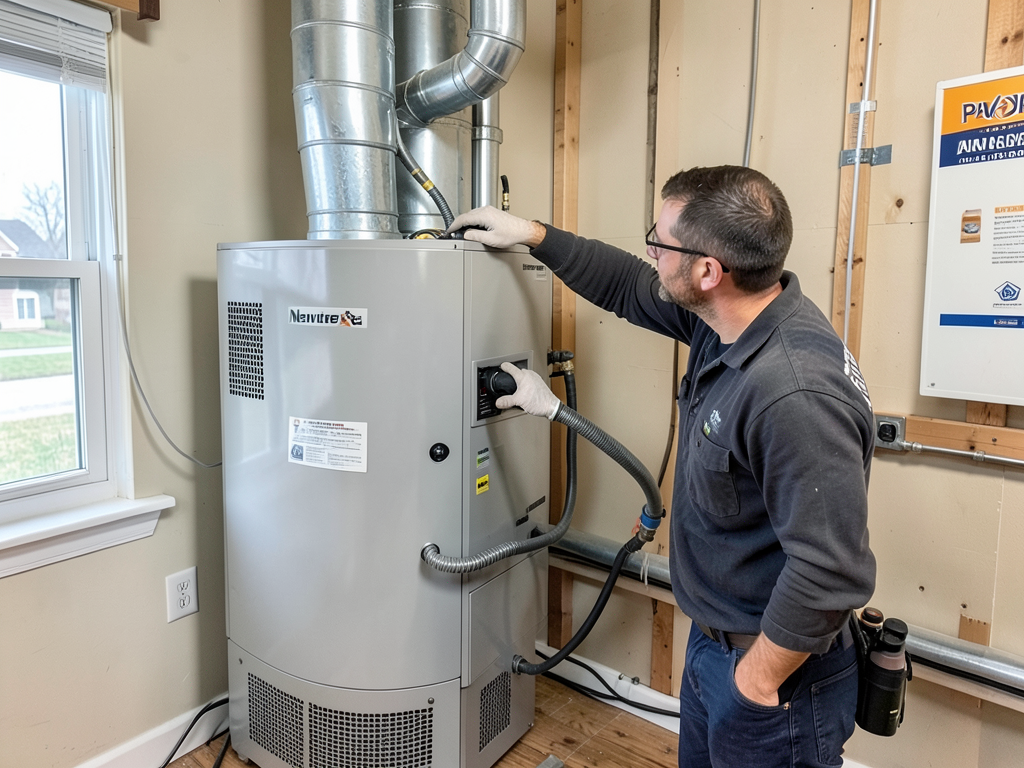
We start with a complete system inspection. Our technicians check the air handler, evaporator coil, condensate drain pan, blower motor, and heat exchanger. We inspect ductwork for signs of moisture intrusion, biological growth, or pest activity. We examine the filter housing and plenum for debris accumulation. Each component gets scrutinized because odor sources vary widely.

If we detect a musty smell, we test for mold and mildew on the evaporator coil and in the drain pan. Biological growth thrives in dark, moist environments, and your indoor coil provides exactly that. We use antimicrobial treatments to kill spores and prevent regrowth. If the condensate drain line is clogged, we clear it with pressurized air or specialized tools to restore proper drainage.

Burning smells require a different approach. We inspect electrical connections, capacitors, and the blower motor for signs of overheating. We check the heat exchanger for cracks, which can allow combustion gases to enter your airstream. This is a serious safety issue that demands immediate attention.

For persistent odors, we recommend professional duct cleaning. Standard vacuuming does not reach deep into the system. We use rotary brushes, negative air machines, and HEPA filtration to remove years of accumulated dust, dander, and microbial contamination. We seal leaks in the ductwork to prevent future moisture infiltration. The result is clean air and restored system efficiency.

What Happens During an Odor Investigation

Weird Smells from Vents in Pittsburgh – Expert Diagnosis and Permanent Odor Elimination
01

Initial System Assessment

Our technician arrives and asks detailed questions about when the smell occurs, what it smells like, and how long it has been present. We power on the system and observe airflow from multiple vents. We check the thermostat settings and inspect the outdoor condenser unit for debris or damage. This initial assessment helps us narrow down the likely cause before we open any panels.
02

Component-Level Inspection

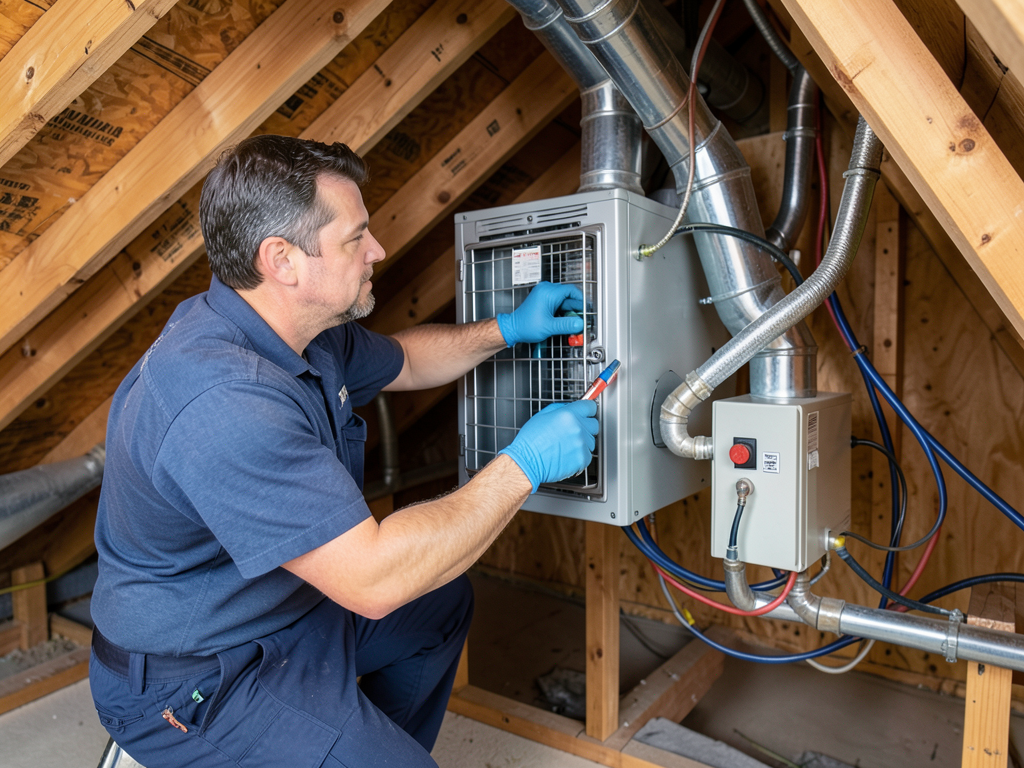
We remove access panels and examine the evaporator coil, blower assembly, and drain pan under direct lighting. We use thermal imaging to detect hot spots that might indicate electrical issues. We inspect the heat exchanger with a video camera if necessary. If ductwork is accessible, we check for visible mold, standing water, or pest entry points. We document every finding with photos.
03

Remediation and Verification

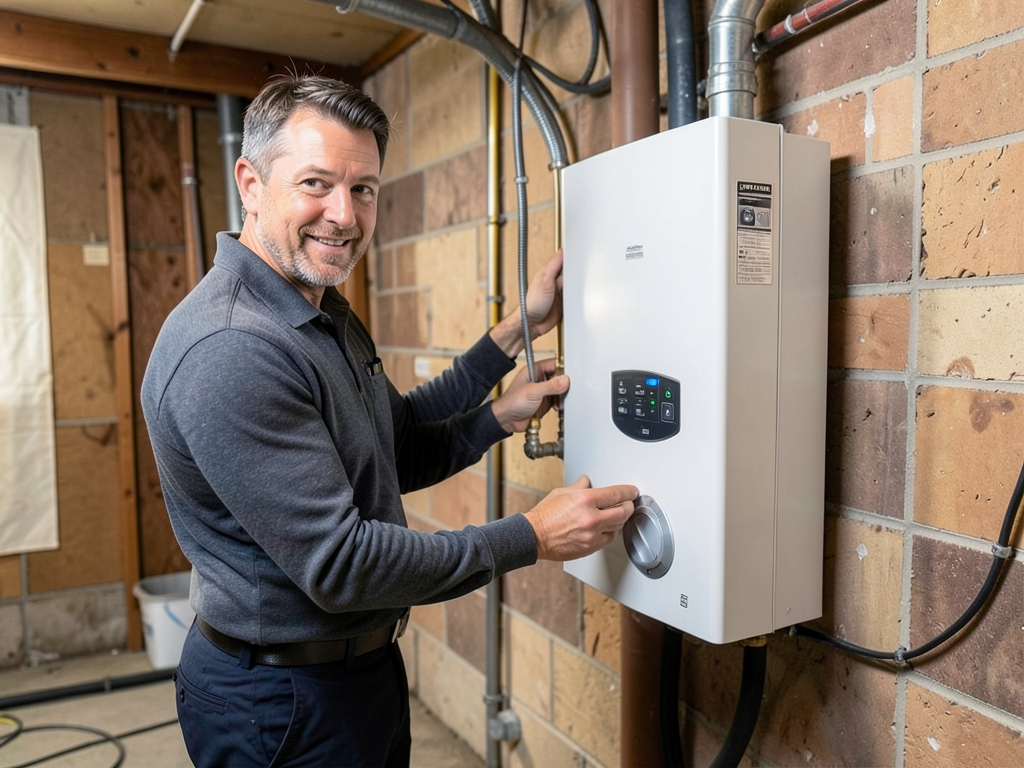
Once we identify the source, we execute the fix. That might mean coil cleaning, drain line clearing, component replacement, or duct sealing. After remediation, we run the system through a full heating and cooling cycle to verify the odor is gone. We replace the air filter, confirm airflow at all registers, and review maintenance recommendations with you before leaving. You get written documentation of the work performed.

Why Pittsburgh Homeowners Trust Apex HVAC for Odor Problems

Weird smells from vents are not a cosmetic issue. They signal underlying problems that can affect your health, your comfort, and your system's lifespan. You need a contractor who understands the specific challenges of Pittsburgh's climate and housing stock.

Apex HVAC Pittsburgh has worked in every neighborhood from the North Hills to the South Side. We know the quirks of older homes with galvanized ductwork and brick foundations that trap moisture. We know how newer construction in places like Cranberry Township can develop mold issues if builders did not seal ductwork properly. We have seen it all, and we know how to fix it.

Our diagnostic process is thorough because guessing costs you money. Some contractors will sell you a duct cleaning without ever identifying the real problem. Others will replace parts that do not need replacing. We take the time to isolate the issue and recommend only the repairs that address the root cause. If your system needs a deep clean, we tell you. If it just needs a new filter and a coil rinse, we tell you that too.

We also understand Pittsburgh's seasonal HVAC demands. You need your furnace working when temperatures drop below freezing in January. You need your air conditioner running when humidity spikes in July. We carry parts on our trucks and schedule service calls to minimize downtime. If we find a serious safety issue like a cracked heat exchanger, we prioritize your family's safety and walk you through your options clearly.

Local expertise matters. National chains do not know the difference between a century-old home in Highland Park and a new build in Wexford. We do. That knowledge translates into faster diagnoses, better solutions, and fewer callbacks.

What to Expect When You Call Apex HVAC Pittsburgh

Fast Response Times

We know strange odors from air ducts can make your home uncomfortable fast. Our scheduling team works to get a technician to your door within 24 hours for non-emergency calls. If you have a suspected gas leak or a burning smell that suggests electrical failure, we treat it as an urgent safety issue and respond immediately. You should never have to live with bad smells or worry about system safety. We keep our service area tight so we can reach every corner of Pittsburgh quickly.

Thorough Diagnostic Process

Our technicians arrive with diagnostic tools including thermal cameras, airflow meters, and inspection scopes. We do not guess. We measure, observe, and test until we identify the exact source of the odor. You receive a clear explanation of what we found, why it happened, and what needs to happen next. We provide upfront pricing before any work begins. If multiple issues exist, we prioritize them based on safety, system performance, and your budget. You make the final call on what gets fixed.

Clean Air Restoration

Once we complete the repair or cleaning, you will notice the difference immediately. Foul air conditioner odors disappear. Airflow improves. Your home smells fresh again. We do not leave until we verify the problem is solved. That means running the system through a complete cycle and checking air quality at multiple vents. We clean up our work area and dispose of any contaminated materials properly. You get peace of mind knowing the job was done right the first time.

Preventive Maintenance Guidance

Preventing future odor problems requires regular maintenance. We provide a written maintenance plan customized to your system and your home's age. That includes filter replacement schedules, coil cleaning intervals, and drain line flushing. We offer maintenance agreements that include annual inspections and priority service. Keeping your system clean prevents the conditions that cause odd smells from HVAC systems in the first place. Regular service also extends equipment life and improves energy efficiency, which saves you money over time.

Frequently Asked Questions

You Have Questions,
We Have Answers

Why do I get a weird smell coming from my vents? +

Weird smells from vents usually signal trapped debris, mold growth, or system malfunctions. Dust buildup on heat exchangers can create burning odors when your furnace kicks on after months of inactivity. Pittsburgh's high humidity levels promote mold and mildew inside ductwork, creating musty smells. Rodents or pests nesting in ducts produce foul odors when trapped or deceased. Gas furnaces with cracked heat exchangers leak combustion gases that smell like rotten eggs. Dead animal smells suggest wildlife entered through gaps in exterior vents. Each odor type points to a specific issue requiring professional inspection to prevent health risks or equipment damage.

What does mold in air vents smell like? +

Mold in air vents smells musty, earthy, or like damp socks left in a dark basement. Pittsburgh's climate creates perfect mold conditions with humid summers and condensation during heating season transitions. You might notice the smell intensifies when your system first turns on, pushing spores through your home. Black mold produces a stronger, more pungent odor than common mildew. The smell often concentrates near return vents where moisture accumulates. If you detect persistent musty odors, schedule duct inspection immediately. Mold spreads quickly in ductwork and compromises indoor air quality, triggering allergies and respiratory issues for your family.

Is strange smell coming from a vent a chemical hazard? +

Some vent smells indicate serious chemical hazards requiring immediate action. A rotten egg odor signals natural gas leaks, which utilities add mercaptan to for detection. Evacuate immediately and call 911 if you smell gas. Sweet, chemical odors suggest refrigerant leaks containing hazardous compounds. Formaldehyde smells like pickle juice and indicates off-gassing from new ductwork or insulation. Burning plastic odors mean electrical components are overheating or melting. Pittsburgh's older homes often have outdated wiring that creates fire risks. Turn off your HVAC system and contact professionals immediately if you smell chemicals, burning materials, or sulfur-like odors coming from vents.

Can smells travel through vents? +

Yes, smells travel easily through vents because your HVAC system circulates air throughout your entire home. Return vents pull air from living spaces, push it through ductwork, condition it, then distribute it through supply vents. This continuous cycle spreads odors from one room to every connected space. Cooking smells, pet odors, and cleaning chemical fumes get pulled into return vents and redistributed. Leaky ductwork in crawl spaces or attics pulls in musty basement air or attic contaminants. Pittsburgh homes with combined heating and cooling systems experience year-round odor circulation. Proper ventilation, air filtration, and sealed ductwork prevent unwanted smells from spreading through your ventilation system.

What does an electrical fire smell like before it starts? +

Electrical fires smell like burning plastic, hot metal, or fishy odors before flames appear. Overheating wiring insulation produces acrid, chemical smells that intensify as temperatures rise. HVAC blower motors with failing bearings create burning rubber odors. Capacitors about to fail smell metallic or like burnt electronics. Pittsburgh's humid climate accelerates electrical corrosion, increasing fire risks in older HVAC systems. You might notice lights flickering or breakers tripping alongside burning smells. Never ignore electrical odors from vents. Shut off your system at the breaker panel immediately and call emergency HVAC service. Electrical fires inside ductwork spread rapidly through forced air systems.

What does HVAC leak smell like? +

HVAC refrigerant leaks smell sweet and chemical-like, similar to chloroform or ether. Modern refrigerants like R-410A are less pungent than older R-22, but still produce detectable odors. You might notice an oily residue near indoor coils or on walls below vents. Refrigerant exposure causes headaches, dizziness, and nausea in confined spaces. Pittsburgh's temperature swings stress refrigerant lines, causing vibration cracks and joint failures. Gas furnace combustion leaks smell like rotten eggs or sulfur, indicating cracked heat exchangers. Both scenarios require immediate professional attention. Never operate your system if you suspect refrigerant or gas leaks, as both create serious health and safety hazards.

What are the 10 warning signs of mold toxicity? +

Mold toxicity warning signs include persistent headaches, fatigue, difficulty concentrating, memory problems, respiratory issues, sinus congestion, skin rashes, joint pain, digestive problems, and unexplained mood changes. Symptoms worsen when spending time indoors and improve when away from home. Pittsburgh's older housing stock with poor ventilation traps mold spores indoors. People with asthma or allergies experience severe reactions to mold in ductwork. Children and elderly family members show symptoms first. If multiple household members develop similar unexplained health issues, inspect your HVAC system for mold contamination. Professional duct cleaning and mold remediation restore healthy indoor air quality and eliminate ongoing exposure.

What is the 3 minute rule for AC? +

The three-minute rule prevents short cycling damage by waiting three minutes between HVAC system shutoffs and restarts. When you turn off your air conditioner, refrigerant pressure needs time to equalize between the high-pressure and low-pressure sides. Restarting too quickly forces the compressor to work against unbalanced pressure, causing strain and premature failure. Modern systems include time-delay relays that enforce this waiting period automatically. Pittsburgh's summer humidity makes homeowners impatient for cooling, but respect the three-minute rule when manually cycling your thermostat. Rapid cycling also wastes energy, increases utility bills, and reduces equipment lifespan significantly.

What are the early signs of black mold in air vents? +

Early black mold signs include visible dark spots around vent grilles, musty odors when the system runs, increased allergy symptoms, and condensation rings on ceilings near vents. You might see dark streaks on walls below supply registers or feel dampness around return vents. Pittsburgh's humid climate and temperature swings create condensation inside ductwork, feeding mold growth. Check for water stains in attics or crawl spaces near ductwork, indicating leaks promoting mold. Dust blowing from vents might contain black specks. If you suspect black mold, get professional duct inspection immediately. Black mold produces mycotoxins that cause serious respiratory problems and neurological issues.

How to get rid of bad smell in air ducts? +

Getting rid of bad duct smells requires professional duct cleaning and source elimination. Technicians use negative pressure systems and rotating brushes to remove debris, dust, and biological growth from ductwork. Replace dirty air filters every three months to prevent odor buildup. Clean return vent grilles monthly with vacuum attachments. Address moisture sources like leaky ductwork, condensation pans, or humidity issues that promote mold. Pittsburgh homes benefit from dehumidifiers during summer months. UV lights installed in ductwork kill mold and bacteria causing odors. Seal crawl space vents to prevent musty air infiltration. Professional inspection identifies hidden problems like dead rodents or disconnected ducts requiring repair.

How Pittsburgh's Humidity and Seasonal Shifts Cause Persistent Vent Odors

Pittsburgh sits at the confluence of three rivers, which means humidity levels stay elevated throughout the year. Summer humidity often exceeds 70 percent, and that moisture infiltrates your ductwork. When your air conditioner runs, the evaporator coil pulls humidity out of the air. If the condensate drain line clogs or the drain pan overflows, water sits inside the air handler and grows mold. Winter condensation happens when warm indoor air meets cold ductwork in uninsulated basements or crawl spaces. The freeze-thaw cycles common in our region also stress duct seams and create gaps where moisture enters. These local conditions make weird smells from vents more common here than in drier climates.

Pittsburgh homeowners understand the value of local expertise. Apex HVAC Pittsburgh has built a reputation by solving problems other contractors miss. We know the building codes that apply to ductwork installation and ventilation. We know which neighborhoods have older homes with inadequate insulation that traps moisture. We know how to navigate tight crawl spaces in Brookline bungalows and access rooftop units on Strip District commercial buildings. When you call us, you get a team that understands your home and your HVAC system inside and out. That local knowledge translates into accurate diagnoses and lasting solutions.
HVAC Services in The Pittsburgh Area

We are proud to serve the community and its surrounding areas, providing superior heating and cooling services where they are needed most. Whether you’re a residential homeowner or a business owner, you can find our location on the map below. We are committed to being easily accessible and ready to respond quickly, ensuring that professional and reliable HVAC help is always just a call away.

Address:
Apex HVAC Pittsburgh, 450 Melwood Ave, Pittsburgh, PA, 15213

Additional Services We Offer

Our news updates

Latest Articles & News from The Blogs

Stylish Ways to Cover Ugly Radiators in Your Historic Friendship House \n\n Living in Friendship means embracing the charm of…

Stylish Ways to Cover Ugly Radiators in Your Historic Friendship House

Stylish Ways to Cover Ugly Radiators in Your Historic Friendship House \n\n Living in Friendship means embracing the charm of…

How to Keep Your Dog or Cat Safe Around the Outdoor AC Unit in Your North Huntington Yard

How to Keep Your Dog or Cat Safe Around the Outdoor AC Unit in Your North Huntington Yard Your outdoor…

Managing Your Mount Washington Short Term Rental Temperature from Anywhere in the World

Managing Your Mount Washington Short Term Rental Temperature from Anywhere in the World \n\n Managing a short-term rental in Mount…

Contact Us

Stop living with foul odors and questionable air quality. Call Apex HVAC Pittsburgh at (412) 387-0477 to schedule a complete system inspection. We will find the source and eliminate it permanently.