Pittsburgh winter temperatures fluctuate dramatically. A week of 15-degree nights is followed by a 50-degree afternoon, then temperatures drop back into the 20s overnight. This freeze-thaw pattern stresses furnaces more than steady cold. The constant cycling causes thermal expansion and contraction in heat exchangers, which accelerates cracking in older systems. Condensate drainage systems freeze, then thaw, then freeze again, leading to clogs that trigger pressure switch failures. Furnaces that run continuously in steady cold climates experience less mechanical stress than Pittsburgh furnaces that cycle on and off repeatedly as outdoor temperatures swing 30 degrees in 12 hours.
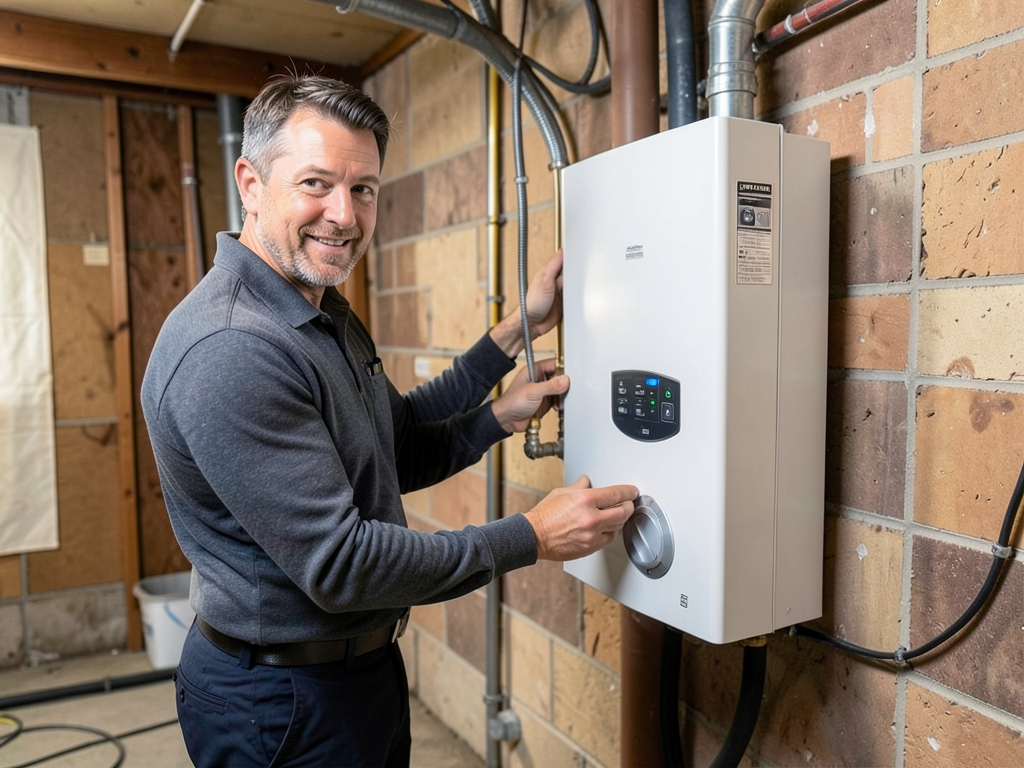
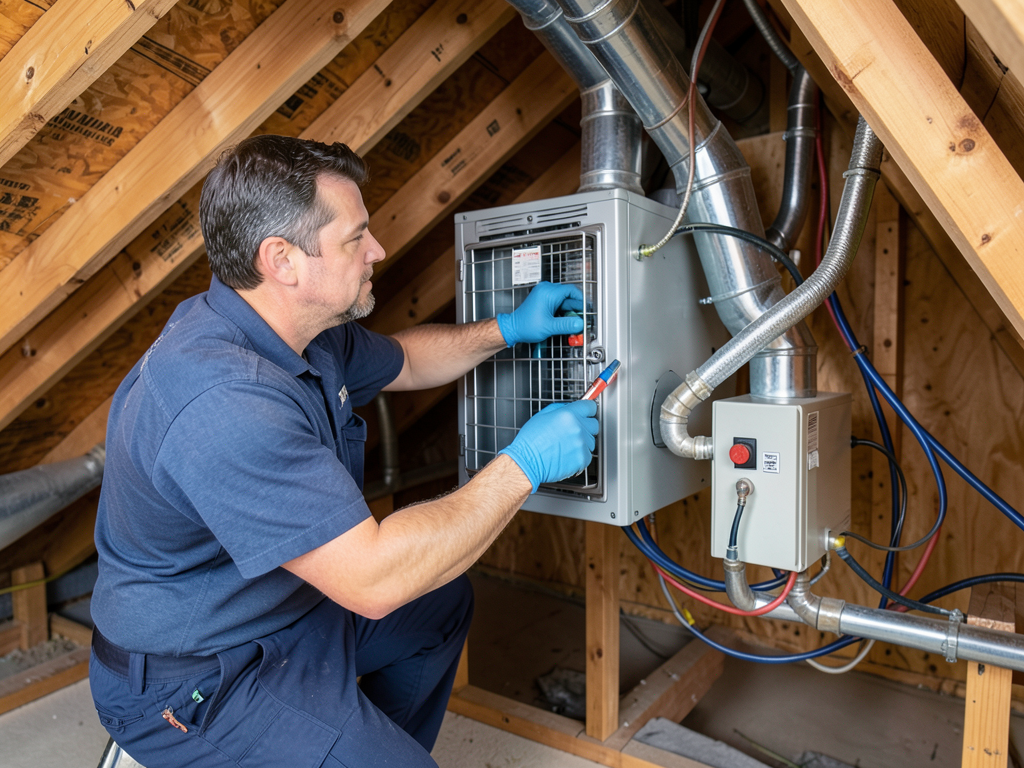
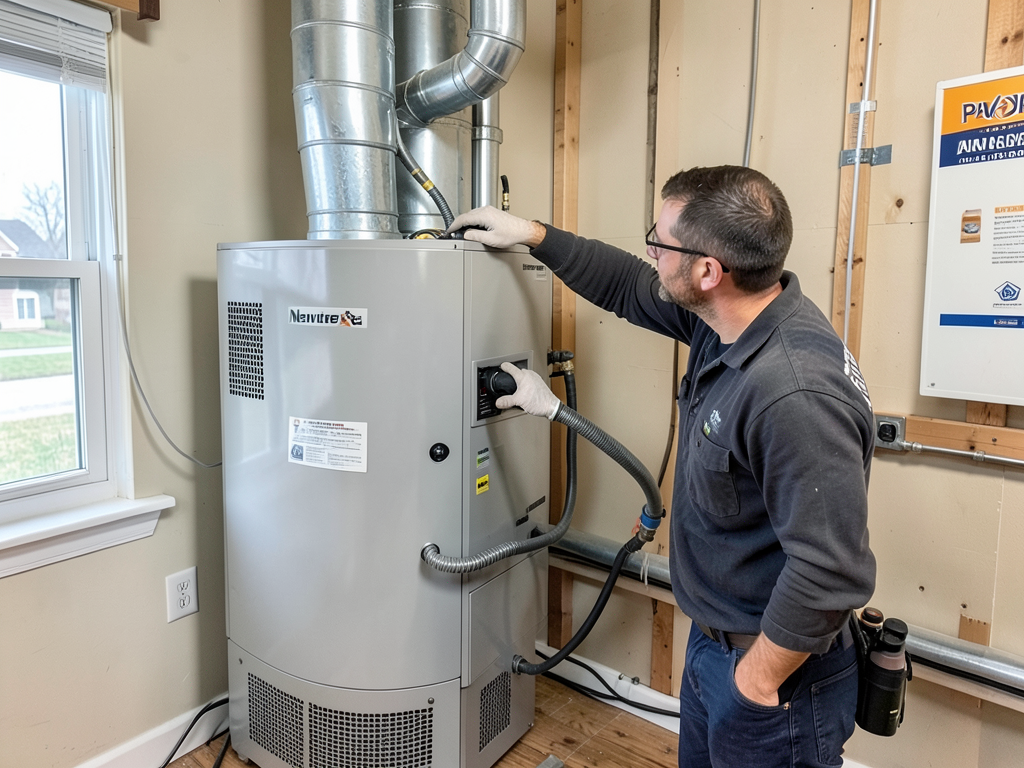
Pittsburgh's housing stock includes many homes built between 1900 and 1950, before modern HVAC standards existed. These homes often have furnaces installed in cramped basements with inadequate combustion air supply and minimal clearance for service access. Local HVAC technicians who understand these limitations can perform emergency repairs in tight spaces where inexperienced technicians struggle. Knowledge of Allegheny County building codes and the specific requirements for gas appliance installations in older homes prevents code violations during emergency repairs. Choosing a local emergency heating service means working with technicians who have repaired hundreds of furnaces in Pittsburgh's unique housing conditions.