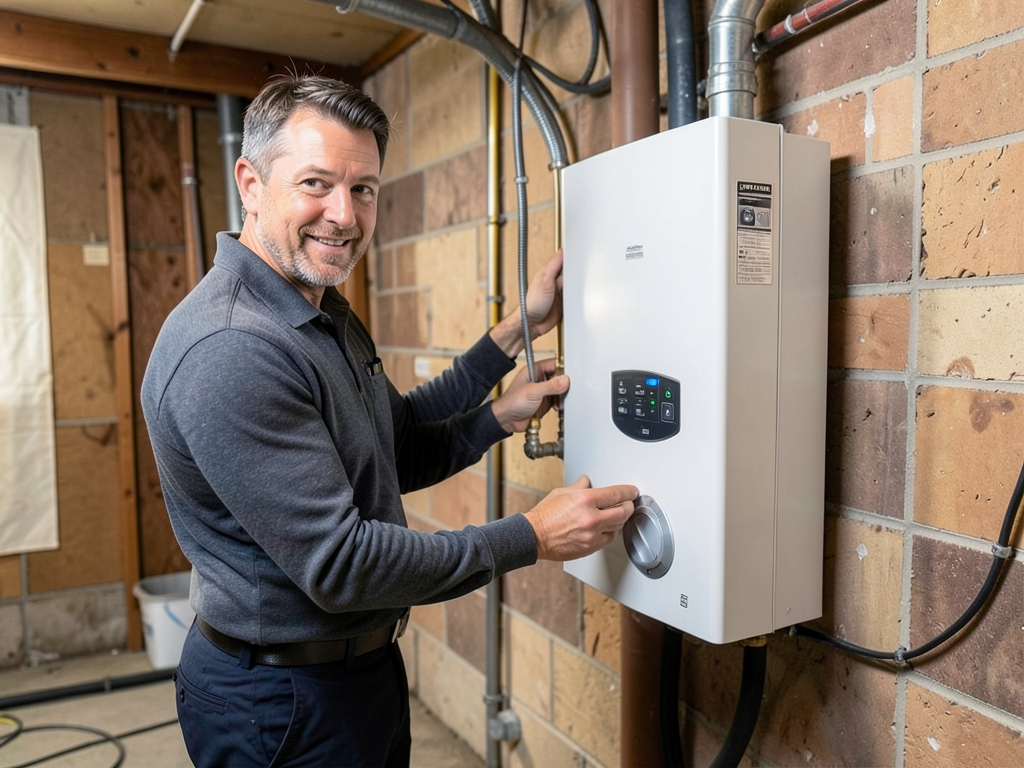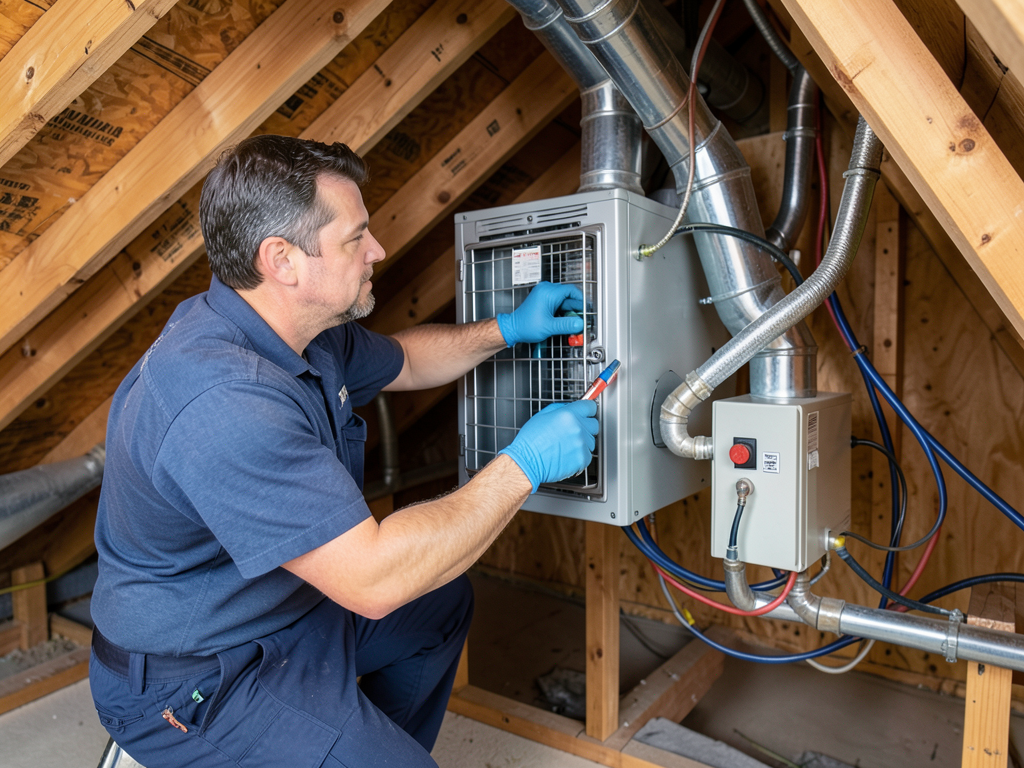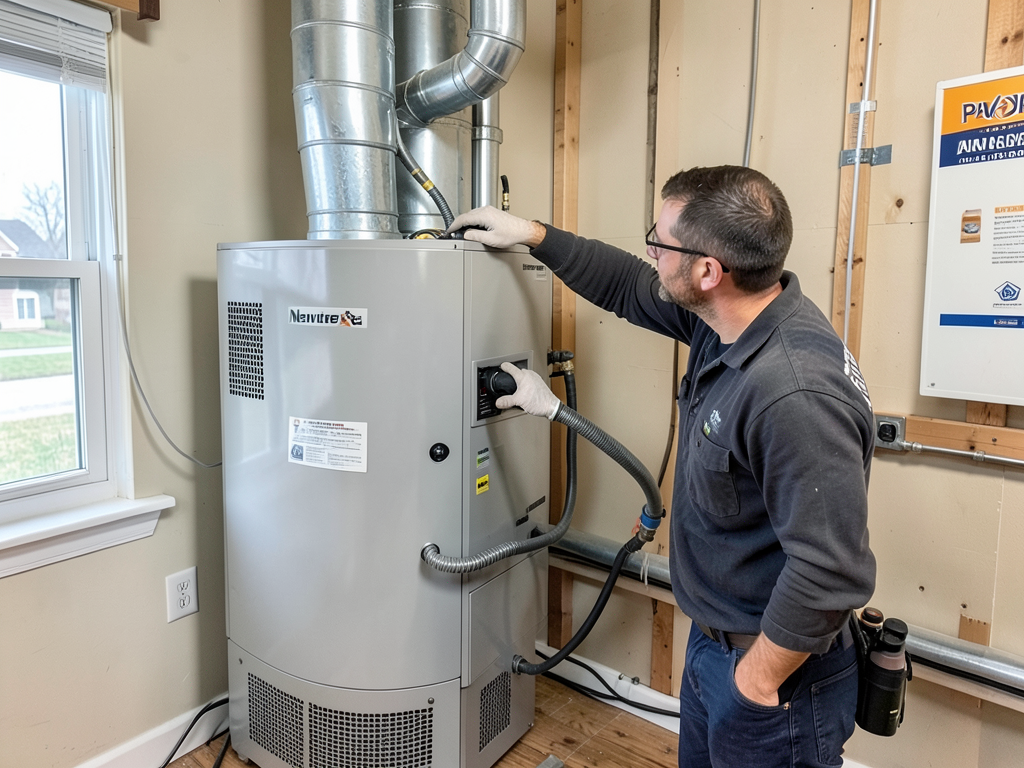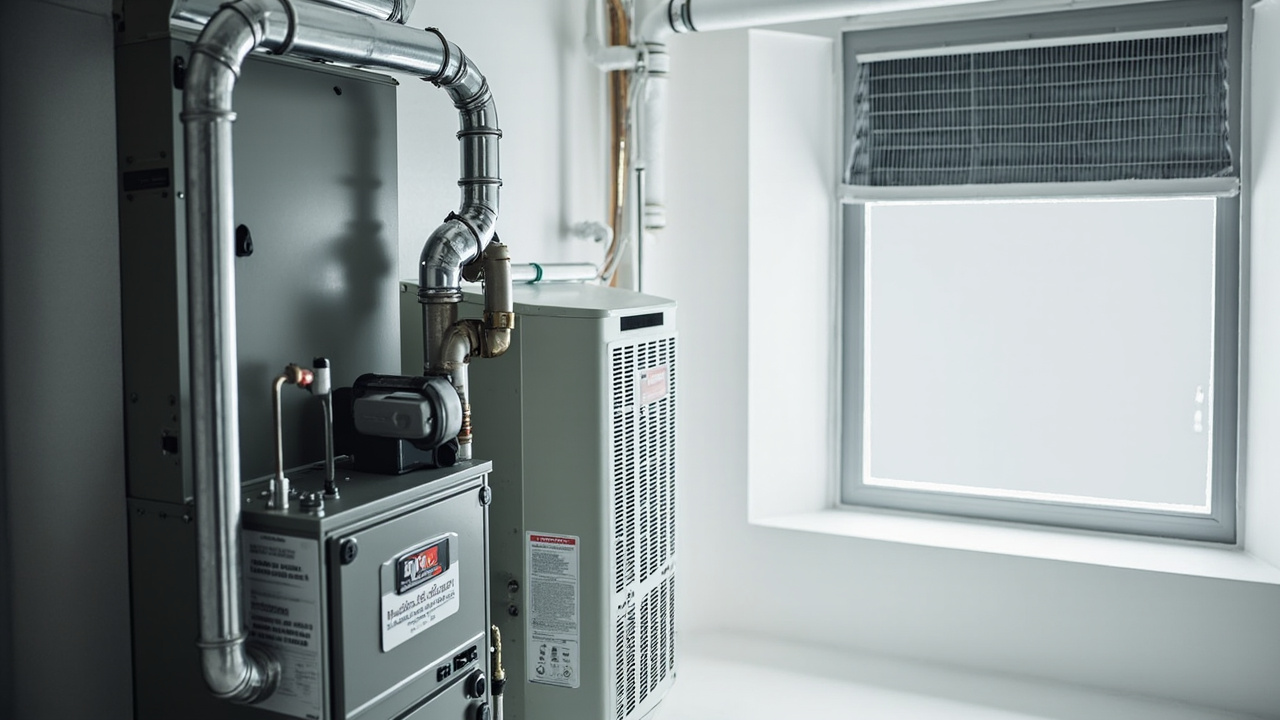
Pittsburgh averages 43 days per year below 32 degrees and about 10 days below 20 degrees, according to NOAA climate data. This puts us in a gray zone where heat pumps work most of the time but need supplemental heat during cold snaps. A standard air-source heat pump loses 50 percent of its capacity at 17 degrees, meaning your backup electric resistance heat kicks in frequently during January and February. This spikes your electric bill during the coldest months. A dual-fuel system pairing a heat pump with a small gas furnace solves this problem by switching to gas below 30 degrees, giving you heat pump efficiency in shoulder seasons and furnace reliability in deep winter. This hybrid approach fits Pittsburgh's variable climate better than either system alone.
Pittsburgh's housing stock ranges from Victorian-era homes in neighborhoods like Shadyside to post-war ranches in the suburbs and new construction in developing areas. Older homes often lack the insulation and air sealing that maximize heat pump efficiency. A furnace tolerates a leaky building envelope better because it generates high-temperature heat that overpowers air infiltration. Newer homes with good insulation and tight construction favor heat pumps because lower heating loads allow the system to run efficiently even in cold weather. Apex HVAC Pittsburgh evaluates your specific home's construction quality and recommends the system that works with your building, not against it. We also work with local contractors who specialize in weatherization if your home needs envelope improvements before equipment replacement makes financial sense.