menu

Carbon Monoxide Leak Detection in Pittsburgh | Same-Day Emergency Response Available Now

When your CO detector goes off or you suspect a leak, our emergency carbon monoxide testing team arrives within the hour to locate the source, confirm safety levels, and protect your family from this invisible threat.

Slider Image 1
Slider Image 2
Slider Image 3
Slider Image 4
Slider Image 5
Slider Image 7
Slider Image 8
Slider Image 9
Slider Image 10
Slider Image 11

Why Carbon Monoxide Leaks Are an Immediate Health Emergency in Pittsburgh Homes

You cannot see carbon monoxide. You cannot smell it. By the time symptoms appear, headaches, dizziness, nausea, you are already in danger.

Pittsburgh's aging housing stock creates specific CO risks. Many homes in Squirrel Hill, Mount Lebanon, and Shadyside still use original furnaces or boilers from the 1960s and 70s. Heat exchangers crack. Flue pipes corrode. Ventilation systems fail. When winter hits and homes seal tight against the cold, CO has nowhere to go but into your living space.

Professional CO leak inspection is not optional when you suspect a problem. If your carbon monoxide detector triggered an alarm, if multiple family members feel sick at the same time, if you smell exhaust fumes near your furnace, you need urgent carbon monoxide check services immediately.

Carbon monoxide binds to hemoglobin in your blood faster than oxygen. At high concentrations, it kills within minutes. At lower levels, it causes permanent neurological damage. Children and elderly family members are especially vulnerable.

Pittsburgh's natural gas infrastructure and high furnace usage rates increase exposure risk. Carbon monoxide leak testing identifies the exact source, whether it is a cracked heat exchanger, blocked chimney, or backdrafting water heater. Emergency carbon monoxide testing measures parts per million in your air and determines if evacuation is necessary.

Stop guessing. Get professional CO gas detection service the moment you suspect a leak. Your family's safety depends on accurate diagnosis and immediate containment.

Why Carbon Monoxide Leaks Are an Immediate Health Emergency in Pittsburgh Homes
How Professional CO Gas Detection Service Locates and Confirms the Leak Source

How Professional CO Gas Detection Service Locates and Confirms the Leak Source

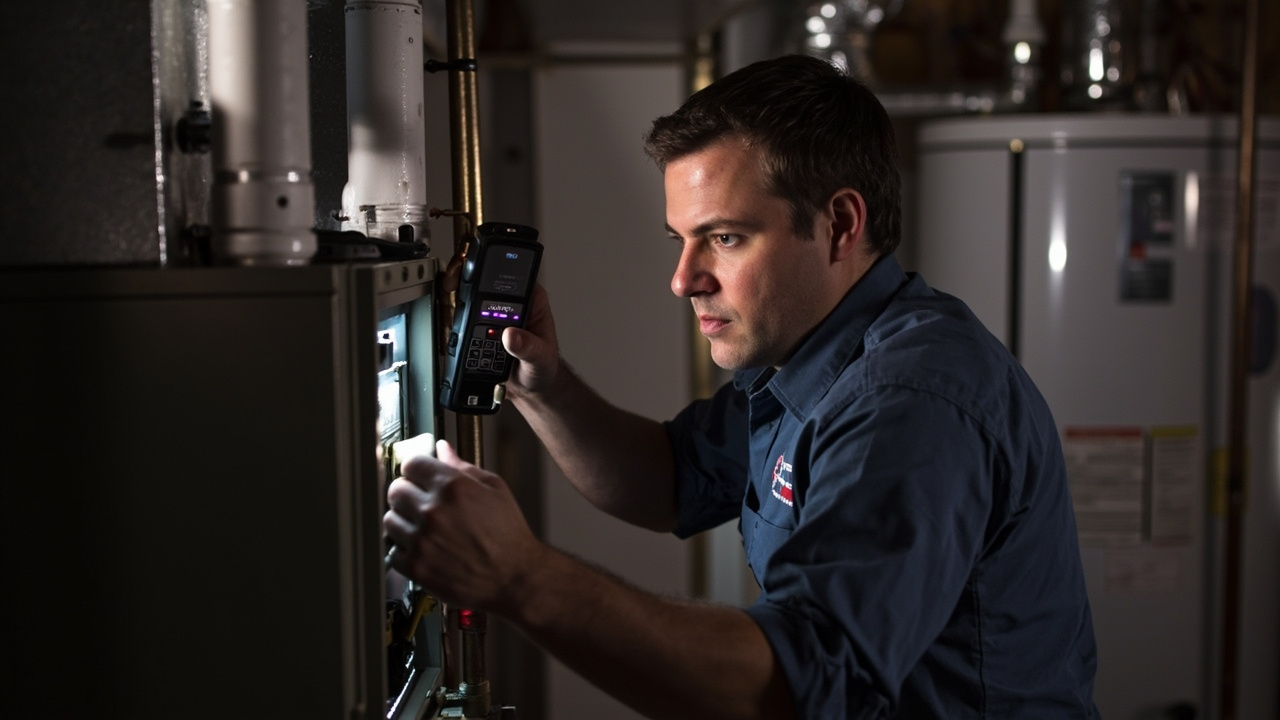
We do not rely on residential CO detectors to diagnose the problem. Our technicians use professional-grade analyzers that measure carbon monoxide concentrations down to one part per million. These industrial meters provide exact readings in real time, allowing us to trace CO back to the source.

The first step is ambient air testing throughout your home. We measure CO levels in sleeping areas, near appliances, and in confined spaces like basements. OSHA considers anything above 35 ppm dangerous over eight hours. We find levels that low and lower.

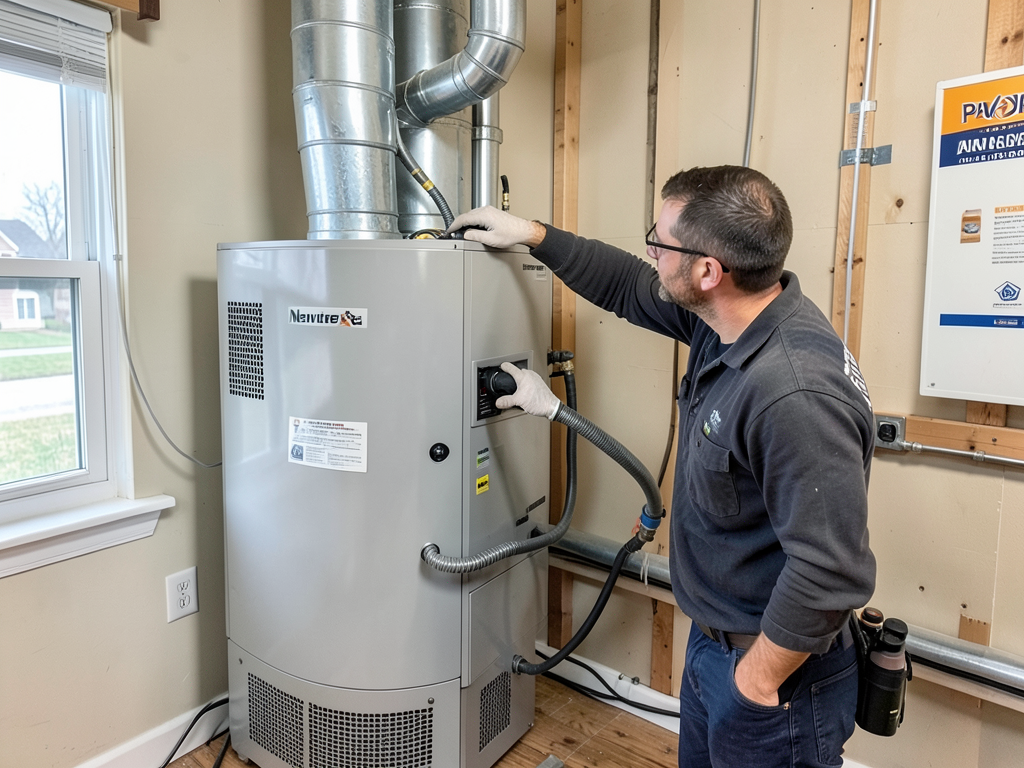
Next, we test combustion appliances directly. Furnaces, boilers, water heaters, and gas fireplaces all produce CO during normal operation, but proper venting removes it safely. We insert probe sensors into flue pipes and measure exhaust gas composition. High CO in the flue indicates incomplete combustion, often caused by a dirty burner or restricted airflow.

We inspect heat exchangers using fiber optic cameras. Cracks as small as a hairline allow combustion gases to escape into your air supply. We also check draft pressure using manometers to confirm your chimney or vent pipe draws exhaust out of the home, not back into it.

Backdrafting is common in Pittsburgh homes with powerful exhaust fans or tight weatherization. When bathroom fans, range hoods, or dryers create negative pressure, they pull combustion gases down the chimney and into living areas. We measure pressure differentials and test for spillage at the draft hood.

Once we identify the source, we explain the fix. Cracked heat exchangers require furnace replacement. Blocked vents need cleaning or repair. Undersized combustion air supply needs modification. You get a clear diagnosis and a clear path to safety.

What Happens During an Emergency CO Leak Inspection

Carbon Monoxide Leak Detection in Pittsburgh | Same-Day Emergency Response Available Now
01

Immediate Safety Assessment

Our technician measures ambient CO levels the moment we arrive. If readings exceed safe limits, we advise immediate evacuation and ventilation. We open windows, shut down suspect appliances, and confirm the air is safe before proceeding. Your family's immediate safety comes first, then diagnosis.
02

Systematic Appliance Testing

We test every fuel-burning appliance in your home using calibrated CO analyzers. Furnaces, water heaters, boilers, and fireplaces are evaluated under operating conditions. We measure flue gas composition, draft pressure, and combustion air supply. This identifies which appliance is producing dangerous CO and why the venting system failed.
03

Source Identification and Repair Plan

Once we locate the leak, we shut down the faulty equipment and tag it unsafe for use. You receive a detailed explanation of the problem, photos of the defect, and a written repair estimate. We explain whether repair or replacement is the safer option and what timeline is required to restore safe operation.

Why Pittsburgh Homeowners Trust Apex HVAC for Carbon Monoxide Emergencies

When carbon monoxide is involved, you need a team that understands Pittsburgh's housing stock, weather patterns, and common failure points.

We work on homes built in every decade from the 1890s through today. We know the cast iron radiators in Lawrenceville row homes. We know the converted coal boilers in Highland Park. We know the atmospheric water heaters in Penn Hills ranch homes. Every era of construction presents different CO risks, and we have seen them all.

Pittsburgh winters force furnaces to run continuously for months. Equipment that limps through fall often fails completely in January. Heat exchangers crack under thermal stress. Flue pipes corrode from condensation. When your heating system is your lifeline against freezing temperatures, failure is not an option.

Our technicians carry the same analyzers used by fire departments and OSHA inspectors. We do not guess. We measure. If we tell you a heat exchanger is cracked, we show you the camera footage. If we tell you the chimney is blocked, we show you the draft pressure readings.

We also understand the urgency. A carbon monoxide leak is not a problem you schedule for next week. We dispatch emergency teams 24 hours a day, seven days a week. Most calls get a technician on site within 60 minutes.

Apex HVAC Pittsburgh has been protecting families in Allegheny County for years. We have worked with local fire departments, insurance adjusters, and home inspectors. When CO is detected during a real estate inspection, we are the team buyers call to make the home safe before closing.

You can trust us to tell you the truth, fix the problem correctly, and keep your family safe.

What You Can Expect During Emergency Carbon Monoxide Testing

Response Time and Availability

We treat carbon monoxide calls as life-threatening emergencies. When you call our emergency line, you speak directly to a dispatcher who alerts the nearest available technician. Most Pittsburgh-area homes receive service within one hour. We operate 24 hours a day, including weekends and holidays. If your CO detector is sounding, if family members are symptomatic, if you smell exhaust fumes, do not wait. Our trucks carry full diagnostic equipment at all times, allowing us to test and diagnose on the first visit without delays for parts or tools.

Diagnostic Process and Testing Equipment

Our technicians use professional-grade electrochemical CO analyzers accurate to one part per million. We measure ambient air throughout your home, test combustion appliances under load, and inspect venting systems for obstructions or damage. Fiber optic cameras allow us to inspect heat exchangers without disassembly. Manometers measure draft pressure to confirm proper venting. You receive written documentation of all test results, including CO concentrations, appliance conditions, and photographs of defects. This documentation is critical for insurance claims and provides proof of hazard for landlords or sellers.

Immediate Resolution and Safety Restoration

If we identify a dangerous appliance, we shut it down immediately and tag it unsafe for operation. We explain the defect, the risk level, and your repair options. Many issues, blocked vents, loose connections, dirty burners, we fix on the spot. Cracked heat exchangers or failed equipment require replacement. We provide written estimates and explain whether temporary alternatives exist while you arrange for repair. Our goal is to restore heat and hot water safely as quickly as possible without compromising your family's health.

Follow-Up Testing and Prevention

After repairs are complete, we return to verify safe CO levels and proper appliance operation. Follow-up testing confirms the problem is fully resolved. We also recommend annual combustion analysis as part of routine furnace maintenance. Catching heat exchanger deterioration early prevents emergency failures. Installing low-level CO detectors in sleeping areas provides earlier warning than standard alarms. We help Pittsburgh homeowners build long-term safety plans that prevent repeat emergencies and protect families year-round.

Frequently Asked Questions

You Have Questions,
We Have Answers

How do you know if carbon monoxide is leaking? +

You cannot see, smell, or taste carbon monoxide. Warning signs include physical symptoms like headaches, dizziness, nausea, or confusion affecting multiple people in your home. Your CO detector alarm is the most reliable indicator. In Pittsburgh homes, aging furnaces and water heaters are common sources, especially during cold months when heating systems run constantly. If your detector sounds, evacuate immediately and call 911. Do not re-enter until emergency responders clear your home. Get your HVAC system inspected right away to identify the source.

How do you test for carbon monoxide leaks? +

Install carbon monoxide detectors on every floor, especially near sleeping areas. These battery-powered or hardwired units continuously monitor air quality. For professional testing, HVAC technicians use electronic analyzers that measure CO levels in parts per million near furnaces, water heaters, and gas appliances. In Pittsburgh, older homes with brick chimneys and aging heating equipment need annual inspections. Technicians check exhaust venting, heat exchangers, and combustion chambers for cracks or blockages. Never rely on DIY methods alone. Professional testing identifies problems before they become life-threatening.

What are two warning signs of carbon monoxide? +

The first warning sign is your carbon monoxide detector alarm sounding. This piercing beep means dangerous gas levels exist in your home. The second warning is sudden flu-like symptoms affecting everyone in the house: headaches, dizziness, weakness, nausea, or confusion. These symptoms worsen the longer you stay inside and improve when you leave. In Pittsburgh winters, when homes stay sealed tight and furnaces run nonstop, CO poisoning risk increases. If you experience these symptoms or your alarm sounds, evacuate immediately and call emergency services. Do not ignore these warnings.

Can my cell phone detect carbon monoxide? +

No. Your cell phone cannot detect carbon monoxide. Some apps claim to detect CO, but they are unreliable and dangerous to trust. Carbon monoxide detection requires specialized sensors that measure gas concentration. Only install UL-listed carbon monoxide detectors with electrochemical sensors or biomimetic technology. Pittsburgh building codes require CO detectors in homes with fuel-burning appliances or attached garages. Place detectors on every level and near bedrooms. Replace detectors every five to seven years. Your life depends on real detection equipment, not smartphone apps. Get proper detectors installed today.

How Pittsburgh's Older Housing Stock Increases Carbon Monoxide Risk

Pittsburgh has one of the highest percentages of pre-1970 housing in the northeast. These homes were built when building codes did not require sealed combustion or direct-vent appliances. Atmospheric furnaces and boilers rely on natural draft, which fails when chimneys deteriorate or homes are retrofitted with modern insulation and tight windows. Many Pittsburgh neighborhoods still use the original masonry chimneys, which crack and spall after decades of freeze-thaw cycles. When these chimneys fail, combustion gases spill directly into basements and living areas. Emergency carbon monoxide testing frequently reveals dangerous conditions in homes that passed basic safety inspections.

Apex HVAC Pittsburgh understands the specific risks tied to local construction styles and heating systems. We work closely with Pittsburgh fire departments and code enforcement to ensure our diagnostic methods meet or exceed municipal safety standards. Our technicians receive annual training on carbon monoxide detection protocols and stay current with Pennsylvania's evolving fuel gas codes. When we inspect your home, we are not just checking for leaks. We are evaluating the entire combustion system against both manufacturer standards and local code requirements. That local expertise makes the difference between a quick fix and a comprehensive safety solution.
HVAC Services in The Pittsburgh Area

We are proud to serve the community and its surrounding areas, providing superior heating and cooling services where they are needed most. Whether you’re a residential homeowner or a business owner, you can find our location on the map below. We are committed to being easily accessible and ready to respond quickly, ensuring that professional and reliable HVAC help is always just a call away.

Address:
Apex HVAC Pittsburgh, 450 Melwood Ave, Pittsburgh, PA, 15213

Additional Services We Offer

Our news updates

Latest Articles & News from The Blogs

Your Brighton Heights air conditioner should run in steady cooling cycles, not shut off and start again every few minutes.…

Why Your Brighton Heights AC Keeps Turning Off and On Every Five Minutes

Your Brighton Heights air conditioner should run in steady cooling cycles, not shut off and start again every few minutes.…

Does Your HVAC System Actually Help with Radon Mitigation in Marshall Township

Does Your HVAC System Actually Help with Radon Mitigation in Marshall Township Your HVAC system is designed to heat and…

Stylish Ways to Cover Ugly Radiators in Your Historic Friendship House

Stylish Ways to Cover Ugly Radiators in Your Historic Friendship House \n\n Living in Friendship means embracing the charm of…

Contact Us

Do not wait if you suspect a carbon monoxide leak. Call Apex HVAC Pittsburgh at (412) 387-0477 immediately. Our emergency response team is standing by 24/7 to protect your family. We arrive fast, test thoroughly, and restore safety the same day.