menu

High Energy Bills in Pittsburgh – Expert Diagnosis and Permanent Solutions for Wasted HVAC Energy

Apex HVAC Pittsburgh identifies the exact cause of rising utility costs through comprehensive system diagnostics, then fixes inefficiencies permanently so you stop hemorrhaging money every billing cycle.

Slider Image 1
Slider Image 2
Slider Image 3
Slider Image 4
Slider Image 5
Slider Image 7
Slider Image 8
Slider Image 9
Slider Image 10
Slider Image 11

Why Pittsburgh Homes Suffer from Expensive Electricity Bills

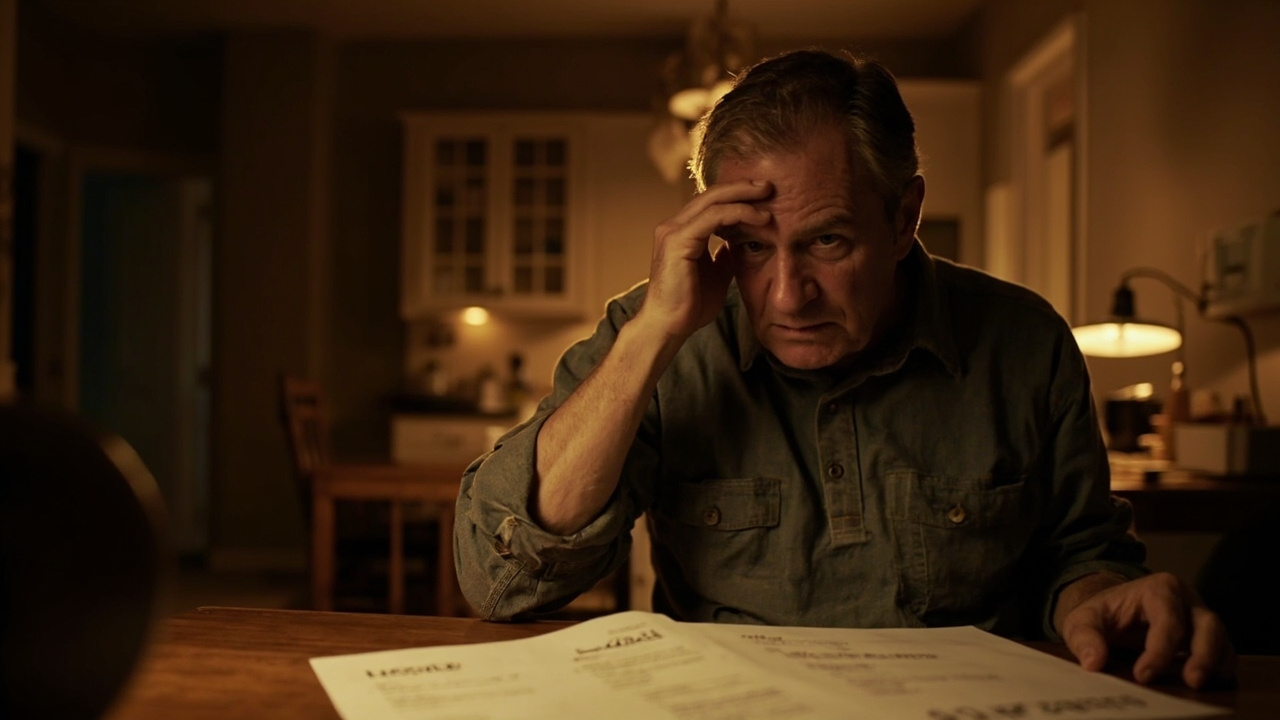
You opened your utility bill and felt your stomach drop. The number climbed again. You did not change your thermostat habits. You did not run the system more than usual. Yet the costly utility expenses keep mounting.

Pittsburgh's extreme seasonal swings force HVAC systems into overdrive. Your furnace battles subzero January nights. Your air conditioner fights 90-degree July humidity. This constant thermal stress exposes inefficiencies in aging equipment, degraded insulation, and ductwork failures that would stay hidden in milder climates.

The Allegheny River valley traps moisture. That humidity makes your AC work 30 to 40 percent harder to maintain comfort. When your compressor cycles constantly because refrigerant leaked, or your furnace runs nonstop because the heat exchanger cracked, you burn energy without getting the temperature control you paid for.

Older neighborhoods in Shadyside, Squirrel Hill, and Highland Park have homes built before modern energy codes existed. Single-pane windows, uninsulated attics, and HVAC systems installed in the 1990s create perfect conditions for skyrocketing energy bills. Your system compensates for these deficiencies by running longer cycles and consuming more electricity or gas.

The problem is not your thermostat setting. The problem lives in your mechanical system, your home envelope, or both. Increased heating and cooling costs signal specific failures that diagnostic testing reveals in minutes. You need someone who understands how Pittsburgh's climate accelerates equipment degradation and knows where to look for the energy thieves hiding in your system.

Why Pittsburgh Homes Suffer from Expensive Electricity Bills
How We Stop Energy Waste at the Source

How We Stop Energy Waste at the Source

Generic tune-ups do not fix high energy bills. We use calibrated diagnostic equipment to measure actual system performance against manufacturer specifications. This reveals the exact failure point that causes wasted energy.

We start with a blower door test to quantify air infiltration. Pittsburgh homes lose conditioned air through rim joists, attic bypasses, and basement penetrations. These leaks force your HVAC system to condition outdoor air instead of recirculating indoor air. We measure the cubic feet per minute of air loss, then prioritize sealing based on return on investment.

Next, we test refrigerant charge with digital manifolds. Low refrigerant makes your compressor run continuously without delivering cooling capacity. We do not just top off the system. We find the leak using nitrogen pressure testing and UV dye, repair it properly, then evacuate and recharge to exact specifications. A system with correct refrigerant charge uses 15 to 25 percent less electricity than an undercharged unit.

Combustion analysis on your furnace reveals efficiency loss. We measure flue gas temperature, oxygen levels, and carbon monoxide output. A cracked heat exchanger or fouled burner assembly wastes fuel and creates safety hazards. We document baseline efficiency, make corrections, then verify improvement with follow-up testing.

Ductwork inspection with a pressure pan identifies leaks in your distribution system. Disconnected boots, failed mastic seals, and crushed flex duct in your crawlspace dump conditioned air into spaces you do not occupy. We seal duct leaks with mastic and metal tape, not the cloth tape that fails in six months.

Every repair targets a measured deficiency. You get documentation showing before and after performance data, so you know exactly what changed and why your bills will drop.

What Happens During Your Energy Waste Assessment

High Energy Bills in Pittsburgh – Expert Diagnosis and Permanent Solutions for Wasted HVAC Energy
01

System Performance Testing

We measure airflow across your evaporator coil, check static pressure in your duct system, and verify refrigerant superheat and subcooling values. These measurements reveal whether your equipment operates within design parameters or wastes energy compensating for deficiencies. You receive a written diagnostic report showing actual values versus manufacturer specifications, highlighting every inefficiency that drives up your utility costs.
02

Thermal Imaging Inspection

Infrared cameras show temperature differentials invisible to the naked eye. We scan your exterior walls, attic access points, and ductwork to find insulation voids, air leaks, and thermal bridging. This identifies where conditioned air escapes your building envelope. Pittsburgh's temperature extremes make these deficiencies costly. The thermal images document problem areas so you understand exactly what needs correction and why it matters to your energy expenses.
03

Prioritized Repair Plan

We rank every identified issue by energy impact and repair cost. You get a clear roadmap showing which fixes deliver immediate savings and which provide long-term value. Some repairs pay for themselves in three months through reduced bills. Others make sense only if you plan to stay in your home five years. We present options without pressure, so you make informed decisions about your HVAC investment based on actual data.

Why Pittsburgh Homeowners Trust Apex HVAC for Energy Solutions

You need someone who understands how Pittsburgh's climate attacks HVAC efficiency. Our technicians know that freeze-thaw cycles crack condensate lines, that humidity degrades compressor windings, and that temperature swings stress heat exchangers. We have diagnosed energy waste in century-old Lawrenceville rowhouses and new construction in Cranberry Township. The problems differ, but the diagnostic method stays consistent.

We do not sell you a new system when duct sealing and airflow correction fix the problem. Our business model depends on solving your issue correctly the first time, so you call us again when you actually need equipment replacement. That approach has kept us working in Allegheny County for years while competitors who push unnecessary replacements cycle through angry customers and bad reviews.

Our diagnostic equipment gets calibrated quarterly. Cheap gauges and uncalibrated instruments produce garbage data that leads to wrong conclusions. We invest in Fluke meters, Testo combustion analyzers, and UEi refrigerant manifolds because accurate measurements matter when you are troubleshooting a 2 percent efficiency loss that costs you $40 per month.

We document everything. You get photos of failed components, printouts of test results, and written explanations of what we found. This transparency builds trust and gives you evidence to share with home inspectors, insurance adjusters, or future buyers if you sell.

Pittsburgh's building codes changed substantially in 2010 and again in 2018. We stay current on ventilation requirements, combustion air standards, and efficiency minimums. When we recommend system modifications, they comply with current code so you avoid problems during inspections or resale. Local expertise matters when regulations affect your repair options and costs.

What to Expect When You Schedule an Energy Assessment

Same-Week Diagnostic Appointments

We schedule energy assessments within three to five business days of your call. High energy bills do not constitute an emergency, but they cost you money every day we delay diagnosis. Our technicians arrive in a two-hour window and bring all diagnostic equipment on the first visit. Most assessments take 90 to 120 minutes depending on system complexity and home size. You receive preliminary findings before the technician leaves, then get a detailed written report within 24 hours showing all test results and recommended corrections with cost estimates.

Comprehensive System Evaluation

Our assessment includes visual inspection of all accessible ductwork, electrical connections, condensate drainage, and equipment mounting. We test capacitor microfarad values, measure amp draw on motors, check contactor resistance, and verify safety control operation. For furnaces, we perform combustion analysis and heat exchanger inspection. For air conditioners, we check refrigerant charge, measure temperature split, and verify proper airflow. The inspection covers your thermostat calibration, air filter condition, and outdoor unit clearances. You learn exactly how your system performs and what degrades efficiency.

Verified Energy Savings

We calculate projected savings based on measured efficiency improvements. If we seal ductwork losing 30 percent of your conditioned air, you see the calculation showing reduced runtime and lower energy consumption. If we correct refrigerant charge, we document the amp draw reduction on your compressor. These are not marketing estimates. They come from engineering formulas using your actual equipment specifications and test measurements. You make repair decisions knowing the expected payback period and monthly savings, not hoping a salesperson told you the truth about energy reduction.

Post-Repair Performance Verification

After completing repairs, we retest system performance to verify improvements. You get before and after data showing exactly what changed. We document new airflow measurements, updated refrigerant readings, and corrected temperature splits. This confirmation proves the work delivered the promised results. We recommend checking your energy bills three months after repairs to confirm savings match projections. If your costs do not decrease as calculated, we return to investigate what we missed. Our reputation depends on solving your problem permanently, not just completing a service call and moving on.

Frequently Asked Questions

You Have Questions,
We Have Answers

Why is my power bill so high suddenly? +

A sudden spike in your power bill typically points to an aging HVAC system working overtime. In Pittsburgh, humid summers and cold winters force your furnace or air conditioner to run constantly if it's losing efficiency. Check for a clogged air filter first. Dirty filters restrict airflow and make your system work harder. Leaky ductwork in your attic or crawl space also bleeds conditioned air. Thermostat malfunctions can cause unnecessary cycling. If your system is over 15 years old, worn compressors or heat exchangers burn excess energy. Schedule a diagnostic to pinpoint the cause before your next bill arrives.

Why is your energy bill suddenly so much more expensive? +

Rising energy costs hit Pittsburgh homes hard, but your system's condition matters more than rate hikes. An inefficient HVAC unit can double your usage even if rates stay flat. Refrigerant leaks force your air conditioner to run longer without cooling properly. Failing capacitors or motors draw excess current. Poor insulation in older Pittsburgh homes lets heat escape in winter and seep in during summer. Duct leaks waste up to 30 percent of heated or cooled air. Smart thermostats help, but they cannot fix mechanical failure. A system tune-up identifies energy drains you cannot see on your monthly statement.

What runs your electric bill up the most? +

Your HVAC system consumes the most electricity in any Pittsburgh home, accounting for up to 50 percent of your monthly bill. Air conditioning dominates in summer humidity. Heating costs spike during freezing winters. An outdated furnace or air handler with a low SEER rating burns more power than newer models. Electric water heaters rank second, especially if your tank lacks insulation. Refrigerators, washers, and dryers add to the load. However, a poorly maintained HVAC system outweighs all other appliances combined. Dirty coils, low refrigerant, and blocked vents force your equipment to overwork, driving up usage faster than anything else.

What is the average electric bill in RI? +

The average electric bill in Rhode Island runs higher than Pittsburgh due to different rate structures and regional demands. Pittsburgh residents typically see monthly bills between 100 and 200 dollars, depending on home size and system efficiency. Rhode Island averages closer to 120 to 180 dollars, with coastal humidity and older housing stock driving usage. Your actual cost depends on your HVAC system's age and condition. Pittsburgh's freeze-thaw cycles and summer humidity stress equipment differently than New England climates. Focus on local efficiency improvements like sealing ductwork and upgrading to a high-efficiency furnace tailored to Western Pennsylvania weather patterns.

How Pittsburgh's Weather Extremes Accelerate HVAC Energy Loss

Pittsburgh endures 40-degree temperature swings between day and night during spring and fall. Your HVAC system cycles between heating and cooling modes, stressing reversing valves, expansion devices, and control boards. This thermal cycling reveals weaknesses that stable climates hide. A heat pump with a failing reversing valve works fine in moderate weather but wastes energy during temperature extremes when it cannot switch modes efficiently. The Allegheny Plateau's elevation changes create microclimates where Southside homes need different solutions than Northside properties three miles away. Understanding these local variables separates accurate diagnosis from guesswork.

We have tested systems in Pittsburgh homes since before the 2010 energy code updates. That experience teaches us where builders cut corners in different neighborhoods and which HVAC brands handle local humidity best. We know that homes near the rivers fight condensation problems that hillside properties avoid. We understand that North Hills ranches have attic ventilation challenges that South Hills split-levels do not face. This local knowledge helps us find problems faster and recommend solutions that work specifically for your home's location, age, and construction type. You get answers from someone who has solved your exact problem in your exact neighborhood multiple times.
HVAC Services in The Pittsburgh Area

We are proud to serve the community and its surrounding areas, providing superior heating and cooling services where they are needed most. Whether you’re a residential homeowner or a business owner, you can find our location on the map below. We are committed to being easily accessible and ready to respond quickly, ensuring that professional and reliable HVAC help is always just a call away.

Address:
Apex HVAC Pittsburgh, 450 Melwood Ave, Pittsburgh, PA, 15213

Additional Services We Offer

Our news updates

Latest Articles & News from The Blogs

Your Brighton Heights air conditioner should run in steady cooling cycles, not shut off and start again every few minutes.…

Why Your Brighton Heights AC Keeps Turning Off and On Every Five Minutes

Your Brighton Heights air conditioner should run in steady cooling cycles, not shut off and start again every few minutes.…

Does Your HVAC System Actually Help with Radon Mitigation in Marshall Township

Does Your HVAC System Actually Help with Radon Mitigation in Marshall Township Your HVAC system is designed to heat and…

Stylish Ways to Cover Ugly Radiators in Your Historic Friendship House

Stylish Ways to Cover Ugly Radiators in Your Historic Friendship House \n\n Living in Friendship means embracing the charm of…

Contact Us

Your next utility bill arrives in weeks. Every day you wait costs money. Call Apex HVAC Pittsburgh at (412) 387-0477 to schedule your energy assessment. We identify exactly why your system wastes energy, then fix it permanently so your bills drop and stay down.