menu

Heat Pump Repair & Installation in Pittsburgh – Same-Day Service for Complete System Failures and New Installations

Apex HVAC Pittsburgh delivers fast heat pump repair and full system installation across the greater Pittsburgh metro, specializing in cold-climate units built to handle freeze-thaw cycles and variable load demands year-round.

Slider Image 1
Slider Image 2
Slider Image 3
Slider Image 4
Slider Image 5
Slider Image 7
Slider Image 8
Slider Image 9
Slider Image 10
Slider Image 11

Why Pittsburgh's Climate Demands Specialized Heat Pump Service

Pittsburgh's weather swings put extreme stress on heat pump systems. You face freeze-thaw cycles that shift foundation loads, humid summers that overwork compressors, and winter cold snaps that trigger defrost failures. When your heat pump quits during a January cold front or struggles to cool during a July humidity spike, you need fast heat pump repair from technicians who understand how local conditions degrade coils, reversing valves, and refrigerant lines.

Most heat pump failures here stem from three issues. First, freeze-thaw cycling causes refrigerant line stress fractures. Second, the region's high humidity accelerates coil corrosion. Third, Pittsburgh's hilly terrain creates microclimates where temperature differentials strain compressor staging logic. Generic HVAC service misses these patterns. We diagnose based on your specific neighborhood, whether you are in Squirrel Hill, Lawrenceville, or the South Hills.

If your system runs constantly but delivers weak airflow, or if you hear grinding from the outdoor unit, you are looking at compressor failure or refrigerant loss. Both require immediate attention. Delayed heat pump service leads to secondary damage, like burned contactors or failed capacitor banks. For older systems past their 12-year service life, heat pump replacement often costs less than repeated emergency heat pump repair. We assess both options and give you the data to decide. Heat pump system installation has advanced significantly in the past five years, with variable-speed compressors and smart defrost cycles that handle Pittsburgh winters without the constant cycling older units suffer.

Why Pittsburgh's Climate Demands Specialized Heat Pump Service
How We Diagnose and Repair Heat Pump Systems

How We Diagnose and Repair Heat Pump Systems

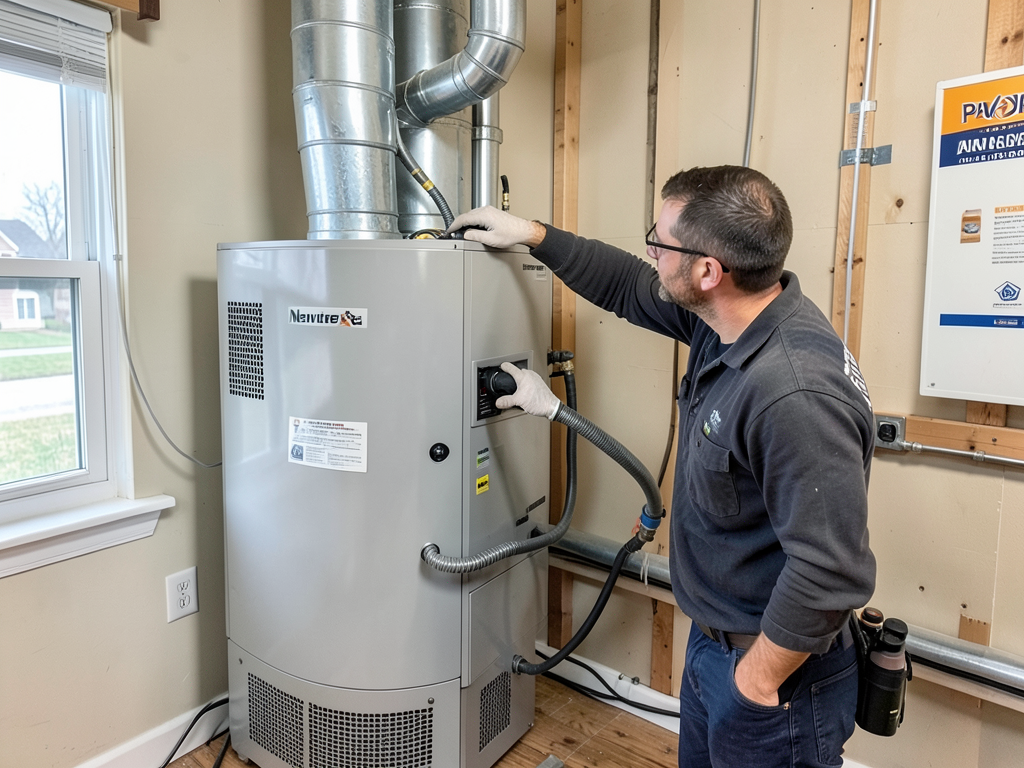
We start every service call with refrigerant pressure testing and electrical load analysis. Most heat pump installers skip the electrical side, but we know Pittsburgh's older housing stock often has undersized breaker panels. A struggling compressor draws excess amperage, which trips breakers or damages the unit itself. We measure voltage drop across contactors, test capacitor microfarads, and verify proper staging between the air handler and outdoor unit.

For refrigerant issues, we use digital manifold gauges that show real-time subcooling and superheat. This tells us whether you have a leak, a restriction, or a metering device failure. We pressure-test with nitrogen, identify the leak source, repair it, pull a deep vacuum, and recharge to manufacturer specs. No shortcuts. Incorrect refrigerant charge ruins efficiency and shortens compressor life.

If your heat pump needs replacement, we size the system using Manual J load calculations specific to your home's insulation, window quality, and ductwork layout. Pittsburgh's housing mix ranges from 1920s bungalows with minimal insulation to newer construction in the North Hills with modern envelopes. One-size-fits-all sizing fails here. We also evaluate your existing ductwork for leaks and proper sizing. Undersized ducts create back pressure that kills efficiency and shortens equipment life.

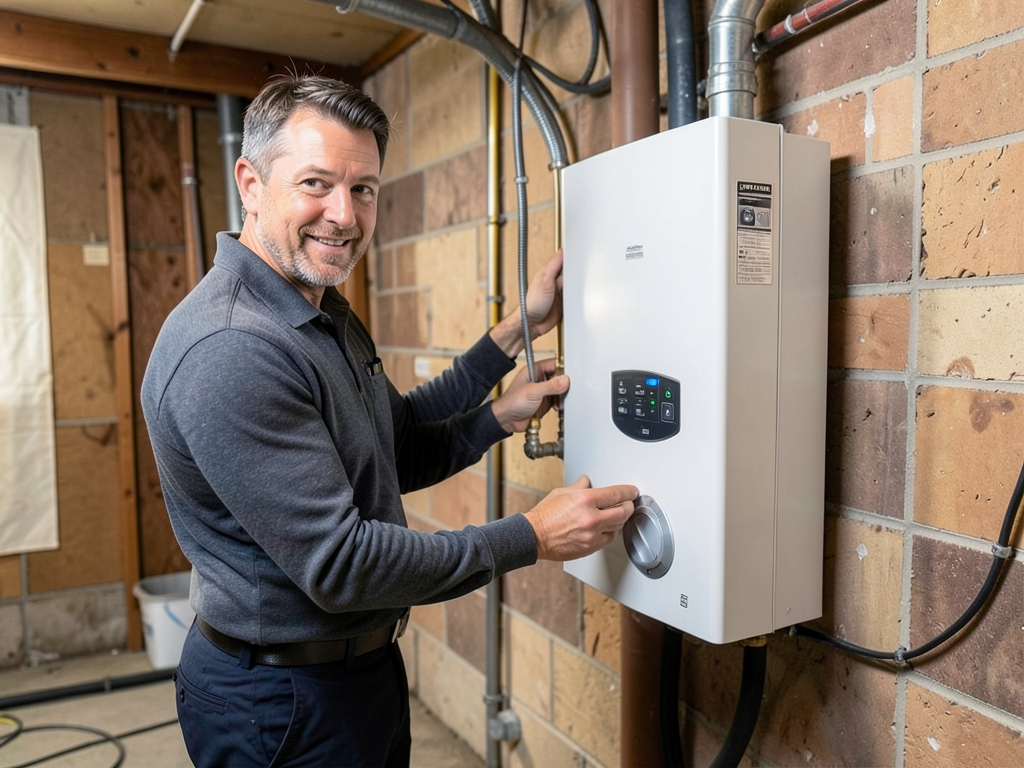
We install cold-climate heat pumps rated for operation down to negative temperatures. Standard heat pumps lose capacity below 30 degrees, forcing reliance on backup electric heat. Cold-climate models maintain heating capacity down to zero degrees, which saves you money and keeps your home comfortable during Pittsburgh's coldest weeks. After heat pump system installation, we verify airflow at every register, test defrost cycle operation, and program the thermostat for optimal staging.

How Your Heat Pump Service Unfolds

Heat Pump Repair & Installation in Pittsburgh – Same-Day Service for Complete System Failures and New Installations
01

System Diagnostics and Testing

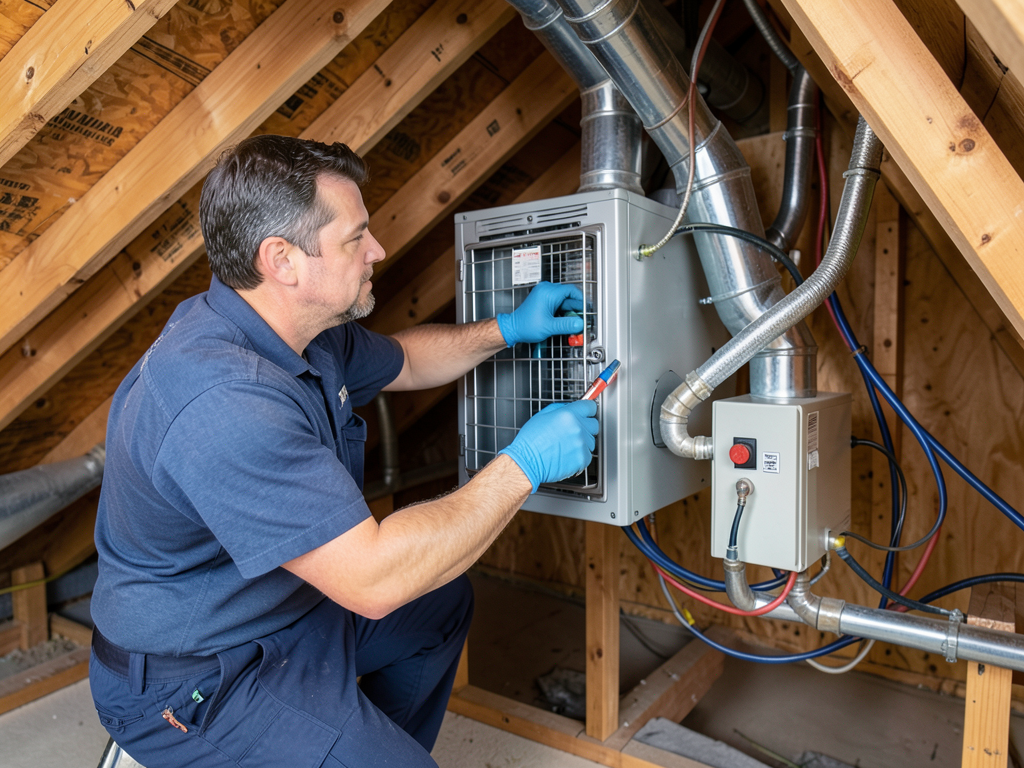
We arrive with digital diagnostic tools and test your heat pump's refrigerant pressures, electrical components, and airflow. This identifies whether you need a simple repair, a component replacement, or a full system evaluation. We check reversing valve operation, defrost cycle timing, and compressor staging to pinpoint the failure mode. You get a clear diagnosis before any work starts.
02

Repair or Replacement Decision

If your compressor has failed and your system is over ten years old, heat pump replacement often makes more financial sense than repair. We show you the cost comparison and explain efficiency gains from newer models. For repairable issues like refrigerant leaks or failed capacitors, we complete the work immediately. You decide based on data, not pressure. We stock common components for same-day emergency heat pump repair.
03

Installation and System Verification

For new installations, we mount the outdoor unit on a reinforced pad, run properly insulated refrigerant lines, and connect to your existing air handler or install a new one if needed. We test the system through multiple heating and cooling cycles, verify proper defrost operation, and measure airflow at every vent. You receive documentation of refrigerant charge, electrical readings, and system settings for future service reference.

Why Pittsburgh Residents Choose Apex HVAC for Heat Pump Service

Pittsburgh's building stock and climate require local knowledge. We understand how the region's high humidity affects coil life, how freeze-thaw cycles stress refrigerant lines, and how the city's older electrical infrastructure impacts system performance. We have diagnosed heat pump failures in century-old homes in Shadyside and new construction in Cranberry Township. That range of experience means we adapt our approach to your specific situation.

Many Pittsburgh neighborhoods have unique challenges. Homes in flood-prone areas near the Allegheny and Monongahela rivers need outdoor units mounted above potential water levels. Properties on the city's steep hillsides require careful placement to prevent drainage issues around the condenser pad. We account for these factors during heat pump system installation. We also navigate local permit requirements, which vary between the city and surrounding municipalities. Proper permitting protects you during home sales and insurance claims.

We prioritize heat pump installers who understand cold-climate operation. Pittsburgh's winters demand systems that maintain heating capacity when temperatures drop. Standard heat pumps rely heavily on backup heat below freezing, which spikes your electric bill. We install models with enhanced vapor injection and variable-speed compressors that deliver consistent heat output down to zero degrees. This technology has transformed heat pump viability in northern climates.

You also need heat pump service from technicians who stock parts locally. When your system fails on a weekend, you cannot wait three days for a part shipment. We maintain inventory of common components like reversing valves, defrost boards, and capacitor banks. This enables same-day emergency heat pump repair for most common failures. Our service vehicles carry diagnostic equipment that most competitors do not own, like refrigerant leak detectors and digital manifold gauges.

What to Expect During Heat Pump Repair and Installation

Response Time and Scheduling

For emergency heat pump repair during system failures, we dispatch within two hours during business hours and offer same-day service for most calls. Scheduled heat pump replacement projects typically begin within three to five days, depending on equipment availability. Cold-climate models sometimes require ordering, but we stock the most common sizes for immediate installation. We provide accurate arrival windows and call ahead when the technician is en route. You will not wait around all day wondering when we will show up.

Initial Assessment Process

Every service call starts with comprehensive diagnostics. We test refrigerant pressures, measure electrical current draw, check capacitor performance, and evaluate defrost cycle operation. For heat pump system installation consultations, we perform a Manual J load calculation based on your home's square footage, insulation levels, window quality, and ductwork condition. This determines correct system sizing. Oversized units short-cycle and waste energy. Undersized units run constantly and fail prematurely. We also inspect your electrical panel to verify it can handle the new equipment without upgrades.

Completed Work and Performance

After completing heat pump repair or installation, we test the system through full heating and cooling cycles. We measure airflow at every register, verify proper refrigerant charge using superheat and subcooling readings, and confirm electrical connections meet code. You receive documentation showing system performance metrics, including temperature splits, amperage draws, and refrigerant pressures. This creates a baseline for future service and proves the work was completed correctly. We walk you through thermostat operation and explain how to optimize settings for Pittsburgh's seasonal temperature swings.

Ongoing Maintenance Support

Heat pumps work harder than standard air conditioners because they run year-round. We recommend biannual maintenance, with spring and fall service visits. During these appointments, we clean coils, check refrigerant levels, test defrost operation, and inspect electrical connections. Regular maintenance catches small issues before they become expensive failures. We also offer service plans that include priority scheduling and discounted repairs. Heat pump service contracts make sense for systems over five years old, when component failures become more common. Proper maintenance extends system life by three to five years.

Frequently Asked Questions

You Have Questions,
We Have Answers

What is the average cost of a heat pump installation? +

Heat pump installation costs vary based on system size, efficiency rating, and your home's existing ductwork. In Pittsburgh, installation typically includes equipment, labor, permits, and disposal of your old system. Cold climate models perform better during our freeze-thaw cycles and may cost more upfront but save money over time. System size depends on square footage, insulation quality, and how many floors you need to heat. Variables like electrical upgrades or ductwork modifications affect final pricing. Get multiple quotes from licensed contractors who understand Pittsburgh's specific heating demands and building codes.

What is the $5000 rule for HVAC? +

The $5000 rule helps you decide between repair or replacement. Add the cost of repair to your system's age in years. If the total exceeds $5000, replacement makes more financial sense. For example, a 12-year-old system needing an $800 compressor repair totals $4800, making repair reasonable. But a 15-year-old system needing a $2000 fix totals $6500, signaling replacement time. In Pittsburgh, older systems struggle with our temperature swings and humidity. This rule provides a quick framework, though efficiency upgrades and utility rebates may shift the equation.

How expensive is it to fix a heat pump? +

Heat pump repair costs depend on the specific component failure and labor requirements. Minor fixes like replacing a capacitor or cleaning coils cost less than major repairs involving compressors or refrigerant leaks. Pittsburgh's freeze-thaw cycles stress outdoor units, sometimes causing coil damage or fan motor issues. Emergency repairs during winter cold snaps may include premium rates. Refrigerant repairs require EPA-certified technicians and proper disposal. Age matters too. Systems over 10 years old often need more frequent fixes. Regular maintenance catches small problems before they become expensive failures.

What is the labor cost to install a heat pump? +

Labor costs for heat pump installation depend on job complexity and time requirements. Straightforward replacements with existing ductwork take less time than new installations requiring ductwork modifications or electrical upgrades. Pittsburgh's older housing stock sometimes needs additional work to accommodate modern equipment. Multi-story homes require more labor than ranch homes. Installers must pull permits, ensure proper refrigerant charging, test airflow, and verify thermostat programming. Quality installation directly impacts efficiency and longevity. Rushed installations cause callbacks and performance issues. Choose contractors who allocate proper time for thorough work.

What is the average lifespan of a heat pump? +

Heat pumps typically last 12 to 15 years with proper maintenance. Pittsburgh's humid summers and cold winters put stress on outdoor units, potentially shortening lifespan without regular care. Annual maintenance catches worn components before they fail. Factors affecting longevity include installation quality, usage patterns, and whether you change filters regularly. Coastal salt air is not an issue here, but road salt spray in winter can corrode components. Cold climate models built for our weather last longer than standard units pushed beyond their design limits. Replace aging systems before catastrophic failure occurs.

How much does a heat pump cost for a 2000 square foot home? +

A 2000 square foot home in Pittsburgh typically needs a 3 to 4 ton heat pump, depending on insulation quality, window efficiency, ceiling height, and how many floors you have. Older homes with poor insulation require larger units or supplemental heating. Our cold winters mean you need a cold climate heat pump rated for efficient operation below freezing. Two-story homes distribute heat differently than ranches. Open floor plans heat more efficiently than chopped-up layouts. Manual J load calculations determine exact sizing. Oversized units short cycle and waste energy. Get proper sizing from qualified contractors.

Is a new HVAC system tax deductible in 2025? +

The Inflation Reduction Act offers federal tax credits for qualifying heat pump installations through 2032. You may claim 30 percent of equipment and installation costs, up to specified limits. High-efficiency models meeting Energy Star requirements typically qualify. Pittsburgh homeowners should verify current IRS guidelines and efficiency thresholds before purchasing. Some systems qualify for additional utility rebates from local providers, stacking savings. Keep all receipts and manufacturer certifications for tax filing. Consult a tax professional about your specific situation. State and local incentives may also apply. Credits reduce your tax liability directly.

What is the 3 minute rule for AC? +

The 3 minute rule protects your compressor from damage. After your system shuts off, wait at least 3 minutes before restarting. This allows refrigerant pressure to equalize throughout the system. Starting too soon forces the compressor to work against high pressure, causing wear and potential failure. Modern thermostats include delay timers to enforce this automatically. Never rapidly flip your thermostat on and off or cut power at the breaker during troubleshooting. Pittsburgh's temperature swings tempt homeowners to fiddle with controls. Let the system cycle naturally. Repeated short cycling indicates a problem requiring professional diagnosis.

How much does it cost to install a 4 ton heat pump package unit? +

Package unit installation costs reflect both equipment and labor for these all-in-one systems. A 4 ton package unit heats and cools approximately 1800 to 2400 square feet, depending on insulation and layout. Package units work well for homes without indoor space for split systems or when replacing rooftop commercial units. Installation includes roof or ground pad mounting, electrical connections, ductwork tie-ins, and weatherproofing. Pittsburgh installations need proper drainage for our humidity and precipitation. Ground mounting protects units from roof leaks but requires yard space. Costs vary with placement complexity and existing infrastructure.

What is the most common problem with heat pumps? +

Refrigerant leaks rank as the most common heat pump problem. Leaks reduce heating and cooling capacity, force the compressor to work harder, and require EPA-certified repair. Pittsburgh's temperature extremes stress refrigerant lines and coil joints. Other frequent issues include frozen coils from restricted airflow, failed reversing valves preventing mode switching, and defrost cycle malfunctions during winter. Dirty filters cause many problems homeowners can prevent. Capacitor failures stop fans or compressors. Thermostat miscommunication creates phantom problems. Regular maintenance identifies wear patterns before components fail completely. Address small issues promptly to avoid system-wide damage.

How Pittsburgh's Freeze-Thaw Cycles Accelerate Heat Pump Failures

Pittsburgh experiences dozens of freeze-thaw cycles each winter, where temperatures swing above and below freezing multiple times per week. This cycling stresses heat pump components in ways continuous cold does not. Refrigerant lines expand and contract, creating stress fractures at brazed joints. Condensate that forms during defrost cycles can refreeze, blocking drainage and forcing the unit into emergency shutdown. The outdoor coil ices over more frequently than in climates with stable cold, which forces the defrost cycle to run repeatedly. Each defrost cycle reverses refrigerant flow, which wears reversing valves faster than in milder climates. These conditions demand heat pump installers who understand cold-climate operation and specify components rated for thermal cycling stress.

Local building codes in Pittsburgh and surrounding Allegheny County municipalities require proper permitting for heat pump system installation. We handle all permit applications and schedule required inspections. This protects you during home sales and ensures your homeowner's insurance remains valid. Many out-of-area contractors skip permits, which creates liability. We also understand local electrical code requirements, particularly for homes with older 100-amp panels that may need upgrades to handle modern heat pump loads. Our heat pump service includes working with local building inspectors who know our work meets code. That relationship speeds approvals and prevents installation delays.
HVAC Services in The Pittsburgh Area

We are proud to serve the community and its surrounding areas, providing superior heating and cooling services where they are needed most. Whether you’re a residential homeowner or a business owner, you can find our location on the map below. We are committed to being easily accessible and ready to respond quickly, ensuring that professional and reliable HVAC help is always just a call away.

Address:
Apex HVAC Pittsburgh, 450 Melwood Ave, Pittsburgh, PA, 15213

Additional Services We Offer

Our news updates

Latest Articles & News from The Blogs

Your Brighton Heights air conditioner should run in steady cooling cycles, not shut off and start again every few minutes.…

Why Your Brighton Heights AC Keeps Turning Off and On Every Five Minutes

Your Brighton Heights air conditioner should run in steady cooling cycles, not shut off and start again every few minutes.…

Does Your HVAC System Actually Help with Radon Mitigation in Marshall Township

Does Your HVAC System Actually Help with Radon Mitigation in Marshall Township Your HVAC system is designed to heat and…

Stylish Ways to Cover Ugly Radiators in Your Historic Friendship House

Stylish Ways to Cover Ugly Radiators in Your Historic Friendship House \n\n Living in Friendship means embracing the charm of…

Contact Us

If your heat pump has failed or you need a new system installed, call Apex HVAC Pittsburgh at (412) 387-0477. We dispatch quickly for emergency repairs and provide accurate quotes for replacements. Your comfort matters, and we deliver results.