menu

Outdoor Unit Not Spinning in Pittsburgh – Fast Diagnosis and Expert Repair That Stops Further Damage

When your air conditioner outdoor fan stops working, you need accurate troubleshooting and the right fix the first time. Our technicians diagnose condenser fan failures fast and restore cooling before compressor damage sets in.

Slider Image 1
Slider Image 2
Slider Image 3
Slider Image 4
Slider Image 5
Slider Image 7
Slider Image 8
Slider Image 9
Slider Image 10
Slider Image 11

Why Your AC Condenser Fan Stopped Spinning

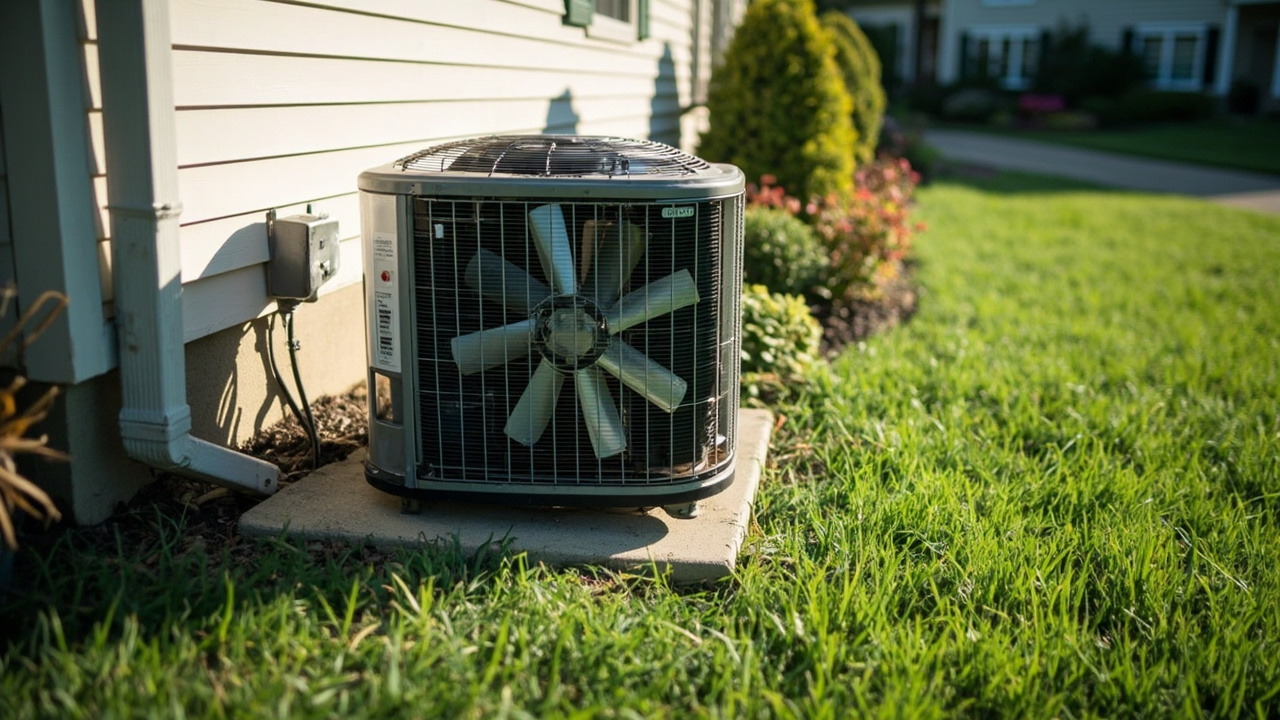
You walk outside and see your condenser unit sitting silent. No hum. No spin. Just stillness. The compressor might be running, but the outside AC fan is not turning at all.

This is not a minor issue. Pittsburgh's humid summer climate puts relentless demand on outdoor units. When the condenser fan stops, the refrigerant cannot release heat. Your compressor starts overheating. Without airflow across the coils, the entire system backs up. You risk compressor failure, which turns a simple fan motor replacement into a full system replacement.

The air conditioner outdoor fan not running happens for specific reasons. A failed capacitor is the most common culprit. The start capacitor gives the motor the electrical jolt it needs to begin spinning. When it fails, the motor hums but cannot turn. Contactor failure is another cause. The contactor is the relay that sends power to the fan motor. If the contacts weld shut or burn out, the motor receives no signal.

Fan motor burnout happens after years of stress. The bearings seize. The windings overheat. The motor stops. If the condenser fan is not spinning and you hear no sound at all, the motor itself may be dead. Debris can also jam the blades. Leaves, sticks, and seeds blow into the unit during Pittsburgh's windy spring storms. A jammed blade puts strain on the motor and trips the breaker.

The outdoor unit fan stopped for a reason. Your system is telling you something failed. Ignoring it leads to catastrophic compressor damage.

Why Your AC Condenser Fan Stopped Spinning
How We Fix AC Condenser Fan Failures the Right Way

How We Fix AC Condenser Fan Failures the Right Way

We do not guess. We test. The difference between a quick fix and a repeat callback is proper diagnostics.

First, we check for power at the contactor. We use a multimeter to confirm voltage. If the contactor is receiving 24 volts from the thermostat but not sending 240 volts to the fan motor, the contactor is defective. We replace it on the spot.

Next, we test the capacitor. The dual-run capacitor powers both the compressor and the fan motor. We check microfarad ratings with a capacitor tester. If the readings fall outside tolerance, the capacitor cannot store or release charge properly. A weak capacitor will cause the AC condenser fan to stop working intermittently before it fails completely. We replace it with the correct rated capacitor for your system.

If power and capacitance are good, we test the motor itself. We check for continuity in the windings. We spin the blade by hand to check for bearing resistance. A seized bearing means the motor is finished. We replace the fan motor with an OEM-grade unit that matches your condenser specifications.

We also inspect the fan blade for cracks, warping, or imbalance. A damaged blade creates wobble, which wears out bearings faster. We check the mounting bracket and grommets. Loose hardware causes vibration. Vibration kills motors.

We do not stop at the symptom. We trace the root cause. That is how we prevent the same failure from happening again in three months.

What Happens When You Call About Your Outdoor Unit Not Spinning

Outdoor Unit Not Spinning in Pittsburgh – Fast Diagnosis and Expert Repair That Stops Further Damage
01

Same-Day Diagnostic Visit

We dispatch a technician to your location within hours. Upon arrival, we perform voltage testing at the contactor, capacitor load testing, and fan motor continuity checks. We identify the failed component and explain what caused the breakdown. You get a clear diagnosis before any work begins. No guessing. No upselling.
02

Component Replacement or Repair

Once we confirm the failure point, we replace the defective part. Capacitors, contactors, and most fan motors are stocked on our trucks. We install the new component, reconnect wiring, and test startup sequence under load. We verify proper amperage draw and ensure the fan reaches full RPM within seconds. The unit cycles correctly before we leave.
03

System Performance Verification

After the repair, we monitor system operation through a full cooling cycle. We check refrigerant pressures to confirm the compressor is not overheating. We verify airflow across the condenser coils. We inspect electrical connections for signs of arcing or corrosion. You walk away with a system that runs correctly and a clear explanation of what went wrong.

Why Pittsburgh Homeowners Trust Apex HVAC Pittsburgh for Condenser Fan Repairs

Pittsburgh's HVAC demands are specific. Humid summers stress condensers harder than dry climates. Spring pollen clogs coils. Fall leaves jam fan blades. Winter freeze-thaw cycles corrode electrical components faster. You need a technician who understands these conditions.

We work on units installed throughout Shadyside, Squirrel Hill, Mount Washington, and the South Hills. We know the common failures on Bryant, Carrier, Trane, and Lennox systems installed in this region. We know which capacitors fail early on units that sit in direct sun. We know which contactors corrode faster in units near the Ohio River valley moisture.

Local suppliers stock the parts we need. We do not wait three days for a capacitor to ship. We pull it from inventory and get your system running the same day.

We also understand local building conditions. Many Pittsburgh homes have condensers tucked into tight side yards with poor clearance. Narrow access means careful work. We do not damage landscaping or siding while servicing your unit. Older homes in Lawrenceville and Polish Hill have outdated electrical panels. We check for proper breaker ratings and grounding. If your panel cannot support your AC safely, we tell you.

You are not hiring a national franchise call center. You are hiring a local team that knows Pittsburgh systems and Pittsburgh problems. We do not rotate random technicians to your door. You get experienced professionals who have diagnosed hundreds of condenser fan failures.

What to Expect When We Repair Your Outdoor Unit

Response Time and Availability

We offer same-day service for outdoor unit failures. When your condenser fan stops spinning, waiting until next week is not an option. We schedule appointments quickly and arrive within the promised window. Emergency service is available for urgent breakdowns during heat waves. You can reach us seven days a week. We do not force you to wait until Monday while your compressor overheats and fails. Speed matters when the problem can cascade into a full system replacement.

Diagnostic Process and Transparency

Before we touch a single part, we explain what we found and why it failed. You get a clear breakdown of the problem. We show you the failed capacitor, the burnt contactor, or the seized motor. We explain what caused the failure and whether other components are at risk. You receive an upfront price for the repair. No hidden fees. No surprise charges. We do not proceed until you approve the work. Transparency builds trust. We give you the information you need to make the right decision.

Quality of Repair and Components

We use OEM-grade and high-quality aftermarket components that meet or exceed manufacturer specifications. Cheap capacitors fail within months. Substandard contactors arc and burn out. We install parts that last. Every repair is tested under load before we consider the job complete. We verify voltage, amperage, and airflow. We check that the fan reaches full speed and the system cools properly. You get a repair that works correctly the first time. Corners are not cut. Quality is not optional.

Follow-Up and Maintenance Recommendations

After the repair, we provide clear guidance on preventing future failures. We recommend seasonal maintenance to catch issues before they cause breakdowns. Cleaning coils, checking electrical connections, and testing capacitors annually extends the life of your system. We offer maintenance plans that include priority scheduling and discounted service. If you experience any issues after the repair, we return to address them. You are not left guessing. You get ongoing support and honest advice about when repairs make sense and when replacement is the smarter financial decision.

Frequently Asked Questions

You Have Questions,
We Have Answers

Why is my outside AC not spinning? +

Your outdoor AC fan stops spinning when a capacitor fails, the motor burns out, or the contactor gets stuck. In Pittsburgh's humid summers, capacitors wear faster from constant cycling during high-demand days. Debris like cottonwood seeds or maple helicopters clog the unit and overheat the motor. Electrical issues from storms can also trip the breaker or damage wiring. If the compressor runs but the fan stays still, the motor or capacitor likely failed. Turn off your system and call a technician. Running without airflow damages the compressor and costs more to repair.

What is the problem if the fan is not spinning? +

When your fan won't spin, the capacitor is usually dead. The capacitor stores energy to start the motor. Pittsburgh's temperature swings and high humidity degrade capacitors faster, causing failure within five to seven years. A bad motor, broken fan blade, or seized bearings also stop rotation. If you hear humming but no movement, the motor tries to start but cannot. Inspect for visible damage or debris blocking the blades. Do not attempt to spin the blade manually while power is on. Shut down your unit and schedule professional diagnostics to prevent further damage.

Why is my AC unit humming but not spinning? +

A humming outdoor unit with a still fan signals a failed capacitor or a struggling motor. The hum means the compressor tries to engage but the fan cannot start without capacitor assistance. This issue spikes during Pittsburgh's peak cooling season when units run nonstop. Dirt buildup, worn bearings, or electrical shorts also cause humming without movement. Continued operation risks compressor burnout, which costs thousands to replace. Turn off your system immediately. A technician will test the capacitor, inspect the motor windings, and check electrical connections to restore function and prevent catastrophic failure.

How to fix AC unit outside fan not working? +

Turn off power at the breaker and thermostat first. Remove debris from around the unit and clean the fan blades. Check if the blade spins freely by hand when power is off. If it does not, bearings may be seized. Inspect the capacitor for bulging or leaking, which signals failure. Reset the breaker if tripped. For Pittsburgh homeowners, frequent storm damage and power surges require professional diagnostics. Do not bypass safety switches or force the fan. A certified technician can replace the capacitor, motor, or contactor safely and restore cooling without risking injury or equipment damage.

Should I turn off my AC if the fan isn't spinning? +

Yes, shut off your AC immediately if the outdoor fan stops spinning. Running without airflow traps heat around the compressor, causing overheating and permanent damage. The compressor is the most expensive component, often costing two to three thousand dollars to replace. In Pittsburgh's summer humidity, overheating happens faster. Turn off the system at the thermostat and the breaker. Open windows or use fans until a technician diagnoses the problem. Delaying repair increases damage and raises costs. Most fan issues stem from inexpensive parts like capacitors, so quick action saves money and prevents total system failure.

What is the $5000 rule for AC? +

The $5000 rule helps you decide between repairing or replacing your AC. Multiply the repair cost by your system's age in years. If the result exceeds $5000, replace the unit. For example, a $500 repair on a twelve-year-old system equals $6000, so replacement makes sense. Pittsburgh's freeze-thaw cycles and humidity accelerate wear, shortening system lifespan to twelve to fifteen years. A new unit offers better efficiency, lower energy bills, and fewer repairs. If your unit nears ten years and needs costly work, replacement often beats ongoing repair costs and breakdowns during peak summer heat.

How do I know if my fan motor is blown? +

A blown fan motor shows clear signs. You hear humming or buzzing but the fan does not turn. The motor feels excessively hot to touch after shutdown. You smell burning or see scorch marks near the motor housing. The fan spins sluggishly or stops mid-cycle. Pittsburgh's humidity and storm damage accelerate motor failure. Use a multimeter to test for electrical continuity if you know how, but most homeowners need professional testing. Motors fail from worn bearings, electrical shorts, or capacitor problems. Replacing a motor costs less than replacing the compressor damaged by overheating, so diagnose quickly.

How do I make my fan spin again? +

You cannot safely fix a stopped fan yourself if electrical or motor failure caused it. Turn off power and check for debris jamming the blades. Remove leaves, sticks, or cottonwood buildup common in Pittsburgh yards. If the blade spins freely by hand, the issue is electrical. A failed capacitor, bad contactor, or tripped breaker needs professional repair. Do not spray lubricants into sealed motors or bypass safety switches. Forcing a stuck blade can break fan blades or damage the motor shaft. A technician replaces faulty parts, tests the system, and restores safe operation without risking injury or equipment damage.

Can you spray WD-40 in a fan motor? +

No, do not spray WD-40 into your AC fan motor. Most modern motors use sealed bearings that do not require lubrication. WD-40 attracts dust and debris, gumming up components and causing faster failure. It can also damage plastic parts or electrical insulation. If your motor needs lubrication, it requires specific motor oil applied to designated ports, not aerosol sprays. Pittsburgh's humid climate already stresses motors, and improper lubrication accelerates corrosion. If your fan squeals or seizes, call a technician. Attempting DIY fixes on electrical components risks shock, fire, or voiding warranties. Professional service ensures safe, correct repairs.

What is the 3 minute rule for AC? +

The three-minute rule prevents compressor damage during rapid cycling. After your AC shuts off, wait three minutes before restarting. This delay allows refrigerant pressure to equalize throughout the system. Restarting too quickly forces the compressor to start against high pressure, causing strain, overheating, and premature failure. Pittsburgh's frequent summer storms and power outages make this rule critical. Many thermostats have built-in delay timers. If your breaker trips or you reset the system, wait before powering back on. Compressors cost thousands to replace. Following the three-minute rule extends equipment life and prevents expensive emergency repairs during peak cooling season.

How Pittsburgh's Humidity and Seasonal Debris Cause Outdoor Unit Fan Failures

Pittsburgh's climate creates specific failure patterns. Summer humidity accelerates corrosion on electrical contacts. Moisture gets into contactor housings and corrodes the relay points. Spring storms blow seeds, leaves, and pollen into outdoor units. Debris jams fan blades and clogs condenser coils. The motor strains to spin against resistance and overheats. Fall brings more leaves. Winter freeze-thaw cycles crack capacitor housings. Ice buildup during cold snaps can bend fan blades. These conditions make Pittsburgh outdoor units more prone to fan motor and capacitor failures than units in drier climates. Regular inspections catch these issues before the fan stops spinning entirely.

Choosing a local HVAC company means working with technicians who understand these regional challenges. We see the same failure modes across Pittsburgh neighborhoods. We know which brands hold up better in Allegheny County's humidity. We stock the parts that fail most often in local systems. National companies rotate technicians who do not know the area. They do not stock local parts. They do not understand why your contactor corroded in two years instead of ten. Local expertise speeds up diagnosis and gets your system running faster. You get a repair team that knows Pittsburgh conditions inside and out.
HVAC Services in The Pittsburgh Area

We are proud to serve the community and its surrounding areas, providing superior heating and cooling services where they are needed most. Whether you’re a residential homeowner or a business owner, you can find our location on the map below. We are committed to being easily accessible and ready to respond quickly, ensuring that professional and reliable HVAC help is always just a call away.

Address:
Apex HVAC Pittsburgh, 450 Melwood Ave, Pittsburgh, PA, 15213

Additional Services We Offer

Our news updates

Latest Articles & News from The Blogs

Your Brighton Heights air conditioner should run in steady cooling cycles, not shut off and start again every few minutes.…

Why Your Brighton Heights AC Keeps Turning Off and On Every Five Minutes

Your Brighton Heights air conditioner should run in steady cooling cycles, not shut off and start again every few minutes.…

Does Your HVAC System Actually Help with Radon Mitigation in Marshall Township

Does Your HVAC System Actually Help with Radon Mitigation in Marshall Township Your HVAC system is designed to heat and…

Stylish Ways to Cover Ugly Radiators in Your Historic Friendship House

Stylish Ways to Cover Ugly Radiators in Your Historic Friendship House \n\n Living in Friendship means embracing the charm of…

Contact Us

Do not wait while your compressor overheats. Call Apex HVAC Pittsburgh now at (412) 387-0477. We will diagnose the problem, explain the fix, and restore cooling fast. Same-day service available.