menu

Why Air Filter Changes Matter in Pittsburgh – Protect Your System from Industrial Particulates and Seasonal Allergens

Regular air filter replacement in Pittsburgh prevents system breakdowns caused by coal dust, pollen, and humidity-driven mold growth while reducing energy waste in your home or business.

Slider Image 1
Slider Image 2
Slider Image 3
Slider Image 4
Slider Image 5
Slider Image 7
Slider Image 8
Slider Image 9
Slider Image 10
Slider Image 11

Pittsburgh's Air Quality Demands Frequent Filter Attention

Pittsburgh sits in a river valley where industrial legacy and seasonal pollen create unique indoor air challenges. The convergence of the Allegheny, Monongahela, and Ohio Rivers traps particulate matter in the basin, forcing your HVAC system to work harder than in most cities.

The benefits of changing air filters become obvious when you consider what your system faces. Steel mill remnants still release fine particulates in neighborhoods near Braddock and Homestead. Spring brings cottonwood and oak pollen from hillside forests. Summer humidity breeds mold spores that clog filters fast. Winter road salt dust blows through South Side and Strip District ventilation intakes.

A clogged filter forces your blower motor to strain. This increases energy consumption by 15 to 20 percent while decreasing airflow to rooms farthest from your air handler. Bedrooms heat unevenly. Basements stay damp. Your compressor cycles more frequently, shortening its lifespan by years.

The significance of air filter replacement goes beyond comfort. Dirty filters allow fine particles to coat your evaporator coil, reducing heat transfer efficiency. In commercial spaces near Liberty Avenue or Penn Avenue, this means higher cooling costs during July humidity spikes and uneven heating when January temperatures drop below 20 degrees.

The impact of dirty air filters shows up in your utility bills before you notice comfort problems. Furnaces run longer cycles. Air conditioners struggle to dehumidify. Ductwork accumulates dust that eventually circulates back into living spaces, triggering allergies in residents across Squirrel Hill, Shadyside, and Mount Washington.

Pittsburgh's Air Quality Demands Frequent Filter Attention
How Regular Filter Changes Protect Your Investment

How Regular Filter Changes Protect Your Investment

Apex HVAC Pittsburgh approaches filter maintenance as preventive medicine for your system. We match filter MERV ratings to your specific environment, not just what fits the slot. A home near Route 28 needs higher filtration than a house in Fox Chapel because of diesel particulates from truck traffic.

The reasons for changing ac filters extend to every component downstream. Your blower motor draws 30 percent more amperage when pushing air through a blocked filter. This heat buildup degrades capacitor lifespan and stresses wiring connections. We have pulled motors from systems in Lawrenceville row homes where filters had not been changed in eight months. The windings showed thermal damage that cut expected service life in half.

Filter changes also protect your drain pan and condensate line. Pittsburgh's humidity means your evaporator coil pulls moisture from air year-round. A restricted filter reduces airflow across the coil, dropping surface temperature below the dew point. This creates excess condensation that overwhelms drain capacity, leading to pan overflows in finished basements throughout the East End.

We inspect static pressure during service calls, measuring resistance across your filter. Readings above 0.5 inches of water column indicate restriction, even if the filter looks clean to your eye. This matters in older homes with undersized return grilles common in Highland Park and Point Breeze construction from the 1920s.

The methodology includes checking filter fit. Gaps around the frame allow bypass air to carry dust directly to your coil. We see this frequently in commercial buildings Downtown where maintenance staff install filters without verifying gasket contact against the track.

What Happens During a Filter Service Visit

Why Air Filter Changes Matter in Pittsburgh – Protect Your System from Industrial Particulates and Seasonal Allergens
01

System Assessment and Measurement

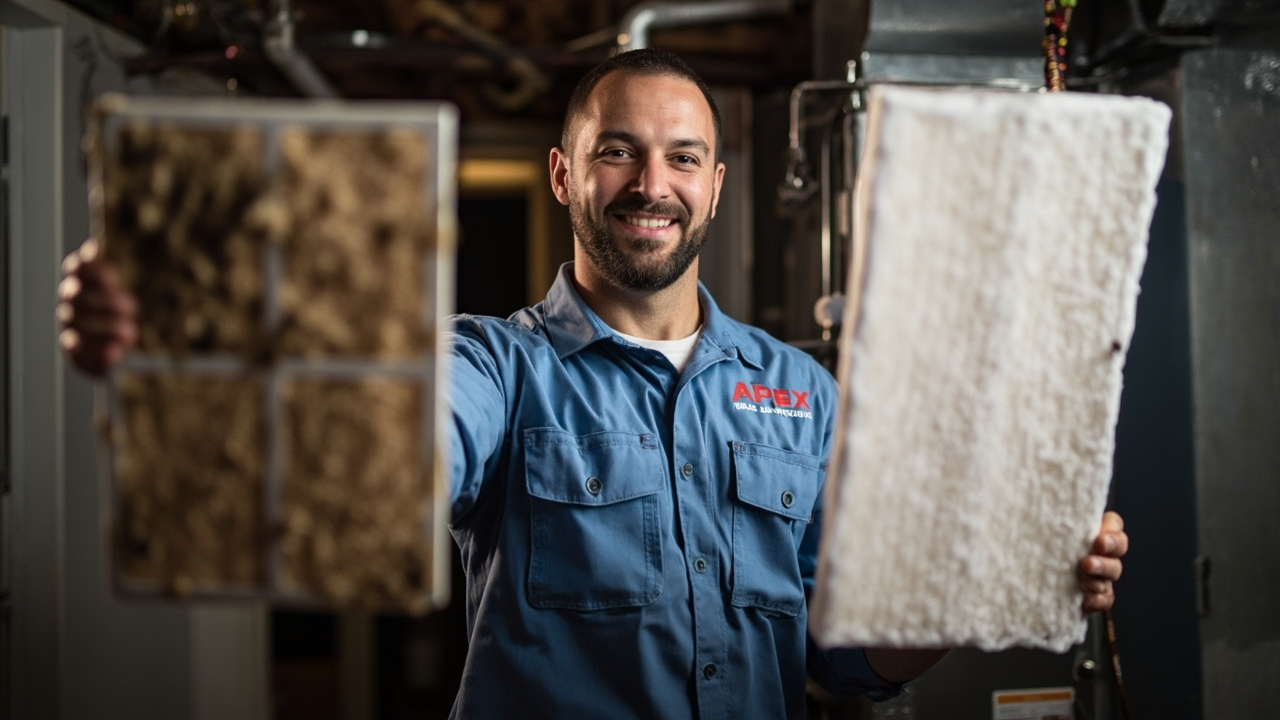
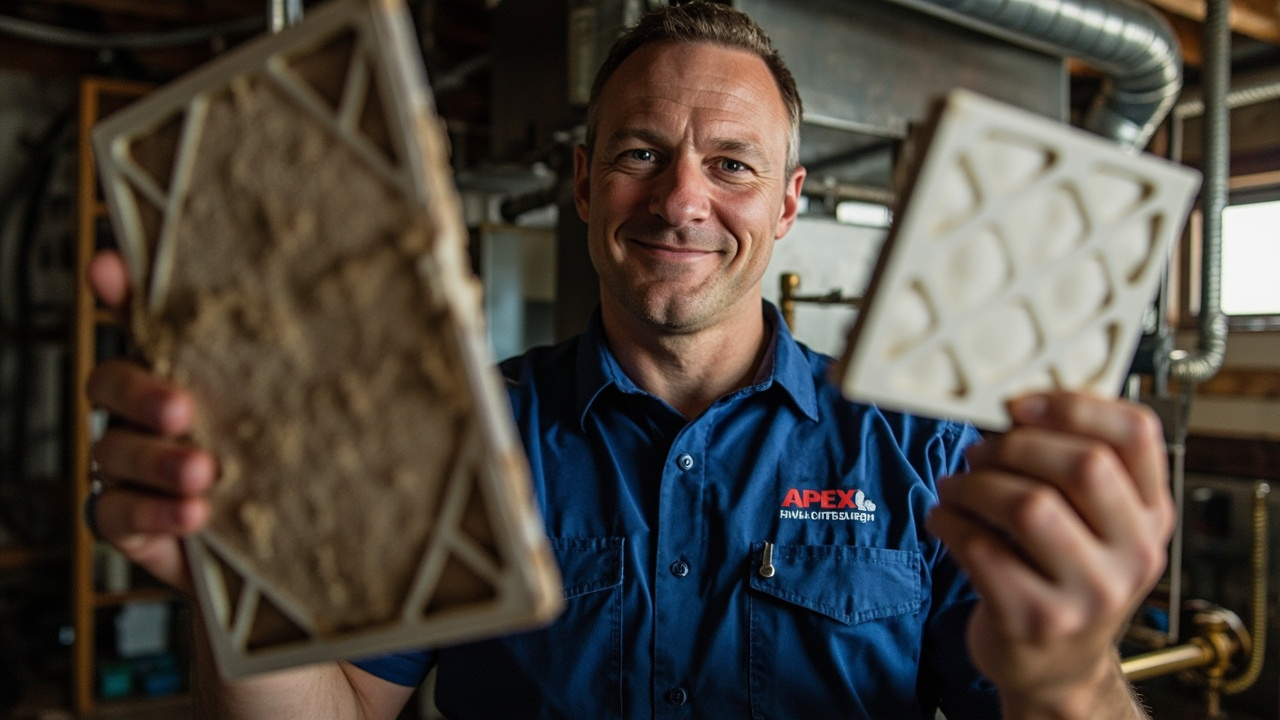
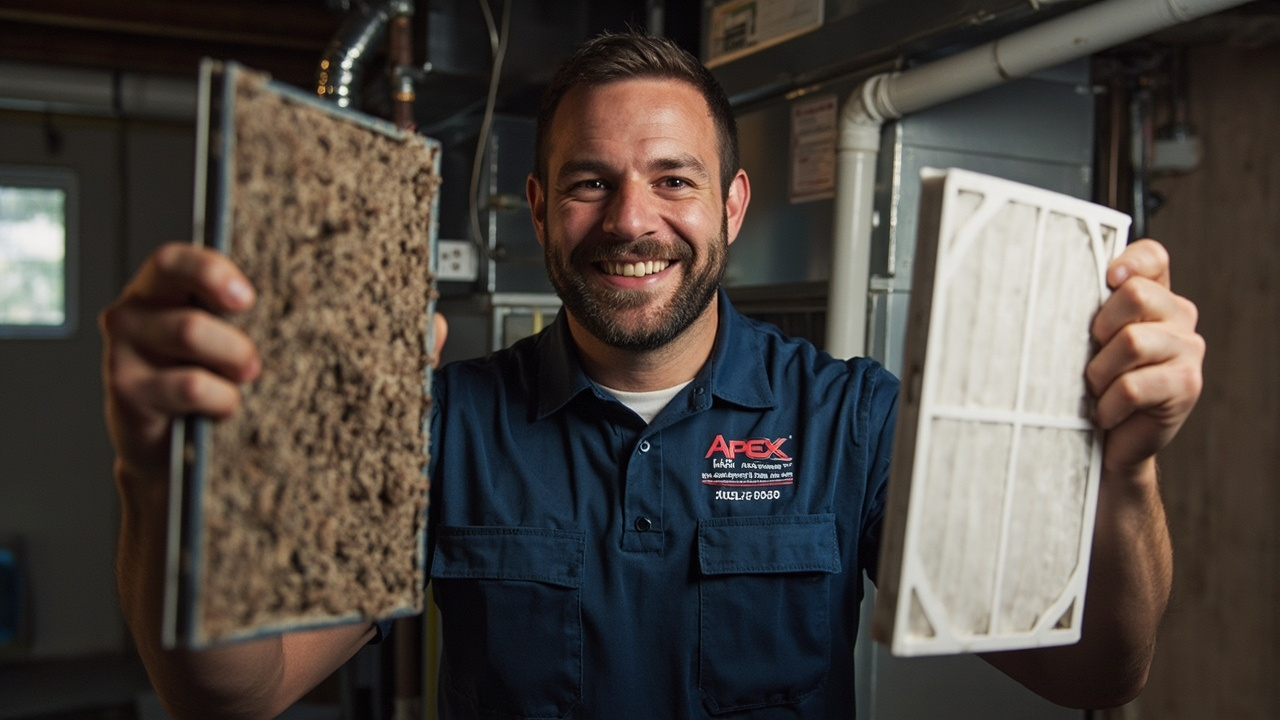
We measure your current filter dimensions and inspect the housing for damage or gaps. Static pressure readings tell us if the existing filter MERV rating matches your system capacity. Pittsburgh homes with single return grilles need different filtration strategies than newer construction with multiple returns. We photograph the existing filter condition and check for bypass around the frame that allows unfiltered air into your ductwork.
02

Filter Selection and Installation

We install filters matched to your specific air quality challenges and system capacity. Homes near Parkway East need MERV 11 or higher to capture diesel particulates. Properties in tree-dense areas like Schenley Park require pleated media that handles pollen without restricting airflow. We verify proper fit and seal, then set reminder schedules based on your occupancy patterns, pet count, and local environmental factors unique to Pittsburgh's river valley climate.
03

Documentation and Scheduling

You receive a written record showing filter type, MERV rating, and recommended change interval. We photograph the installation and note static pressure readings for future comparison. Commercial clients get digital reports tracking filter costs and energy impacts. Residential customers receive calendar reminders timed to Pittsburgh's peak pollen seasons in April and September, plus pre-winter checks before heating season starts in October.

Why Pittsburgh Properties Need Local HVAC Expertise

Pittsburgh's housing stock spans 150 years of construction methods. Victorian homes in Deutschtown have gravity furnaces converted to forced air. Post-war ranches in Dormont have undersized ductwork. Modern builds in Bakery Square meet current code but use builder-grade filters inadequate for our particulate load.

Apex HVAC Pittsburgh understands these variables because we work in every neighborhood daily. We know that homes on steep slopes in Mount Washington face different air pressure dynamics than flat lots in Brookline. We have sized filters for restaurant kitchens in the Cultural District and manufacturing spaces in the Strip District.

The benefits of changing air filters multiply when the replacement schedule accounts for local conditions. Spring pollen from Frick Park and Schenley Park hits between mid-April and late May. Ragweed follows in August. Leaf mold peaks in October. Winter brings road salt dust and increased furnace runtime. A generic quarterly change schedule misses these peaks.

Our technicians recognize the signs of improper filtration specific to Pittsburgh systems. Black streaks on walls near return grilles indicate bypass air. Musty odors in basements near the rivers signal mold growth on wet coils. Uneven temperatures between floors point to restricted airflow from clogged filters.

We also understand local code requirements. Commercial properties must maintain documentation for health department inspections. Multi-family buildings in the city have specific ventilation standards. We provide the paperwork and photographic evidence that satisfies inspectors while keeping your system running efficiently.

Why replace hvac filters with generic big-box products when Pittsburgh's environment demands specialized solutions? Our inventory includes filter options not available in retail stores, matched to the specific challenges your system faces.

What to Expect from Professional Filter Service

Same-Day Service Availability

We stock common filter sizes for immediate installation across Pittsburgh. Service calls scheduled before noon typically receive same-day completion. Emergency situations where a clogged filter has caused system shutdown get priority dispatch. Commercial clients can schedule after-hours service to avoid disrupting business operations. Our technicians carry multiple MERV ratings to match your specific needs during the visit, eliminating return trips for special orders.

Complete System Evaluation

Filter replacement includes inspection of your entire air handling system. We check blower wheel condition for dust buildup that reduces efficiency. Evaporator coils get visual inspection for debris accumulation. Condensate drains receive flow testing to prevent backups. Static pressure measurements before and after filter installation confirm proper airflow restoration. You receive a written report detailing any concerns found during the evaluation, with recommendations prioritized by urgency and cost impact.

Measurable Performance Improvement

A proper filter change restores design airflow to your system. Rooms heat and cool more evenly. Energy consumption drops as your blower motor operates at normal amperage. Indoor air quality improves as filtration efficiency increases. Temperature differentials between supply and return vents return to manufacturer specifications. Commercial spaces see immediate reduction in dust accumulation on merchandise and equipment. Residential clients notice fewer allergy symptoms and reduced dust on furniture between cleanings.

Preventive Maintenance Programs

We offer scheduled filter replacement programs that eliminate the need to remember change dates. Residential plans include seasonal visits timed to Pittsburgh's pollen and heating cycles. Commercial contracts provide monthly or quarterly service based on your occupancy and air quality requirements. Program members receive priority scheduling and discounted rates on additional repairs. We maintain service records that track filter performance and system health over time, identifying patterns that predict component failures before they cause breakdowns.

Frequently Asked Questions

You Have Questions,
We Have Answers

Is changing the air filter important? +

Yes. Changing your air filter directly impacts system efficiency and indoor air quality. A clogged filter forces your HVAC system to work harder, which increases energy bills and accelerates wear on components like the blower motor. In Pittsburgh, where humidity fluctuates and seasonal allergens from rivers and valleys are common, a clean filter captures pollen, dust, and mold spores that aggravate respiratory conditions. Neglecting this simple task leads to costly repairs and uncomfortable indoor environments. Replace filters every 1-3 months depending on usage, pets, and air quality concerns.

What can happen if you don't replace the air filter? +

Skipping air filter replacement clogs your system with dust and debris. The blower motor strains to push air through the blockage, which causes overheating and premature failure. Your energy bills climb as efficiency drops. Indoor air quality suffers because allergens, mold spores, and particulates recirculate instead of being trapped. In Pittsburgh homes with older ductwork or basement systems prone to dampness, a dirty filter accelerates mold growth. You risk expensive compressor damage, frozen evaporator coils, and complete system shutdowns during peak heating or cooling months when you need reliability most.

Does changing the air filter improve performance? +

Absolutely. A fresh air filter restores airflow, which allows your HVAC system to operate at designed capacity. You will notice improved heating and cooling output, faster temperature response, and quieter operation. Energy consumption drops because the blower motor does not strain against resistance. In Pittsburgh, where winter furnace demands and summer humidity stress systems year-round, maintaining unrestricted airflow prevents hot or cold spots in rooms and reduces runtime. This extends equipment lifespan and lowers monthly utility costs. Performance gains are immediate and measurable after a simple filter swap.

How often should your air filter be replaced? +

Replace standard 1-inch pleated filters every 30-90 days. Homes with pets, smokers, or allergy sufferers need monthly changes. If you run your system constantly or live near Pittsburgh industrial zones where airborne particulates are higher, inspect filters every 30 days. Thicker 4-inch media filters last 6-12 months. Check manufacturer recommendations for your specific filter type. During high pollen seasons in spring and fall, or when Pittsburgh humidity spikes in summer, increase replacement frequency. Set calendar reminders. A $20 filter prevents $2,000 repair bills from neglected maintenance.

Can I just clean my air filter instead of replacing it? +

No. Most residential HVAC filters are disposable and designed for single use. Washing a pleated paper filter destroys the media, creates tears, and reduces filtration efficiency. Reusable electrostatic or metal mesh filters exist, but they require thorough washing and complete drying before reinstallation. Wet filters promote mold growth, which Pittsburgh homes already battle due to humidity from the rivers and valleys. Even cleaned reusable filters lose effectiveness over time. Disposable filters are inexpensive and guarantee proper filtration. Replace them instead of risking system damage or poor air quality from inadequate cleaning.

What is the life expectancy of an air filter? +

Standard 1-inch fiberglass filters last 30 days under normal conditions. Pleated filters with higher MERV ratings last 60-90 days. Thick 4-inch or 5-inch media filters can last 6-12 months. Actual lifespan depends on system runtime, household occupancy, pets, smoking, and local air quality. Pittsburgh homes near construction zones, industrial areas, or with older ductwork accumulate debris faster. Inspect filters monthly by holding them to light. If you cannot see through the media, replace immediately. Filters are time-based and condition-based. Do not exceed manufacturer timeframes regardless of appearance.

What happens if you haven't changed your air filter in 3 years? +

You face catastrophic system damage. The filter is completely clogged with dust, pet dander, and debris. Airflow restriction forces the blower motor into constant overwork, which causes overheating and burnout. Evaporator coils freeze from insufficient air movement. Ductwork fills with accumulated grime. Indoor air quality becomes hazardous with recirculating allergens and potential mold spores, especially in Pittsburgh basements with seasonal dampness. Energy bills skyrocket as efficiency plummets. You risk compressor failure, cracked heat exchangers, and total system replacement costs exceeding $5,000. Replace the filter immediately and schedule a professional inspection for hidden damage.

What is the $5000 AC rule? +

The $5,000 AC rule is a cost-benefit guideline for replacing versus repairing aging air conditioners. Multiply the repair estimate by the system age in years. If the result exceeds $5,000, replacement is smarter than repair. For example, a $500 repair on a 12-year-old unit equals $6,000, so replace it. This rule accounts for efficiency gains with newer units, warranty coverage, and avoiding repeat repairs on failing equipment. In Pittsburgh, where humidity and temperature swings stress older systems, this calculation helps homeowners make financially sound decisions before breakdowns occur during peak summer demand.

Will I notice a difference with a new air filter? +

Yes. You will notice immediate improvements in airflow from vents, faster room temperature adjustments, and quieter system operation. Air smells fresher without dusty or musty odors. Energy consumption drops as your HVAC system runs more efficiently without fighting resistance. In Pittsburgh homes, where seasonal allergens and humidity affect indoor air, a new filter reduces sneezing, congestion, and respiratory irritation. Temperature consistency improves across rooms. Your system cycles less frequently because it reaches thermostat settings faster. These changes happen within hours of installation. Track energy bills monthly to see cost savings accumulate.

Does changing the air filter affect AC? +

Yes. A clogged air filter directly harms AC performance by restricting airflow over the evaporator coil. Reduced airflow causes the coil to freeze, which stops cooling and risks compressor damage. Your AC runs longer to reach set temperatures, which increases wear and energy costs. In Pittsburgh summers with high humidity, restricted airflow prevents proper dehumidification, leaving homes clammy and uncomfortable. A clean filter allows efficient heat exchange, proper refrigerant cycling, and optimal cooling output. Neglecting this maintenance shortens compressor lifespan and guarantees premature system failure. Replace filters regularly to protect your AC investment.

How Pittsburgh's River Valley Geography Affects Your Filter Lifespan

The topography of Pittsburgh creates an inversion layer that traps particulates in the valley bottom, especially during summer humidity and winter temperature inversions. Properties in low-lying areas near the rivers accumulate airborne contaminants faster than homes on hilltops in Mount Washington or Observatory Hill. This geographic reality means filters clog 30 to 40 percent faster in neighborhoods like the Strip District, Lawrenceville, and Southside Flats compared to elevated areas. The significance of air filter replacement increases when your system processes air carrying industrial particulates, diesel exhaust from river barges, and biological matter from three major waterways converging in one urban center.

Apex HVAC Pittsburgh has serviced systems across every neighborhood in Allegheny County for years. We understand the specific air quality challenges your address presents. Our technicians recognize the difference between pollen loads in Schenley Park areas versus diesel particulate problems near Port Authority bus routes. This local knowledge ensures you get filter recommendations based on actual environmental data from your ZIP code, not generic advice from national chains. We maintain relationships with property managers, business owners, and homeowners who trust us to protect their investments with solutions tailored to Pittsburgh's unique climate and geography.
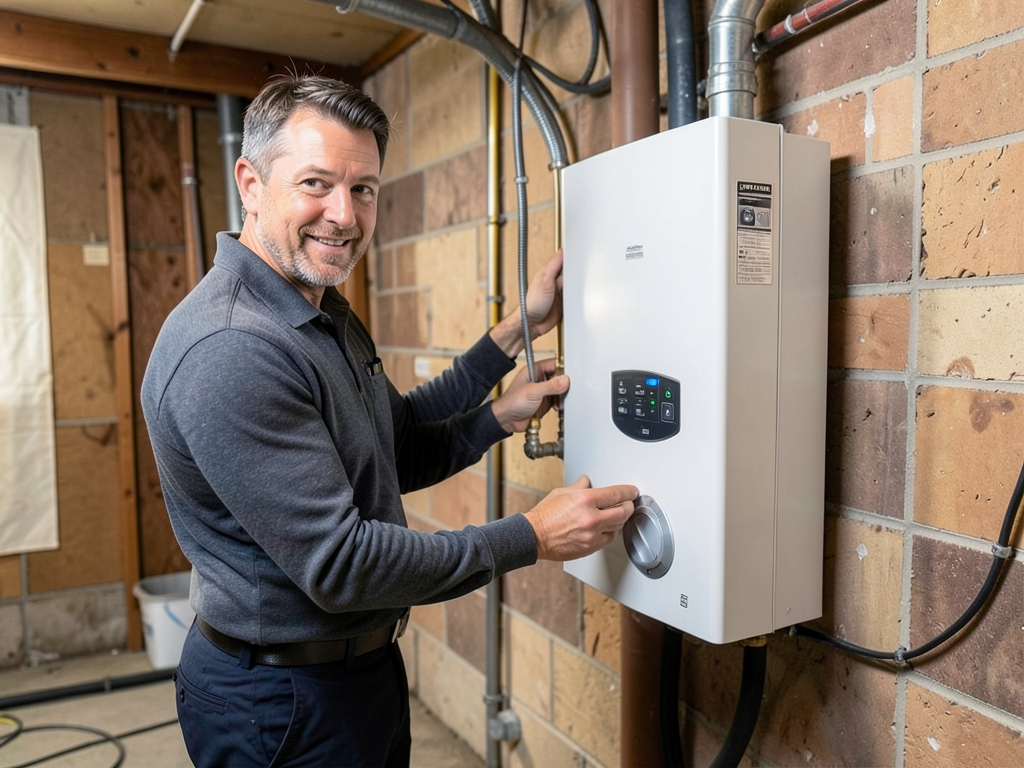
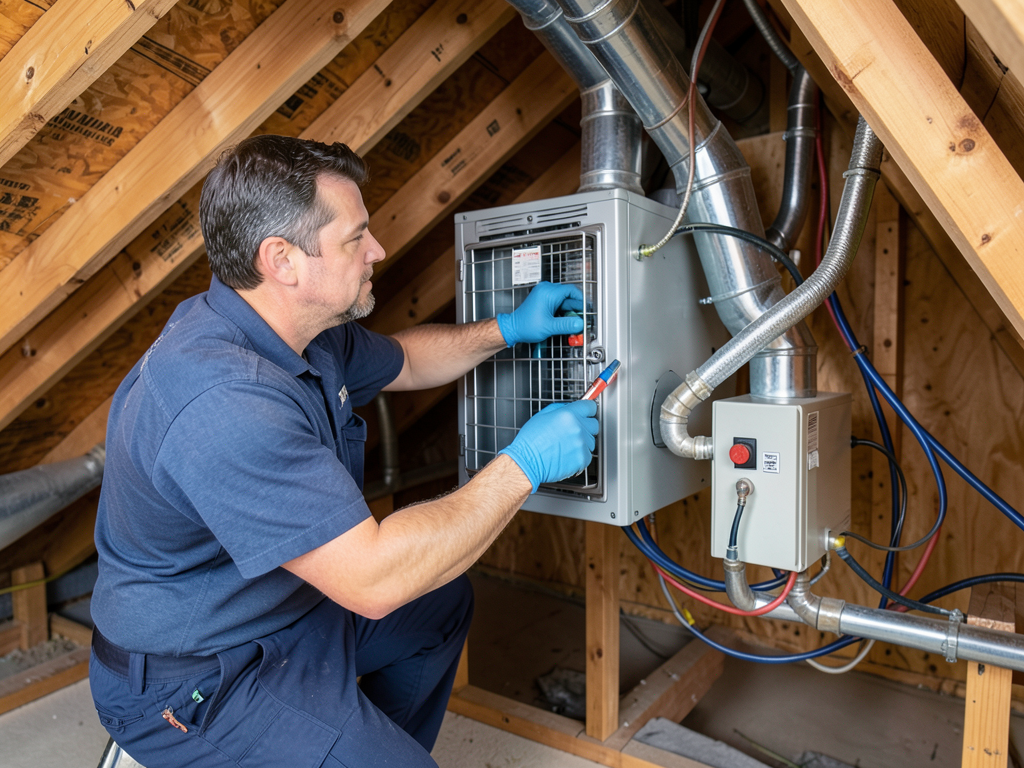
HVAC Services in The Pittsburgh Area

We are proud to serve the community and its surrounding areas, providing superior heating and cooling services where they are needed most. Whether you’re a residential homeowner or a business owner, you can find our location on the map below. We are committed to being easily accessible and ready to respond quickly, ensuring that professional and reliable HVAC help is always just a call away.

Address:
Apex HVAC Pittsburgh, 450 Melwood Ave, Pittsburgh, PA, 15213

Additional Services We Offer

Our news updates

Latest Articles & News from The Blogs

Stylish Ways to Cover Ugly Radiators in Your Historic Friendship House \n\n Living in Friendship means embracing the charm of…

Stylish Ways to Cover Ugly Radiators in Your Historic Friendship House

Stylish Ways to Cover Ugly Radiators in Your Historic Friendship House \n\n Living in Friendship means embracing the charm of…

How to Keep Your Dog or Cat Safe Around the Outdoor AC Unit in Your North Huntington Yard

How to Keep Your Dog or Cat Safe Around the Outdoor AC Unit in Your North Huntington Yard Your outdoor…

Managing Your Mount Washington Short Term Rental Temperature from Anywhere in the World

Managing Your Mount Washington Short Term Rental Temperature from Anywhere in the World \n\n Managing a short-term rental in Mount…

Contact Us

Stop guessing when to change your filter. Call Apex HVAC Pittsburgh at (412) 387-0477 for professional service matched to your system and location. We provide same-day appointments and stock the right filters for Pittsburgh air quality.