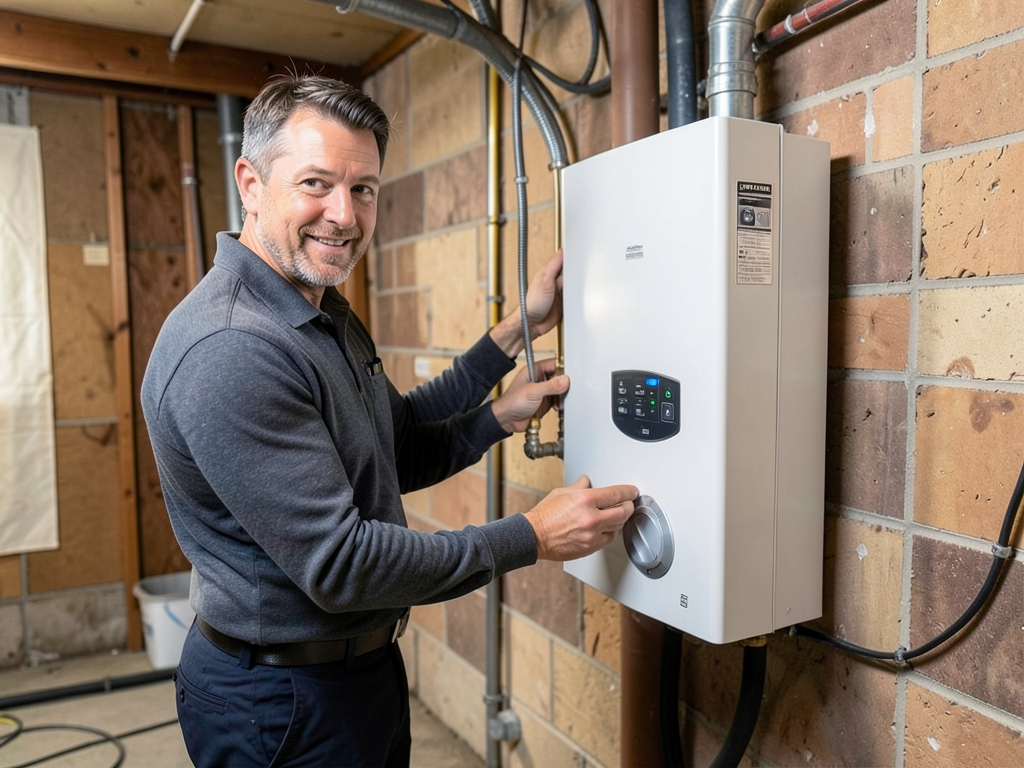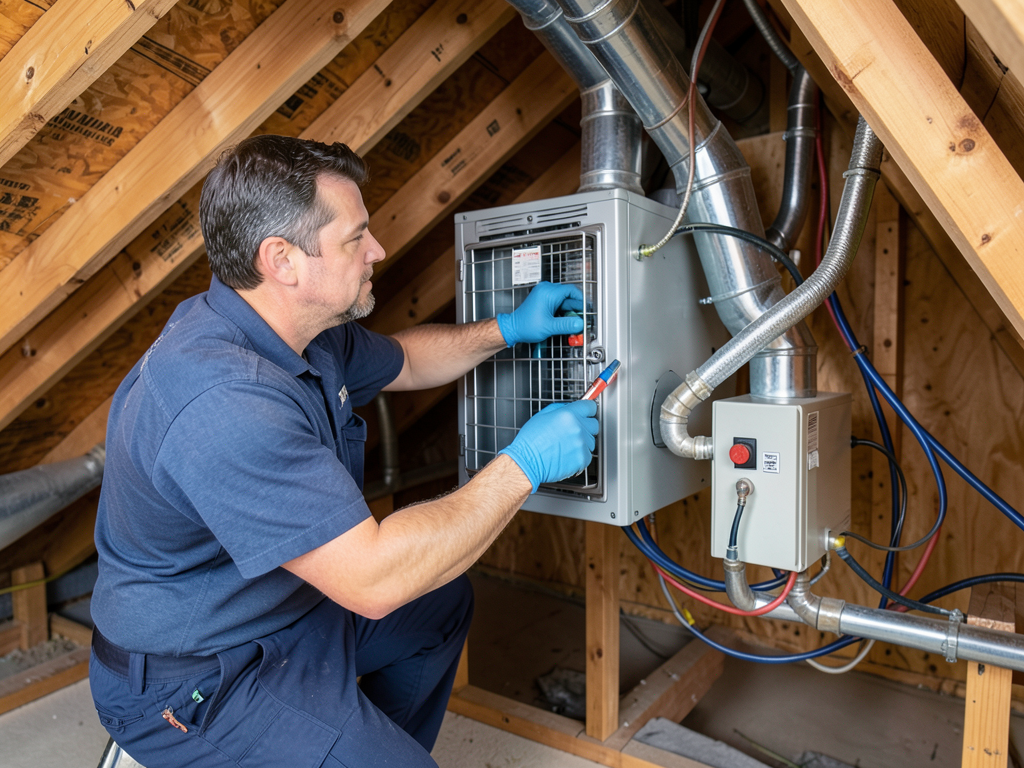
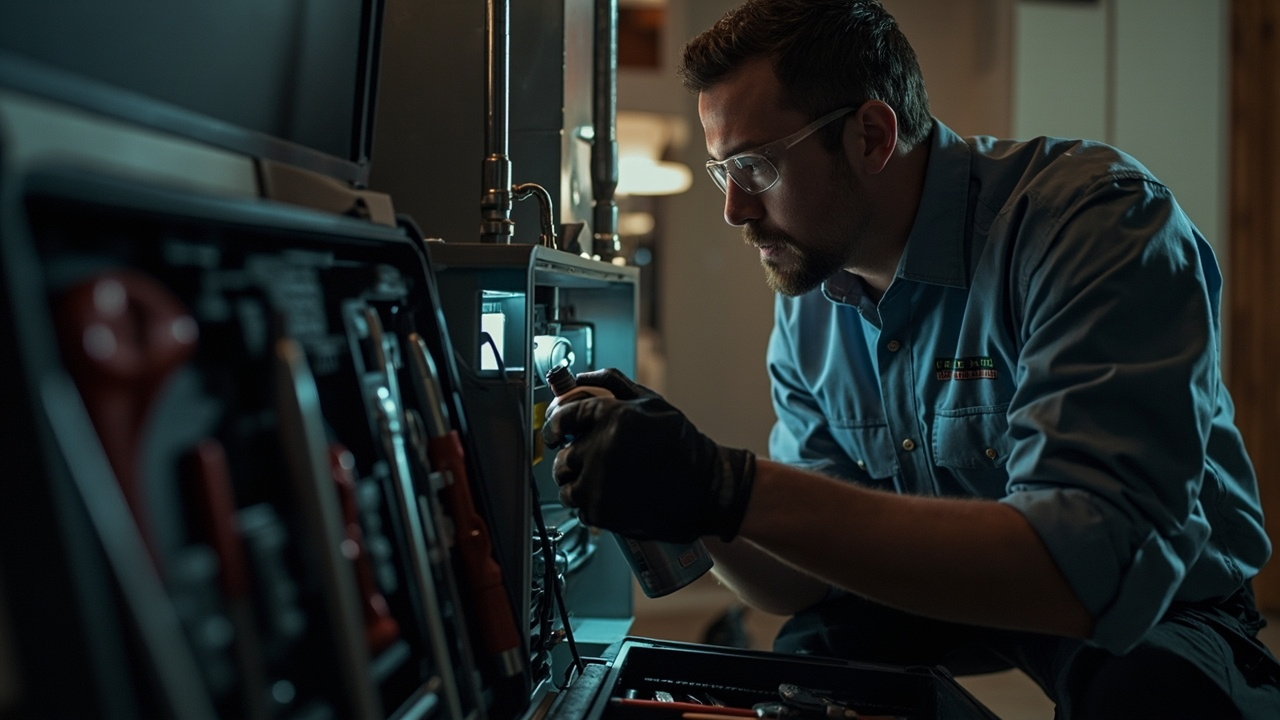
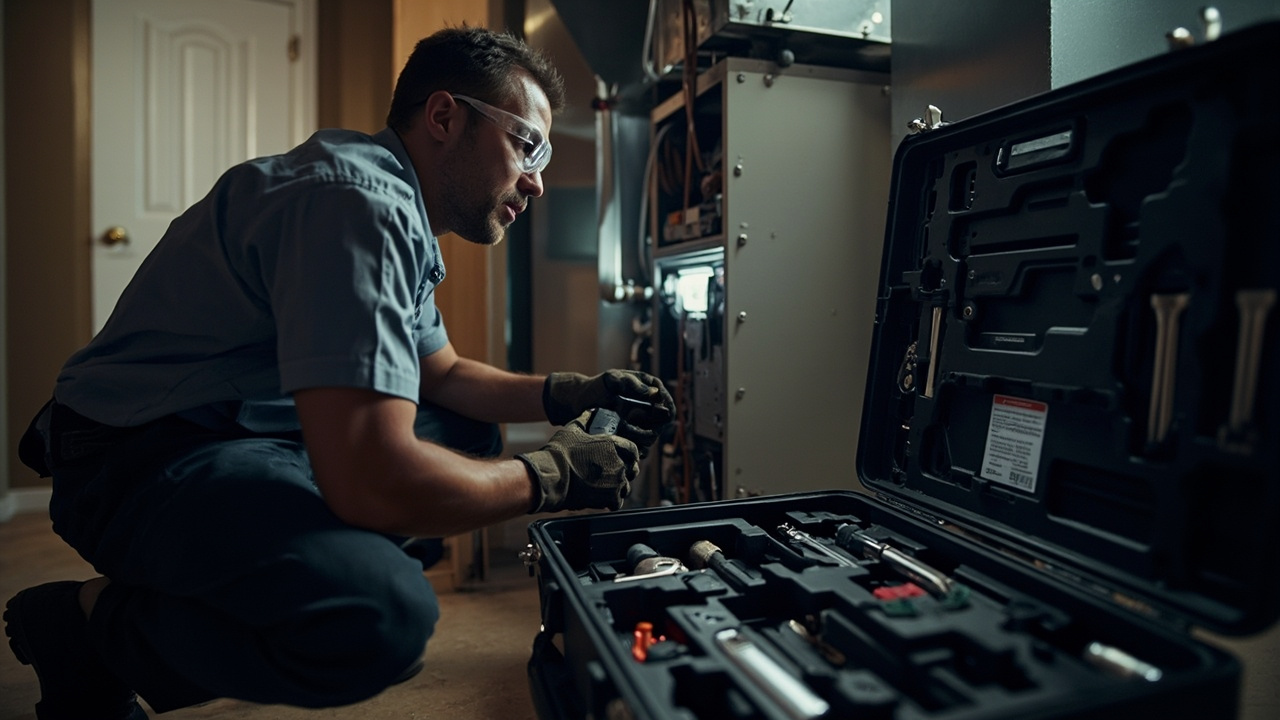
Pittsburgh has one of the oldest housing stocks in the country. Homes in neighborhoods like Highland Park, Point Breeze, and Polish Hill were built between 1900 and 1950, long before modern gas codes existed. Many still have original gas piping with threaded fittings that were never designed for today's high-efficiency furnaces. When you combine aged infrastructure with Pittsburgh's freeze-thaw cycles and soil movement from clay substrates, you create an environment where gas line failures happen more frequently. The city's transition from manufactured gas to natural gas in the mid-20th century also means some homes have mixed piping materials that corrode at different rates.
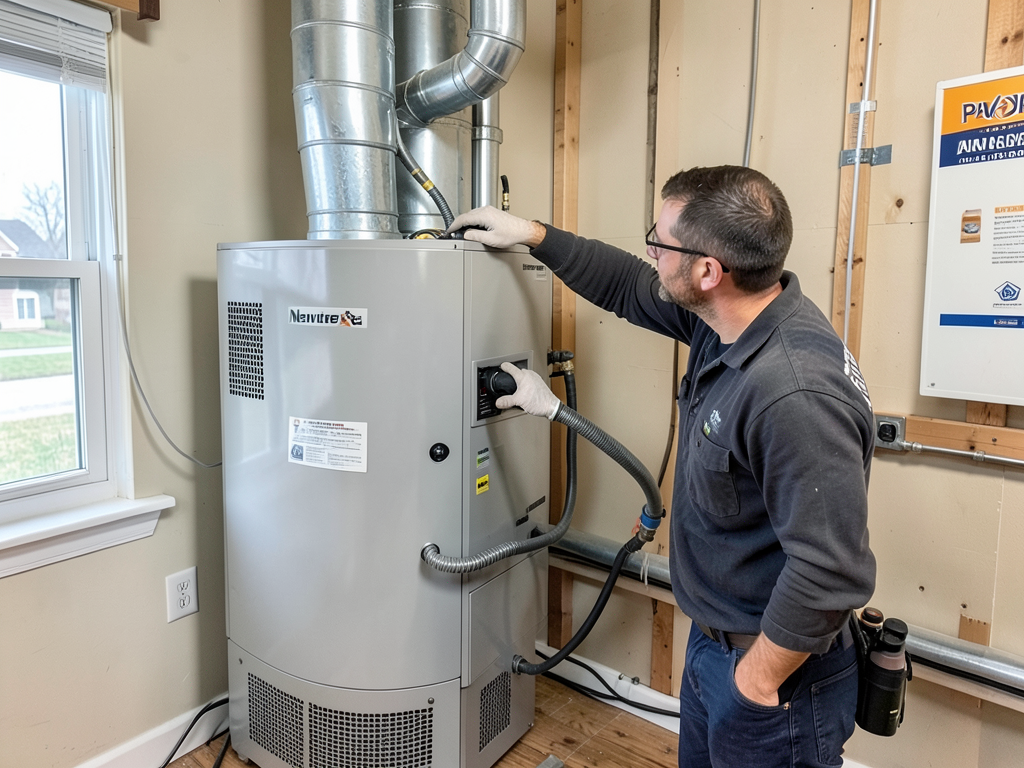
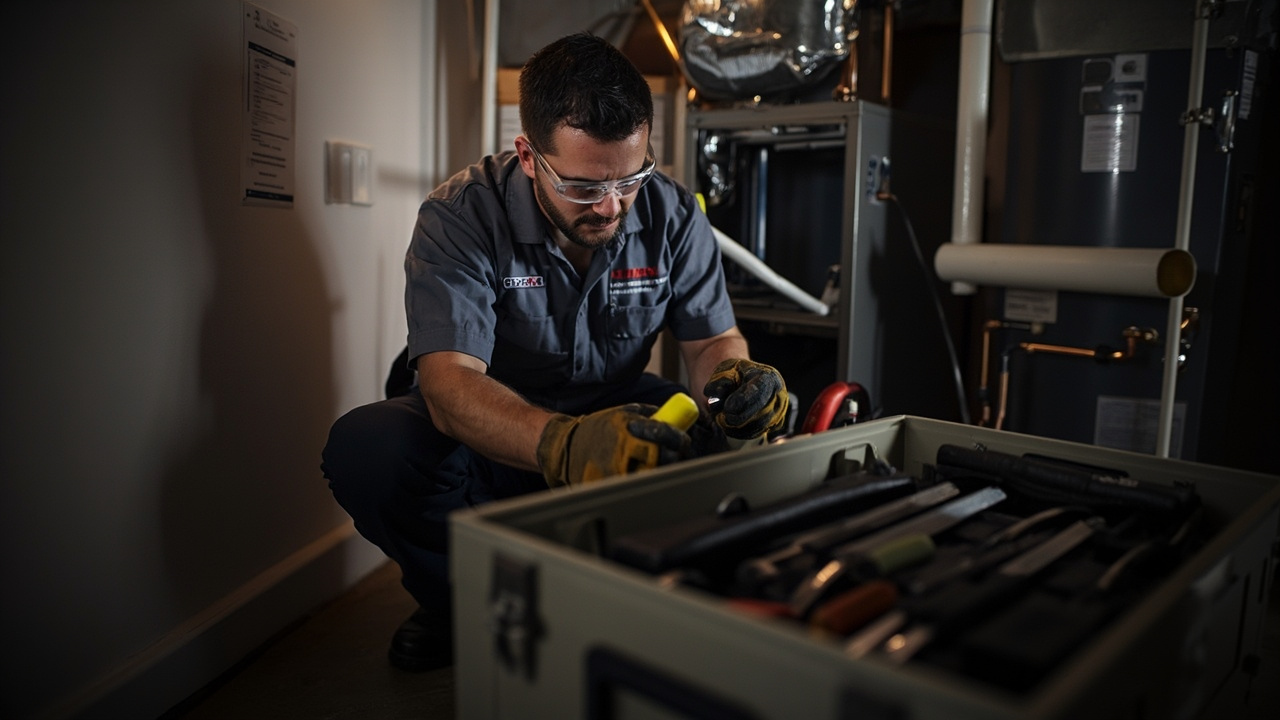
Allegheny County enforces strict gas appliance regulations, and any repair work must meet current International Fuel Gas Code standards. Local inspectors are familiar with common failure points in Pittsburgh's housing stock and expect contractors to address not just the immediate leak but any upstream hazards. Apex HVAC Pittsburgh works with these standards daily. We understand the permit requirements for gas line modifications, and we know how to navigate the inspection process if your repair requires documentation. Choosing a contractor who operates outside these guidelines puts you at risk for failed inspections, insurance complications, and unsafe installations.