
Living in a historic Shadyside home brings unique challenges for indoor air health. Many of these residences feature architectural details from decades past that trap modern pollutants. You might notice fine dust settling on your furniture within hours of cleaning. Improving the air quality in your older Shadyside home through better filtration starts with understanding how your existing HVAC system handles local particulate matter. In 2026, the outdoor air in Pittsburgh remains impacted by regional industrial history and current vehicle emissions along the Fifth Avenue corridor. These small particles find their way inside through old window seals and settling foundations. You need a filtration strategy that matches the specific needs of your high ceilings and plaster walls.
The Current State of Air Quality in Allegheny County
Allegheny County continues to face specific environmental factors that influence the air inside your house. Temperature inversions in the Monongahela Valley often trap pollutants at ground level. These particles migrate into residential neighborhoods like Shadyside and Squirrel Hill. When the outdoor Air Quality Index rises, your indoor air often becomes more concentrated with pollutants than the air outside. The Environmental Protection Agency provides data showing that indoor air can be significantly more polluted than outdoor air without proper ventilation. In Shadyside, the density of older homes means that neighborhood-wide dust and pollen levels stay high throughout the spring and fall seasons.
Understanding MERV Ratings for Historic Houses
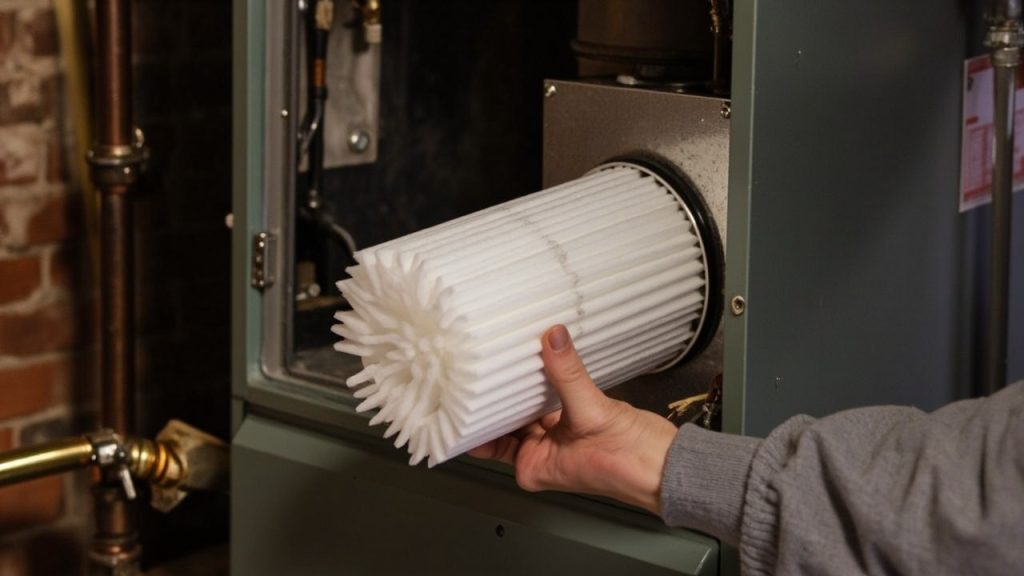
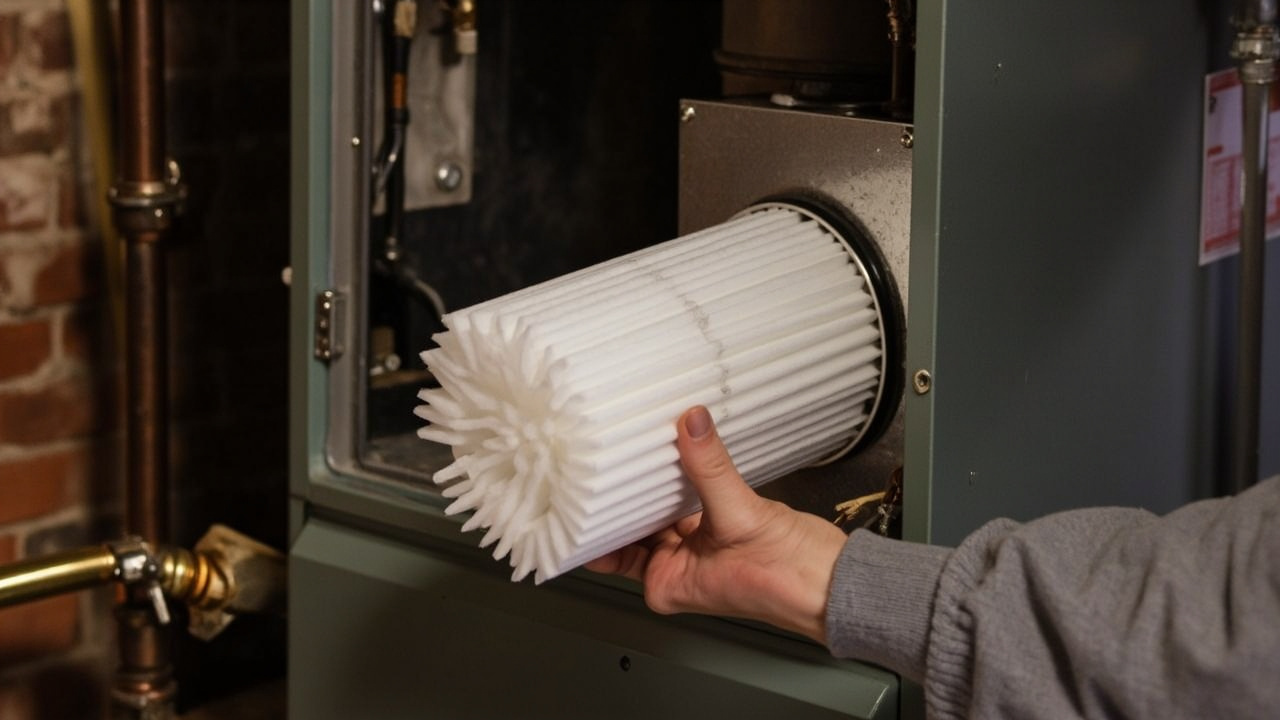
Your furnace filter is the primary defense against airborne debris. Filters receive a Minimum Efficiency Reporting Value rating. This scale ranges from 1 to 16. Most older homes in Pittsburgh were originally fitted with systems that used low MERV fiberglass filters. These basic filters protect the equipment from large dust bunnies but do nothing for your lungs. To begin improving the air quality in your older Shadyside home through better filtration, you should look toward higher MERV options. A MERV 11 or MERV 13 filter captures much smaller particles, including bacteria and smoke. But you cannot simply install a high-rated filter without checking your system capability. Older blower motors may not have the strength to pull air through a dense MERV 13 filter. This creates resistance known as static pressure.
The Impact of Static Pressure on Older Ductwork
Static pressure is the resistance to airflow in your heating and cooling system. If the resistance is too high, your blower motor will overheat or fail. This is a common issue when homeowners upgrade filters in systems originally designed for basic airflow. Many Shadyside homes still have original ductwork that is undersized for modern high-efficiency filtration. You must ensure your ducts can handle the increased resistance of a pleated filter. If your system struggles, you might need finding reliable emergency furnace repair in the North Hills today or in Shadyside if the motor burns out. Professionals use manometers to measure this pressure and ensure your filter choice does not choke your furnace.
Comparing Filtration Options for Pittsburgh Homes
Selecting the right filter involves balancing cleaning power with airflow. The following table illustrates the differences between common filter types available in 2026.
| Filter Type | MERV Rating | Particle Capture Capability | Recommended Replacement |
|---|---|---|---|
| Standard Fiberglass | 1 to 4 | Large lint and dust only | 30 Days |
| Pleated Synthetic | 5 to 8 | Mold spores and dust mites | 90 Days |
| High Efficiency Pleated | 11 to 13 | Pet dander, smoke, and smog | 90 Days |
| HEPA (Whole Home) | 17 to 20 | Viruses and fine PM2.5 particles | 6 to 12 Months |
Whole Home Air Scrubbers and UV Technology
Filtration alone sometimes falls short in older homes with basement moisture issues. Air scrubbers use ionized hydroperoxides to clean the air as it circulates. These devices are installed directly into your ductwork. They do not just wait for air to pass through a filter. Instead, they send out cleaning agents that seek out pollutants in every room. This technology is helpful for Shadyside residents who deal with recurring musty smells in older basements. You can also add UV-C germicidal lights near your evaporator coil. These lights kill biological growth on the wet surfaces of your air conditioner. If you are considering the real price of air conditioning installation for Mt. Lebanon homes or Shadyside properties, including UV lights in the quote is a smart move for long term air health.
Managing Humidity in Western Pennsylvania
Air quality is not just about particles. It is also about moisture. Pittsburgh summers in 2026 remain famously humid. High indoor humidity leads to mold growth behind the plaster walls of historic homes. A whole-home dehumidifier works with your HVAC system to keep moisture levels between 30 and 50 percent. This prevents dust mites from breeding and keeps your home feeling cooler at higher temperatures. When you manage humidity, you reduce the strain on your air conditioner. This is especially important for those with older systems who might be finding the best boiler repair specialists for older Squirrel Hill homes while planning for summer cooling upgrades. Dry air is cleaner air because it does not support the growth of organic pollutants.
The Importance of Duct Sealing and Cleaning
In older homes, up to 30 percent of your conditioned air can escape through gaps in the ductwork. These gaps also pull in dirty air from crawlspaces and attics. Improving the air quality in your older Shadyside home through better filtration requires a sealed system. If your ducts are leaky, the air bypasses the filter entirely. Professional duct sealing uses specialized aerosols to plug holes from the inside. Once sealed, a thorough duct cleaning removes decades of settled debris. This is a critical step for homes that have undergone recent renovations, as construction dust often settles deep inside the return vents. Residents in newer or renovated spaces might also consider installing a ductless mini split in your Lawrenceville row home to avoid duct issues altogether.
Advanced IAQ Maintenance Checklist
Maintaining high air quality requires a consistent schedule. Use the following checklist to keep your indoor environment healthy throughout the 2026 seasons.
| Maintenance Task | Frequency | Benefit for Air Quality |
|---|---|---|
| Filter Inspection | Every 30 Days | Prevents airflow restriction and dust bypass |
| Condensate Drain Cleaning | Twice Per Year | Prevents mold and water damage near the air handler |
| Blower Motor Calibration | Annually | Ensures proper air volume through high-MERV filters |
| IAQ Sensor Calibration | Every 2 Years | Maintains accurate monitoring of VOCs and CO2 |
Combining Filtration with Modern Heat Pump Technology
Modern HVAC equipment often comes with better filtration built into the design. High-efficiency heat pumps use variable speed motors. These motors run at lower speeds for longer periods. This provides continuous air filtration rather than the short bursts of air provided by older furnaces. Because the air moves constantly, it passes through the filter more often. This results in much lower particulate counts over a 24 hour period. Many Upper St. Clair homeowners are switching to high efficiency heat pumps for this reason, and Shadyside residents are following suit to protect their historic interiors. The continuous movement also prevents pockets of stagnant air where allergens tend to settle.
Addressing VOCs and Gas Off Gassing
Volatile Organic Compounds or VOCs come from cleaning products, paints, and new furniture. In tightly sealed older homes, these gases can reach unhealthy levels. Better filtration can address this if you use carbon-infused filters. Activated carbon has a massive surface area that traps gas molecules through a process called adsorption. Standard pleated filters cannot stop odors or gases. If you cook frequently or use chemical cleaners, adding a carbon pre-filter to your system is necessary. The ASHRAE standards suggest that proper ventilation and filtration are the only ways to effectively manage these indoor chemicals in residential settings.

Practical Steps for Improving Air Quality Today
- Check your current filter for a MERV rating and visible dirt buildup.
- Keep windows closed during high pollen days on the 2026 allergy calendar.
- Run your HVAC fan in the ON position instead of AUTO to provide constant cleaning.
- Use an indoor air quality monitor to track PM2.5 and CO2 levels in real time.
- Schedule a static pressure test before upgrading to a thicker filter.
- Clean the area around your return air vents to prevent heavy dust intake.
- Ensure your dryer vent and kitchen exhaust are venting completely to the outside.
The Role of Professional IAQ Testing
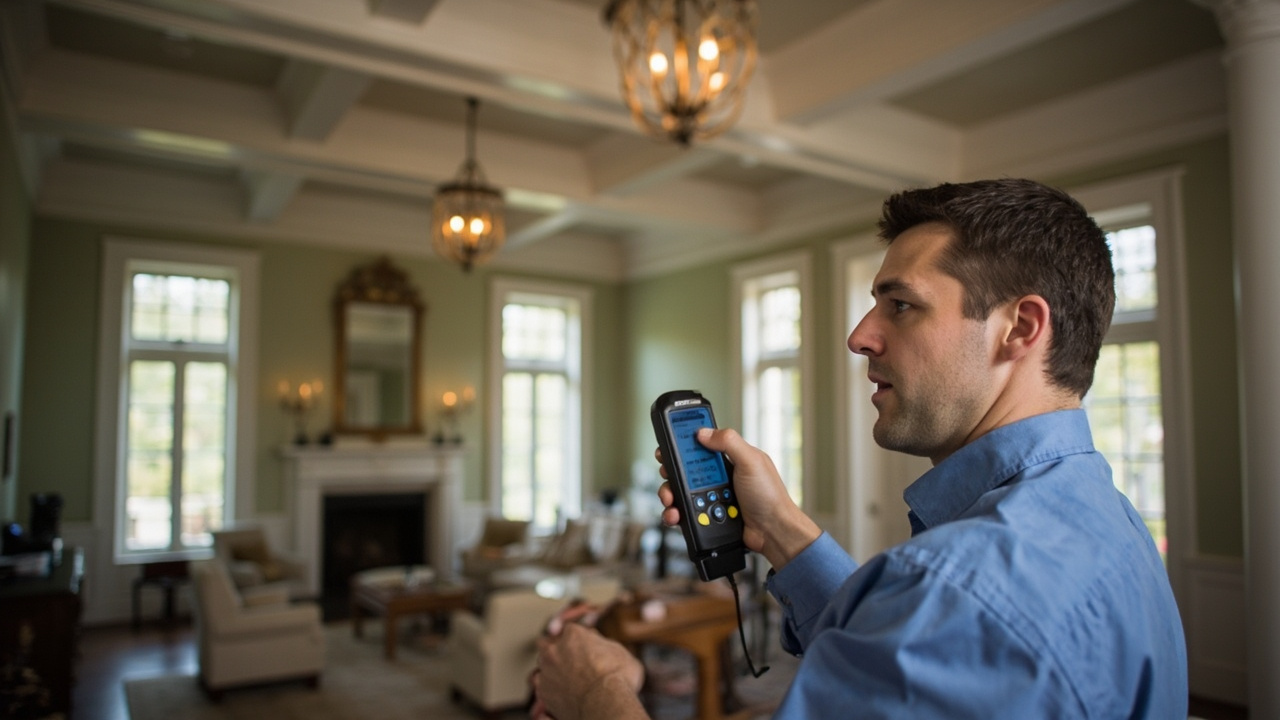
You cannot fix what you cannot measure. Professional air quality testing provides a detailed report of what is in your air. Technicians use laser particle counters to see exactly how many allergens are present. They also test for radon, which is a common concern in the rocky soil of Western Pennsylvania. These tests help you decide if you need a simple filter upgrade or a more complex whole-home air purification system. In Shadyside, where homes are close together and street dust is constant, these tests often reveal high levels of outdoor pollutants that have settled inside over years. Knowing the specific types of particles in your home allows for a targeted filtration approach.
Improving the air quality in your older Shadyside home through better filtration is an investment in your health. Historic homes require a careful touch to ensure modern upgrades do not harm the existing infrastructure. By selecting the right MERV rating, managing humidity, and using advanced scrubbing technology, you can breathe easier in your Pittsburgh residence. Take the time to evaluate your current system and consider how 2026 technology can bring your indoor environment up to modern health standards. If you notice persistent dust or odors, it is time to look beyond the basic filter and implement a comprehensive air quality plan.