
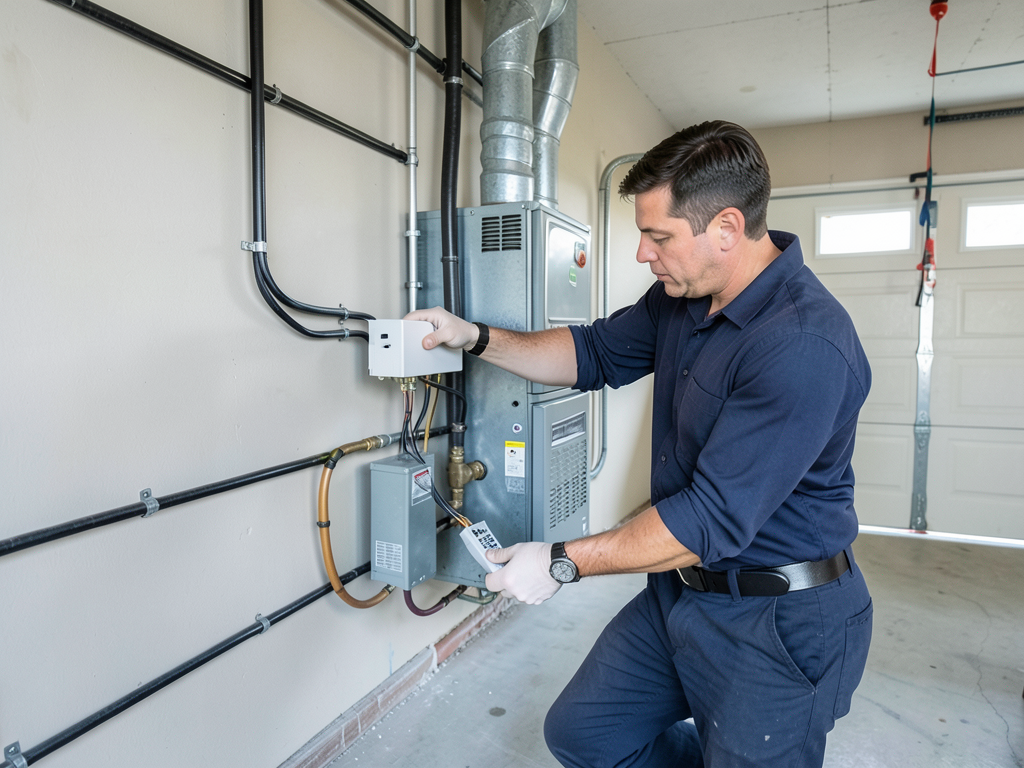
Why Your Garage Apartment in Hampton is Impossible to Keep Warm
Your garage apartment in Hampton Township feels like an icebox every winter because the structure was never designed for year-round living. The concrete slab loses heat constantly to the frozen ground below while the lack of proper insulation creates a thermal nightmare. Western Pennsylvania’s sub-zero temperatures and heavy snowfall make this problem even worse for homeowners in the North Hills. Why Your Robinson Township AC Unit is Making Noise and How to Fix It.
Most garage apartments in Hampton sit above unheated spaces where cold air circulates freely. The concrete floor acts like a heat sink pulling warmth away from your living space. Without proper vapor barriers and R-value insulation meeting Pennsylvania Uniform Construction Code requirements, your heating system works overtime but never catches up. Winterizing Your HVAC System.
The Science Behind Your Cold Garage Apartment
Garage apartments face unique thermal challenges that standard home additions do not. The concrete slab-on-grade construction means your floor sits directly on the ground where soil temperatures hover around 50°F even when air temperatures plummet to -10°F. This creates a constant heat drain that traditional forced-air systems cannot overcome.
Western Pennsylvania’s freeze-thaw cycles cause the soil beneath your garage to expand and contract. This movement creates gaps in insulation and allows cold air infiltration through foundation cracks. The clay-heavy soil common in Hampton Township retains moisture which freezes and further compromises your thermal envelope. Keeping Your Moon Township Commercial Property Comfortable Year Round.
Top 4 Heating Solutions for Hampton Garage Apartments
Choosing the right heating system requires understanding your specific space constraints and local climate demands. Here are the four most effective options for garage apartments in Hampton’s climate zone. Understanding Ductless Systems.
Ductless Mini-Split Systems
Ductless mini-splits provide the most efficient solution for garage apartments because they deliver both heating and cooling without requiring ductwork modifications. Modern cold-climate models maintain 100% heating capacity down to -13°F using inverter technology that adjusts compressor speed based on demand.
Installation involves mounting an indoor air handler on your wall and connecting it to an outdoor condenser unit through a small refrigerant line. The system requires only a three-inch hole through your exterior wall making it ideal for finished garage spaces where structural modifications are costly.
Radiant Floor Heating
Radiant floor heating addresses the cold floor problem directly by warming the concrete slab from beneath. Electric mat systems work well for smaller spaces while hydronic systems offer better efficiency for larger areas. The heat radiates upward creating consistent temperatures without the drafts of forced air.
Installation requires access to the subfloor which means tearing up existing flooring. This makes radiant heating most practical during initial construction or major renovations. Operating costs run higher than mini-splits but the comfort level often justifies the expense for finished living spaces.
High-Efficiency Heat Pumps
Modern air-source heat pumps with HSPF2 ratings above 10.0 can handle Hampton’s winter temperatures when properly sized. These systems extract heat from outdoor air even in freezing conditions using advanced refrigerant cycles. Look for models with hyper-heat technology designed specifically for cold climates.
The key advantage is year-round operation providing both heating and air conditioning. Heat pumps work best when paired with supplemental electric resistance heating for the coldest nights when efficiency drops below optimal levels.
Forced Air Extensions
Extending your existing ductwork into the garage apartment offers the lowest upfront cost but creates the most problems. The main house furnace must work harder to heat the additional space often leading to uneven temperatures and higher utility bills throughout your entire home. Emergency Furnace Services for Families Living in Baldwin and Whitehall.
Building codes require separate return air pathways and proper ventilation when converting garage spaces. Many Hampton homes lack the capacity to handle the additional heating load without major system upgrades to the main HVAC equipment. EPA indoor air quality guidelines.
Zoning and Building Codes in Hampton Township
Converting your garage to living space requires compliance with Allegheny County building codes and Hampton Township zoning ordinances. The Pennsylvania Uniform Construction Code mandates specific insulation requirements for converted spaces including R-19 minimum in walls and R-30 in ceilings for climate zone 5.
Permits are required for any HVAC modifications including mini-split installations. The township requires inspections of electrical work, gas line modifications, and structural changes. Failure to obtain proper permits can result in fines and complications when selling your home.
Fire safety codes require smoke detectors in all sleeping areas and carbon monoxide detectors when using combustion appliances. Garage apartments must have emergency egress windows meeting minimum size requirements for rescue access.
Cost Analysis: Installation vs. Long-term Efficiency
| Heating System | Upfront Cost | Monthly Operating Cost | Expected Lifespan |
|---|---|---|---|
| Ductless Mini-Split | $3,500 – $6,000 | $40 – $70 | 15-20 years |
| Radiant Floor (Electric) | $8 – $15 per sq ft | $60 – $100 | 20-30 years |
| High-Efficiency Heat Pump | $4,500 – $7,500 | $45 – $80 | 15-18 years |
| Gas Furnace Extension | $2,000 – $4,000 | $50 – $90 | 15-20 years |
Operating costs vary significantly based on insulation quality and local utility rates. Peoples Gas natural gas typically costs less per BTU than electricity in Western Pennsylvania but requires proper venting and combustion air supply.
Why Insulation Matters More Than the Heater
Even the best heating system cannot overcome poor insulation. Most garage apartments in Hampton lack the thermal envelope required for comfortable living. The walls typically have only R-7 to R-11 insulation compared to the R-19 minimum required for living spaces.
Garage doors present a major heat loss point. Standard residential garage doors have R-values around 6.5 while insulated doors reach R-12 to R-18. Upgrading to an insulated door can reduce heat loss by 30% in many garage apartments.
Air sealing is equally critical. Small gaps around electrical penetrations, plumbing vents, and sill plates allow cold air infiltration that negates insulation performance. A professional energy audit using blower door testing can identify these leaks and prioritize sealing efforts.
Moisture Control and Humidity Issues
Garage apartments face unique moisture challenges that affect both comfort and structural integrity. The concrete slab absorbs ground moisture which evaporates into your living space creating humidity problems year-round.
Western Pennsylvania’s high humidity levels compound this issue. Without proper vapor barriers and dehumidification, garage apartments can develop mold growth within months of conversion. The EPA recommends maintaining indoor humidity between 30-50% to prevent biological growth.
Condensation on windows and cold surfaces indicates excessive humidity. This moisture can damage window frames, promote mold growth, and create unhealthy indoor air quality. A properly sized dehumidifier or whole-house ventilation system addresses these issues.
Local Utility Rebates and Incentives
Duquesne Light and Peoples Gas offer rebates for high-efficiency heating equipment that can offset installation costs by $200 to $500. These programs require equipment to meet specific efficiency standards and be installed by licensed contractors.
The federal ENERGY STAR program provides tax credits for qualifying heat pumps and mini-split systems. Current credits cover 30% of installation costs up to $2,000 for qualified equipment meeting SEER2 and HSPF2 requirements.
Pennsylvania’s Alternative Energy Portfolio Standards create additional incentives for certain high-efficiency systems. Check with your utility provider for current rebate programs as they change annually based on funding availability.
Diagnostic Testing for Your Garage Apartment
Before investing in new heating equipment, conduct a professional energy assessment to identify specific problem areas. A thermal imaging scan reveals heat loss patterns through walls, ceilings, and floors that are invisible to the naked eye.
Blower door testing measures air infiltration rates and identifies leaks. This diagnostic tool creates negative pressure in your space allowing technicians to feel air movement and locate gaps in your thermal envelope.
Combustion safety testing is essential if you plan to use gas appliances. This testing checks for proper venting, carbon monoxide production, and adequate combustion air supply to prevent dangerous backdrafting in confined spaces.
Maintenance Requirements for Garage Apartment Heating
Garage apartment heating systems require more frequent maintenance than standard home systems due to the unique environmental conditions. Mini-split systems need annual coil cleaning and condensate line inspection to prevent mold growth in the indoor unit.
Heat pumps require regular filter changes and outdoor unit clearance to maintain efficiency. Snow and ice accumulation around outdoor units can block airflow and cause system shutdowns during critical winter months.
Radiant floor systems need periodic pressure testing to check for leaks in hydronic tubing. Electric systems require inspection of thermostats and floor sensors to ensure proper operation and prevent overheating.
Emergency Heating Options for Extreme Cold
Even the best heating system can struggle during Western Pennsylvania’s occasional polar vortex events. Portable electric heaters provide backup heating but require careful placement to avoid fire hazards and should never be used as primary heat sources.
Gas fireplaces offer reliable backup heating during power outages but must be properly vented to prevent carbon monoxide buildup. Modern direct-vent models draw combustion air from outside and exhaust directly outdoors.
Electric resistance heating strips in heat pumps provide emergency backup when outdoor temperatures fall below the system’s effective operating range. These strips consume significant electricity but ensure your space stays above freezing during extreme conditions.
Future-Proofing Your Garage Apartment
Consider your long-term plans when selecting heating equipment. Mini-splits offer the most flexibility for future modifications since they require no ductwork and can be easily relocated or expanded with additional indoor units.
Smart thermostats and zoning controls allow you to heat only occupied areas reducing energy waste. Many modern systems integrate with home automation platforms allowing remote monitoring and control via smartphone apps.
Solar-ready equipment and electrical system upgrades prepare your garage apartment for renewable energy integration as costs continue to decline. A 400-500 square foot space typically needs a 3-4 kW solar array to offset heating electricity use.
Frequently Asked Questions
What is the most cost-effective way to heat a garage apartment in Hampton?
Ductless mini-split systems offer the best combination of upfront cost, operating efficiency, and comfort for most garage apartments in Hampton Township. They provide both heating and cooling without requiring major structural modifications.
Do I need a permit to install heating in my garage apartment?
Yes, Allegheny County and Hampton Township require permits for all HVAC modifications including mini-split installations. The permitting process ensures compliance with building codes and includes required inspections for safety and efficiency.
How much insulation do I need for a garage apartment conversion?
Pennsylvania Uniform Construction Code requires R-19 minimum in walls and R-30 in ceilings for climate zone 5. Most existing garage apartments have only R-7 to R-11 insulation requiring significant upgrades to meet code and provide comfortable living conditions.
Take Action Before Winter Arrives
Don’t wait until the first cold snap to address your garage apartment heating problems. The unique thermal challenges of garage conversions require professional assessment and proper equipment sizing to ensure comfort throughout Western Pennsylvania’s harsh winters.
Call (412) 387-0477 today to schedule your free garage apartment heating assessment. Our NATE-certified technicians understand the specific challenges of Hampton Township’s climate and building stock. We’ll provide a detailed analysis of your current system and recommend the most cost-effective solution for your space.
Pick up the phone and call (412) 387-0477 before the next storm hits. Our team is ready to help you transform your cold, uncomfortable garage apartment into a warm, inviting living space that you can enjoy year-round. For more information, visit Department of Energy heat pump information.
You may also find this helpful. Why Your North Versailles Mobile Home Needs a Specific Type of Furnace.
{
“@context”: “https://schema.org”,
“@type”: “BlogPosting”,
“headline”: “Why Your Garage Apartment in Hampton is Impossible to Keep Warm”,
“description”: “Struggling with freezing temperatures in your Hampton garage apartment? Learn why Western PA winters make garage conversions so cold and discover the best heating solutions.”,
“wordCount”: 1893,
“datePublished”: “2026-04-20T11:54:00.000Z”,
“dateModified”: “2026-04-20T11:54:00.000Z”,
“inLanguage”: “en-US”,
“mainEntityOfPage”: {
“@type”: “WebPage”,
“@id”: “https://apexhvacpittsburgh.com”
},
“publisher”: {
“@type”: “LocalBusiness”,
“name”: “Apex HVAC Pittsburgh”,
“url”: “https://apexhvacpittsburgh.com”
},
“author”: {
“@type”: “Organization”,
“name”: “Apex HVAC Pittsburgh”,
“url”: “https://apexhvacpittsburgh.com”
},
“image”: {
“@type”: “ImageObject”,
“url”: “https://apexhvacpittsburgh.com/wp-content/uploads/2026/03/why-your-garage-apartment-in-hampton-is-impossible-1.png”
}
}
{
“@context”: “https://schema.org”,
“@type”: “HVACBusiness”,
“name”: “Apex HVAC Pittsburgh”,
“url”: “https://apexhvacpittsburgh.com”,
“address”: {
“@type”: “PostalAddress”,
“addressLocality”: “Pittsburgh”
},
“areaServed”: {
“@type”: “City”,
“name”: “Pittsburgh”
}
}
{
“@context”: “https://schema.org”,
“@type”: “FAQPage”,
“mainEntity”: [
{
“@type”: “Question”,
“name”: “What is the most cost-effective way to heat a garage apartment in Hampton?”,
“acceptedAnswer”: {
“@type”: “Answer”,
“text”: “Ductless mini-split systems offer the best combination of upfront cost, operating efficiency, and comfort for most garage apartments in Hampton Township. They provide both heating and cooling without requiring major structural modifications.”
}
},
{
“@type”: “Question”,
“name”: “Do I need a permit to install heating in my garage apartment?”,
“acceptedAnswer”: {
“@type”: “Answer”,
“text”: “Yes, Allegheny County and Hampton Township require permits for all HVAC modifications including mini-split installations. The permitting process ensures compliance with building codes and includes required inspections for safety and efficiency.”
}
},
{
“@type”: “Question”,
“name”: “How much insulation do I need for a garage apartment conversion?”,
“acceptedAnswer”: {
“@type”: “Answer”,
“text”: “Pennsylvania Uniform Construction Code requires R-19 minimum in walls and R-30 in ceilings for climate zone 5. Most existing garage apartments have only R-7 to R-11 insulation requiring significant upgrades to meet code and provide comfortable living conditions.”
}
}
]
}
{
“@context”: “https://schema.org”,
“@type”: “BreadcrumbList”,
“itemListElement”: [
{
“@type”: “ListItem”,
“position”: 1,
“name”: “Home”,
“item”: “https://apexhvacpittsburgh.com”
},
{
“@type”: “ListItem”,
“position”: 2,
“name”: “Blog”,
“item”: “https://apexhvacpittsburgh.com/blog”
},
{
“@type”: “ListItem”,
“position”: 3,
“name”: “Why Your Garage Apartment in Hampton is Impossible to Keep Warm”
}
]
}
{
“@context”: “https://schema.org”,
“@type”: “Service”,
“serviceType”: “HVAC”,
“provider”: {
“@type”: “LocalBusiness”,
“name”: “Apex HVAC Pittsburgh”,
“url”: “https://apexhvacpittsburgh.com”
},
“areaServed”: {
“@type”: “City”,
“name”: “Pittsburgh”
},
“description”: “Struggling with freezing temperatures in your Hampton garage apartment? Learn why Western PA winters make garage conversions so cold and discover the best heating solutions.”
}