
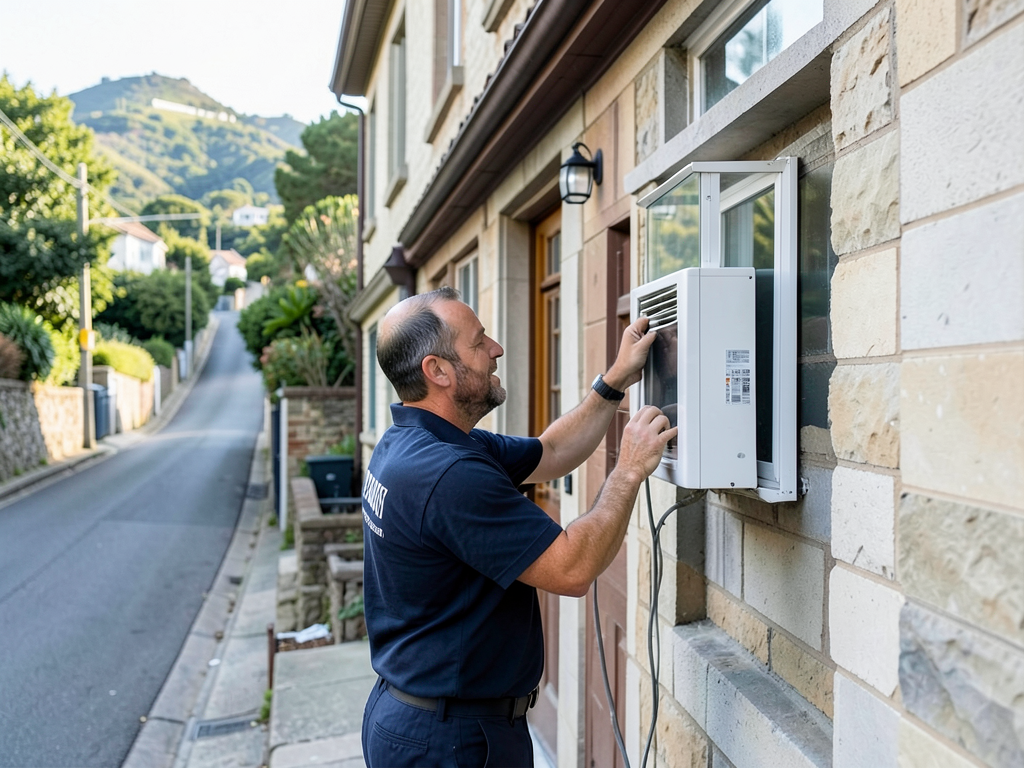
Dealing with the Unique HVAC Challenges of a South Side Slopes Hillside House
If you live in a South Side Slopes hillside house you already know the struggle. Steep grades narrow streets and unpredictable Pittsburgh weather create HVAC problems that flatland homes never see. In this guide we break down exactly why hillside HVAC systems fail more often and what you can do to keep yours running strong through every season. The Homeowners Guide to Replacing an Aging Boiler in Bloomfield.
Why South Side Slopes Homes Need Specialized HVAC Care
The South Side Slopes neighborhood sits on a dramatic hillside above the Monongahela River. That elevation change means homes face stronger wind loads and more direct sun exposure than houses in the flats. The terrain also makes outdoor unit placement tricky and service calls harder for technicians. Add in the area’s older housing stock and you have a recipe for frequent breakdowns.
Many Slopes homes were built before central air was common. That means original ductwork often runs through unconditioned crawlspaces or exterior walls where it loses efficiency. The hillside grade can also cause foundation shifts that crack ducts and let conditioned air escape. These are not generic HVAC problems. They are specific to the Slopes.
Common HVAC Issues in South Side Slopes Homes
Moisture and Humidity Problems
The hillside location combined with Pittsburgh’s humid continental climate means basement humidity often spikes in summer. High humidity forces your AC to work harder and can lead to mold growth in ductwork. Many Slopes homes also have unfinished basements where plumbing leaks or poor grading let groundwater seep in. That moisture shortens equipment life and reduces indoor air quality.
Uneven Heating and Cooling
Older homes in the Slopes often have multi-story layouts with no zone control. Heat rises so upper floors bake in summer while lower levels stay cold in winter. If your system is not balanced you waste energy trying to make the whole house comfortable. This is especially true for Victorian and foursquare-style homes common in the area. Energy Star-rated equipment.
Outdoor Unit Placement Challenges
Steep grades and limited yard space make it hard to find a stable pad for your condenser. Units placed on slopes can vibrate loose over time. Wind tunnels between closely spaced homes can also blow debris into coils reducing efficiency. In some cases the only viable spot is on a rooftop which adds installation and maintenance complexity.
Best HVAC Solutions for South Side Slopes Homes
Ductless Mini-Split Systems
For homes without existing ductwork ductless mini-splits are a game changer. These high-efficiency heat pumps require only a small wall hole for refrigerant lines. You can install multiple indoor units to create zones so each floor gets its own temperature control. Because they mount high on walls they avoid the moisture and pest issues of ducted systems. Winterizing Your HVAC System.
High-Efficiency Furnaces with Smart Thermostats
If your home has forced-air heat upgrading to a condensing furnace with a smart thermostat can cut heating costs by 15 percent or more. Smart thermostats learn your schedule and adjust for Pittsburgh’s rapid weather swings. Some models even factor in local weather forecasts so your system preheats or precools before a cold front hits. Emergency Furnace Services for Families Living in Baldwin and Whitehall.
Whole-Home Dehumidifiers
Pairing your AC with a whole-home dehumidifier keeps basement humidity below 50 percent even on muggy summer days. That protects your equipment and improves air quality. Many Slopes homeowners notice fewer allergy symptoms once humidity is under control.
Maintenance Tips for Hillside HVAC Systems
Seasonal Checklist
- Clear debris from outdoor unit and check pad for level.
- Inspect ductwork in crawlspaces for gaps or moisture.
- Change air filters every 60 days or more often if you have pets.
- Test thermostat accuracy with a separate thermometer.
- Schedule professional tune-up before peak heating or cooling season.
DIY Diagnostics
If your system short cycles or runs constantly check these first. Dirty filters restrict airflow making the system work harder. Blocked vents or closed registers can cause pressure imbalances that stress the blower motor. In hillside homes pay extra attention to ducts running along exterior walls where freezing can cause condensation and mold.
Understanding Local Building Codes and Efficiency Standards
All HVAC work in Allegheny County must comply with the Pennsylvania Uniform Construction Code which adopts the International Mechanical Code. That means any new furnace or AC installation needs a permit and inspection. The EPA’s Section 608 rules also require certified technicians to handle refrigerants. Skipping these steps can void warranties and create safety hazards. EPA Section 608 certification.
Energy Star-rated equipment is not just marketing. In Pittsburgh’s climate a SEER 16 AC or 96 AFUE furnace can save hundreds per year versus older models. Many utility rebates require that equipment meet these efficiency thresholds so check with Duquesne Light or Peoples Gas before you buy.
Choosing the Right HVAC Contractor in the South Side Slopes
Not all HVAC companies are equipped to work on hillside homes. Look for contractors who list experience with multi-story historic homes and ductless installations. Ask if they carry EPA Section 608 certification and Pennsylvania Home Improvement Contractor (HIC) licensing. A local company familiar with the Slopes will know the best routes for equipment delivery and how to handle parking on steep streets. Understanding Ductless Systems.
Request a written estimate that includes load calculations. A contractor who guesses at sizing instead of using Manual J calculations may oversize your system leading to short cycling and wasted energy. Also ask about warranty terms. Some brands offer 10-year parts warranties but only if installed by a certified dealer.
When to Replace vs. Repair
If your furnace or AC is over 15 years old and needs frequent repairs replacement often pays for itself in energy savings within five years. Modern units have variable-speed blowers that adjust output to match demand instead of cycling on and off. That means more consistent comfort and lower utility bills.
Watch for these warning signs. Rising energy bills despite normal usage. Uneven temperatures between rooms. Strange noises like banging or hissing. If you notice any of these call a professional before a minor issue becomes a major breakdown.
Protecting Your Investment Year-Round
Hillside homes face unique seasonal threats. In winter snow and ice can block outdoor vents or cause ice dams that damage roof-mounted equipment. In spring heavy rains can flood crawlspaces and soak ducts. A preventive maintenance plan that includes twice-yearly inspections can catch small problems before they cause big damage.
Consider adding a surge protector for your HVAC system. Pittsburgh’s aging electrical grid and summer thunderstorms can send voltage spikes through your wiring. A whole-home surge protector can prevent costly control board failures.
Energy Savings Strategies for South Side Slopes Homes
Sealing air leaks is one of the cheapest ways to improve HVAC efficiency. Use caulk or spray foam around windows doors and sill plates. Add insulation to attics and crawlspaces to reduce heat transfer. If your home has a brick exterior consider adding a thermal barrier paint to reflect summer heat.
Smart home integration can also help. Zoned systems with smart vents let you direct conditioned air only where it is needed. Some systems even use occupancy sensors to avoid heating or cooling empty rooms. These upgrades can cut energy use by 20 percent or more without sacrificing comfort.
Emergency HVAC Services in the South Side Slopes
When your heat goes out in January or your AC dies in July you need help fast. Look for a contractor that offers 24/7 emergency service and stocks common replacement parts on their trucks. In the Slopes that also means a company that knows how to navigate narrow streets and steep driveways without damaging your property.. Read more about Finding an HVAC Company That Specializes in Kennedy Township Split Level Homes.
Keep a basic emergency kit. Portable space heaters for winter outages. Battery-powered fans for summer. And always have the number of a trusted local HVAC company saved in your phone. Quick action can prevent frozen pipes burst hoses and other costly secondary damage.
Conclusion
Living in a South Side Slopes hillside house means accepting unique HVAC challenges but it does not mean accepting discomfort or high energy bills. With the right equipment maintenance plan and local expertise you can keep your home comfortable year-round while protecting your investment. Do not wait until your system fails. A proactive approach now can save you thousands later. Protecting Your McCandless Home from Seasonal Allergies with Better Air Filtration.
Frequently Asked Questions
Why does my hillside home have uneven temperatures between floors?
Heat naturally rises so upper floors often get too warm in summer while lower levels stay cold in winter. Older homes in the Slopes also lack zone control so a single thermostat cannot balance comfort across multiple levels. Installing a zoned system or ductless mini-splits can solve this problem.
How often should I schedule HVAC maintenance for my South Side Slopes home?
Twice a year is ideal. Schedule a professional tune-up in spring before cooling season and again in fall before heating season. Homes in the Slopes may need more frequent filter changes due to higher dust and pollen levels from the hillside location.
Are ductless mini-splits a good option for historic hillside homes?
Yes. Ductless systems avoid the need to retrofit ductwork which can be costly and invasive in older homes. They also provide zoned heating and cooling so you can control temperatures in different areas without running new ducts through finished walls or ceilings.
What building permits are required for HVAC work in Allegheny County?
Any new furnace AC or major system replacement needs a permit under the Pennsylvania Uniform Construction Code. The contractor must also be a licensed Pennsylvania Home Improvement Contractor. Skipping permits can void warranties and create safety issues.
How can I improve energy efficiency in my hillside home without replacing the HVAC system?
Start with air sealing and insulation. Seal gaps around windows doors and sill plates. Add attic insulation if it is thin. Use a programmable thermostat to avoid heating or cooling empty rooms. These low-cost steps can reduce HVAC runtime and lower your bills.
Ready to Solve Your South Side Slopes HVAC Problems?
Do not let steep grades and old equipment leave you uncomfortable. Call (412) 387-0477 today to schedule your free in-home assessment. We will diagnose your system’s unique challenges and recommend solutions that fit your home and budget.
Pick up the phone and call (412) 387-0477 before the next Pittsburgh cold snap or heat wave hits. Your comfort is our priority.
{
“@context”: “https://schema.org”,
“@type”: “BlogPosting”,
“headline”: “Dealing with the Unique HVAC Challenges of a South Side Slopes Hillside House”,
“description”: “South Side Slopes homes face steep terrain, moisture issues, and aging systems. Learn how to keep your hillside HVAC running efficiently in Pittsburgh’s toughest conditions.”,
“wordCount”: 1750,
“datePublished”: “2026-04-21T10:25:00.000Z”,
“dateModified”: “2026-04-21T10:25:00.000Z”,
“inLanguage”: “en-US”,
“mainEntityOfPage”: {
“@type”: “WebPage”,
“@id”: “https://apexhvacpittsburgh.com”
},
“publisher”: {
“@type”: “LocalBusiness”,
“name”: “Apex HVAC Pittsburgh”,
“url”: “https://apexhvacpittsburgh.com”
},
“author”: {
“@type”: “Organization”,
“name”: “Apex HVAC Pittsburgh”,
“url”: “https://apexhvacpittsburgh.com”
},
“image”: {
“@type”: “ImageObject”,
“url”: “https://apexhvacpittsburgh.com/wp-content/uploads/2026/03/dealing-with-the-unique-hvac-challenges-of-a-south-1.png”
}
}
{
“@context”: “https://schema.org”,
“@type”: “HVACBusiness”,
“name”: “Apex HVAC Pittsburgh”,
“url”: “https://apexhvacpittsburgh.com”,
“address”: {
“@type”: “PostalAddress”,
“addressLocality”: “Pittsburgh”
},
“areaServed”: {
“@type”: “City”,
“name”: “Pittsburgh”
}
}
{
“@context”: “https://schema.org”,
“@type”: “FAQPage”,
“mainEntity”: [
{
“@type”: “Question”,
“name”: “Why does my hillside home have uneven temperatures between floors?”,
“acceptedAnswer”: {
“@type”: “Answer”,
“text”: “Heat naturally rises so upper floors often get too warm in summer while lower levels stay cold in winter. Older homes in the Slopes also lack zone control so a single thermostat cannot balance comfort across multiple levels. Installing a zoned system or ductless mini-splits can solve this problem.”
}
},
{
“@type”: “Question”,
“name”: “How often should I schedule HVAC maintenance for my South Side Slopes home?”,
“acceptedAnswer”: {
“@type”: “Answer”,
“text”: “Twice a year is ideal. Schedule a professional tune-up in spring before cooling season and again in fall before heating season. Homes in the Slopes may need more frequent filter changes due to higher dust and pollen levels from the hillside location.”
}
},
{
“@type”: “Question”,
“name”: “Are ductless mini-splits a good option for historic hillside homes?”,
“acceptedAnswer”: {
“@type”: “Answer”,
“text”: “Yes. Ductless systems avoid the need to retrofit ductwork which can be costly and invasive in older homes. They also provide zoned heating and cooling so you can control temperatures in different areas without running new ducts through finished walls or ceilings.”
}
},
{
“@type”: “Question”,
“name”: “What building permits are required for HVAC work in Allegheny County?”,
“acceptedAnswer”: {
“@type”: “Answer”,
“text”: “Any new furnace AC or major system replacement needs a permit under the Pennsylvania Uniform Construction Code. The contractor must also be a licensed Pennsylvania Home Improvement Contractor. Skipping permits can void warranties and create safety issues.”
}
},
{
“@type”: “Question”,
“name”: “How can I improve energy efficiency in my hillside home without replacing the HVAC system?”,
“acceptedAnswer”: {
“@type”: “Answer”,
“text”: “Start with air sealing and insulation. Seal gaps around windows doors and sill plates. Add attic insulation if it is thin. Use a programmable thermostat to avoid heating or cooling empty rooms. These low-cost steps can reduce HVAC runtime and lower your bills.”
}
},
{
“@type”: “Question”,
“name”: “Ready to Solve Your South Side Slopes HVAC Problems?”,
“acceptedAnswer”: {
“@type”: “Answer”,
“text”: “Do not let steep grades and old equipment leave you uncomfortable. Call (412) 387-0477 today to schedule your free in-home assessment. We will diagnose your system’s unique challenges and recommend solutions that fit your home and budget.”
}
}
]
}
{
“@context”: “https://schema.org”,
“@type”: “BreadcrumbList”,
“itemListElement”: [
{
“@type”: “ListItem”,
“position”: 1,
“name”: “Home”,
“item”: “https://apexhvacpittsburgh.com”
},
{
“@type”: “ListItem”,
“position”: 2,
“name”: “Blog”,
“item”: “https://apexhvacpittsburgh.com/blog”
},
{
“@type”: “ListItem”,
“position”: 3,
“name”: “Dealing with the Unique HVAC Challenges of a South Side Slopes Hillside House”
}
]
}
{
“@context”: “https://schema.org”,
“@type”: “Service”,
“serviceType”: “HVAC”,
“provider”: {
“@type”: “LocalBusiness”,
“name”: “Apex HVAC Pittsburgh”,
“url”: “https://apexhvacpittsburgh.com”
},
“areaServed”: {
“@type”: “City”,
“name”: “Pittsburgh”
},
“description”: “South Side Slopes homes face steep terrain, moisture issues, and aging systems. Learn how to keep your hillside HVAC running efficiently in Pittsburgh’s toughest conditions.”
}