
Variable Speed HVAC Installation & Service in Aspinwall, PA
Aspinwall homeowners face unique cooling challenges thanks to the borough’s proximity to the Allegheny River and the region’s notoriously humid summers. If you’re researching air conditioning options, you’ve likely encountered the debate between single-stage and variable-speed systems. The difference isn’t just technical jargon—it’s the gap between basic cooling and true climate control for your home. The Homeowners Guide to Replacing an Aging Boiler in Bloomfield.
Variable-speed technology represents the most significant advancement in residential cooling since the introduction of central air conditioning itself. Unlike traditional single-stage units that blast cold air at full capacity until your thermostat is satisfied, variable-speed systems adjust their output in precise increments. This means your system runs longer at lower speeds, maintaining consistent temperatures while using significantly less energy. Energy Star certified air conditioners.
The real-world impact for Aspinwall residents is substantial. Homes near Freeport Road and the river corridor experience higher humidity levels that single-stage systems struggle to manage. Variable-speed units excel at moisture removal, running their indoor fans at slower speeds that allow air to pass over the cooling coil longer. This extended contact time pulls more humidity from your indoor air, creating that crisp, comfortable feeling you get in high-end hotels. Winterizing Your HVAC System.
Energy efficiency is where variable-speed systems truly shine. While a single-stage unit operates at 100% capacity or not at all, variable-speed compressors can run at 40%, 60%, or 80% capacity based on your home’s actual cooling needs. This modulation translates to SEER2 ratings that often exceed 20, compared to 14-16 for quality single-stage units. In practical terms, that’s a 30-40% reduction in cooling costs during Pittsburgh’s peak summer months.. Read more about Understanding SEER2 Ratings and Why They Matter for Your North Hills Home Upgrade.
Why Aspinwall Homeowners are Switching to Variable Speed Technology
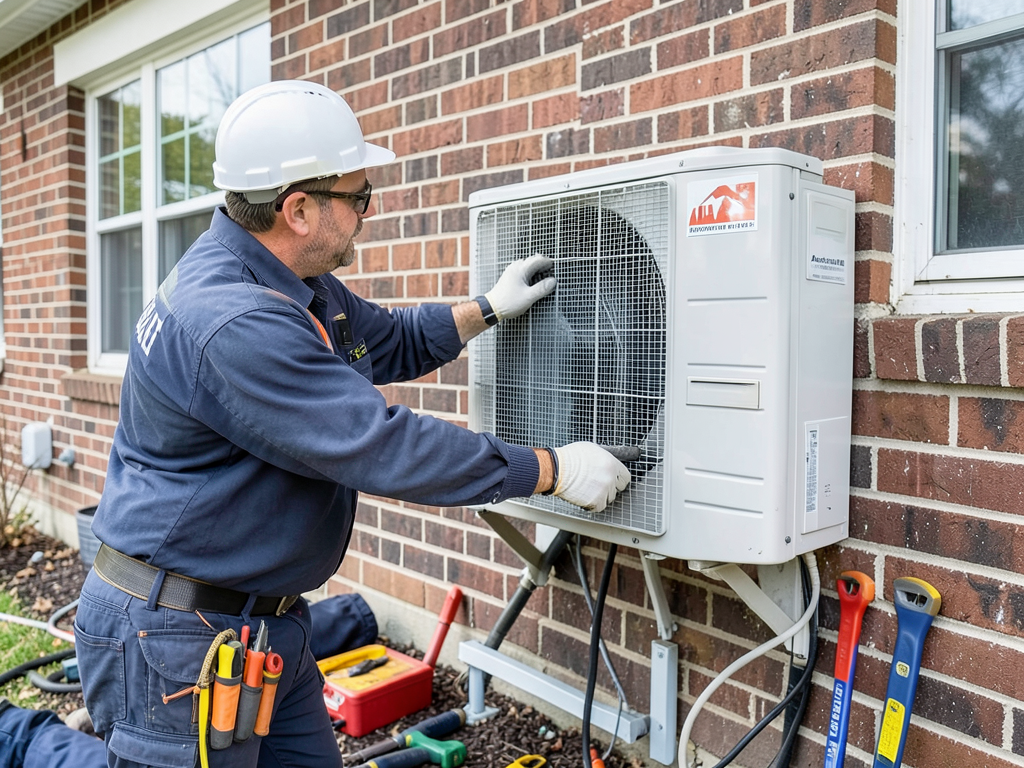
The Aspinwall housing stock presents unique challenges that make variable-speed technology particularly valuable. Many homes along Western Avenue and near the Aspinwall Marina were built before air conditioning was standard, featuring plaster walls and minimal insulation. These older construction methods create hot spots and uneven cooling that single-stage systems simply cannot address effectively.
River proximity amplifies humidity problems. The Allegheny’s moisture content affects local weather patterns, creating conditions where indoor humidity regularly climbs above 60% during July and August. Single-stage systems cool the air but often cannot remove enough moisture to maintain the ideal 30-50% humidity range recommended by the EPA. This excess moisture leads to that sticky feeling, promotes mold growth, and makes your home feel warmer than the thermostat reading suggests. EPA indoor air quality guidelines.
Noise levels represent another critical factor in Aspinwall’s dense residential layout. Single-stage units cycle on and off with noticeable whooshing sounds, while variable-speed systems operate at sound levels as low as 40-50 decibels—quieter than normal conversation. This difference matters when outdoor units sit just feet from your neighbor’s bedroom window on streets like Commercial Avenue.
Local utility rebates from Duquesne Light and Peoples Gas have made variable-speed upgrades more accessible than ever. These programs offer incentives up to $500 for qualifying high-efficiency systems, helping offset the initial investment premium of 15-20% over single-stage units.
How Variable Speed HVAC Works
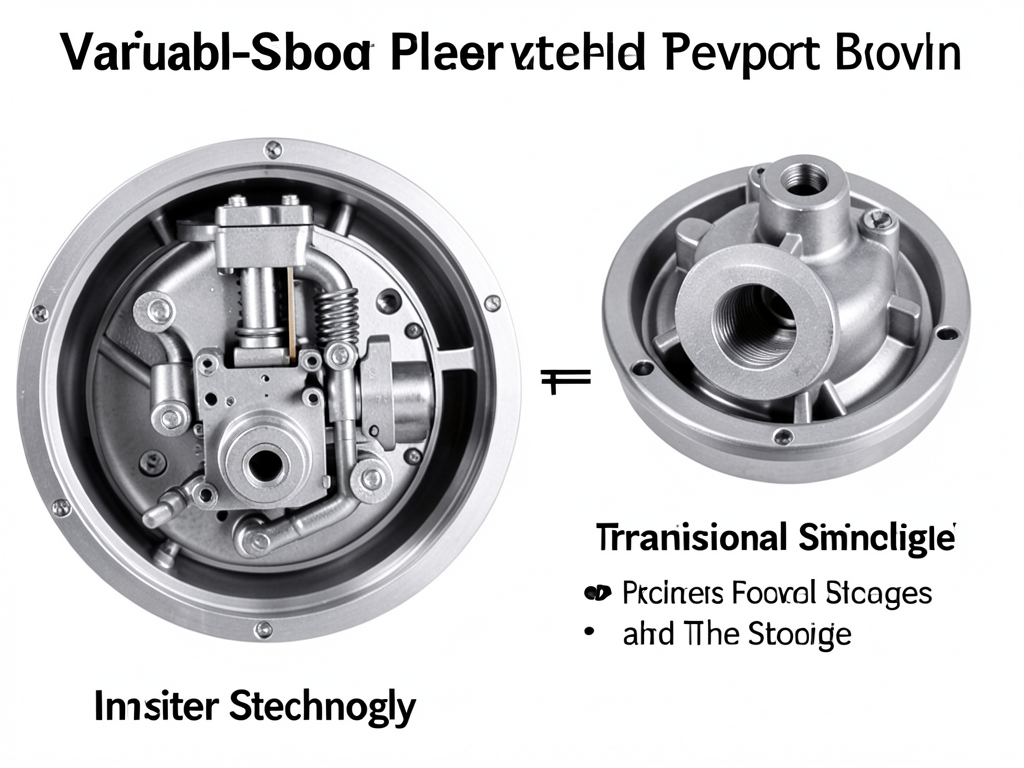
The heart of variable-speed technology is the inverter-driven compressor. Unlike traditional compressors that use simple on/off switches, inverter compressors employ sophisticated electronics to continuously adjust motor speed. This is similar to how a car’s cruise control maintains speed on hills rather than flooring the accelerator.
Inside your home, the variable-speed air handler works in concert with the outdoor unit. The blower motor adjusts its speed based on cooling demand, humidity levels, and even air filter condition. When your system detects slightly elevated temperatures, it might increase airflow by just 15% rather than jumping to full capacity. This precision eliminates the temperature swings common with single-stage systems.
Heat pump applications benefit even more dramatically from variable-speed technology. During mild spring and fall days, your system can operate at 25-30% capacity, maintaining comfort while using minimal electricity. This capability proves especially valuable in Aspinwall’s transitional seasons when temperatures fluctuate between heating and cooling needs throughout the same day.
Modern variable-speed systems also integrate with smart thermostats that learn your household patterns. The system anticipates cooling needs based on time of day, occupancy, and even local weather forecasts. This predictive capability means your home is comfortable when you arrive rather than waiting for you to adjust the thermostat.
Energy Savings and Rebates in Pittsburgh
The financial case for variable-speed cooling becomes clear when examining real operating costs. A typical Aspinwall home using a 16 SEER2 single-stage system might spend $800-1,200 annually on cooling. Upgrading to a 20+ SEER2 variable-speed system can reduce those costs by $240-480 per year. With utility rebates and federal tax credits available through 2026, the payback period often falls within 4-6 years.
Duquesne Light’s energy efficiency programs specifically target variable-speed technology. Their Smart Thermostat and High-Efficiency HVAC rebates can provide up to $500 when paired with professional installation by a certified contractor. Peoples Gas offers similar incentives for homes using natural gas for heating, recognizing that efficient cooling systems reduce overall energy demand.
SEER2 ratings provide standardized efficiency measurements that help you compare systems apples-to-apples. The “2” designation reflects updated testing procedures that better represent real-world conditions. A 18 SEER2 unit performs approximately 5% better than an 18 SEER unit under the old rating system, making current comparisons more accurate for Pittsburgh’s climate.
Maintenance costs also favor variable-speed systems. Because they run longer at lower speeds, there’s less stress on components. The compressor doesn’t experience the thermal shock of frequent starts and stops that shorten single-stage unit lifespans. Many variable-speed systems achieve 15-20 year operational life compared to 12-15 years for traditional units.
Custom Solutions for Older Aspinwall Homes
Aspinwall’s architectural character creates both charm and HVAC challenges. Victorian-era homes along Third Street feature high ceilings and large windows that increase cooling loads. Post-war brick ranches in the northern sections often have minimal attic insulation. Each home requires a customized approach to variable-speed installation.
Manual J load calculations become critical for older homes. These detailed assessments examine insulation levels, window efficiency, orientation, and even tree shading to determine exact cooling requirements. Many Aspinwall homes built before 1980 have never had proper load calculations, resulting in oversized or undersized equipment that wastes energy.
Ductwork modifications often prove necessary when upgrading to variable-speed systems. Older homes may have ducts designed for heating only, with inadequate return air pathways for central cooling. Our technicians use duct blaster testing to identify leaks and pressure imbalances that reduce system efficiency by up to 30%.
Electrical service upgrades sometimes become necessary. Variable-speed systems require dedicated circuits and proper voltage stability. Homes with original 60-amp service panels may need upgrades to safely support modern HVAC equipment. This assessment happens during our free in-home consultation process.
Historic district considerations affect installation options for homes near Aspinwall Riverfront Park. While exterior modifications require approval from the local architectural review board, indoor unit placement and duct routing can often be accomplished without visible changes to historic facades.. Read more about HVAC Considerations for Converting Old Sharpsburg Industrial Spaces into Modern Lofts.
Our NATE-Certified Process
Professional installation makes the difference between a good system and a great one. Our NATE-certified technicians follow a proven process that ensures optimal performance for your specific home conditions.
We begin with comprehensive system design using ACCA-approved Manual J calculations. This analysis examines your home’s unique characteristics, from insulation levels to window orientation, ensuring the system matches your actual cooling needs rather than industry rules of thumb.
Installation day involves precise equipment placement, proper refrigerant charging, and thorough system commissioning. We verify airflow at each register, check static pressure throughout the duct system, and confirm that humidity control meets design specifications. This attention to detail prevents the common problems that plague improperly installed systems.
Post-installation testing includes measuring temperature splits, verifying SEER2 performance, and checking for duct leaks. We use thermal imaging cameras to identify any insulation gaps around ductwork and ensure your system operates at peak efficiency from day one.
EPA Section 608 certification ensures proper refrigerant handling throughout the installation process. This compliance protects both your home and the environment while maintaining system warranties.
Comparing Single-Stage vs. Variable Speed Performance
| Feature | Single-Stage | Variable Speed |
|---|---|---|
| Operating Capacity | 100% On/Off | 40-100% Modulation |
| Energy Efficiency (SEER2) | 14-16 | 18-26 |
| Humidity Control | Basic | Superior |
| Noise Level | 65-75 dB | 40-55 dB |
| Temperature Consistency | +/- 3-5°F | +/- 1-2°F |
| Lifespan | 12-15 years | 15-20 years |
| Initial Cost | Lower | 15-20% Higher |
The performance differences become most apparent during Pittsburgh’s peak summer conditions. When outdoor temperatures exceed 90°F with high humidity, single-stage systems cycle frequently, creating temperature swings and inadequate moisture removal. Variable-speed units maintain steady operation, keeping your home consistently comfortable while using less energy. Keeping Your Moon Township Commercial Property Comfortable Year Round.
Indoor air quality also benefits from variable-speed operation. The continuous air circulation filters airborne particles more effectively, removing pollen, dust, and other allergens that accumulate during Pittsburgh’s spring and fall seasons. This benefit proves especially valuable for families with allergy sufferers or respiratory conditions.
Zoned comfort systems become practical with variable-speed technology. By pairing variable-speed equipment with smart dampers, you can maintain different temperatures in various home areas. This capability eliminates hot second floors and cold basements that plague many Aspinwall homes.
Frequently Asked Questions
How much more does a variable-speed system cost compared to single-stage?
Variable-speed systems typically cost 15-20% more upfront than comparable single-stage units. For a typical Aspinwall home, this translates to $1,500-2,500 additional investment. However, utility rebates and energy savings often offset this premium within 4-6 years.
Can I install a variable-speed system in my older Aspinwall home?
Yes, variable-speed systems work well in older homes. The key is proper system design and potentially some ductwork modifications. Many historic Aspinwall homes benefit even more from variable-speed technology due to their unique cooling challenges.
What maintenance do variable-speed systems require?
Variable-speed systems require similar maintenance to traditional units: annual professional tune-ups, regular filter changes, and keeping outdoor coils clean. The main difference is that they often need less frequent service due to reduced operational stress.
Are variable-speed systems worth it for smaller homes?
Absolutely. While the energy savings percentage remains similar regardless of home size, smaller homes often see faster payback periods because the initial investment is lower. The comfort benefits—consistent temperatures and superior humidity control—apply to homes of any size.
Ready to experience the difference variable-speed cooling can make in your Aspinwall home? Call (412) 387-0477 today to schedule your free in-home consultation. Our NATE-certified technicians will assess your specific needs and show you exactly how much you could save on your energy bills while enjoying superior comfort. Don’t wait until the next heat wave hits—take control of your home’s comfort now.
Local Service Areas: Aspinwall, PA 15215, Fox Chapel, O’Hara Township, Sharpsburg, Blawnox
{
“@context”: “https://schema.org”,
“@type”: “BlogPosting”,
“headline”: “The Real Difference Between Single Stage and Variable Speed Cooling for Aspinwall Homeowners”,
“description”: “Discover how variable speed cooling systems outperform single stage units in Aspinwall’s humid climate. Learn about energy savings, comfort, and local rebates.”,
“wordCount”: 1787,
“datePublished”: “2026-04-07T12:17:00.000Z”,
“dateModified”: “2026-04-07T12:17:00.000Z”,
“inLanguage”: “en-US”,
“mainEntityOfPage”: {
“@type”: “WebPage”,
“@id”: “https://apexhvacpittsburgh.com”
},
“publisher”: {
“@type”: “LocalBusiness”,
“name”: “Apex HVAC Pittsburgh”,
“url”: “https://apexhvacpittsburgh.com”
},
“author”: {
“@type”: “Organization”,
“name”: “Apex HVAC Pittsburgh”,
“url”: “https://apexhvacpittsburgh.com”
},
“image”: {
“@type”: “ImageObject”,
“url”: “https://apexhvacpittsburgh.com/wp-content/uploads/2026/03/the-real-difference-between-single-stage-and-varia-1.png”
}
}
{
“@context”: “https://schema.org”,
“@type”: “HVACBusiness”,
“name”: “Apex HVAC Pittsburgh”,
“url”: “https://apexhvacpittsburgh.com”,
“address”: {
“@type”: “PostalAddress”,
“addressLocality”: “Pittsburgh”
},
“areaServed”: {
“@type”: “City”,
“name”: “Pittsburgh”
}
}
{
“@context”: “https://schema.org”,
“@type”: “FAQPage”,
“mainEntity”: [
{
“@type”: “Question”,
“name”: “How much more does a variable-speed system cost compared to single-stage?”,
“acceptedAnswer”: {
“@type”: “Answer”,
“text”: “Variable-speed systems typically cost 15-20% more upfront than comparable single-stage units. For a typical Aspinwall home, this translates to $1,500-2,500 additional investment. However, utility rebates and energy savings often offset this premium within 4-6 years.”
}
},
{
“@type”: “Question”,
“name”: “Can I install a variable-speed system in my older Aspinwall home?”,
“acceptedAnswer”: {
“@type”: “Answer”,
“text”: “Yes, variable-speed systems work well in older homes. The key is proper system design and potentially some ductwork modifications. Many historic Aspinwall homes benefit even more from variable-speed technology due to their unique cooling challenges.”
}
},
{
“@type”: “Question”,
“name”: “What maintenance do variable-speed systems require?”,
“acceptedAnswer”: {
“@type”: “Answer”,
“text”: “Variable-speed systems require similar maintenance to traditional units: annual professional tune-ups, regular filter changes, and keeping outdoor coils clean. The main difference is that they often need less frequent service due to reduced operational stress.”
}
},
{
“@type”: “Question”,
“name”: “Are variable-speed systems worth it for smaller homes?”,
“acceptedAnswer”: {
“@type”: “Answer”,
“text”: “Absolutely. While the energy savings percentage remains similar regardless of home size, smaller homes often see faster payback periods because the initial investment is lower. The comfort benefits—consistent temperatures and superior humidity control—apply to homes of any size.”
}
}
]
}
{
“@context”: “https://schema.org”,
“@type”: “BreadcrumbList”,
“itemListElement”: [
{
“@type”: “ListItem”,
“position”: 1,
“name”: “Home”,
“item”: “https://apexhvacpittsburgh.com”
},
{
“@type”: “ListItem”,
“position”: 2,
“name”: “Blog”,
“item”: “https://apexhvacpittsburgh.com/blog”
},
{
“@type”: “ListItem”,
“position”: 3,
“name”: “The Real Difference Between Single Stage and Variable Speed Cooling for Aspinwall Homeowners”
}
]
}
{
“@context”: “https://schema.org”,
“@type”: “Service”,
“serviceType”: “HVAC”,
“provider”: {
“@type”: “LocalBusiness”,
“name”: “Apex HVAC Pittsburgh”,
“url”: “https://apexhvacpittsburgh.com”
},
“areaServed”: {
“@type”: “City”,
“name”: “Pittsburgh”
},
“description”: “Discover how variable speed cooling systems outperform single stage units in Aspinwall’s humid climate. Learn about energy savings, comfort, and local rebates.”
}