
Why Your Strip District Condo Needs a High Velocity HVAC System
Living in a Strip District condo means enjoying historic charm and urban convenience, but it also means dealing with unique heating and cooling challenges. Traditional HVAC systems simply don’t work in these older buildings where space is limited and ductwork installation would require major renovations. That’s where high velocity HVAC systems come in, offering the perfect solution for Pittsburgh’s historic lofts and condos. Winterizing Your HVAC System.
High velocity systems use flexible, two-inch diameter mini-ducts that can snake through walls, ceilings, and floors without the need for extensive demolition. These systems deliver conditioned air at higher speeds through small outlets, creating a gentle mixing effect that eliminates hot and cold spots while maintaining consistent temperatures throughout your living space. For Strip District residents, this means you can finally enjoy modern comfort without sacrificing the architectural integrity of your home.
The technology behind high velocity HVAC relies on the aspiration principle, where high-velocity air creates a gentle circulation pattern that draws in room air and mixes it thoroughly. This results in more even temperatures and better humidity control compared to traditional systems. In Pittsburgh’s humid summers, this enhanced dehumidification capability becomes especially valuable, removing up to 30% more moisture from the air than conventional units.
Modern high velocity systems operate at whisper-quiet decibel levels, typically around 30-40 dB, which is quieter than a normal conversation. The small, unobtrusive outlets can be painted to match your decor or installed flush with walls and ceilings, maintaining the clean aesthetic of your condo while providing powerful heating and cooling performance.
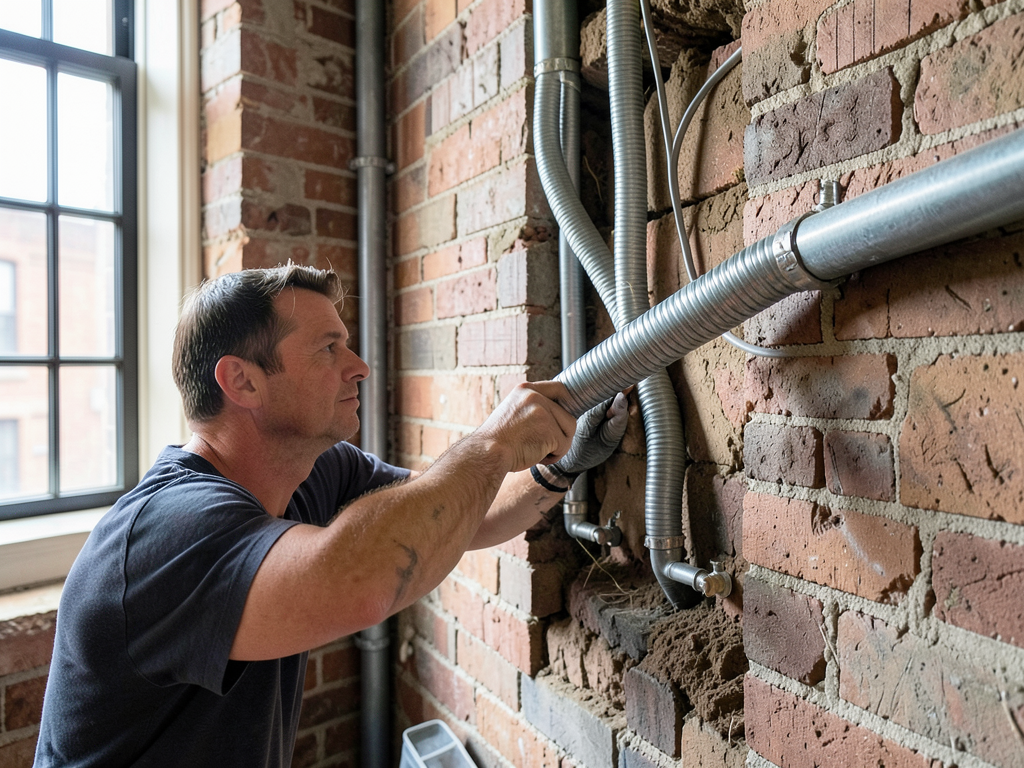
How High Velocity Systems Work in Historic Pittsburgh Buildings
Historic Pittsburgh buildings present unique challenges for HVAC installation. Many Strip District condos were built before central air conditioning existed, with solid brick walls and limited access points for traditional ductwork. High velocity systems overcome these obstacles through their innovative design.
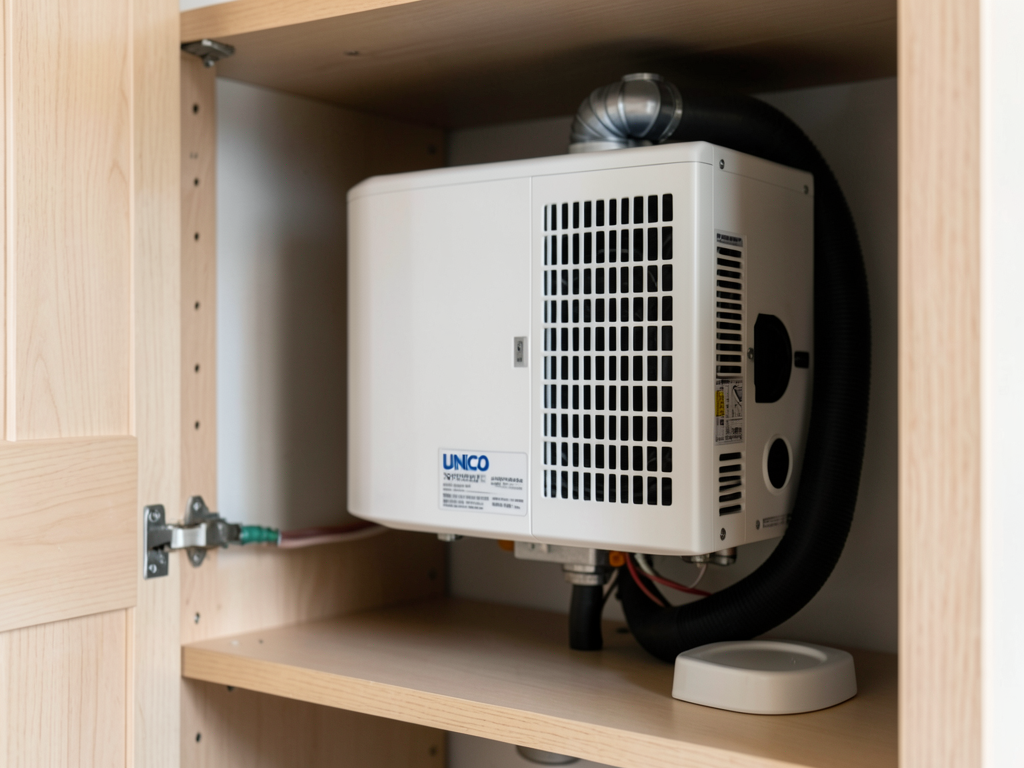
The main components include a compact air handler that can fit in a closet or utility space, flexible mini-ducts that can be routed through existing wall cavities, and small supply outlets that blend seamlessly with your interior design. The system uses a high-pressure blower to force air through the narrow ducts at velocities of up to 2,000 feet per minute.
Installation typically takes 2-3 days for a standard condo, compared to 1-2 weeks for traditional ducted systems. Technicians can often route ducts through existing chases, floor joists, or ceiling cavities, minimizing the need for wall demolition. The result is a system that provides whole-home comfort without the mess and expense of major renovations.
For Strip District residents, this means you can maintain the historic character of your building while enjoying modern HVAC technology. The small duct size also means less air leakage compared to traditional ducts, improving energy efficiency and reducing utility bills.
Energy Efficiency and Cost Savings
High velocity systems offer impressive energy efficiency ratings, with many models achieving SEER2 ratings of 16-20 or higher. This translates to significant energy savings compared to older HVAC equipment. The systems’ ability to remove more humidity also means you can set your thermostat a few degrees higher in summer while maintaining comfort, further reducing energy consumption.
The compact design of high velocity components means less space is dedicated to HVAC equipment, which is especially valuable in Strip District condos where every square foot counts. The air handler units are typically 50-70% smaller than traditional furnace and air handler combinations, freeing up valuable storage or living space. Emergency Furnace Services for Families Living in Baldwin and Whitehall.
Maintenance requirements for high velocity systems are similar to traditional HVAC, with annual professional tune-ups recommended. The high-pressure blowers do require specialized cleaning to maintain optimal performance, but the overall system reliability is excellent when properly maintained.
Many high velocity systems qualify for ENERGY STAR certification and may be eligible for utility rebates in Pennsylvania. These incentives can help offset the initial installation cost, which typically ranges from $8,000 to $15,000 for a complete system in a Strip District condo.
Unico System vs. SpacePak: Which is Right for Your Condo?
When considering high velocity HVAC, you’ll encounter two main brands: Unico System and SpacePak. Both offer excellent performance, but they have some key differences that may influence your decision. EPA Indoor Air Quality Information.
Unico System features a patented sound attenuation technology that makes their units among the quietest available. Their mini-ducts are insulated with a unique inner liner that prevents condensation and improves energy efficiency. Unico systems are particularly well-suited for historic renovations due to their compact air handlers and flexible installation options.. Read more about The Best Way to Heat and Cool an In Law Suite or ADU in McCandless.
SpacePak offers a slightly different approach with their vacuum-assisted technology, which creates a gentle negative pressure that helps draw air through the system more efficiently. Their units often have a slightly higher cooling capacity per square foot, making them ideal for larger open-concept spaces common in Strip District lofts.
Both brands offer similar warranty coverage and require professional installation by certified technicians. The choice between them often comes down to specific building constraints, budget considerations, and the recommendation of your HVAC contractor based on your unique space requirements.. Read more about HVAC Considerations for Converting Old Sharpsburg Industrial Spaces into Modern Lofts.
Installation Process and Timeline
The installation process for high velocity HVAC in a Strip District condo typically follows these steps:
- Initial Assessment
Technician evaluates your space, identifies optimal equipment locations, and creates a custom duct layout plan.
- Equipment Selection
Based on your condo size and layout, the appropriate system capacity is determined, typically 18,000-36,000 BTU for most Strip District units.
- Preparation
Existing HVAC equipment is removed if necessary, and any required electrical or structural modifications are planned.
- Duct Installation
Flexible mini-ducts are routed through walls, floors, or ceilings according to the custom layout, typically taking 1-2 days.
- Equipment Installation
The air handler and outdoor condenser unit are installed and connected to the duct system.
- Testing and Calibration
The system is thoroughly tested, airflow is balanced, and temperature settings are optimized for your space.
Most Strip District condo installations can be completed in 2-3 days with minimal disruption to your daily routine. The small duct size means less construction mess compared to traditional HVAC installation, and many residents can remain in their units during the process.
Permitting requirements in Pittsburgh typically include electrical permits and possibly building permits depending on the scope of work. Your HVAC contractor should handle all necessary permits and inspections as required by Allegheny County building codes.
Maintaining Your High Velocity System
Proper maintenance ensures your high velocity HVAC system operates efficiently for years to come. The high-pressure blowers and specialized components require specific care that differs slightly from traditional systems.
Annual professional maintenance should include cleaning or replacing the air filter, inspecting and cleaning the blower wheel and motor, checking refrigerant levels, and testing all electrical connections. The flexible mini-ducts should be inspected for any damage or disconnections, and the system should be tested for proper airflow and temperature output.
Homeowners can perform monthly filter checks and cleaning of the supply and return outlets. The small outlets can be removed and cleaned with a vacuum or damp cloth to prevent dust buildup. Unlike traditional vents, these outlets don’t have adjustable louvers, so cleaning is straightforward. The Homeowners Guide to Replacing an Aging Boiler in Bloomfield.
The high-pressure nature of these systems means they’re more sensitive to airflow restrictions. Never close off more than 20% of the outlets, as this can cause the system to work harder and potentially lead to premature component failure. If you’re remodeling or making changes to your condo layout, consult with your HVAC professional before modifying any part of the system.
Cost Considerations and ROI
The initial investment for high velocity HVAC in a Strip District condo typically ranges from $8,000 to $15,000, depending on the system size, brand, and complexity of installation. While this is higher than traditional window units or portable air conditioners, the long-term benefits often justify the cost.
Energy savings can offset 15-25% of the additional cost over a traditional system’s lifetime. The enhanced comfort, improved air quality, and elimination of bulky window units also add value to your property. Many Strip District residents find that the system pays for itself through increased property value and reduced energy bills within 5-7 years.
Additional cost factors include any necessary electrical upgrades, structural modifications for equipment mounting, and potential building association approval requirements. Some historic buildings may have specific guidelines for HVAC modifications that could affect installation options and costs.
Financing options are often available through HVAC contractors, and some utility companies offer rebates for high-efficiency equipment. Be sure to ask about current promotions and financing when getting quotes for your system installation.
Frequently Asked Questions
Can high velocity systems heat my condo in winter?
Yes, most high velocity systems are heat pump-based and can provide both heating and cooling. They’re effective down to about 30°F, with electric resistance backup available for colder temperatures. Many Strip District residents pair them with existing radiant heating for optimal year-round comfort.
Will the mini-ducts be visible in my condo?
The flexible mini-ducts are typically routed through walls, floors, or ceilings and are not visible. The small supply outlets are about 5 inches in diameter and can be painted to match your walls or installed flush with surfaces for a clean, modern look.
How noisy are high velocity systems compared to traditional HVAC?
Modern high velocity systems operate at 30-40 dB, which is quieter than a normal conversation. The sound is a gentle whoosh rather than the rumble of traditional systems. Many users report they can’t hear the system running unless they’re standing directly next to a supply outlet.
Do I need to replace my existing ductwork?
No, high velocity systems use their own dedicated mini-ducts and don’t require existing ductwork. This makes them ideal for older buildings where traditional duct installation would be impractical or impossible.
How long do high velocity systems typically last?
With proper maintenance, high velocity HVAC systems typically last 15-20 years. The air handlers and outdoor units have similar lifespans to traditional HVAC equipment, while the flexible ducts can last 20+ years when properly installed and maintained.
Are there any energy rebates available for high velocity systems?
Many high velocity systems qualify for ENERGY STAR certification and may be eligible for utility rebates through Duquesne Light or other Pennsylvania utility providers. Check with your HVAC contractor about current rebate programs and incentives.
Can I install high velocity HVAC myself?
No, high velocity systems require professional installation by certified technicians. The high-pressure components, specialized controls, and proper duct sizing calculations require expertise that only trained professionals possess. Improper installation can lead to poor performance and system damage.
What happens if my condo association has restrictions?
Most high velocity installations can be completed without exterior modifications, making them acceptable in most condo associations. However, you should always check your building’s guidelines and obtain any necessary approvals before proceeding with installation.
How do high velocity systems handle Pittsburgh’s humidity?
High velocity systems excel at humidity control, removing up to 30% more moisture from the air than traditional systems. This is particularly beneficial during Pittsburgh’s humid summer months, helping prevent mold growth and maintaining comfortable indoor conditions.
Can high velocity systems be zoned for different areas?
Yes, high velocity systems can be zoned using dampers and multiple thermostats. This allows you to control temperatures in different areas of your condo independently, improving comfort and energy efficiency. Zoning is especially useful in larger open-concept spaces or multi-level units.
Ready to Upgrade Your Strip District Condo?
High velocity HVAC systems offer the perfect solution for Strip District residents who want modern comfort without sacrificing historic charm. With flexible installation options, whisper-quiet operation, and superior energy efficiency, these systems are transforming how Pittsburgh residents experience indoor comfort.
The unique architecture of Strip District condos requires specialized HVAC solutions, and high velocity systems deliver exactly that. From the aspiration principle that eliminates hot and cold spots to the enhanced dehumidification that handles Pittsburgh’s humid summers, these systems are engineered specifically for the challenges of urban living in historic buildings.
Don’t let another summer pass with inadequate cooling or struggle through another winter with inconsistent heating. High velocity HVAC brings modern technology to your historic space, providing the comfort you deserve while preserving the character you love.
Call (412) 387-0477 today to schedule your free consultation and discover how high velocity HVAC can transform your Strip District condo. Our experienced technicians understand the unique requirements of Pittsburgh’s historic buildings and will design a system that meets your specific needs and budget.
Pick up the phone and call (412) 387-0477 before the next heat wave hits. Your comfort can’t wait, and with our quick installation process, you could be enjoying perfect temperatures in your condo within days. Don’t settle for less when you can have the best in high velocity HVAC technology. For more information, visit U.S. Department of Energy on Central Air Conditioning.
{
“@context”: “https://schema.org”,
“@type”: “BlogPosting”,
“headline”: “Why Your Strip District Condo Needs a High Velocity HVAC System”,
“description”: “Discover why high velocity HVAC systems are perfect for Strip District condos. Learn about flexible ductwork, energy efficiency, and quiet operation in Pittsburgh’s historic buildings.”,
“wordCount”: 2153,
“datePublished”: “2026-04-08T09:40:00.000Z”,
“dateModified”: “2026-04-08T09:40:00.000Z”,
“inLanguage”: “en-US”,
“mainEntityOfPage”: {
“@type”: “WebPage”,
“@id”: “https://apexhvacpittsburgh.com”
},
“publisher”: {
“@type”: “LocalBusiness”,
“name”: “Apex HVAC Pittsburgh”,
“url”: “https://apexhvacpittsburgh.com”
},
“author”: {
“@type”: “Organization”,
“name”: “Apex HVAC Pittsburgh”,
“url”: “https://apexhvacpittsburgh.com”
},
“image”: {
“@type”: “ImageObject”,
“url”: “https://apexhvacpittsburgh.com/wp-content/uploads/2026/03/why-your-strip-district-condo-needs-a-high-velocit-1.png”
}
}
{
“@context”: “https://schema.org”,
“@type”: “HVACBusiness”,
“name”: “Apex HVAC Pittsburgh”,
“url”: “https://apexhvacpittsburgh.com”,
“address”: {
“@type”: “PostalAddress”,
“addressLocality”: “Pittsburgh”
},
“areaServed”: {
“@type”: “City”,
“name”: “Pittsburgh”
}
}
{
“@context”: “https://schema.org”,
“@type”: “FAQPage”,
“mainEntity”: [
{
“@type”: “Question”,
“name”: “Unico System vs. SpacePak: Which is Right for Your Condo?”,
“acceptedAnswer”: {
“@type”: “Answer”,
“text”: “When considering high velocity HVAC, you’ll encounter two main brands: Unico System and SpacePak. Both offer excellent performance, but they have some key differences that may influence your decision. EPA Indoor Air Quality Information.”
}
},
{
“@type”: “Question”,
“name”: “Can high velocity systems heat my condo in winter?”,
“acceptedAnswer”: {
“@type”: “Answer”,
“text”: “Yes, most high velocity systems are heat pump-based and can provide both heating and cooling. They’re effective down to about 30°F, with electric resistance backup available for colder temperatures. Many Strip District residents pair them with existing radiant heating for optimal year-round comfort.”
}
},
{
“@type”: “Question”,
“name”: “Will the mini-ducts be visible in my condo?”,
“acceptedAnswer”: {
“@type”: “Answer”,
“text”: “The flexible mini-ducts are typically routed through walls, floors, or ceilings and are not visible. The small supply outlets are about 5 inches in diameter and can be painted to match your walls or installed flush with surfaces for a clean, modern look.”
}
},
{
“@type”: “Question”,
“name”: “How noisy are high velocity systems compared to traditional HVAC?”,
“acceptedAnswer”: {
“@type”: “Answer”,
“text”: “Modern high velocity systems operate at 30-40 dB, which is quieter than a normal conversation. The sound is a gentle whoosh rather than the rumble of traditional systems. Many users report they can’t hear the system running unless they’re standing directly next to a supply outlet.”
}
},
{
“@type”: “Question”,
“name”: “Do I need to replace my existing ductwork?”,
“acceptedAnswer”: {
“@type”: “Answer”,
“text”: “No, high velocity systems use their own dedicated mini-ducts and don’t require existing ductwork. This makes them ideal for older buildings where traditional duct installation would be impractical or impossible.”
}
},
{
“@type”: “Question”,
“name”: “How long do high velocity systems typically last?”,
“acceptedAnswer”: {
“@type”: “Answer”,
“text”: “With proper maintenance, high velocity HVAC systems typically last 15-20 years. The air handlers and outdoor units have similar lifespans to traditional HVAC equipment, while the flexible ducts can last 20+ years when properly installed and maintained.”
}
},
{
“@type”: “Question”,
“name”: “Are there any energy rebates available for high velocity systems?”,
“acceptedAnswer”: {
“@type”: “Answer”,
“text”: “Many high velocity systems qualify for ENERGY STAR certification and may be eligible for utility rebates through Duquesne Light or other Pennsylvania utility providers. Check with your HVAC contractor about current rebate programs and incentives.”
}
},
{
“@type”: “Question”,
“name”: “Can I install high velocity HVAC myself?”,
“acceptedAnswer”: {
“@type”: “Answer”,
“text”: “No, high velocity systems require professional installation by certified technicians. The high-pressure components, specialized controls, and proper duct sizing calculations require expertise that only trained professionals possess. Improper installation can lead to poor performance and system damage.”
}
},
{
“@type”: “Question”,
“name”: “What happens if my condo association has restrictions?”,
“acceptedAnswer”: {
“@type”: “Answer”,
“text”: “Most high velocity installations can be completed without exterior modifications, making them acceptable in most condo associations. However, you should always check your building’s guidelines and obtain any necessary approvals before proceeding with installation.”
}
},
{
“@type”: “Question”,
“name”: “How do high velocity systems handle Pittsburgh’s humidity?”,
“acceptedAnswer”: {
“@type”: “Answer”,
“text”: “High velocity systems excel at humidity control, removing up to 30% more moisture from the air than traditional systems. This is particularly beneficial during Pittsburgh’s humid summer months, helping prevent mold growth and maintaining comfortable indoor conditions.”
}
},
{
“@type”: “Question”,
“name”: “Can high velocity systems be zoned for different areas?”,
“acceptedAnswer”: {
“@type”: “Answer”,
“text”: “Yes, high velocity systems can be zoned using dampers and multiple thermostats. This allows you to control temperatures in different areas of your condo independently, improving comfort and energy efficiency. Zoning is especially useful in larger open-concept spaces or multi-level units.”
}
},
{
“@type”: “Question”,
“name”: “Ready to Upgrade Your Strip District Condo?”,
“acceptedAnswer”: {
“@type”: “Answer”,
“text”: “High velocity HVAC systems offer the perfect solution for Strip District residents who want modern comfort without sacrificing historic charm. With flexible installation options, whisper-quiet operation, and superior energy efficiency, these systems are transforming how Pittsburgh residents experience indoor comfort.”
}
}
]
}
{
“@context”: “https://schema.org”,
“@type”: “HowTo”,
“name”: “High Velocity HVAC Installation Process”,
“step”: [
{
“@type”: “HowToStep”,
“position”: 1,
“name”: “Initial Assessment”,
“text”: “Technician evaluates your space, identifies optimal equipment locations, and creates a custom duct layout plan.”
},
{
“@type”: “HowToStep”,
“position”: 2,
“name”: “Equipment Selection”,
“text”: “Based on your condo size and layout, the appropriate system capacity is determined, typically 18,000-36,000 BTU for most Strip District units.”
},
{
“@type”: “HowToStep”,
“position”: 3,
“name”: “Preparation”,
“text”: “Existing HVAC equipment is removed if necessary, and any required electrical or structural modifications are planned.”
},
{
“@type”: “HowToStep”,
“position”: 4,
“name”: “Duct Installation”,
“text”: “Flexible mini-ducts are routed through walls, floors, or ceilings according to the custom layout, typically taking 1-2 days.”
},
{
“@type”: “HowToStep”,
“position”: 5,
“name”: “Equipment Installation”,
“text”: “The air handler and outdoor condenser unit are installed and connected to the duct system.”
},
{
“@type”: “HowToStep”,
“position”: 6,
“name”: “Testing and Calibration”,
“text”: “The system is thoroughly tested, airflow is balanced, and temperature settings are optimized for your space.”
}
],
“image”: “https://apexhvacpittsburgh.com/wp-content/uploads/2026/03/why-your-strip-district-condo-needs-a-high-velocit-1.png”
}
{
“@context”: “https://schema.org”,
“@type”: “BreadcrumbList”,
“itemListElement”: [
{
“@type”: “ListItem”,
“position”: 1,
“name”: “Home”,
“item”: “https://apexhvacpittsburgh.com”
},
{
“@type”: “ListItem”,
“position”: 2,
“name”: “Blog”,
“item”: “https://apexhvacpittsburgh.com/blog”
},
{
“@type”: “ListItem”,
“position”: 3,
“name”: “Why Your Strip District Condo Needs a High Velocity HVAC System”
}
]
}
{
“@context”: “https://schema.org”,
“@type”: “Service”,
“serviceType”: “HVAC”,
“provider”: {
“@type”: “LocalBusiness”,
“name”: “Apex HVAC Pittsburgh”,
“url”: “https://apexhvacpittsburgh.com”
},
“areaServed”: {
“@type”: “City”,
“name”: “Pittsburgh”
},
“description”: “Discover why high velocity HVAC systems are perfect for Strip District condos. Learn about flexible ductwork, energy efficiency, and quiet operation in Pittsburgh’s historic buildings.”
}