
How to Keep Your Pine Township Sunroom Comfortable in Both July and January
Sunrooms in Pine Township offer beautiful views and natural light but become unbearable during Pittsburgh’s extreme seasons. The glass walls that create that airy feel also trap heat in July and lose it rapidly in January. You need a zoned solution that handles both the high humidity of summer and the sub-zero winter nights common to Western Pennsylvania. Why Your Robinson Township AC Unit is Making Noise and How to Fix It.
The Challenge: Why Sunrooms are Climate Control Nightmares
Sunrooms present unique HVAC challenges that standard rooms do not face. The high glass-to-wall ratio means your space has minimal insulation value. Standard windows have R-values around 2-3 while exterior walls rate at R-13 or higher. This creates massive heat transfer in both directions.. Read more about Why Your East Liberty Apartment Windows are Always Foggy in the Winter.
Pine Township’s climate makes this worse. Summer humidity often exceeds 80% while winter temperatures regularly drop below 20°F. The sun’s angle changes dramatically between seasons, creating hot spots in summer and cold drafts in winter. Without proper HVAC, your sunroom becomes a greenhouse in July and an icebox in January. Keeping Your Moon Township Commercial Property Comfortable Year Round.
The building code requirements add another layer of complexity. Pennsylvania’s Uniform Construction Code requires any living space to maintain specific temperature ranges. Your sunroom needs its own thermostat and dedicated heating capacity to meet these standards.
Option 1: Ductless Mini-Split Systems (The Gold Standard)
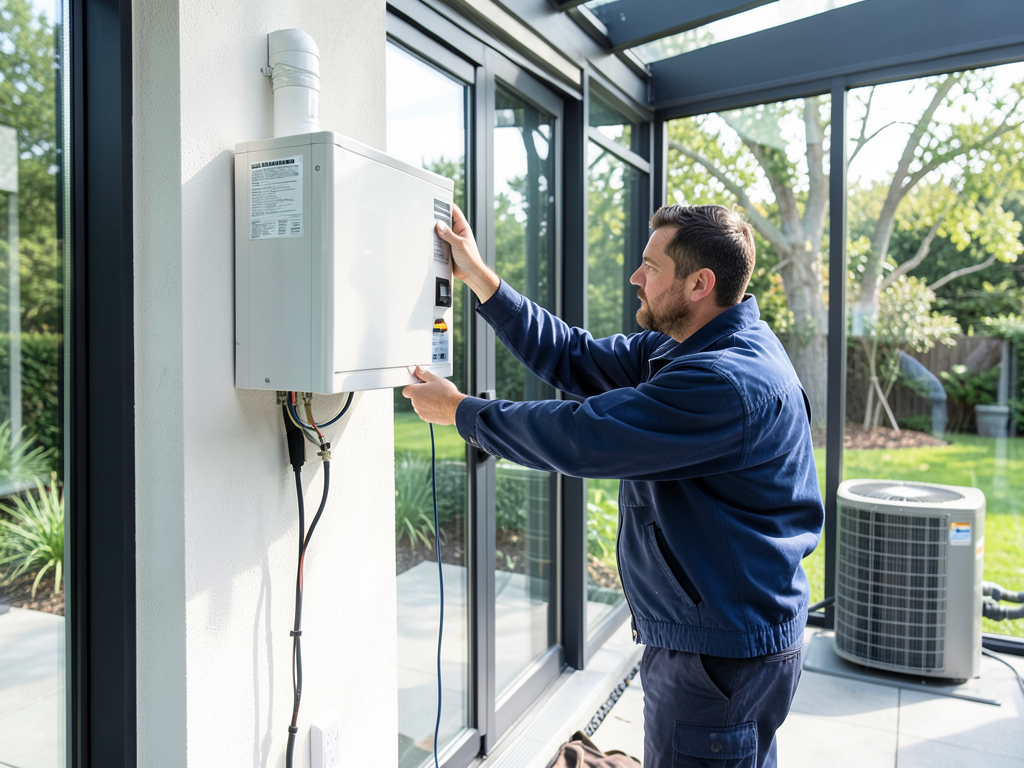
Ductless mini-split systems solve most sunroom HVAC problems without major construction. These heat pumps work by transferring heat rather than generating it, making them highly efficient in Pittsburgh’s climate. Modern cold-climate mini-splits maintain full heating capacity down to -13°F, well below our typical winter lows. Winterizing Your HVAC System.
The installation process is straightforward. A small outdoor unit connects to an indoor air handler through a three-inch hole in the wall. No ductwork means you preserve your sunroom’s aesthetic while gaining precise temperature control. The inverter technology adjusts compressor speed based on demand, reducing energy consumption by up to 30% compared to traditional systems.. Read more about Choosing the Right Size HVAC System for a New Home Addition in Oakdale.
Energy Star certified mini-splits with SEER2 ratings of 18+ qualify for utility rebates through Duquesne Light and FirstEnergy. These rebates can offset 15-20% of installation costs. The zoning capability lets you set different temperatures in your sunroom versus the main house, preventing energy waste.
Humidity control is critical in July and August. Quality mini-splits remove 2-3 pints of moisture per hour while cooling, maintaining comfort without overcooling. Look for models with dedicated dehumidification modes for Pittsburgh’s muggy summer nights.. Read more about The Best Ways to Keep Your Morningside Home Office Cool Without Increasing the Noise.
Option 2: Extending Your Existing HVAC System
Extending ductwork from your main system seems logical but creates several problems. Your existing furnace and air conditioner were sized for your home’s original square footage. Adding a sunroom often requires 20-30% more heating and cooling capacity than your system can provide. Emergency Furnace Services for Families Living in Baldwin and Whitehall.
A Manual J load calculation determines the exact BTU requirements for your sunroom. Glass walls can require 50-100% more BTUs per square foot than standard walls. Without this calculation, you risk undersized equipment that runs constantly or oversized equipment that short cycles.
The installation disrupts your existing system. Running ducts through finished walls requires cutting into drywall and potentially your roofline. Each duct run adds static pressure, reducing airflow to other rooms. Your main system may struggle to maintain temperatures throughout the house.
Energy efficiency suffers with extended ductwork. Leaks at joints can waste 20-30% of conditioned air. The farther the sunroom is from your furnace, the more heat loss occurs in winter and heat gain in summer through the ducts themselves.
Option 3: Alternative Solutions
PTAC units (Packaged Terminal Air Conditioners) work well for smaller sunrooms under 200 square feet. These through-the-wall units provide both heating and cooling but have limitations. They’re noisier than mini-splits and have lower energy efficiency ratings, typically SEER10-12 versus SEER18+ for mini-splits.
Radiant floor heating pairs excellently with cooling-only mini-splits for Pittsburgh winters. Electric or hydronic systems warm the floor surface, creating comfort without blowing air. This eliminates cold feet on tile or hardwood while the cooling system handles summer heat.. Read more about Staying Cool While Training in Your Collier Township Garage Gym.
Window films with low-emissivity coatings reduce heat transfer by 40-60%. While not a complete solution, they significantly improve comfort when combined with other systems. Look for films with at least 50% visible light transmission to maintain your sunroom’s bright feel.
Portable air conditioners work for temporary cooling but have major drawbacks. They require a window or wall opening for the exhaust hose, reducing your sunroom’s openness. Most units have limited cooling capacity and struggle in high humidity. They also create tripping hazards with power cords across the floor.
Cost Comparison & ROI
| System Type | Initial Cost Range | Monthly Operating Cost | Energy Efficiency |
|---|---|---|---|
| Ductless Mini-Split | $3,500 – $6,000 | $30 – $60 | SEER2 18-22 |
| Extended Ductwork | $4,000 – $8,000 | $40 – $80 | SEER2 14-16 |
| PTAC Unit | $1,200 – $2,500 | $45 – $95 | SEER10-12 |
| Radiant Floor + Cooling | $5,000 – $12,000 | $35 – $70 | SEER2 16-20 |
The higher upfront cost of ductless mini-splits pays off through lower operating costs and longer equipment life. Quality systems last 15-20 years versus 10-12 years for PTAC units. Utility rebates and potential tax credits improve the return on investment timeline. Understanding Ductless Systems.
Pittsburgh Climate Considerations
Pittsburgh’s humid continental climate creates specific challenges for sunroom comfort. July and August bring average humidity levels of 75-85%, making cooling feel ineffective even at comfortable temperatures. Your system needs robust dehumidification to maintain comfort.
Winter presents different challenges. Western Pennsylvania experiences lake-effect snow and cold snaps where temperatures remain below freezing for weeks. Your heating system must maintain 70°F when outdoor temperatures drop to 0°F or lower. Standard heat pumps lose efficiency below 32°F, making cold-climate models essential.
Spring and fall bring rapid temperature swings. A 40-degree day can become a 75-degree afternoon. Zoning capability lets you adjust for these changes without affecting your main house. Smart thermostats with weather sensing optimize operation based on incoming conditions.
The freeze-thaw cycle common to Pine Township causes foundation shifts that can damage rigid ductwork. Flexible connections in ductless systems accommodate this movement without leaks or disconnections.
Energy efficiency matters more here than in many regions. Pennsylvania’s electricity rates average 13-15 cents per kWh, higher than the national average. Efficient equipment reduces monthly costs significantly over the system’s lifetime.
Insulation and Air Sealing Strategies
Even the best HVAC system struggles in a poorly insulated sunroom. Start with the foundation. Concrete slabs have minimal insulation value. Adding rigid foam insulation under the slab prevents heat loss through the floor, where 10-15% of energy escapes in winter.
Wall insulation in sunrooms typically consists of fiberglass batts between studs. However, thermal bridging occurs where studs contact exterior surfaces. Continuous rigid foam insulation on the exterior side of studs reduces this heat transfer significantly.
Ceiling insulation prevents heat gain through the roof in summer and heat loss in winter. Cathedral ceilings in sunrooms often have limited space for insulation. Spray foam insulation provides higher R-values per inch than fiberglass, making it ideal for tight spaces.
Air sealing prevents drafts that make rooms feel colder than the thermostat setting. Caulk gaps around windows and doors. Weatherstripping on operable windows prevents air infiltration. Pay special attention to where walls meet the foundation and roofline.
Low-E window coatings reflect infrared radiation while allowing visible light to pass through. This reduces heat gain in summer by 40-60% while maintaining your view. Triple-pane windows with gas fills provide even better insulation but cost significantly more.
Maintenance Requirements for Year-Round Comfort
Sunroom HVAC systems need more frequent maintenance than standard systems due to their constant operation. Clean or replace air filters every 30-60 days instead of the standard 90 days. Dust and pollen from open windows during pleasant weather clog filters quickly.
Check refrigerant levels annually. Mini-splits operate most efficiently within specific pressure ranges. Low refrigerant reduces heating and cooling capacity while increasing energy consumption. A 10% refrigerant loss can increase operating costs by 20%.
Clean the outdoor unit’s coils twice yearly. Pollen, leaves, and debris accumulate faster in sunrooms with surrounding landscaping. Dirty coils reduce heat transfer efficiency by up to 30%, forcing the system to work harder.
Inspect insulation integrity annually. UV radiation from sunlight degrades foam insulation over time. Rodents sometimes nest in insulation during winter, creating gaps. Replace damaged sections promptly to maintain efficiency.
Test thermostat calibration seasonally. Temperature sensors drift over time, causing systems to heat or cool beyond setpoints. A properly calibrated thermostat maintains comfort while minimizing energy waste.
Making the Right Choice for Your Pine Township Home
Your decision depends on several factors specific to your situation. Budget constraints might make PTAC units attractive initially, but their higher operating costs and shorter lifespan reduce long-term value. If you plan to use the space year-round, invest in quality equipment that handles both seasons effectively.
Consider your home’s architecture. Older Pine Township homes with plaster walls make duct installation difficult and expensive. Ductless systems preserve your home’s character while providing modern comfort. If you have an open floor plan, a single-zone mini-split might suffice. Multiple glass walls might require multi-zone systems.
Energy efficiency priorities affect your choice. If lowering utility bills matters most, select high-SEER equipment with variable-speed compressors. If environmental impact concerns you, look for systems using R-32 refrigerant, which has lower global warming potential than older refrigerants.
Noise tolerance varies by person. Bedrooms above or adjacent to sunrooms need ultra-quiet indoor units rated at 20-25 decibels. Living spaces can tolerate slightly louder operation. Check manufacturer sound ratings before purchasing.
Future plans influence your decision. If you might enclose the sunroom later, choose equipment that can serve as the main system for an expanded space. Some mini-splits allow adding indoor units to existing outdoor compressors, providing upgrade flexibility.
Frequently Asked Questions
How long does sunroom HVAC installation take?
Most ductless mini-split installations complete in one day. Extending existing ductwork typically requires 2-3 days due to demolition and reconstruction work. Radiant floor heating installation takes 3-5 days plus curing time before use.
Can I install sunroom HVAC myself?
DIY installation violates EPA Section 608 refrigerant handling requirements and often voids equipment warranties. Professional installation ensures proper sizing, efficient operation, and code compliance. Incorrect installation reduces system life by years and increases energy costs. EPA Section 608 certification.
What size system do I need for my sunroom?
Size depends on square footage, glass area, orientation, and local climate. A 200-square-foot sunroom might need 9,000-12,000 BTUs for cooling and 12,000-15,000 BTUs for heating. Professional Manual J calculations provide exact requirements.
Will sunroom HVAC affect my home’s resale value?
Year-round usable space increases home value more than seasonal rooms. Quality HVAC installation with proper permits and inspections provides documentation for appraisers. Energy-efficient systems appeal to buyers concerned about utility costs.
How do I maintain consistent temperatures in a glass room?
Use ceiling fans to circulate air and eliminate hot or cold spots. Close blinds during peak sun hours in summer. Consider smart thermostats that adjust based on sunlight and outdoor conditions. Proper insulation reduces temperature swings between system cycles.
Ready to make your Pine Township sunroom comfortable year-round? Call (412) 387-0477 today to schedule your free consultation. Our NATE-certified technicians will assess your specific needs and recommend the most efficient solution for your home and budget.
Don’t wait until next summer’s heat wave or winter’s deep freeze makes your sunroom unusable. Pick up the phone and call (412) 387-0477 before the next season hits. We serve all of Pine Township and the surrounding North Hills area with fast, professional HVAC installation and service. For more information, visit Energy.gov ductless mini-split guide.
{
“@context”: “https://schema.org”,
“@type”: “BlogPosting”,
“headline”: “How to Keep Your Pine Township Sunroom Comfortable in Both July and January”,
“description”: “Learn how to heat and cool your Pine Township sunroom year-round with ductless mini-splits, insulation upgrades, and energy-efficient solutions that handle Pittsburgh’s extreme seasons.”,
“wordCount”: 1946,
“datePublished”: “2026-05-02T07:56:00.000Z”,
“dateModified”: “2026-05-02T07:56:00.000Z”,
“inLanguage”: “en-US”,
“mainEntityOfPage”: {
“@type”: “WebPage”,
“@id”: “https://apexhvacpittsburgh.com”
},
“publisher”: {
“@type”: “LocalBusiness”,
“name”: “Apex HVAC Pittsburgh”,
“url”: “https://apexhvacpittsburgh.com”
},
“author”: {
“@type”: “Organization”,
“name”: “Apex HVAC Pittsburgh”,
“url”: “https://apexhvacpittsburgh.com”
},
“image”: {
“@type”: “ImageObject”,
“url”: “https://apexhvacpittsburgh.com/wp-content/uploads/2026/03/how-to-keep-your-pine-township-sunroom-comfortable-1.png”
}
}
{
“@context”: “https://schema.org”,
“@type”: “HVACBusiness”,
“name”: “Apex HVAC Pittsburgh”,
“url”: “https://apexhvacpittsburgh.com”,
“address”: {
“@type”: “PostalAddress”,
“addressLocality”: “Pittsburgh”
},
“areaServed”: {
“@type”: “City”,
“name”: “Pittsburgh”
}
}
{
“@context”: “https://schema.org”,
“@type”: “FAQPage”,
“mainEntity”: [
{
“@type”: “Question”,
“name”: “How long does sunroom HVAC installation take?”,
“acceptedAnswer”: {
“@type”: “Answer”,
“text”: “Most ductless mini-split installations complete in one day. Extending existing ductwork typically requires 2-3 days due to demolition and reconstruction work. Radiant floor heating installation takes 3-5 days plus curing time before use.”
}
},
{
“@type”: “Question”,
“name”: “Can I install sunroom HVAC myself?”,
“acceptedAnswer”: {
“@type”: “Answer”,
“text”: “DIY installation violates EPA Section 608 refrigerant handling requirements and often voids equipment warranties. Professional installation ensures proper sizing, efficient operation, and code compliance. Incorrect installation reduces system life by years and increases energy costs. EPA Section 608 certification.”
}
},
{
“@type”: “Question”,
“name”: “What size system do I need for my sunroom?”,
“acceptedAnswer”: {
“@type”: “Answer”,
“text”: “Size depends on square footage, glass area, orientation, and local climate. A 200-square-foot sunroom might need 9,000-12,000 BTUs for cooling and 12,000-15,000 BTUs for heating. Professional Manual J calculations provide exact requirements.”
}
},
{
“@type”: “Question”,
“name”: “Will sunroom HVAC affect my home’s resale value?”,
“acceptedAnswer”: {
“@type”: “Answer”,
“text”: “Year-round usable space increases home value more than seasonal rooms. Quality HVAC installation with proper permits and inspections provides documentation for appraisers. Energy-efficient systems appeal to buyers concerned about utility costs.”
}
},
{
“@type”: “Question”,
“name”: “How do I maintain consistent temperatures in a glass room?”,
“acceptedAnswer”: {
“@type”: “Answer”,
“text”: “Use ceiling fans to circulate air and eliminate hot or cold spots. Close blinds during peak sun hours in summer. Consider smart thermostats that adjust based on sunlight and outdoor conditions. Proper insulation reduces temperature swings between system cycles.”
}
}
]
}
{
“@context”: “https://schema.org”,
“@type”: “BreadcrumbList”,
“itemListElement”: [
{
“@type”: “ListItem”,
“position”: 1,
“name”: “Home”,
“item”: “https://apexhvacpittsburgh.com”
},
{
“@type”: “ListItem”,
“position”: 2,
“name”: “Blog”,
“item”: “https://apexhvacpittsburgh.com/blog”
},
{
“@type”: “ListItem”,
“position”: 3,
“name”: “How to Keep Your Pine Township Sunroom Comfortable in Both July and January”
}
]
}
{
“@context”: “https://schema.org”,
“@type”: “Service”,
“serviceType”: “HVAC”,
“provider”: {
“@type”: “LocalBusiness”,
“name”: “Apex HVAC Pittsburgh”,
“url”: “https://apexhvacpittsburgh.com”
},
“areaServed”: {
“@type”: “City”,
“name”: “Pittsburgh”
},
“description”: “Learn how to heat and cool your Pine Township sunroom year-round with ductless mini-splits, insulation upgrades, and energy-efficient solutions that handle Pittsburgh’s extreme seasons.”
}