
Connecting Your HVAC System to Your Smart Home in the Strip District
Smart home technology is transforming how Pittsburgh residents control their indoor comfort. The Strip District’s historic buildings and modern condos present unique challenges when integrating smart HVAC controls. This guide walks you through everything you need to know about connecting your heating and cooling system to your smart home setup. The Homeowners Guide to Replacing an Aging Boiler in Bloomfield.
Why Smart HVAC Integration Matters in Western PA
Pittsburgh’s climate swings from humid summers to freezing winters create demanding conditions for HVAC systems. Smart integration helps you automatically adjust for rapid temperature changes common in Western Pennsylvania. Your system can prepare for the next polar vortex or manage humidity spikes during July thunderstorms without manual intervention. EPA Energy Star smart thermostat information.
The Strip District’s mix of century-old warehouses converted to lofts and new construction means every building has different HVAC requirements. Smart controls can optimize performance whether you have a high-efficiency furnace in a new condo or a boiler system in a converted factory. Emergency Furnace Services for Families Living in Baldwin and Whitehall.
Compatibility: Will Your Current System Support a Smart Thermostat?
Most modern HVAC systems work with smart thermostats but older equipment may need upgrades. The key factor is your C-wire or common wire. This provides continuous power to smart thermostats that need more electricity than basic programmable models. Winterizing Your HVAC System.
Checking compatibility starts with your existing thermostat. Remove the faceplate and look for wires labeled R, W, Y, G, and C. If you don’t see a C-wire, your system might still work but could experience battery drain or lose Wi-Fi connectivity.
Older homes in the Strip District often have boiler systems or radiant heating that require specialized smart controls. These systems don’t use standard thermostat wiring and need controllers designed specifically for hydronic heating.. Read more about Protecting Your Millvale Boiler or Furnace from Potential Basement Flooding and Water Damage.

A technician holding a smart thermostat and examining the wiring in an electrical panel, showing the C-wire connection process.
Top Smart Home Ecosystems for HVAC
Google Nest Learning Thermostat adapts to your schedule and preferences over time. It learns when you’re home and adjusts temperatures automatically. The device integrates with Google Home for voice control and works with most HVAC systems including heat pumps and multi-stage equipment.
Amazon Alexa compatible thermostats offer broad ecosystem support. The Honeywell Home T9 provides room sensors that detect occupancy and temperature variations throughout your home. This solves the common problem of uneven temperatures in multi-story Strip District buildings.
Apple HomeKit devices appeal to users already invested in the Apple ecosystem. Ecobee SmartThermostat with voice control includes an integrated Amazon Alexa speaker and works seamlessly with Siri commands. The system also monitors air quality and can trigger ventilation when needed.
Energy Savings and Local Rebates
Smart HVAC integration typically reduces energy bills by 10-15% through optimized scheduling and remote monitoring. Duquesne Light’s Watt Choices program offers rebates up to $100 for qualifying smart thermostats. FirstEnergy utilities in Pennsylvania provide similar incentives through their energy efficiency programs. Duquesne Light Watt Choices rebates.
Beyond utility rebates, smart systems prevent costly emergency repairs. They can detect when your system runs inefficiently and alert you before minor issues become major problems. This predictive maintenance approach extends equipment life and maintains warranty coverage.
Smart integration also qualifies for federal energy tax credits when installed with qualifying high-efficiency equipment. The Inflation Reduction Act provides credits for smart thermostats when part of a comprehensive HVAC upgrade.
Professional vs. DIY Installation
DIY installation works for basic systems but professional installation ensures proper wiring and configuration. Incorrect wiring can damage expensive HVAC equipment or create safety hazards. Professional technicians also verify that your system maintains proper airflow and pressure after integration.
Professional installation includes system calibration specific to your home’s needs. Technicians test heating and cooling cycles, verify communication between devices, and program optimal settings based on your building’s characteristics. This calibration process can improve efficiency by an additional 5-7%.
Local building codes in Allegheny County require permits for HVAC modifications that affect system capacity or introduce new control wiring. Professional installers handle permitting and ensure compliance with Pennsylvania Uniform Construction Code requirements.
Strip District Specific Considerations
The Strip District’s industrial heritage means many buildings have unique HVAC challenges. High ceilings common in converted warehouses require zoning controls to prevent temperature stratification. Smart systems with multiple sensors can maintain consistent comfort from floor to ceiling.
Older electrical systems in historic buildings may not support the power demands of multiple smart devices. Professional assessment determines if electrical upgrades are needed before installation. This prevents overloading circuits and ensures reliable operation.
Strip District buildings often have mixed-use spaces with different temperature requirements. Smart zoning allows you to heat or cool only occupied areas, saving energy while maintaining comfort where people actually work or live.
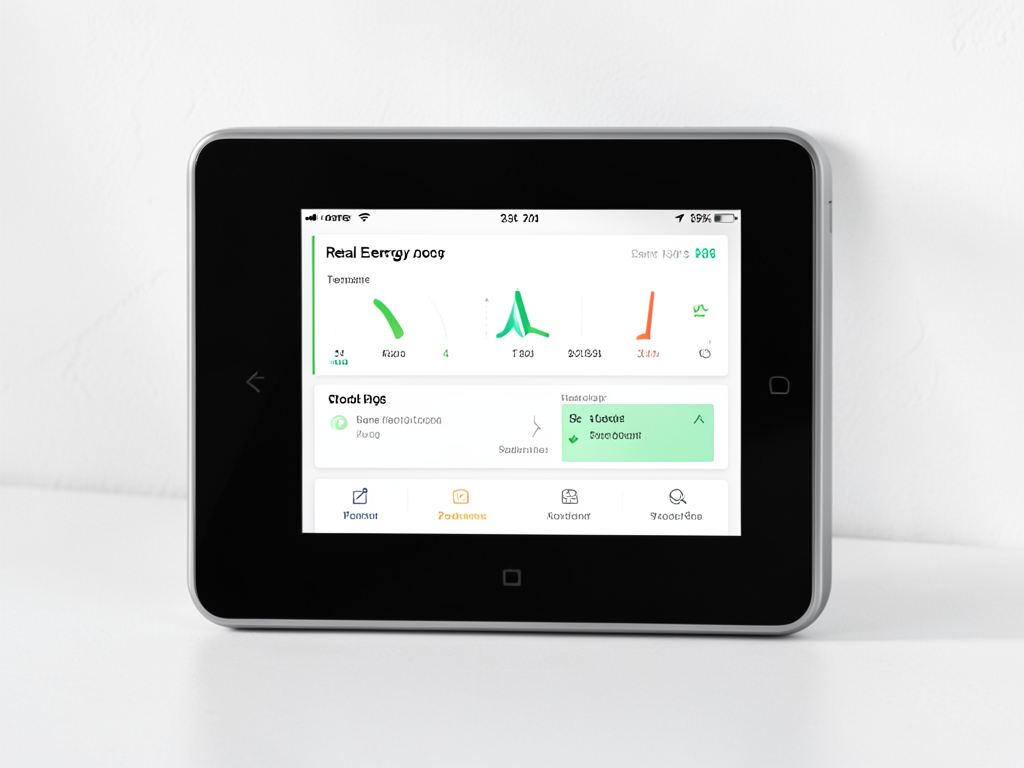
A smart thermostat display showing real-time energy usage and temperature control settings for a zoned HVAC system.
Advanced Integration Features
Geofencing uses your smartphone’s location to adjust temperatures automatically. Your system can start heating or cooling when you’re heading home and switch to energy-saving mode when everyone leaves. This feature works particularly well in the Strip District where residents often work in nearby offices.
Weather integration allows your system to prepare for incoming weather changes. Smart controls can pre-cool your home before a heatwave or adjust humidity levels before a storm arrives. Pittsburgh’s rapidly changing weather makes this feature especially valuable.
Air quality monitoring detects when indoor air becomes unhealthy due to pollen, smoke, or other pollutants. Smart systems can automatically increase ventilation or activate air purification when air quality drops below healthy levels.
Common Integration Challenges
Multi-stage systems require thermostats that can control different heating and cooling levels. Basic smart thermostats may only work with single-stage equipment, leaving advanced features unavailable. Professional assessment ensures you get a controller matched to your system’s capabilities.
Heat pump systems need specialized controls that manage both heating and cooling modes efficiently. The transition between modes affects efficiency and comfort, so proper control programming matters more than with conventional systems.
Radiant heating systems integrate differently than forced air. Smart controls for boilers need to manage water temperature and circulation pumps rather than simple on/off commands. This requires controllers designed specifically for hydronic systems.
Maintenance and Troubleshooting
Smart systems provide diagnostic information that helps identify problems early. They can detect when filters need replacement, when airflow decreases, or when components operate outside normal parameters. This early warning prevents costly breakdowns.
Remote monitoring allows technicians to diagnose problems without emergency service calls. They can often resolve issues through software updates or configuration changes, saving you time and money.
Software updates keep your system current with the latest features and security patches. Professional installation includes setup of automatic updates and monitoring to ensure continued reliable operation.
Future-Proofing Your Investment
5G connectivity and improved Wi-Fi coverage in Pittsburgh make smart home integration more reliable than ever. Newer systems support faster communication and better remote access, even in older buildings with thick walls.
Energy market changes affect the value of smart controls. As time-of-use pricing becomes more common, smart systems can automatically shift energy use to off-peak hours, saving money without sacrificing comfort.
Integration with renewable energy systems allows smart controls to optimize between solar power, grid electricity, and stored energy. This coordination maximizes efficiency and minimizes environmental impact.
A technician using a tablet to monitor and adjust smart HVAC system settings remotely from a service vehicle.
Getting Started with Smart HVAC Integration
Start with a professional assessment of your current system. A qualified technician will evaluate your equipment, wiring, and building characteristics to recommend the best integration approach. This assessment typically takes 30-60 minutes and provides a clear roadmap for your project.
Consider your smart home ecosystem carefully. Choose devices that work well together and support the features most important to you. If you’re starting from scratch, select a primary ecosystem and build around it for the best integration.
Plan for professional installation even if you’re comfortable with DIY projects. HVAC integration involves high-voltage wiring and complex control systems where mistakes can be costly or dangerous.
Frequently Asked Questions
Will my old HVAC system work with smart controls?
Most systems built after 2000 support smart integration. Older equipment may need a C-wire or control board upgrade. Professional assessment determines your specific requirements and compatibility.
How much does smart HVAC integration cost?
Basic integration starts around $300-500 for the thermostat plus installation. Complex systems with zoning or multiple sensors can cost $1,000-2,500 total. Utility rebates often offset 20-50% of the cost.
Do I need to replace my entire HVAC system?
No, smart controls work with existing equipment. You only need to replace your HVAC system if it’s inefficient, unreliable, or incompatible with modern controls. Most integration projects preserve your current equipment.
Can smart controls really save money?
Yes, smart integration typically reduces energy bills by 10-15% through optimized scheduling and efficient operation. The savings often pay for the investment within 2-3 years, especially with available rebates.
What happens during a power outage?
Smart thermostats retain basic scheduling and can operate manually during outages. Advanced features requiring Wi-Fi or cloud connectivity become unavailable until power returns. Battery backup options provide continued operation for critical systems.
Ready to Upgrade Your Strip District Home?
Smart HVAC integration transforms how you experience comfort while reducing energy costs. The Strip District’s unique building characteristics make professional assessment essential for optimal results. Our technicians understand the specific challenges of integrating modern technology with Pittsburgh’s historic and industrial architecture.
Call (412) 387-0477 today to schedule your smart HVAC assessment. We’ll evaluate your current system, recommend the best integration approach, and handle all installation and permitting requirements. Don’t wait for the next Pittsburgh weather extreme to realize your system could work smarter.
Pick up the phone and call (412) 387-0477 before the next polar vortex hits. Smart integration isn’t just about convenience—it’s about protecting your investment and ensuring comfort when Pittsburgh’s weather is at its worst. Protecting Your McCandless Home from Seasonal Allergies with Better Air Filtration.
You may also find this helpful. Managing Your Mount Washington Short Term Rental Temperature from Anywhere in the World.
{
“@context”: “https://schema.org”,
“@type”: “BlogPosting”,
“headline”: “Connecting Your HVAC System to Your Smart Home in the Strip District”,
“description”: “Learn how to integrate your HVAC system with smart home technology in Pittsburgh’s Strip District. Expert installation, compatibility checks, and local rebates available.”,
“wordCount”: 1676,
“datePublished”: “2026-05-04T08:03:00.000Z”,
“dateModified”: “2026-05-04T08:03:00.000Z”,
“inLanguage”: “en-US”,
“mainEntityOfPage”: {
“@type”: “WebPage”,
“@id”: “https://apexhvacpittsburgh.com”
},
“publisher”: {
“@type”: “LocalBusiness”,
“name”: “Apex HVAC Pittsburgh”,
“url”: “https://apexhvacpittsburgh.com”
},
“author”: {
“@type”: “Organization”,
“name”: “Apex HVAC Pittsburgh”,
“url”: “https://apexhvacpittsburgh.com”
},
“image”: {
“@type”: “ImageObject”,
“url”: “https://apexhvacpittsburgh.com/wp-content/uploads/2026/03/connecting-your-hvac-system-to-your-smart-home-in-1.png”
}
}
{
“@context”: “https://schema.org”,
“@type”: “HVACBusiness”,
“name”: “Apex HVAC Pittsburgh”,
“url”: “https://apexhvacpittsburgh.com”,
“address”: {
“@type”: “PostalAddress”,
“addressLocality”: “Pittsburgh”
},
“areaServed”: {
“@type”: “City”,
“name”: “Pittsburgh”
}
}
{
“@context”: “https://schema.org”,
“@type”: “FAQPage”,
“mainEntity”: [
{
“@type”: “Question”,
“name”: “Compatibility: Will Your Current System Support a Smart Thermostat?”,
“acceptedAnswer”: {
“@type”: “Answer”,
“text”: “Most modern HVAC systems work with smart thermostats but older equipment may need upgrades. The key factor is your C-wire or common wire. This provides continuous power to smart thermostats that need more electricity than basic programmable models. Winterizing Your HVAC System.”
}
},
{
“@type”: “Question”,
“name”: “Will my old HVAC system work with smart controls?”,
“acceptedAnswer”: {
“@type”: “Answer”,
“text”: “Most systems built after 2000 support smart integration. Older equipment may need a C-wire or control board upgrade. Professional assessment determines your specific requirements and compatibility.”
}
},
{
“@type”: “Question”,
“name”: “How much does smart HVAC integration cost?”,
“acceptedAnswer”: {
“@type”: “Answer”,
“text”: “Basic integration starts around $300-500 for the thermostat plus installation. Complex systems with zoning or multiple sensors can cost $1,000-2,500 total. Utility rebates often offset 20-50% of the cost.”
}
},
{
“@type”: “Question”,
“name”: “Do I need to replace my entire HVAC system?”,
“acceptedAnswer”: {
“@type”: “Answer”,
“text”: “No, smart controls work with existing equipment. You only need to replace your HVAC system if it’s inefficient, unreliable, or incompatible with modern controls. Most integration projects preserve your current equipment.”
}
},
{
“@type”: “Question”,
“name”: “Can smart controls really save money?”,
“acceptedAnswer”: {
“@type”: “Answer”,
“text”: “Yes, smart integration typically reduces energy bills by 10-15% through optimized scheduling and efficient operation. The savings often pay for the investment within 2-3 years, especially with available rebates.”
}
},
{
“@type”: “Question”,
“name”: “What happens during a power outage?”,
“acceptedAnswer”: {
“@type”: “Answer”,
“text”: “Smart thermostats retain basic scheduling and can operate manually during outages. Advanced features requiring Wi-Fi or cloud connectivity become unavailable until power returns. Battery backup options provide continued operation for critical systems.”
}
},
{
“@type”: “Question”,
“name”: “Ready to Upgrade Your Strip District Home?”,
“acceptedAnswer”: {
“@type”: “Answer”,
“text”: “Smart HVAC integration transforms how you experience comfort while reducing energy costs. The Strip District’s unique building characteristics make professional assessment essential for optimal results. Our technicians understand the specific challenges of integrating modern technology with Pittsburgh’s historic and industrial architecture.”
}
}
]
}
{
“@context”: “https://schema.org”,
“@type”: “BreadcrumbList”,
“itemListElement”: [
{
“@type”: “ListItem”,
“position”: 1,
“name”: “Home”,
“item”: “https://apexhvacpittsburgh.com”
},
{
“@type”: “ListItem”,
“position”: 2,
“name”: “Blog”,
“item”: “https://apexhvacpittsburgh.com/blog”
},
{
“@type”: “ListItem”,
“position”: 3,
“name”: “Connecting Your HVAC System to Your Smart Home in the Strip District”
}
]
}
{
“@context”: “https://schema.org”,
“@type”: “Service”,
“serviceType”: “HVAC”,
“provider”: {
“@type”: “LocalBusiness”,
“name”: “Apex HVAC Pittsburgh”,
“url”: “https://apexhvacpittsburgh.com”
},
“areaServed”: {
“@type”: “City”,
“name”: “Pittsburgh”
},
“description”: “Learn how to integrate your HVAC system with smart home technology in Pittsburgh’s Strip District. Expert installation, compatibility checks, and local rebates available.”
}