
Why a Hybrid Heat Pump is the Best Alternative to Propane for Rural Gibsonia Homes
Living in rural Gibsonia means dealing with cold winters where temperatures regularly drop below freezing. Many homes in this area rely on propane for heating, but rising fuel costs and environmental concerns are pushing homeowners to seek better alternatives. A hybrid heat pump system offers the perfect solution by combining the efficiency of electric heat with the reliability of propane backup when temperatures plummet. The Homeowners Guide to Replacing an Aging Boiler in Bloomfield.
This article breaks down exactly how hybrid heat pumps work in Western Pennsylvania’s climate, compares real-world costs, and explains the financial incentives available to Gibsonia homeowners in 2026. You’ll learn why this dual-fuel approach delivers both comfort and savings while reducing your carbon footprint.
How Hybrid Heat Pump Systems Work in Gibsonia’s Climate
A hybrid heat pump system pairs an electric air-source heat pump with a propane furnace backup. The heat pump handles heating when outdoor temperatures are moderate, typically above 30°F to 35°F. Once temperatures drop below this threshold, the system automatically switches to the propane furnace for efficient heating during the coldest periods. Emergency Furnace Services for Families Living in Baldwin and Whitehall.
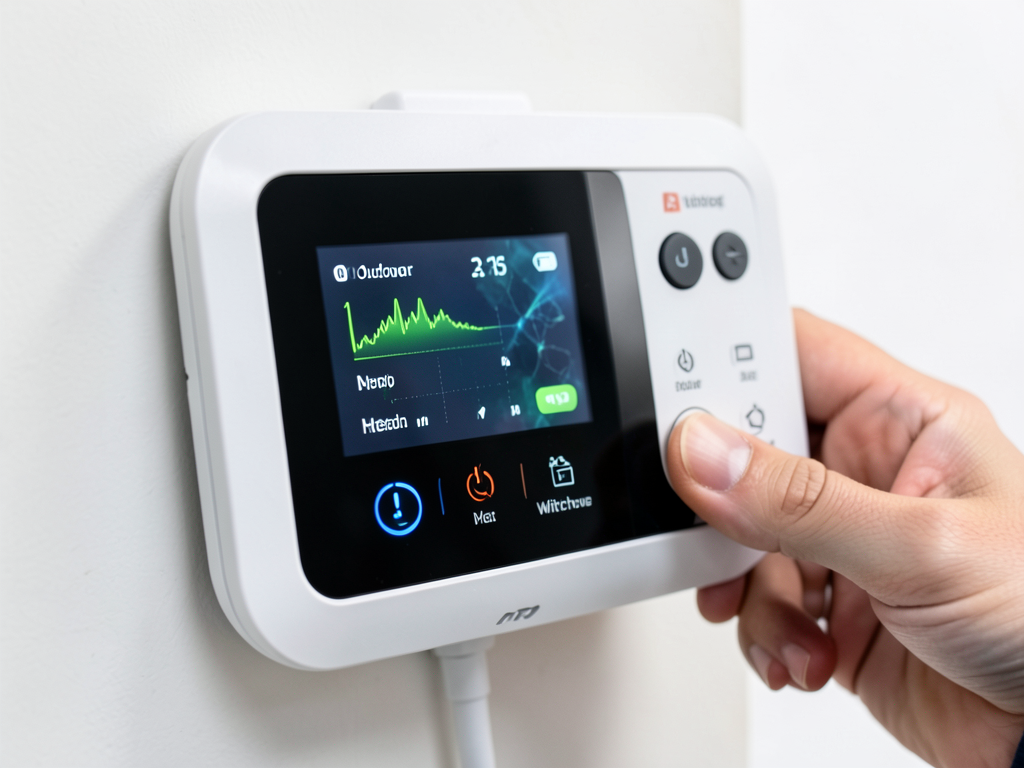
This automatic switching happens through a control panel that monitors both outdoor temperature and system efficiency. The heat pump uses electricity to move heat from outside air into your home, even when it feels cold outside. Modern cold-climate heat pumps can extract usable heat from air as cold as -15°F, though efficiency drops significantly below freezing. Winterizing Your HVAC System.
The beauty of this system lies in its ability to use the most cost-effective and energy-efficient method for any given temperature. During Gibsonia’s shoulder seasons in fall and spring, the heat pump operates at peak efficiency. When winter’s worst hits, the propane furnace takes over seamlessly without you having to lift a finger. Energy Department heat pump guide.
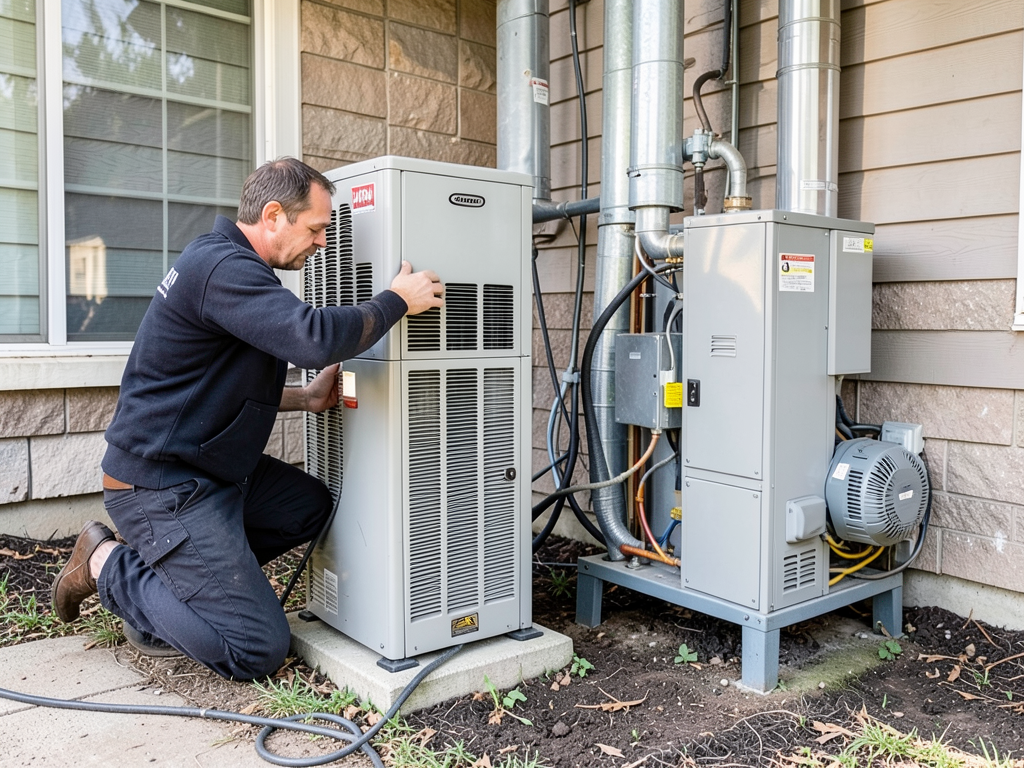
Diagram showing the automatic switching between heat pump and propane furnace based on outdoor temperature
Performance in Cold Weather: The Pittsburgh Stress Test
Western Pennsylvania experiences some of the harshest winter conditions in the country. Gibsonia, located in northern Allegheny County, regularly sees temperatures below 20°F and occasionally drops to single digits or lower. This climate poses a significant challenge for any heating system.
Standard heat pumps struggle when temperatures fall below 25°F because they must work harder to extract heat from increasingly cold air. Their efficiency drops dramatically, and they may not provide enough warmth to keep your home comfortable. This is where the hybrid system shines.
The switchover point typically occurs between 30°F and 35°F, though this can be adjusted based on your utility rates and comfort preferences. At this temperature, the system calculates whether running the heat pump or switching to propane will be more economical and efficient.
Modern hybrid systems use inverter technology that allows the heat pump to modulate its output rather than simply turning on and off. This means more consistent temperatures and better humidity control throughout the heating season.
Efficiency Ratings Explained
Understanding efficiency ratings helps you compare systems accurately. Heat pumps use two main metrics: SEER2 for cooling efficiency and HSPF2 for heating efficiency. Propane furnaces use AFUE (Annual Fuel Utilization Efficiency). Understanding Ductless Systems.
For Gibsonia’s climate, look for heat pumps with HSPF2 ratings above 9.0 and SEER2 ratings above 16.0. These high-efficiency units cost more upfront but deliver significant savings over time, especially when paired with a propane furnace that has 90% or higher AFUE.
The coefficient of performance (COP) tells you how much heat you get for each unit of electricity used. Modern cold-climate heat pumps achieve COPs between 2.0 and 3.0 even at 20°F, meaning they produce 2 to 3 times more heat energy than the electricity they consume.
Cost Analysis: Upfront Investment vs. Long-Term Savings
Installing a hybrid heat pump system requires a larger initial investment than replacing just a propane furnace. However, the long-term savings often justify the higher upfront cost within 5 to 7 years.
Average installation costs in the Gibsonia area range from $8,500 to $14,000 for a complete hybrid system, depending on your home’s size and existing ductwork. This compares to $4,500 to $7,500 for a standard propane furnace replacement.
Monthly operational costs vary significantly based on energy prices. In 2026, electricity in Western Pennsylvania averages $0.16 per kilowatt-hour, while propane costs approximately $2.80 per gallon. A hybrid system typically reduces annual heating costs by 30% to 40% compared to propane-only systems.
The exact savings depend on your home’s insulation, local weather patterns, and how you set your thermostat. Homes with good insulation and proper air sealing see the greatest benefits from hybrid systems.
Financial Incentives Available in 2026
Several programs make hybrid heat pumps more affordable for Gibsonia homeowners. The federal Inflation Reduction Act offers tax credits up to $2,000 for qualifying high-efficiency heat pump installations. Pennsylvania’s Whole-Home Energy Efficiency Program provides rebates for comprehensive energy upgrades.
Duquesne Light and West Penn Power offer additional rebates for heat pump installations that meet specific efficiency criteria. These utility rebates can range from $300 to $1,000 depending on the system’s performance ratings.
Local HVAC contractors often provide special financing options for energy-efficient upgrades. Some programs offer 0% interest loans for up to 60 months on qualifying installations.
Pros and Cons Comparison
| Feature | Hybrid Heat Pump | Propane Only |
|---|---|---|
| Initial Cost | $8,500 – $14,000 | $4,500 – $7,500 |
| Annual Operating Cost | 30-40% lower | Higher |
| Lifespan | 15-20 years | 15-20 years |
| Carbon Footprint | 40-50% lower | Higher |
| Comfort Level | Consistent, even heating | Can have temperature swings |
| Maintenance | Annual professional service | Annual professional service |
Is a Hybrid System Right for You?
Hybrid heat pumps work best for specific situations. Consider these scenarios to determine if this system fits your needs.
Scenario A: High Propane Bills
If your propane costs have been climbing year after year, a hybrid system can provide immediate relief. The heat pump handles most of your heating load during moderate temperatures, dramatically reducing your propane consumption. Many Gibsonia homeowners report 60% reductions in propane usage after installing hybrid systems.
Scenario B: Environmental Concerns
Homeowners looking to reduce their carbon footprint find hybrid systems appealing. By using electricity for most heating needs and only relying on propane during extreme cold, you can cut your heating-related emissions by half or more. This matters especially if your electricity comes from renewable sources.
Scenario C: Home Age and Ductwork
Older homes in Gibsonia often have ductwork issues that reduce heating efficiency. Hybrid systems work well with existing ductwork, and the heat pump’s variable-speed operation can compensate for minor duct problems. However, severely compromised ducts may need repair before installation. EPA refrigerant certification requirements.
New construction or major renovations provide perfect opportunities to install hybrid systems from the start. You can design the ductwork and system sizing specifically for optimal hybrid performance.
Installation Considerations for Rural Gibsonia Homes
Installing a hybrid system in rural areas presents unique challenges. Gibsonia’s hilly terrain and older housing stock require careful planning for both equipment placement and system design.
The outdoor heat pump unit needs adequate clearance for airflow and service access. In Gibsonia’s wooded areas, you may need to clear vegetation or consider a pad-mounted unit to prevent snow buildup. The unit should sit at least 12 inches above grade to avoid water damage during spring thaws.
Propane tank placement must comply with Pennsylvania fire codes. Tanks typically need to be at least 10 feet from any building opening and 5 feet from any ignition source. Underground tanks are popular in rural areas for aesthetic reasons but cost more to install.
Electrical service upgrades may be necessary. Heat pumps require dedicated circuits, and older homes might need panel upgrades to handle the additional load. A typical heat pump installation adds 30 to 50 amps to your electrical service.
Permitting in Allegheny County requires compliance with the Pennsylvania Uniform Construction Code. Your HVAC contractor should handle all necessary permits and inspections to ensure your system meets local requirements.
Technician performing a Manual J load calculation to properly size a hybrid system for a Gibsonia home
Maintenance Requirements and Best Practices
Hybrid systems require regular maintenance to operate efficiently. The heat pump needs annual service including coil cleaning, refrigerant level checks, and electrical connection inspections. The propane furnace requires similar annual maintenance including burner cleaning and safety system testing.
Homeowners can perform simple maintenance tasks like changing air filters every 1-3 months and keeping the outdoor unit clear of debris. However, professional service is essential for system longevity and efficiency. Keeping Your Moon Township Commercial Property Comfortable Year Round.
During extreme weather events common in Western Pennsylvania, check that snow and ice don’t block the outdoor unit’s airflow. Some homeowners install covers or shelters, but these must allow proper ventilation.
Smart thermostats optimize hybrid system performance by learning your schedule and adjusting switchover points based on energy prices and weather forecasts. These devices can increase efficiency by 10-15% compared to standard thermostats.
Local Climate Data and System Sizing
Gibsonia experiences a humid continental climate with significant temperature swings. Average January lows hover around 20°F, but record lows have reached -20°F. The area receives approximately 40 inches of snow annually, affecting both system performance and installation requirements.
Proper system sizing requires a Manual J load calculation that accounts for your home’s specific characteristics. Factors include square footage, insulation levels, window types, and local climate data. Oversized systems cycle too frequently, reducing efficiency and comfort.
For most Gibsonia homes, a 3-ton heat pump paired with a 75,000 BTU propane furnace provides adequate heating capacity. However, homes with poor insulation or large glass areas may need larger systems.
The Pennsylvania Department of Environmental Protection recommends specific efficiency standards for HVAC equipment based on climate zone. Gibsonia falls in Zone 5, requiring minimum HSPF2 ratings of 8.2 for heat pumps.
Environmental Impact and Energy Independence
Hybrid systems significantly reduce dependence on fossil fuels. By using electricity for most heating needs, you decrease propane consumption by 60-80% annually. This reduction in fossil fuel use lowers your carbon footprint while providing the security of propane backup during extreme cold.
Many Gibsonia homeowners pair hybrid systems with solar panels to further increase energy independence. The combination of solar generation and heat pump efficiency can eliminate most heating costs while providing cooling in summer.
The electrical grid in Western Pennsylvania continues to add renewable energy sources. As the grid becomes cleaner, the environmental benefits of electric heating increase over time, unlike propane which maintains a constant carbon footprint.
Energy independence also means protection from propane price volatility. While electricity rates are more stable than propane prices, having both options provides flexibility to choose the most economical fuel source at any given time.
Frequently Asked Questions
How long does a hybrid heat pump system last?
With proper maintenance, heat pumps typically last 15-20 years, while propane furnaces can last 20-25 years. The system’s longevity depends on usage patterns and maintenance quality.
Can I install a hybrid system myself?
No. Hybrid systems require professional installation due to electrical connections, refrigerant handling, and proper system integration. Improper installation can void warranties and create safety hazards.
What happens during a power outage?
Both the heat pump and propane furnace require electricity to operate. During outages, you’ll need a generator or alternative heating source. Some homeowners install transfer switches to run critical systems on backup power.
Are hybrid systems noisy?
Modern heat pumps operate at 50-70 decibels, similar to a refrigerator. The propane furnace is typically quieter since it only runs during extreme cold. Proper installation minimizes noise transmission to living spaces.
Do hybrid systems work with smart home technology?
Yes. Most modern hybrid systems integrate with popular smart home platforms. Smart thermostats can optimize performance by adjusting switchover points based on energy prices and weather forecasts.
Making Your Decision
Choosing between a hybrid heat pump and traditional propane heating comes down to your priorities. If you value energy efficiency, environmental responsibility, and long-term cost savings, a hybrid system offers compelling advantages for Gibsonia’s climate.
The initial investment pays off through lower monthly bills, increased home comfort, and reduced environmental impact. With available rebates and tax credits, the financial case becomes even stronger in 2026.
Consider your home’s specific characteristics, your budget, and your long-term plans. A professional HVAC contractor can perform a detailed analysis to show exactly how much you could save with a hybrid system.
Ready to explore whether a hybrid heat pump is right for your Gibsonia home? Call (412) 387-0477 today to schedule a free consultation and learn about current incentives that could save you thousands on installation.
Before and after installation comparison showing improved efficiency and comfort with a hybrid system
Don’t wait until your propane bills skyrocket again. Take control of your home’s comfort and energy costs with a hybrid heat pump system designed specifically for Western Pennsylvania’s challenging climate. Call (412) 387-0477 now to speak with our experienced technicians about your options.
{
“@context”: “https://schema.org”,
“@type”: “BlogPosting”,
“headline”: “Why a Hybrid Heat Pump is the Best Alternative to Propane for Rural Gibsonia Homes”,
“description”: “Discover why hybrid heat pump systems outperform propane in Gibsonia’s cold climate. Learn about efficiency, costs, and local incentives for rural homeowners.”,
“wordCount”: 2167,
“datePublished”: “2026-05-07T10:14:00.000Z”,
“dateModified”: “2026-05-07T10:14:00.000Z”,
“inLanguage”: “en-US”,
“mainEntityOfPage”: {
“@type”: “WebPage”,
“@id”: “https://apexhvacpittsburgh.com”
},
“publisher”: {
“@type”: “LocalBusiness”,
“name”: “Apex HVAC Pittsburgh”,
“url”: “https://apexhvacpittsburgh.com”
},
“author”: {
“@type”: “Organization”,
“name”: “Apex HVAC Pittsburgh”,
“url”: “https://apexhvacpittsburgh.com”
},
“image”: {
“@type”: “ImageObject”,
“url”: “https://apexhvacpittsburgh.com/wp-content/uploads/2026/03/why-a-hybrid-heat-pump-is-the-best-alternative-to-1.png”
}
}
{
“@context”: “https://schema.org”,
“@type”: “HVACBusiness”,
“name”: “Apex HVAC Pittsburgh”,
“url”: “https://apexhvacpittsburgh.com”,
“address”: {
“@type”: “PostalAddress”,
“addressLocality”: “Pittsburgh”
},
“areaServed”: {
“@type”: “City”,
“name”: “Pittsburgh”
}
}
{
“@context”: “https://schema.org”,
“@type”: “FAQPage”,
“mainEntity”: [
{
“@type”: “Question”,
“name”: “Is a Hybrid System Right for You?”,
“acceptedAnswer”: {
“@type”: “Answer”,
“text”: “Hybrid heat pumps work best for specific situations. Consider these scenarios to determine if this system fits your needs.”
}
},
{
“@type”: “Question”,
“name”: “How long does a hybrid heat pump system last?”,
“acceptedAnswer”: {
“@type”: “Answer”,
“text”: “With proper maintenance, heat pumps typically last 15-20 years, while propane furnaces can last 20-25 years. The system’s longevity depends on usage patterns and maintenance quality.”
}
},
{
“@type”: “Question”,
“name”: “Can I install a hybrid system myself?”,
“acceptedAnswer”: {
“@type”: “Answer”,
“text”: “No. Hybrid systems require professional installation due to electrical connections, refrigerant handling, and proper system integration. Improper installation can void warranties and create safety hazards.”
}
},
{
“@type”: “Question”,
“name”: “What happens during a power outage?”,
“acceptedAnswer”: {
“@type”: “Answer”,
“text”: “Both the heat pump and propane furnace require electricity to operate. During outages, you’ll need a generator or alternative heating source. Some homeowners install transfer switches to run critical systems on backup power.”
}
},
{
“@type”: “Question”,
“name”: “Are hybrid systems noisy?”,
“acceptedAnswer”: {
“@type”: “Answer”,
“text”: “Modern heat pumps operate at 50-70 decibels, similar to a refrigerator. The propane furnace is typically quieter since it only runs during extreme cold. Proper installation minimizes noise transmission to living spaces.”
}
},
{
“@type”: “Question”,
“name”: “Do hybrid systems work with smart home technology?”,
“acceptedAnswer”: {
“@type”: “Answer”,
“text”: “Yes. Most modern hybrid systems integrate with popular smart home platforms. Smart thermostats can optimize performance by adjusting switchover points based on energy prices and weather forecasts.”
}
}
]
}
{
“@context”: “https://schema.org”,
“@type”: “BreadcrumbList”,
“itemListElement”: [
{
“@type”: “ListItem”,
“position”: 1,
“name”: “Home”,
“item”: “https://apexhvacpittsburgh.com”
},
{
“@type”: “ListItem”,
“position”: 2,
“name”: “Blog”,
“item”: “https://apexhvacpittsburgh.com/blog”
},
{
“@type”: “ListItem”,
“position”: 3,
“name”: “Why a Hybrid Heat Pump is the Best Alternative to Propane for Rural Gibsonia Homes”
}
]
}
{
“@context”: “https://schema.org”,
“@type”: “Service”,
“serviceType”: “HVAC”,
“provider”: {
“@type”: “LocalBusiness”,
“name”: “Apex HVAC Pittsburgh”,
“url”: “https://apexhvacpittsburgh.com”
},
“areaServed”: {
“@type”: “City”,
“name”: “Pittsburgh”
},
“description”: “Discover why hybrid heat pump systems outperform propane in Gibsonia’s cold climate. Learn about efficiency, costs, and local incentives for rural homeowners.”
}