
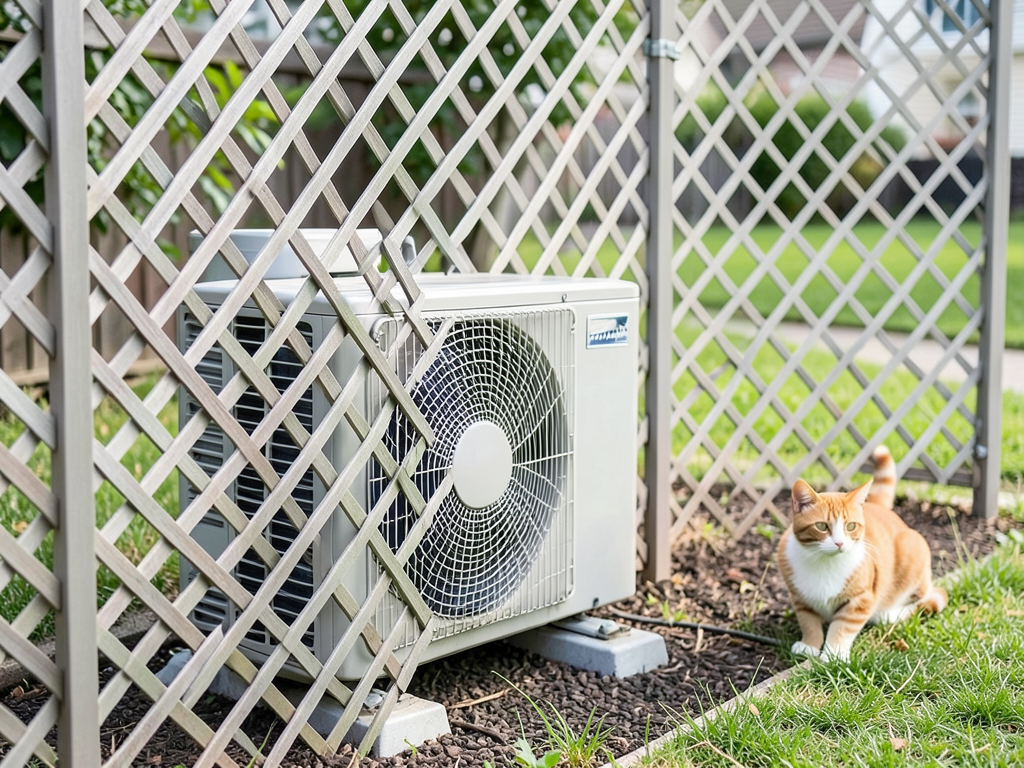
How to Keep Your Dog or Cat Safe Around the Outdoor AC Unit in Your North Huntington Yard
Your outdoor AC unit keeps your North Huntington home cool during Pennsylvania’s humid summers but it can pose hidden dangers to your pets. Dogs can damage the aluminum fins with their urine causing thousands in repairs while cats may climb on dangerous electrical components. The good news is that with a few simple precautions you can create a safe yard where both your pets and your HVAC system can coexist. EPA Section 608 guidelines.
North Huntington’s combination of older suburban homes and active pets means many homeowners face this challenge. The area’s clay soil and mature landscaping create unique yard layouts that require thoughtful planning to protect both your animals and your cooling system investment. The Homeowners Guide to Replacing an Aging Boiler in Bloomfield.
The Hidden Dangers: Pets vs. HVAC Systems
Dog urine contains urea which is highly corrosive to aluminum condenser coils. A single dog marking the same spot repeatedly can eat through the protective coating in just a few weeks leading to refrigerant leaks and system failure. The average coil replacement costs between $1,200 and $2,500 in the Pittsburgh area. Winterizing Your HVAC System.
Cats are naturally curious and may be attracted to the warm humming sound of your AC unit. They risk electrical shock from exposed wiring or injury from the fan blades. Small dogs might try to squeeze through gaps in the unit’s housing and get their paws caught in moving parts.
Pet hair and dander can clog the condenser coils reducing efficiency by up to 30 percent. This forces your system to work harder increasing energy bills and shortening equipment life. The EPA recommends cleaning coils annually but pet owners in North Huntington may need to do this twice a year.
Top 5 Solutions for a Pet-Safe Outdoor Unit
Creating a safe barrier between your pets and your AC unit requires balancing protection with proper airflow. The International Mechanical Code requires at least 36 inches of clearance around all sides of the outdoor unit for adequate ventilation. International Mechanical Code.
Strategic Fencing Options
A decorative fence can keep pets away while maintaining the required airflow. Lattice panels work well because they allow air movement while blocking direct access. The fence should be at least 42 inches tall to prevent most dogs from jumping over it.
Pressure-treated lumber resists moisture and lasts longer in North Huntington’s freeze-thaw cycles. Cedar offers natural pest resistance but costs more. Chain-link with privacy slats provides durability but may not match your home’s aesthetic.
Elevated Platforms
Mounting your AC unit on a raised platform can discourage pets from approaching. The platform should be at least 18 inches high and have a non-slip surface. This also helps with drainage in North Huntington’s clay soil which tends to hold water.
Non-Toxic Deterrents
Commercial pet deterrent sprays use scents that animals find unpleasant but are safe for your system. Citrus-based sprays work well because most dogs and cats dislike the smell. You can make your own using water and lemon or orange essential oils.
Protective Screens
Hail guards and protective screens add an extra layer of defense against pet damage. These mesh covers attach directly to the unit and prevent animals from getting too close while still allowing proper airflow. They cost between $50 and $150 depending on your unit size.
Designated Pet Zones
Creating an appealing area away from your AC unit can redirect your pets’ attention. A small dog run with toys and fresh water gives them a positive space to occupy. Place this area on the opposite side of your yard from the HVAC equipment.
Pittsburgh-Specific Maintenance for Pet Owners
North Huntington’s humid continental climate means your AC works hard from May through September. Pet owners should schedule professional coil cleaning in early May and again in late August to prevent hair and fur buildup from reducing efficiency.
The area’s high clay content in soil can lead to poor drainage around your unit. Standing water combined with pet activity creates mud that gets tracked onto coils. Installing gravel or pavers around the base helps with both drainage and keeping pets away. Keeping Your Moon Township Commercial Property Comfortable Year Round.
Pollen counts in Pittsburgh peak in May and June which coincides with heavy pet shedding seasons. This double challenge means more frequent filter changes. Consider upgrading to a HEPA filter which captures 99.97 percent of particles including pet dander.
Winter brings different challenges. Snow and ice can create barriers that trap pet waste near your unit. When the snow melts in spring this waste can splash onto coils causing corrosion. Regular yard cleanup throughout winter prevents this problem.
What to Do if Your Dog Has Already Damaged Your Unit
Look for these signs of coil corrosion: white chalky deposits on aluminum fins, refrigerant leaks indicated by oily spots, or reduced cooling capacity. If your system runs constantly but your home feels warmer than usual corrosion may be the culprit.
A professional HVAC technician can perform a coil inspection using ultraviolet dye that shows even small leaks. This diagnostic test costs around $150 but can prevent more expensive repairs later. The technician will check for electrical damage too since pets sometimes chew on wires.
Cleaning corroded coils might restore some function but severely damaged coils usually need replacement. A NATE-certified technician follows EPA Section 608 guidelines for handling refrigerants during repairs. This certification ensures your system is serviced safely and legally. NATE-certified technicians.
Consider upgrading to a unit with a protective coating designed for harsh environments. These coatings resist chemical corrosion from pet urine and last 3-5 years longer than standard coils. The upfront cost is higher but saves money over time.
Creating Your Pet-Safe HVAC Plan
Start by measuring your current clearance around the outdoor unit. Use a tape measure to check all four sides and the top. If any measurement is less than 36 inches you need to adjust your landscaping or fencing.
Document your pet’s behavior patterns. Do they frequent the area around the AC unit? What times of day are they most active there? This information helps you choose the most effective deterrent strategy.
Consider your home’s architecture. North Huntington has many mid-century and colonial style homes where the AC unit sits in a prominent yard location. Your solution should protect your pets while maintaining your home’s curb appeal.
Schedule a professional inspection before summer begins. A technician can identify existing damage and recommend specific solutions for your situation. They can also check that your system meets current code requirements for clearance and safety.
Frequently Asked Questions
Can I use chicken wire to protect my AC unit from pets?
Chicken wire can work as a temporary solution but it may not provide adequate protection long-term. Pets can push through or chew on the wire and it doesn’t allow for proper airflow. A more permanent solution like lattice fencing or a commercial pet barrier is better.
How much does professional pet damage repair cost in North Huntington?
Repair costs vary based on damage extent. Minor cleaning and coil treatment runs $200-$400 while coil replacement costs $1,200-$2,500. Electrical repairs for chewed wires range from $150-$500. Most North Huntington HVAC companies offer free estimates for pet damage assessment.
Will a motion-activated sprinkler system keep pets away from my AC unit?
Motion-activated sprinklers can be effective but they have limitations. They work best for dogs who dislike getting wet but may not deter determined pets. They also require a water source and regular maintenance. Some pets become accustomed to them over time reducing effectiveness.
How often should I clean around my outdoor AC unit if I have pets?
Pet owners should check the area weekly during cooling season. Remove any pet waste immediately, clear away accumulated hair or fur, and ensure the 36-inch clearance is maintained. Professional cleaning should occur at least twice yearly but you may need quarterly service if you have multiple pets.
Are there AC units designed specifically for homes with pets?
Some manufacturers offer units with enhanced corrosion protection and pet-resistant features. These often include coated coils, reinforced housing, and elevated designs. While more expensive upfront they can save money on repairs and last longer in pet-friendly households.
Protecting Your Investment and Your Pets
Your outdoor AC unit represents a significant investment in your home’s comfort. With proper precautions you can prevent costly pet damage while keeping your animals safe. The key is creating physical barriers that work with your yard’s layout and your pets’ behavior patterns.
North Huntington’s specific climate and soil conditions create unique challenges for pet owners. The area’s humidity means your system works harder which makes efficiency losses from pet hair even more costly. Taking action now prevents emergency repairs during the hottest days of summer. Emergency Furnace Services for Families Living in Baldwin and Whitehall.
Remember that your pets don’t understand the dangers. What looks like a cozy warm spot to a cat could be deadly. What seems like a natural marking spot to a dog could destroy your cooling system. Your job is to create a safe environment for everyone.
Don’t wait for damage to occur. A small investment in preventive measures today can save you thousands in repairs tomorrow. Your pets will be safer and your AC system will thank you with years of reliable service.
Call (412) 387-0477 today to schedule your pet-safe HVAC inspection. Our NATE-certified technicians understand North Huntington’s unique challenges and can recommend specific solutions for your home. Don’t let pet damage leave you sweating this summer.
Pick up the phone and call (412) 387-0477 before the next heat wave hits. We’ll help you create a yard where both your pets and your cooling system can thrive safely.
{
“@context”: “https://schema.org”,
“@type”: “BlogPosting”,
“headline”: “How to Keep Your Dog or Cat Safe Around the Outdoor AC Unit in Your North Huntington Yard”,
“description”: “Protect your pets and AC unit in North Huntington with expert tips on fencing, deterrents, and maintenance. Call (412) 387-0477 for a pet-safe inspection.”,
“wordCount”: 1637,
“datePublished”: “2026-05-19T10:56:00.000Z”,
“dateModified”: “2026-05-19T10:56:00.000Z”,
“inLanguage”: “en-US”,
“mainEntityOfPage”: {
“@type”: “WebPage”,
“@id”: “https://apexhvacpittsburgh.com”
},
“publisher”: {
“@type”: “LocalBusiness”,
“name”: “Apex HVAC Pittsburgh”,
“url”: “https://apexhvacpittsburgh.com”
},
“author”: {
“@type”: “Organization”,
“name”: “Apex HVAC Pittsburgh”,
“url”: “https://apexhvacpittsburgh.com”
},
“image”: {
“@type”: “ImageObject”,
“url”: “https://apexhvacpittsburgh.com/wp-content/uploads/2026/03/how-to-keep-your-dog-or-cat-safe-around-the-outdoo-1.png”
}
}
{
“@context”: “https://schema.org”,
“@type”: “HVACBusiness”,
“name”: “Apex HVAC Pittsburgh”,
“url”: “https://apexhvacpittsburgh.com”,
“address”: {
“@type”: “PostalAddress”,
“addressLocality”: “Pittsburgh”
},
“areaServed”: {
“@type”: “City”,
“name”: “Pittsburgh”
}
}
{
“@context”: “https://schema.org”,
“@type”: “FAQPage”,
“mainEntity”: [
{
“@type”: “Question”,
“name”: “Can I use chicken wire to protect my AC unit from pets?”,
“acceptedAnswer”: {
“@type”: “Answer”,
“text”: “Chicken wire can work as a temporary solution but it may not provide adequate protection long-term. Pets can push through or chew on the wire and it doesn’t allow for proper airflow. A more permanent solution like lattice fencing or a commercial pet barrier is better.”
}
},
{
“@type”: “Question”,
“name”: “How much does professional pet damage repair cost in North Huntington?”,
“acceptedAnswer”: {
“@type”: “Answer”,
“text”: “Repair costs vary based on damage extent. Minor cleaning and coil treatment runs $200-$400 while coil replacement costs $1,200-$2,500. Electrical repairs for chewed wires range from $150-$500. Most North Huntington HVAC companies offer free estimates for pet damage assessment.”
}
},
{
“@type”: “Question”,
“name”: “Will a motion-activated sprinkler system keep pets away from my AC unit?”,
“acceptedAnswer”: {
“@type”: “Answer”,
“text”: “Motion-activated sprinklers can be effective but they have limitations. They work best for dogs who dislike getting wet but may not deter determined pets. They also require a water source and regular maintenance. Some pets become accustomed to them over time reducing effectiveness.”
}
},
{
“@type”: “Question”,
“name”: “How often should I clean around my outdoor AC unit if I have pets?”,
“acceptedAnswer”: {
“@type”: “Answer”,
“text”: “Pet owners should check the area weekly during cooling season. Remove any pet waste immediately, clear away accumulated hair or fur, and ensure the 36-inch clearance is maintained. Professional cleaning should occur at least twice yearly but you may need quarterly service if you have multiple pets.”
}
},
{
“@type”: “Question”,
“name”: “Are there AC units designed specifically for homes with pets?”,
“acceptedAnswer”: {
“@type”: “Answer”,
“text”: “Some manufacturers offer units with enhanced corrosion protection and pet-resistant features. These often include coated coils, reinforced housing, and elevated designs. While more expensive upfront they can save money on repairs and last longer in pet-friendly households.”
}
}
]
}
{
“@context”: “https://schema.org”,
“@type”: “BreadcrumbList”,
“itemListElement”: [
{
“@type”: “ListItem”,
“position”: 1,
“name”: “Home”,
“item”: “https://apexhvacpittsburgh.com”
},
{
“@type”: “ListItem”,
“position”: 2,
“name”: “Blog”,
“item”: “https://apexhvacpittsburgh.com/blog”
},
{
“@type”: “ListItem”,
“position”: 3,
“name”: “How to Keep Your Dog or Cat Safe Around the Outdoor AC Unit in Your North Huntington Yard”
}
]
}
{
“@context”: “https://schema.org”,
“@type”: “Service”,
“serviceType”: “HVAC”,
“provider”: {
“@type”: “LocalBusiness”,
“name”: “Apex HVAC Pittsburgh”,
“url”: “https://apexhvacpittsburgh.com”
},
“areaServed”: {
“@type”: “City”,
“name”: “Pittsburgh”
},
“description”: “Protect your pets and AC unit in North Huntington with expert tips on fencing, deterrents, and maintenance. Call (412) 387-0477 for a pet-safe inspection.”
}