
Does Your HVAC System Actually Help with Radon Mitigation in Marshall Township
Your HVAC system is designed to heat and cool your home not to remove radon gas. In fact certain HVAC configurations can actually increase radon levels by creating negative pressure that pulls soil gases into your living space. Marshall Township sits in Allegheny County’s highest radon potential zone where the average indoor level is 7.8 pCi/L well above the EPA action level of 4.0 pCi/L. EPA Radon Information.
Radon enters through foundation cracks and gaps where your home creates a slight vacuum effect. Standard heating and cooling systems exchange indoor and outdoor air but they do not specifically target soil gas entry. Understanding this interaction helps you make informed decisions about both HVAC maintenance and radon testing in your Marshall Township home. Why Your Robinson Township AC Unit is Making Noise and How to Fix It.
How HVAC Systems Create Pressure Differentials That Affect Radon
Most homeowners assume their furnace or air conditioner filters out radon. This is a dangerous misconception. HVAC systems move air through ductwork but they do not create the pressure needed to reverse radon’s natural flow from soil to home. Emergency Furnace Services for Families Living in Baldwin and Whitehall.
When your furnace runs it pulls air from your home through return ducts creating negative pressure. In older Marshall Township homes with unsealed foundations this pressure differential can actually draw more radon from the surrounding soil. The effect becomes more pronounced during cold winter months when heating systems run continuously. Keeping Your Moon Township Commercial Property Comfortable Year Round.
Air sealing and proper ventilation become critical in radon-prone areas. A tightly sealed home with inadequate fresh air intake creates the perfect conditions for radon accumulation regardless of your HVAC system’s age or efficiency rating. Winterizing Your HVAC System.
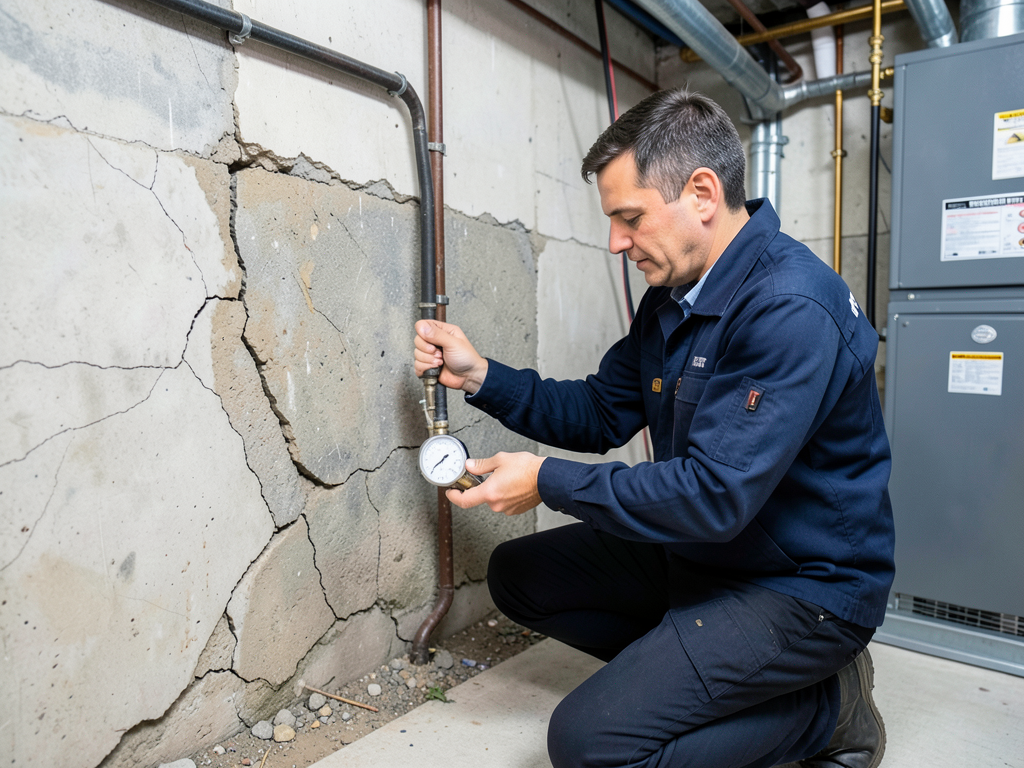
Diagram showing pressure differentials in a basement with and without HVAC operation. Illustrates how negative pressure pulls radon from soil.
Negative Pressure: Why Your Furnace Might Be Pulling Radon from the Soil
Negative pressure occurs when your HVAC system removes more air than it supplies. This creates a slight vacuum effect that can draw radon through foundation cracks gaps around pipes and other entry points. Marshall Township’s clay-rich soil combined with older home construction makes this a common issue.
The stack effect compounds this problem. Warm air rises through your home creating an upward flow that pulls replacement air from lower levels. In basements this means drawing air from the soil which often contains radon. During winter months when heating systems run constantly this effect intensifies.
Testing for pressure differentials requires a simple manometer test. A technician measures pressure between your basement and the outdoors. Readings showing negative pressure indicate your HVAC system may be contributing to radon entry. This diagnostic step is essential before any mitigation work begins.. Read more about Passing Your HVAC Inspection Before Selling Your Home in Churchill.
HVAC Solutions for Radon Reduction
Certain HVAC modifications can help reduce radon levels when combined with proper mitigation systems. Energy Recovery Ventilators (ERVs) and Heat Recovery Ventilators (HRVs) introduce fresh air while maintaining energy efficiency. These systems create slight positive pressure that can counteract the stack effect.
Fresh air intake systems connected to your furnace provide another solution. By introducing outdoor air directly into the return duct you reduce negative pressure. However this approach requires careful humidity control in Pennsylvania’s humid continental climate where summer moisture levels can cause condensation issues. Pennsylvania Radon Certification.
Sub-slab depressurization remains the most effective radon reduction method. This system uses a vent pipe and fan to draw radon from beneath your foundation before it enters your home. When properly installed it works independently of your HVAC system creating a fail-safe solution regardless of heating or cooling operation.
Why Pittsburgh Homes Are Particularly Vulnerable to Radon Seepage
Allegheny County sits in EPA Radon Zone 1 the highest potential category. Marshall Township’s location in this zone means nearly 40% of homes test above the EPA action level. The region’s geology plays a major role. Shale and limestone bedrock formations create pathways for radon to migrate from deeper soil layers.
Older home construction in Marshall Township presents additional challenges. Many homes built before 1980 have foundation cracks unsealed utility penetrations and inadequate vapor barriers. These openings provide direct pathways for radon entry. The area’s freeze-thaw cycles also cause foundation materials to expand and contract creating new entry points over time.
Pennsylvania’s building codes now require radon-resistant construction in new homes. However most Marshall Township homes predate these requirements. Understanding your home’s specific vulnerabilities requires professional assessment of both construction methods and local soil conditions.
Testing vs. Mitigation: When to Call an HVAC Professional
Radon testing should be your first step not your last. Short-term tests provide quick results but long-term testing over 90 days gives a more accurate picture of year-round exposure. Marshall Township homeowners should test during both heating and cooling seasons since radon levels fluctuate with HVAC operation. The Homeowners Guide to Replacing an Aging Boiler in Bloomfield.
Your HVAC professional can perform diagnostic tests to identify pressure issues that may be contributing to radon entry. These tests measure air exchange rates inspect ductwork for leaks and evaluate your system’s impact on indoor air pressure. This information helps determine whether HVAC modifications alone can address your radon concerns.
Professional radon mitigation requires certification through the Pennsylvania Department of Environmental Protection. These specialists install sub-slab depressurization systems that reduce radon levels by up to 99%. Your HVAC contractor should work alongside radon professionals to ensure both systems operate efficiently without interference.
EPA Standards and Pennsylvania Regulations for Radon Safety
The EPA established the 4.0 pCi/L action level for indoor radon based on cost-effective risk reduction. However the World Health Organization recommends 2.7 pCi/L as a safer target. Pennsylvania follows EPA guidelines but many environmental health experts advocate for lower thresholds especially in high-risk zones like Marshall Township.
Pennsylvania’s Radon Certification Act requires all radon testers and mitigators to obtain state certification. This ensures professionals understand local geology building codes and proper installation techniques. The Pennsylvania Department of Environmental Protection maintains a database of certified professionals for homeowner reference.
Building codes in Pennsylvania now require radon-resistant construction features in new homes. These include gravel layers under slabs vapor barriers and passive vent pipes. However retrofitting existing homes requires active systems like sub-slab depressurization which must be installed by certified professionals.
Comparing HVAC Modifications vs. Dedicated Radon Mitigation
| System Type | Initial Cost | Effectiveness | Maintenance | Best For |
|---|---|---|---|---|
| ERV/HRV Installation | $1,500 – $3,500 | 20-40% reduction | Annual filter replacement | Existing HVAC upgrade |
| Fresh Air Intake | $500 – $1,200 | 15-30% reduction | Seasonal inspection | Minor pressure issues |
| Sub-Slab Depressurization | 90-99% reduction | Fan replacement every 5-10 years | Confirmed high radon levels |
Five Steps to Assess Your Home’s Radon Risk
- Purchase Test Kit
Buy an EPA-approved radon test kit from a hardware store or certified professional. Follow all instructions carefully for accurate results.
- Conduct Initial Test
Place the test kit in the lowest livable level of your home. Keep windows closed and follow placement guidelines for best accuracy.
- Analyze Results
Compare your results to EPA action levels. Results above 4.0 pCi/L require mitigation. Consider retesting if levels are borderline.
- Evaluate HVAC Impact
Have an HVAC professional assess your system’s pressure effects. Identify whether modifications could help reduce radon entry.
- Consult Mitigation Expert
If levels remain high after HVAC adjustments contact a certified radon mitigation specialist for system installation.
Frequently Asked Questions
Can my HVAC system completely eliminate radon?
No HVAC system can completely eliminate radon. Only dedicated mitigation systems like sub-slab depressurization can reduce levels by 90% or more. HVAC modifications may help but they work best as part of a comprehensive approach.
How often should I test for radon in Marshall Township?
Test every two years minimum. Test more frequently if you’ve made major home modifications installed new HVAC equipment or if previous tests showed elevated levels. Seasonal variations mean testing during both heating and cooling seasons provides the most accurate picture.
Will sealing foundation cracks reduce radon levels?
Sealing major cracks can help but it rarely solves the problem alone. Radon can enter through countless small openings. Professional mitigation systems create pressure differentials that prevent radon entry regardless of foundation condition.
Does radon affect air conditioning systems differently than heating?
Yes. Air conditioning typically creates less negative pressure than heating systems. However central AC units still pull air through return ducts which can create pressure differentials. The effect is usually less pronounced than with furnaces but still worth evaluating.
What’s the cost difference between HVAC modifications and radon mitigation?
HVAC modifications typically cost $500-$3,500 while professional radon mitigation systems run $800-$2,500. However HVAC changes alone rarely achieve the 90%+ reduction that dedicated mitigation provides. Consider long-term effectiveness not just initial cost.
Call (412) 387-0477 Today to Schedule Your Home Health & Air Quality Audit
Don’t wait for radon test results to come back high. Our Marshall Township HVAC specialists can evaluate your system’s impact on indoor air pressure identify potential radon entry points and recommend solutions that protect your family’s health. We serve all of Allegheny County with same-day service for urgent air quality concerns.
Call (412) 387-0477 now to schedule your comprehensive Home Health & Air Quality Audit. Our certified technicians will test your system’s pressure differentials inspect your ductwork for leaks and provide a written report with specific recommendations for your Marshall Township home.
Your family’s safety is too important to leave to chance. Pick up the phone and call (412) 387-0477 before the next heating season begins. We’ll help you breathe easier knowing your home’s air quality is professionally evaluated and optimized.
You may also find this helpful. Preparing the Nursery in Your Seven Fields Home for Your New Arrival.
{
“@context”: “https://schema.org”,
“@type”: “BlogPosting”,
“headline”: “Does Your HVAC System Actually Help with Radon Mitigation in Marshall Township”,
“description”: “Learn how HVAC systems interact with radon levels in Marshall Township homes. Understand pressure differentials, air exchange, and when to call a professional for testing.”,
“wordCount”: 1605,
“datePublished”: “2026-05-21T06:37:00.000Z”,
“dateModified”: “2026-05-21T06:37:00.000Z”,
“inLanguage”: “en-US”,
“mainEntityOfPage”: {
“@type”: “WebPage”,
“@id”: “https://apexhvacpittsburgh.com”
},
“publisher”: {
“@type”: “LocalBusiness”,
“name”: “Apex HVAC Pittsburgh”,
“url”: “https://apexhvacpittsburgh.com”
},
“author”: {
“@type”: “Organization”,
“name”: “Apex HVAC Pittsburgh”,
“url”: “https://apexhvacpittsburgh.com”
},
“image”: {
“@type”: “ImageObject”,
“url”: “https://apexhvacpittsburgh.com/wp-content/uploads/2026/03/does-your-hvac-system-actually-help-with-radon-mit-1.png”
}
}
{
“@context”: “https://schema.org”,
“@type”: “HVACBusiness”,
“name”: “Apex HVAC Pittsburgh”,
“url”: “https://apexhvacpittsburgh.com”,
“address”: {
“@type”: “PostalAddress”,
“addressLocality”: “Pittsburgh”
},
“areaServed”: {
“@type”: “City”,
“name”: “Pittsburgh”
}
}
{
“@context”: “https://schema.org”,
“@type”: “FAQPage”,
“mainEntity”: [
{
“@type”: “Question”,
“name”: “Can my HVAC system completely eliminate radon?”,
“acceptedAnswer”: {
“@type”: “Answer”,
“text”: “No HVAC system can completely eliminate radon. Only dedicated mitigation systems like sub-slab depressurization can reduce levels by 90% or more. HVAC modifications may help but they work best as part of a comprehensive approach.”
}
},
{
“@type”: “Question”,
“name”: “How often should I test for radon in Marshall Township?”,
“acceptedAnswer”: {
“@type”: “Answer”,
“text”: “Test every two years minimum. Test more frequently if you’ve made major home modifications installed new HVAC equipment or if previous tests showed elevated levels. Seasonal variations mean testing during both heating and cooling seasons provides the most accurate picture.”
}
},
{
“@type”: “Question”,
“name”: “Will sealing foundation cracks reduce radon levels?”,
“acceptedAnswer”: {
“@type”: “Answer”,
“text”: “Sealing major cracks can help but it rarely solves the problem alone. Radon can enter through countless small openings. Professional mitigation systems create pressure differentials that prevent radon entry regardless of foundation condition.”
}
},
{
“@type”: “Question”,
“name”: “Does radon affect air conditioning systems differently than heating?”,
“acceptedAnswer”: {
“@type”: “Answer”,
“text”: “Yes. Air conditioning typically creates less negative pressure than heating systems. However central AC units still pull air through return ducts which can create pressure differentials. The effect is usually less pronounced than with furnaces but still worth evaluating.”
}
},
{
“@type”: “Question”,
“name”: “What’s the cost difference between HVAC modifications and radon mitigation?”,
“acceptedAnswer”: {
“@type”: “Answer”,
“text”: “HVAC modifications typically cost $500-$3,500 while professional radon mitigation systems run $800-$2,500. However HVAC changes alone rarely achieve the 90%+ reduction that dedicated mitigation provides. Consider long-term effectiveness not just initial cost.”
}
}
]
}
{
“@context”: “https://schema.org”,
“@type”: “HowTo”,
“name”: “How to Assess Radon Risk”,
“step”: [
{
“@type”: “HowToStep”,
“position”: 1,
“name”: “Purchase Test Kit”,
“text”: “Buy an EPA-approved radon test kit from a hardware store or certified professional. Follow all instructions carefully for accurate results.”
},
{
“@type”: “HowToStep”,
“position”: 2,
“name”: “Conduct Initial Test”,
“text”: “Place the test kit in the lowest livable level of your home. Keep windows closed and follow placement guidelines for best accuracy.”
},
{
“@type”: “HowToStep”,
“position”: 3,
“name”: “Analyze Results”,
“text”: “Compare your results to EPA action levels. Results above 4.0 pCi/L require mitigation. Consider retesting if levels are borderline.”
},
{
“@type”: “HowToStep”,
“position”: 4,
“name”: “Evaluate HVAC Impact”,
“text”: “Have an HVAC professional assess your system’s pressure effects. Identify whether modifications could help reduce radon entry.”
},
{
“@type”: “HowToStep”,
“position”: 5,
“name”: “Consult Mitigation Expert”,
“text”: “If levels remain high after HVAC adjustments contact a certified radon mitigation specialist for system installation.”
}
],
“image”: “https://apexhvacpittsburgh.com/wp-content/uploads/2026/03/does-your-hvac-system-actually-help-with-radon-mit-1.png”
}
{
“@context”: “https://schema.org”,
“@type”: “BreadcrumbList”,
“itemListElement”: [
{
“@type”: “ListItem”,
“position”: 1,
“name”: “Home”,
“item”: “https://apexhvacpittsburgh.com”
},
{
“@type”: “ListItem”,
“position”: 2,
“name”: “Blog”,
“item”: “https://apexhvacpittsburgh.com/blog”
},
{
“@type”: “ListItem”,
“position”: 3,
“name”: “Does Your HVAC System Actually Help with Radon Mitigation in Marshall Township”
}
]
}
{
“@context”: “https://schema.org”,
“@type”: “Service”,
“serviceType”: “HVAC”,
“provider”: {
“@type”: “LocalBusiness”,
“name”: “Apex HVAC Pittsburgh”,
“url”: “https://apexhvacpittsburgh.com”
},
“areaServed”: {
“@type”: “City”,
“name”: “Pittsburgh”
},
“description”: “Learn how HVAC systems interact with radon levels in Marshall Township homes. Understand pressure differentials, air exchange, and when to call a professional for testing.”
}