
Understanding Your Crafton Heights Heating and Hot Water Options
Choosing between a combi boiler and a separate water heater is one of the biggest decisions Pittsburgh homeowners face when upgrading their mechanical systems. In Crafton Heights, where many homes feature compact floor plans and older infrastructure, this choice affects not just your comfort but your utility bills and available living space. Combi boilers heat your home and provide hot water from one unit, while traditional setups use a separate furnace and water heater. Each system has distinct advantages depending on your home’s size, your hot water demand, and your long-term efficiency goals. EPA Energy Efficiency Resources.
Crafton Heights experiences cold winters with January lows averaging 23°F, putting significant demand on heating systems. The local water supply from the Ohio River enters homes at approximately 50°F in winter, requiring substantial temperature rise for both space heating and domestic hot water. These conditions create specific performance considerations that affect which system delivers the best value for your investment. Winterizing Your HVAC System.
Combi boilers use condensing technology to achieve up to 95% efficiency by capturing heat from exhaust gases that traditional units waste. They heat water on demand rather than storing it, eliminating standby heat loss. Traditional tank-style water heaters maintain 40-50 gallons of hot water continuously, which can be beneficial for households with simultaneous hot water needs but results in higher energy consumption. The choice between these technologies should consider your home’s specific characteristics and your family’s usage patterns.
Space Efficiency and Installation Considerations
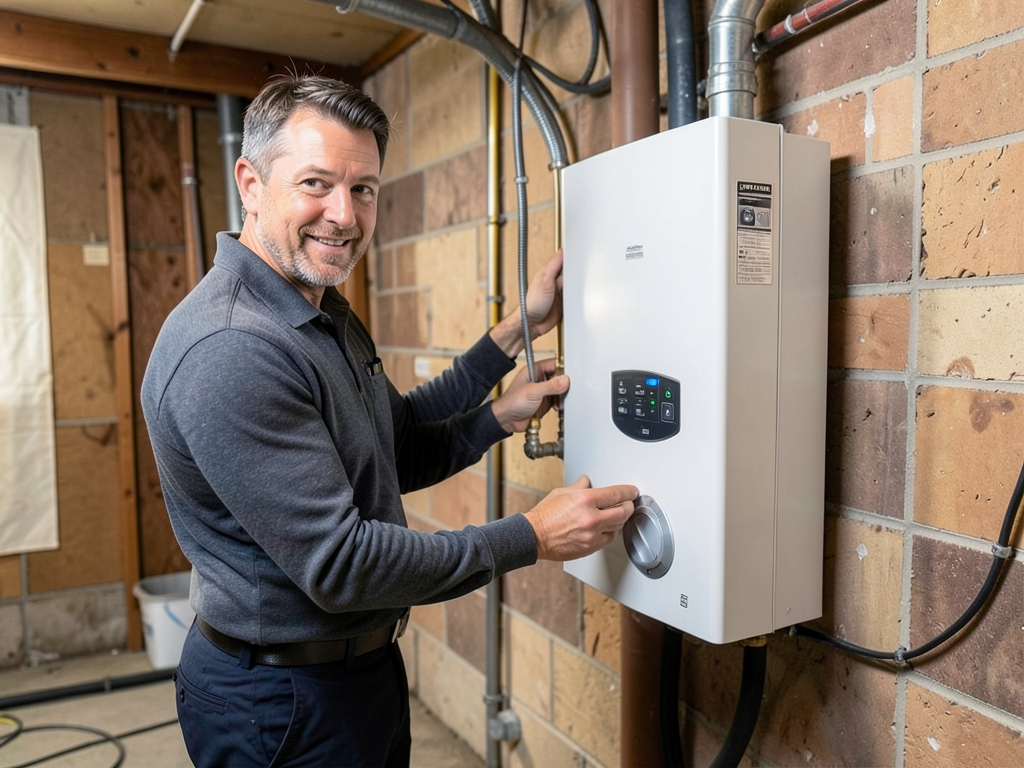
Combi boilers mount on walls and measure approximately 30 inches high by 18 inches wide, freeing up valuable floor space in Crafton Heights basements where ceiling heights often range from 7 to 7.5 feet. Traditional setups require floor space for both a furnace (typically 40 inches tall by 30 inches wide) and a water heater (40 gallons minimum at 60 inches tall), plus additional clearance for service access. In older Crafton Heights homes built before 1950, this space savings can mean the difference between usable storage and cramped mechanical areas. Emergency Furnace Services for Families Living in Baldwin and Whitehall.
Installation complexity varies significantly between systems. Combi boilers require proper venting through PVC pipes, which can exit through side walls in most Crafton Heights homes. Traditional setups often need metal chimney liners or power venting, adding $800-1,200 to installation costs. The existing infrastructure in your home plays a crucial role. Homes with cast-iron radiators can directly connect to combi boilers for hydronic heating, while those with forced-air systems need additional heat exchangers or may be better suited to traditional setups.
Water quality in Allegheny County affects system longevity. The region’s water contains approximately 6-8 grains per gallon of hardness, which causes mineral scaling in heat exchangers. Combi boilers require annual descaling services to maintain efficiency, while traditional tanks develop sediment that reduces capacity over time. Both systems benefit from water softening, but the maintenance schedules differ significantly.
Performance During Pittsburgh’s Peak Demand Periods
Combi boilers deliver hot water at rates measured in gallons per minute (GPM). A typical 150,000 BTU unit provides approximately 5 GPM at a 70°F temperature rise, sufficient for one shower and a sink simultaneously. During Crafton Heights’ coldest mornings when incoming water temperatures drop to 40°F, flow rates decrease to about 3.5 GPM. This reduction can cause noticeable temperature fluctuations if multiple fixtures run simultaneously.
Traditional tank water heaters store hot water at preset temperatures, typically 120°F, and recover at rates of 30-40 gallons per hour. A 50-gallon tank can supply multiple showers back-to-back with consistent temperature. However, once depleted, recovery takes 60-90 minutes. For Crafton Heights families with teenagers or homes where morning routines overlap, this storage capacity provides reliability that combi boilers cannot match without upsizing to commercial-grade units.
Space heating performance also differs. Combi boilers modulate their output based on demand, running at lower capacities during mild weather to save fuel. Traditional furnaces operate at fixed outputs, cycling on and off to maintain temperatures. In Crafton Heights’ mixed-humid climate, where relative humidity often exceeds 80% during summer months, combi boilers’ ability to adjust output helps manage indoor humidity levels more effectively than single-stage traditional furnaces.
Cost Analysis: Upfront Investment vs. Long-Term Savings
Initial equipment costs for combi boilers range from $2,800 to $4,200, while traditional setups with high-efficiency furnaces cost $2,500 to $3,500 plus $800 to $1,200 for a water heater. Installation labor for combi systems averages $1,800 to $2,500 due to the complexity of integrating heating and hot water functions. Traditional installations cost $1,200 to $1,800 for the furnace and $600 to $900 for the water heater.
Annual operating costs depend on local utility rates. Natural gas in Allegheny County averages $1.05 per therm. A combi boiler serving a 2,000-square-foot Crafton Heights home uses approximately 750 therms annually for heating and hot water, costing around $788 per year. A traditional high-efficiency furnace uses 600 therms for heating ($630), while a standard water heater adds 250 therms ($263) for hot water, totaling $893 annually. The combi system saves approximately $105 per year in utility costs.
Maintenance requirements create additional cost differences. Combi boilers need annual professional service at $150-200 to descale heat exchangers and check combustion efficiency. Traditional systems require separate furnace maintenance ($120-180 annually) and water heater flushing every 2-3 years ($100-150 per service). Over a 15-year service life, combi boilers cost approximately $2,250 in maintenance, while traditional setups cost $2,700-3,000.
Lifespan expectations also factor into total cost of ownership. Combi boilers typically last 12-15 years due to the stress of handling both heating and hot water. Traditional furnaces often exceed 20 years, while water heaters last 8-12 years. When calculating replacement costs over 20 years, the traditional setup’s longer component lifespans can offset some efficiency advantages.
Local Rebates and Incentive Programs
Peoples Natural Gas offers rebates up to $500 for installing ENERGY STAR certified high-efficiency boilers, including combi units with AFUE ratings above 90%. The federal Inflation Reduction Act provides tax credits covering 30% of installation costs up to $2,000 for qualified high-efficiency heating equipment. These incentives can reduce combi boiler installation costs by $1,000-1,500, significantly improving payback periods.
Duquesne Light’s Smart Energy Program offers additional rebates for customers who also upgrade to high-efficiency air conditioning or install smart thermostats when replacing heating systems. Combining these upgrades can yield total rebates of $800-1,200. Local HVAC contractors familiar with these programs can handle the paperwork and ensure your equipment qualifies for maximum incentives.
The Pennsylvania Alternative Energy Portfolio Standard requires utilities to support energy efficiency improvements. Some Crafton Heights homeowners may qualify for low-interest financing through state programs when installing high-efficiency systems. These financing options, combined with utility rebates, can make high-efficiency upgrades cash-flow positive from day one. The Homeowners Guide to Replacing an Aging Boiler in Bloomfield.
Making the Right Choice for Your Crafton Heights Home
Your decision should start with a heat load calculation performed by a certified HVAC technician. This calculation determines your home’s exact heating requirements in BTUs per hour, accounting for Crafton Heights’ climate data, your home’s insulation levels, and window characteristics. A properly sized system prevents short cycling in oversized units or inadequate heating in undersized ones.
Consider your household’s hot water usage patterns. Families who frequently run multiple showers, washing machines, and dishwashers simultaneously need the storage capacity of traditional tanks. Singles, couples, or retirees with staggered schedules often find combi boilers’ on-demand heating perfectly adequate and more economical.
Existing system compatibility influences costs significantly. Homes with steam radiators can easily connect to combi boilers, while those with forced-air systems may need expensive modifications. The age and condition of your current equipment also matters. If your furnace is less than 10 years old but your water heater needs replacement, adding a separate high-efficiency water heater might be more cost-effective than replacing both systems.
Future plans affect the decision too. If you plan to finish your basement or add living space within five years, the space savings from a combi boiler become more valuable. Conversely, if you’re considering solar panels or other renewable upgrades, traditional systems offer more flexibility for integration with future technologies.
Professional Installation and Service Considerations
Combi boilers require technicians with specific training in condensing technology and hydronic systems. In the Pittsburgh metro area, fewer than 30% of HVAC companies employ technicians certified to work on these European-designed units. This limited availability can affect both installation costs and future service availability. Traditional systems use more common technology, making qualified technicians easier to find.
Warranty coverage differs between systems. Combi boilers typically offer 5-10 year parts warranties but require professional annual maintenance to remain valid. Traditional high-efficiency furnaces often include 10-12 year parts coverage with similar maintenance requirements. Water heater warranties range from 6-10 years depending on the model and warranty registration.
Emergency service availability matters in Crafton Heights’ cold climate. When temperatures drop below 10°F, heating system failures become emergencies. Combi boilers have more components that can fail, potentially leaving you without both heat and hot water. Traditional systems fail more predictably, and you can often use electric space heaters temporarily while waiting for repairs.
Environmental Impact and Energy Independence
High-efficiency combi boilers reduce carbon emissions by 20-30% compared to standard efficiency equipment. For Crafton Heights homeowners concerned about environmental impact, this reduction can be significant. The condensing technology captures and uses heat that would otherwise exit through the chimney, reducing overall fuel consumption.
Energy independence considerations may influence your choice. Combi boilers can integrate with indirect water heating systems, allowing connection to alternative heat sources like solar thermal collectors. Traditional setups offer similar flexibility but require more complex plumbing configurations. As energy costs continue rising, the ability to incorporate renewable technologies becomes increasingly valuable.
Water conservation features also differ. Combi boilers provide instant hot water, reducing the gallons wasted while waiting for hot water to reach fixtures. Traditional tanks maintain hot water at fixtures but require running cold water through pipes first. In Crafton Heights homes with long plumbing runs, this difference can save hundreds of gallons annually.
Frequently Asked Questions
How long does it take to install a combi boiler versus a traditional system?
Combi boiler installation typically requires 1-2 days, including removal of existing equipment and system commissioning. Traditional setups need 2-3 days since they involve separate furnace and water heater installations. Both require proper permitting through Allegheny County, which adds 1-2 weeks to project timelines.
Can I keep my existing radiators if I switch to a combi boiler?
Yes, combi boilers work excellently with existing hot water radiators. The system maintains the same heating method while adding on-demand hot water capability. However, steam radiators require conversion to hot water systems, adding $1,500-2,500 to installation costs.
What size combi boiler do I need for a typical Crafton Heights home?
A 2,000-square-foot home in Crafton Heights typically needs a 120,000-150,000 BTU boiler for space heating plus adequate capacity for hot water. Factors like insulation quality, window types, and household size affect sizing. Professional heat load calculations ensure proper sizing.
Are combi boilers reliable in extremely cold weather?
Modern combi boilers perform reliably in temperatures well below zero. However, their outdoor reset controls may reduce output during extreme cold snaps. Proper sizing and installation ensure adequate heating capacity even during Crafton Heights’ coldest winter nights.
How much can I save on my utility bills with a high-efficiency system?
High-efficiency systems typically reduce heating costs by 15-30% compared to older equipment. Combi boilers save an additional 5-10% through eliminated standby losses. Actual savings depend on your home’s characteristics and local utility rates.
Next Steps for Your Crafton Heights Project
Ready to upgrade your heating and hot water system? The first step is a professional assessment of your home’s specific needs. A certified HVAC technician will perform a heat load calculation, evaluate your existing equipment, and discuss your household’s hot water usage patterns. This assessment typically takes 60-90 minutes and provides the data needed to make an informed decision.
Don’t wait until your current system fails during a cold snap. Planning your upgrade during mild weather ensures you have time to compare options, secure permits, and take advantage of seasonal rebates. Contact a qualified Pittsburgh HVAC contractor to schedule your assessment and receive a detailed proposal for both combi boiler and traditional system options.
Call (412) 387-0477 today to schedule your free consultation. Our experienced technicians understand Crafton Heights’ unique housing stock and can recommend the system that best fits your home, budget, and lifestyle. We’ll help you navigate available rebates, explain maintenance requirements, and ensure your new system provides reliable comfort for years to come.
Don’t let another winter pass with an inefficient, unreliable heating system. Pick up the phone and call (412) 387-0477 before the next cold front hits. Your family deserves reliable heat and endless hot water, and we’re here to make that happen. For more information, visit U.S. Department of Energy Water Heating Guide.
{
“@context”: “https://schema.org”,
“@type”: “BlogPosting”,
“headline”: “Deciding Between a Combo Boiler and a Separate Water Heater for Your Crafton Heights Project”,
“description”: “Compare combi boilers vs traditional water heaters for Crafton Heights homes. Learn space savings, costs, and local rebates from Pittsburgh HVAC experts.”,
“wordCount”: 2152,
“datePublished”: “2026-06-12T09:33:00.000Z”,
“dateModified”: “2026-06-12T09:33:00.000Z”,
“inLanguage”: “en-US”,
“mainEntityOfPage”: {
“@type”: “WebPage”,
“@id”: “https://apexhvacpittsburgh.com”
},
“publisher”: {
“@type”: “LocalBusiness”,
“name”: “Apex HVAC Pittsburgh”,
“url”: “https://apexhvacpittsburgh.com”
},
“author”: {
“@type”: “Organization”,
“name”: “Apex HVAC Pittsburgh”,
“url”: “https://apexhvacpittsburgh.com”
},
“image”: {
“@type”: “ImageObject”,
“url”: “https://apexhvacpittsburgh.com/wp-content/uploads/2026/03/deciding-between-a-combo-boiler-and-a-separate-wat-1.png”
}
}
{
“@context”: “https://schema.org”,
“@type”: “HVACBusiness”,
“name”: “Apex HVAC Pittsburgh”,
“url”: “https://apexhvacpittsburgh.com”,
“address”: {
“@type”: “PostalAddress”,
“addressLocality”: “Pittsburgh”
},
“areaServed”: {
“@type”: “City”,
“name”: “Pittsburgh”
}
}
{
“@context”: “https://schema.org”,
“@type”: “FAQPage”,
“mainEntity”: [
{
“@type”: “Question”,
“name”: “How long does it take to install a combi boiler versus a traditional system?”,
“acceptedAnswer”: {
“@type”: “Answer”,
“text”: “Combi boiler installation typically requires 1-2 days, including removal of existing equipment and system commissioning. Traditional setups need 2-3 days since they involve separate furnace and water heater installations. Both require proper permitting through Allegheny County, which adds 1-2 weeks to project timelines.”
}
},
{
“@type”: “Question”,
“name”: “Can I keep my existing radiators if I switch to a combi boiler?”,
“acceptedAnswer”: {
“@type”: “Answer”,
“text”: “Yes, combi boilers work excellently with existing hot water radiators. The system maintains the same heating method while adding on-demand hot water capability. However, steam radiators require conversion to hot water systems, adding $1,500-2,500 to installation costs.”
}
},
{
“@type”: “Question”,
“name”: “What size combi boiler do I need for a typical Crafton Heights home?”,
“acceptedAnswer”: {
“@type”: “Answer”,
“text”: “A 2,000-square-foot home in Crafton Heights typically needs a 120,000-150,000 BTU boiler for space heating plus adequate capacity for hot water. Factors like insulation quality, window types, and household size affect sizing. Professional heat load calculations ensure proper sizing.”
}
},
{
“@type”: “Question”,
“name”: “Are combi boilers reliable in extremely cold weather?”,
“acceptedAnswer”: {
“@type”: “Answer”,
“text”: “Modern combi boilers perform reliably in temperatures well below zero. However, their outdoor reset controls may reduce output during extreme cold snaps. Proper sizing and installation ensure adequate heating capacity even during Crafton Heights’ coldest winter nights.”
}
},
{
“@type”: “Question”,
“name”: “How much can I save on my utility bills with a high-efficiency system?”,
“acceptedAnswer”: {
“@type”: “Answer”,
“text”: “High-efficiency systems typically reduce heating costs by 15-30% compared to older equipment. Combi boilers save an additional 5-10% through eliminated standby losses. Actual savings depend on your home’s characteristics and local utility rates.”
}
}
]
}
{
“@context”: “https://schema.org”,
“@type”: “BreadcrumbList”,
“itemListElement”: [
{
“@type”: “ListItem”,
“position”: 1,
“name”: “Home”,
“item”: “https://apexhvacpittsburgh.com”
},
{
“@type”: “ListItem”,
“position”: 2,
“name”: “Blog”,
“item”: “https://apexhvacpittsburgh.com/blog”
},
{
“@type”: “ListItem”,
“position”: 3,
“name”: “Deciding Between a Combo Boiler and a Separate Water Heater for Your Crafton Heights Project”
}
]
}
{
“@context”: “https://schema.org”,
“@type”: “Service”,
“serviceType”: “HVAC”,
“provider”: {
“@type”: “LocalBusiness”,
“name”: “Apex HVAC Pittsburgh”,
“url”: “https://apexhvacpittsburgh.com”
},
“areaServed”: {
“@type”: “City”,
“name”: “Pittsburgh”
},
“description”: “Compare combi boilers vs traditional water heaters for Crafton Heights homes. Learn space savings, costs, and local rebates from Pittsburgh HVAC experts.”
}