
Deciding Between Gas and Electric Heating for Your Carnegie Renovation
Choosing between gas and electric heating for your Carnegie home renovation requires understanding how each system performs during Pittsburgh’s harsh winters and what it will cost to operate over the next decade. Gas furnaces provide rapid heat output and lower operating costs when connected to Peoples Gas infrastructure, while electric systems offer simpler installation and zero on-site emissions. Your decision hinges on your home’s existing infrastructure, local utility rates, and whether you prioritize upfront installation costs or long-term energy savings. Peoples Gas.
Carnegie homeowners face unique considerations when upgrading heating systems. The borough’s mix of early 20th century homes and newer construction means installation complexity varies significantly. A Victorian home on Washington Avenue requires different venting solutions than a 1980s split-level near the Chartiers Creek. Understanding these local factors helps you avoid costly surprises during your renovation. The Homeowners Guide to Replacing an Aging Boiler in Bloomfield.
Cost Comparison: Installation vs. Monthly Operating Expenses in PA
Installation costs for gas furnaces typically run $3,500 to $7,500 in the Carnegie area, depending on venting requirements and whether your home needs a new gas line connection. Electric furnaces cost $2,000 to $4,000 to install but may require electrical panel upgrades that add $1,500 to $3,000. The real difference emerges in monthly operating costs. Emergency Furnace Services for Families Living in Baldwin and Whitehall.
Based on current 2026 Allegheny County utility rates, gas heating costs approximately $1.25 per therm while electricity averages $0.14 per kilowatt-hour. A typical Carnegie home uses 75 million BTUs annually for heating. Gas furnaces operating at 95% efficiency cost about $985 per year to run. Electric resistance heating at 100% efficiency costs around $3,100 annually. Heat pump systems operating at 300% efficiency reduce electric costs to approximately $1,030 per year. Winterizing Your HVAC System.
Local Installation Considerations
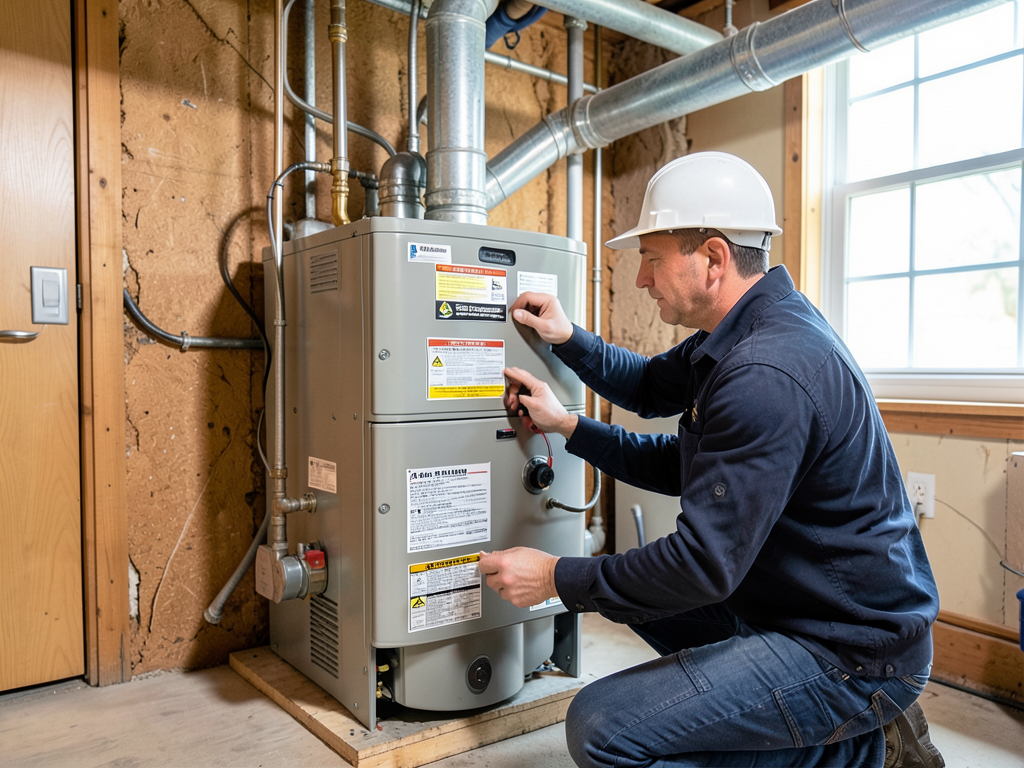
Carnegie’s older housing stock presents specific challenges. Homes built before 1950 often lack proper venting infrastructure for high-efficiency gas furnaces, requiring additional work to meet Pennsylvania Uniform Construction Code requirements. The code mandates specific venting materials and clearances that can add $800 to $2,000 to installation costs.
Electric installations face different hurdles. Many Carnegie homes have 100-amp electrical service that cannot support electric heating without upgrades. The borough’s hilly terrain also affects outdoor unit placement for heat pumps, with some properties requiring special mounting solutions to prevent shifting on sloped lots.
Performance: How Gas and Electric Furnaces Handle Pittsburgh Winters
Gas furnaces produce heat at 130-140 degrees Fahrenheit, providing immediate warmth when temperatures plummet below zero. During Pittsburgh’s polar vortex events, gas systems maintain consistent output regardless of electrical grid conditions. Electric resistance heaters produce air at 85-95 degrees, which feels cooler against skin despite being adequate for space heating.
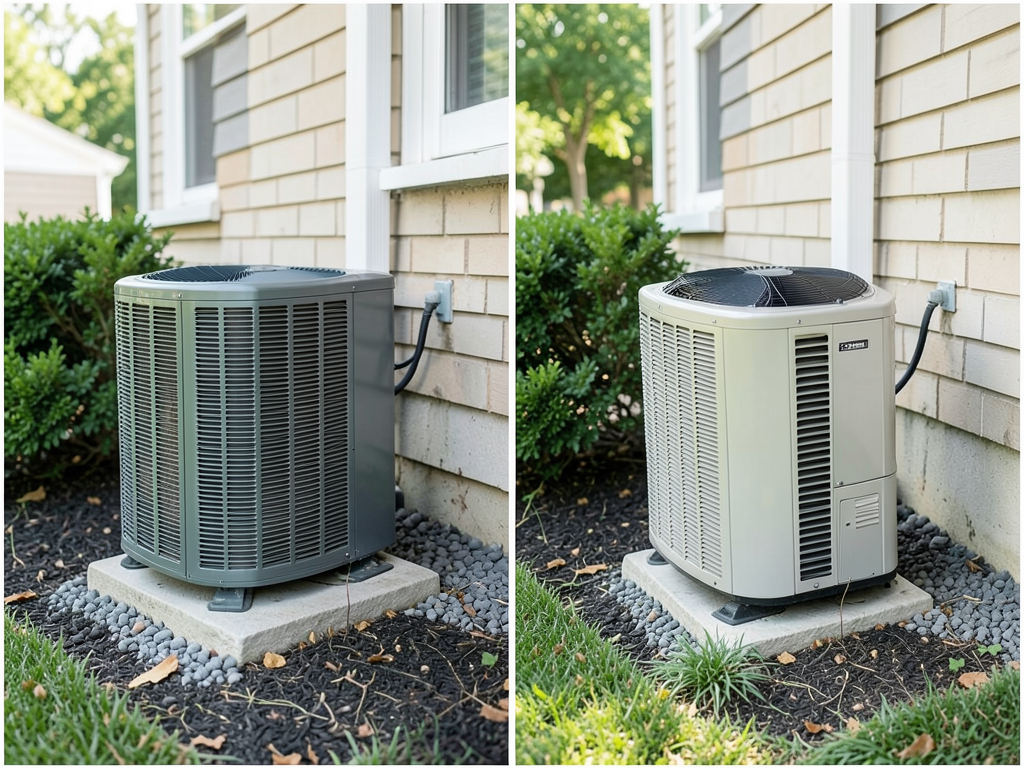
Heat pumps extract heat from outdoor air down to about 25 degrees Fahrenheit. Below this temperature, they switch to electric resistance backup, which increases operating costs significantly. Pittsburgh experiences approximately 30-40 days annually when temperatures fall below 25 degrees, making this a critical consideration for electric systems.
Climate Performance Testing
We use thermal imaging cameras to evaluate heat distribution patterns in Carnegie homes during winter months. This diagnostic test reveals cold spots that indicate system sizing issues or ductwork problems. Gas furnaces typically show more uniform heat distribution in older homes with poor insulation, while electric heat pumps struggle with temperature stratification in multi-story homes.
Humidity control represents another performance factor. Pittsburgh’s average relative humidity exceeds 70% during summer months and remains above 50% in winter. Gas furnaces produce drier air naturally, which can reduce condensation on windows but may require humidifiers for comfort. Electric heat pumps maintain better humidity control but can struggle with moisture removal during extreme cold snaps.
Energy Efficiency: AFUE Ratings and Local Utility Providers (Duquesne Light & Peoples Gas)
Gas furnaces carry Annual Fuel Utilization Efficiency ratings from 80% to 98%. A 95% AFUE furnace wastes only 5% of fuel compared to 20% waste for an 80% model. In Pennsylvania, high-efficiency furnaces qualify for Energy Star certification and may receive additional utility rebates through Peoples Gas conservation programs.
Electric systems use Heating Seasonal Performance Factor ratings instead. Modern heat pumps achieve HSPF ratings of 8.2 to 10.0, with higher numbers indicating better efficiency. Duquesne Light offers rebates for high-efficiency electric heat pumps through their Act 129 energy efficiency programs, which can offset $300 to $500 of installation costs.
Utility Rate Trends Impacting Your Decision
Pennsylvania’s deregulated electricity market means Duquesne Light rates can vary significantly from those in neighboring West Penn Power territory. Carnegie residents served by Duquesne Light pay approximately $0.14 per kilowatt-hour, while West Penn Power customers pay closer to $0.16. Gas rates through Peoples Gas remain more stable across Allegheny County at $1.25 per therm.
Long-term rate trends favor neither fuel completely. Natural gas prices have remained relatively stable over the past decade, while electricity rates have increased 3-4% annually. However, Pennsylvania’s growing renewable energy portfolio could reduce electricity generation costs in coming years, potentially narrowing the operating cost gap between gas and electric systems.
Lifespan and Maintenance Requirements
Gas furnaces typically last 15-20 years in Pittsburgh’s climate, while electric systems often operate for 20-25 years. The difference stems from gas furnaces having more moving parts and combustion components that wear over time. Heat exchangers in gas systems require inspection every two years to check for cracks that could leak carbon monoxide.
Maintenance requirements differ significantly between fuel types. Gas systems need annual cleaning of burners, inspection of heat exchangers, and testing of safety controls. Electric systems require less frequent maintenance but need regular filter changes and occasional contactor replacement. Heat pumps need twice-yearly service to clean coils and check refrigerant levels.
Carnegie-Specific Maintenance Considerations
Carnegie’s older homes often have ductwork issues that affect both system types. Galvanized steel ducts common in pre-1970 construction develop leaks at joints over time, reducing efficiency by 15-20%. We use duct blaster testing to measure leakage and identify problem areas before installation.
The borough’s combined sewer system can cause basement humidity issues that affect furnace performance. Gas furnaces in basements require proper venting to prevent backdrafting when sewer gases create negative pressure. Electric systems avoid this issue but may need additional dehumidification in below-grade installations.
Environmental Impact and Indoor Air Quality
Gas furnaces produce carbon dioxide emissions directly at the home, while electric systems shift emissions to power plants. Pennsylvania’s electricity mix includes approximately 50% coal and natural gas generation, making the carbon footprint of electric heating complex to calculate. A high-efficiency gas furnace typically produces 5-7 tons of CO2 annually, while electric resistance heating can generate 8-12 tons depending on the power source.
Indoor air quality considerations favor electric systems for allergy sufferers. Gas combustion produces nitrogen dioxide and trace amounts of carbon monoxide, even in properly functioning units. Electric systems eliminate these combustion byproducts but may circulate more dust if filters are not maintained properly.
Carbon Monoxide Safety Requirements
Pennsylvania building codes require carbon monoxide detectors within 15 feet of all sleeping areas when gas appliances are present. The International Residential Code Section R315 mandates hardwired detectors with battery backup in new installations. Electric systems eliminate this requirement but still need smoke detectors for overall safety.
Annual professional inspection becomes critical for gas systems to ensure proper venting and combustion. We use combustion analyzers to test flue gas composition and verify that carbon monoxide levels remain below 100 parts per million. This diagnostic test takes approximately 30 minutes and costs $75-100 but provides essential safety verification.
Local Rebates and Tax Incentives for Pittsburgh Homeowners
Pennsylvania offers several programs that can reduce heating system costs. The Alternative Energy Investment Act provides tax credits up to $500 for high-efficiency heating equipment. Duquesne Light’s Smart Home Rebate program offers $300 for heat pumps meeting minimum efficiency standards. Peoples Gas provides similar rebates for 95% AFUE furnaces through their conservation initiatives.
Federal tax credits available through 2032 can offset 30% of installation costs for qualifying high-efficiency systems, up to $2,000 maximum. These credits apply to both gas and electric high-efficiency equipment but require specific efficiency ratings to qualify. The Inflation Reduction Act expanded these incentives, making 2026 an advantageous year for energy-efficient upgrades.
Carnegie-Specific Incentive Programs
The borough participates in Allegheny County’s Home Improvement Program, which offers low-interest financing for energy efficiency upgrades. Income-qualified homeowners can receive grants covering up to 50% of improvement costs. These programs specifically target homes built before 1980, which comprises approximately 65% of Carnegie’s housing stock.
Local utility providers also sponsor neighborhood-specific efficiency programs. Duquesne Light periodically offers enhanced rebates for homes in targeted areas undergoing grid modernization. Checking with both your electric and gas providers before installation can identify time-sensitive opportunities that significantly reduce project costs.
Making Your Final Decision
Your choice between gas and electric heating should align with your home’s existing infrastructure, your budget priorities, and your long-term plans for the property. Gas systems offer lower operating costs and reliable performance during extreme weather but require proper venting and produce combustion emissions. Electric systems provide simpler installation and zero on-site emissions but may cost more to operate unless you choose a high-efficiency heat pump.
Consider having a professional energy audit performed before making your final decision. This diagnostic assessment, which costs $300-500, measures your home’s actual heat loss and identifies the most cost-effective improvements. Many Carnegie homeowners discover that air sealing and insulation upgrades provide better returns than fuel source changes alone.
The best heating system for your Carnegie renovation balances upfront costs against long-term operating expenses while meeting your comfort requirements. Whether you choose gas or electric, proper sizing and professional installation ensure optimal performance through Pittsburgh’s demanding winters.
Frequently Asked Questions
Which heating system is cheaper to install in Carnegie?
Electric furnaces typically cost $2,000 to $4,000 to install, while gas furnaces range from $3,500 to $7,500. However, electric installations may require electrical panel upgrades that add $1,500 to $3,000, potentially making total costs similar to gas installations.
How much can I save on utility bills with a high-efficiency system?
High-efficiency gas furnaces (95% AFUE) can reduce heating costs by 15-20% compared to standard models. Heat pumps can cut electric heating costs by 50-60% compared to electric resistance heating, potentially saving $1,000 to $1,500 annually in a typical Carnegie home.
Do I need permits for heating system replacement in Carnegie?
Yes, both gas and electric heating replacements require permits from the borough. Gas installations also need inspection by the Allegheny County plumbing inspector. Permit costs typically range from $75 to $200 depending on the scope of work.
Can I switch from electric to gas heating later?
Yes, but switching requires gas line installation if none exists, proper venting installation, and potentially electrical upgrades. The conversion typically costs $5,000 to $10,000 and may not be cost-effective unless you plan to stay in the home for at least 7-10 years.
What size heating system do I need for my Carnegie home?
Most Carnegie homes require 40,000 to 80,000 BTUs of heating capacity. The exact size depends on your home’s square footage, insulation levels, and air leakage. Professional heat loss calculations ensure proper sizing and optimal efficiency.
- Evaluate Existing Infrastructure
Check if your home has gas service, adequate electrical capacity, and proper venting. This determines which systems are feasible without major modifications.
- Calculate Operating Costs
Use local utility rates to compare annual operating costs for different system types. Consider both current rates and projected increases over 15 years.
- Consider Climate Performance
Evaluate how each system performs during Pittsburgh’s coldest days. Gas furnaces maintain output regardless of temperature, while heat pumps lose efficiency below 25 degrees.
- Review Available Incentives
Check for utility rebates, tax credits, and local programs that can offset installation costs. These incentives change frequently and can significantly impact your decision.
- Get Professional Assessment
Have a qualified HVAC contractor perform a heat loss calculation and provide detailed quotes for your top options. This ensures proper sizing and accurate cost estimates.
Ready to make your heating decision? Call (412) 387-0477 today to schedule your professional assessment and get accurate quotes for your Carnegie renovation project. Don’t wait until winter arrives to discover your current system can’t handle another Pittsburgh cold snap. For more information, visit U.S. Department of Energy.
{
“@context”: “https://schema.org”,
“@type”: “BlogPosting”,
“headline”: “Deciding Between Gas and Electric Heating for Your Carnegie Renovation”,
“description”: “Compare gas vs electric heating costs, efficiency, and performance for Pittsburgh homes. Get expert advice on installation, utility rates, and rebates for your Carnegie renovation.”,
“wordCount”: 2041,
“datePublished”: “2026-03-10T09:12:00.000Z”,
“dateModified”: “2026-03-10T09:12:00.000Z”,
“inLanguage”: “en-US”,
“mainEntityOfPage”: {
“@type”: “WebPage”,
“@id”: “https://apexhvacpittsburgh.com”
},
“publisher”: {
“@type”: “LocalBusiness”,
“name”: “Apex HVAC Pittsburgh”,
“url”: “https://apexhvacpittsburgh.com”
},
“author”: {
“@type”: “Organization”,
“name”: “Apex HVAC Pittsburgh”,
“url”: “https://apexhvacpittsburgh.com”
},
“image”: {
“@type”: “ImageObject”,
“url”: “https://apexhvacpittsburgh.com/wp-content/uploads/2026/03/deciding-between-gas-and-electric-heating-for-your-1.png”
}
}
{
“@context”: “https://schema.org”,
“@type”: “HVACBusiness”,
“name”: “Apex HVAC Pittsburgh”,
“url”: “https://apexhvacpittsburgh.com”,
“address”: {
“@type”: “PostalAddress”,
“addressLocality”: “Pittsburgh”
},
“areaServed”: {
“@type”: “City”,
“name”: “Pittsburgh”
}
}
{
“@context”: “https://schema.org”,
“@type”: “FAQPage”,
“mainEntity”: [
{
“@type”: “Question”,
“name”: “Which heating system is cheaper to install in Carnegie?”,
“acceptedAnswer”: {
“@type”: “Answer”,
“text”: “Electric furnaces typically cost $2,000 to $4,000 to install, while gas furnaces range from $3,500 to $7,500. However, electric installations may require electrical panel upgrades that add $1,500 to $3,000, potentially making total costs similar to gas installations.”
}
},
{
“@type”: “Question”,
“name”: “How much can I save on utility bills with a high-efficiency system?”,
“acceptedAnswer”: {
“@type”: “Answer”,
“text”: “High-efficiency gas furnaces (95% AFUE) can reduce heating costs by 15-20% compared to standard models. Heat pumps can cut electric heating costs by 50-60% compared to electric resistance heating, potentially saving $1,000 to $1,500 annually in a typical Carnegie home.”
}
},
{
“@type”: “Question”,
“name”: “Do I need permits for heating system replacement in Carnegie?”,
“acceptedAnswer”: {
“@type”: “Answer”,
“text”: “Yes, both gas and electric heating replacements require permits from the borough. Gas installations also need inspection by the Allegheny County plumbing inspector. Permit costs typically range from $75 to $200 depending on the scope of work.”
}
},
{
“@type”: “Question”,
“name”: “Can I switch from electric to gas heating later?”,
“acceptedAnswer”: {
“@type”: “Answer”,
“text”: “Yes, but switching requires gas line installation if none exists, proper venting installation, and potentially electrical upgrades. The conversion typically costs $5,000 to $10,000 and may not be cost-effective unless you plan to stay in the home for at least 7-10 years.”
}
},
{
“@type”: “Question”,
“name”: “What size heating system do I need for my Carnegie home?”,
“acceptedAnswer”: {
“@type”: “Answer”,
“text”: “Most Carnegie homes require 40,000 to 80,000 BTUs of heating capacity. The exact size depends on your home’s square footage, insulation levels, and air leakage. Professional heat loss calculations ensure proper sizing and optimal efficiency.”
}
}
]
}
{
“@context”: “https://schema.org”,
“@type”: “HowTo”,
“name”: “How to Choose Your Heating System”,
“step”: [
{
“@type”: “HowToStep”,
“position”: 1,
“name”: “Evaluate Existing Infrastructure”,
“text”: “Check if your home has gas service, adequate electrical capacity, and proper venting. This determines which systems are feasible without major modifications.”
},
{
“@type”: “HowToStep”,
“position”: 2,
“name”: “Calculate Operating Costs”,
“text”: “Use local utility rates to compare annual operating costs for different system types. Consider both current rates and projected increases over 15 years.”
},
{
“@type”: “HowToStep”,
“position”: 3,
“name”: “Consider Climate Performance”,
“text”: “Evaluate how each system performs during Pittsburgh’s coldest days. Gas furnaces maintain output regardless of temperature, while heat pumps lose efficiency below 25 degrees.”
},
{
“@type”: “HowToStep”,
“position”: 4,
“name”: “Review Available Incentives”,
“text”: “Check for utility rebates, tax credits, and local programs that can offset installation costs. These incentives change frequently and can significantly impact your decision.”
},
{
“@type”: “HowToStep”,
“position”: 5,
“name”: “Get Professional Assessment”,
“text”: “Have a qualified HVAC contractor perform a heat loss calculation and provide detailed quotes for your top options. This ensures proper sizing and accurate cost estimates.”
}
],
“image”: “https://apexhvacpittsburgh.com/wp-content/uploads/2026/03/deciding-between-gas-and-electric-heating-for-your-1.png”
}
{
“@context”: “https://schema.org”,
“@type”: “BreadcrumbList”,
“itemListElement”: [
{
“@type”: “ListItem”,
“position”: 1,
“name”: “Home”,
“item”: “https://apexhvacpittsburgh.com”
},
{
“@type”: “ListItem”,
“position”: 2,
“name”: “Blog”,
“item”: “https://apexhvacpittsburgh.com/blog”
},
{
“@type”: “ListItem”,
“position”: 3,
“name”: “Deciding Between Gas and Electric Heating for Your Carnegie Renovation”
}
]
}
{
“@context”: “https://schema.org”,
“@type”: “Service”,
“serviceType”: “HVAC”,
“provider”: {
“@type”: “LocalBusiness”,
“name”: “Apex HVAC Pittsburgh”,
“url”: “https://apexhvacpittsburgh.com”
},
“areaServed”: {
“@type”: “City”,
“name”: “Pittsburgh”
},
“description”: “Compare gas vs electric heating costs, efficiency, and performance for Pittsburgh homes. Get expert advice on installation, utility rates, and rebates for your Carnegie renovation.”
}