
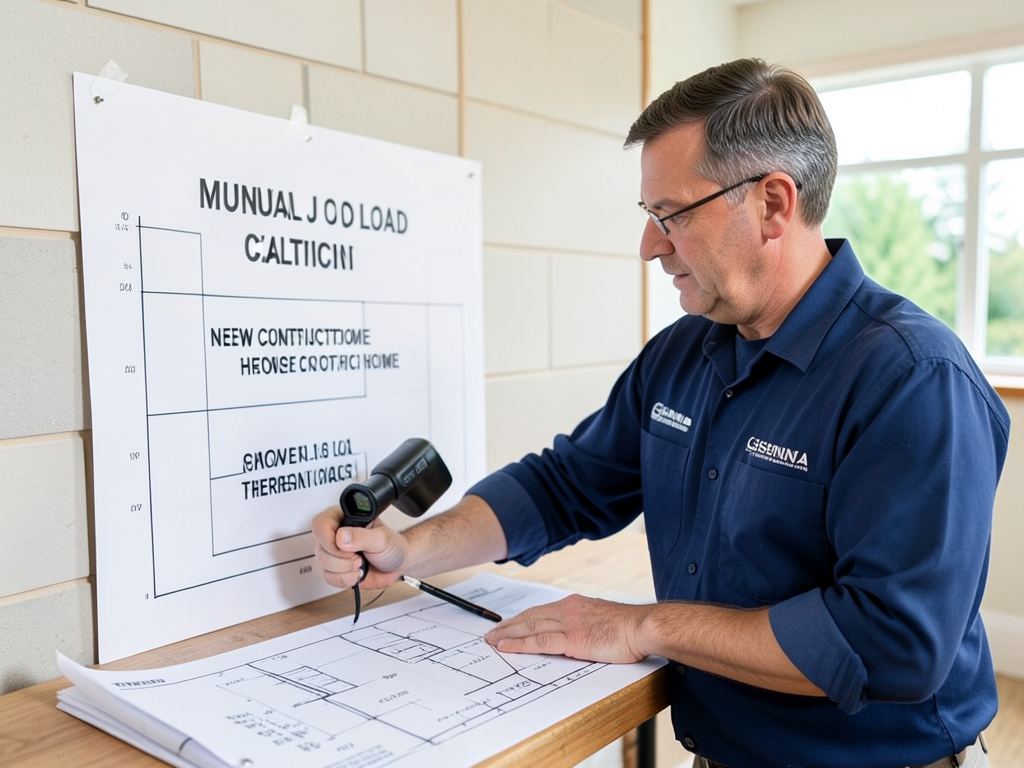
Designing the Perfect HVAC Setup for Your New Gibsonia Custom Home
Building a custom home in Gibsonia means creating a space that will keep your family comfortable through Pennsylvania’s harsh winters and humid summers. The HVAC system serves as the backbone of your home’s comfort, and getting it right from the start prevents costly problems later. A properly designed system in the 15044 area must handle everything from the clay-heavy soil that affects basement moisture to the steep hillside lots common in the Treesdale area.
The first step involves understanding your home’s unique heating and cooling loads. Gibsonia homes face specific challenges including high humidity in August that can overwhelm standard systems and winter temperatures that regularly drop below zero. These conditions demand equipment sizing that goes beyond basic square footage calculations. The system must also integrate with your home’s architecture, whether you’re building a sprawling ranch on a flat lot or a multi-story colonial on a sloped hillside.
Modern HVAC design for Gibsonia new construction focuses on energy efficiency while maintaining reliability during extreme weather. High-efficiency systems reduce utility bills but must still deliver consistent performance when temperatures plummet. The right setup balances upfront costs with long-term savings and includes features like zoning for multi-story homes and advanced air filtration for allergy sufferers. Working with contractors familiar with Richland Township building codes ensures your system meets all local requirements while maximizing comfort. Why Your Robinson Township AC Unit is Making Noise and How to Fix It.
Understanding the complete HVAC design process helps you make informed decisions throughout construction. From initial load calculations to final commissioning, each step affects your home’s comfort, efficiency, and operating costs. This guide covers everything you need to know about designing an HVAC system that will keep your Gibsonia home comfortable for decades to come. The Homeowners Guide to Replacing an Aging Boiler in Bloomfield.
Understanding Gibsonia’s Climate Challenges
Gibsonia sits in the humid continental climate zone where winters bring heavy snowfall and summer humidity often exceeds 80 percent. These conditions create specific HVAC design requirements that differ from other Pennsylvania regions. The area’s clay-heavy soil also affects how moisture moves through your home’s foundation, impacting indoor air quality and system performance.
Winter temperatures in Gibsonia regularly drop below zero, with wind chills making it feel even colder. Your heating system must maintain comfortable indoor temperatures while preventing pipes from freezing in exterior walls. The system needs sufficient capacity to handle these extreme conditions without running continuously, which wastes energy and shortens equipment life.
Summer humidity creates different challenges. Standard air conditioners often cannot remove enough moisture from the air, leaving your home feeling clammy despite cool temperatures. High humidity also promotes mold growth and makes allergy symptoms worse. An effective Gibsonia HVAC system must include proper dehumidification capabilities to maintain healthy indoor air quality during the muggy summer months.
Spring and fall bring rapid temperature swings that can occur within hours. Your system needs smart controls that can adjust quickly without wasting energy. Zoning becomes particularly important in Gibsonia where morning temperatures might require heating but afternoon sun could make upper floors uncomfortably warm. A well-designed system handles these transitions smoothly while maintaining consistent comfort throughout your home.
Manual J Load Calculations for Gibsonia Homes
Manual J calculations determine the exact heating and cooling capacity your home needs based on its construction, orientation, and local climate. These calculations go far beyond simple square footage estimates to consider factors like window placement, insulation levels, and even the number of occupants. For Gibsonia homes, Manual J must account for the area’s specific climate data including extreme winter lows and summer humidity levels.
The calculation process examines your home’s building envelope including walls, roof, windows, and doors. Each component has different thermal properties that affect heat transfer. For example, a home with large south-facing windows in Gibsonia will gain significant solar heat in winter but may overheat in summer without proper shading. Manual J factors in these seasonal variations to determine the right system size.
Air infiltration rates play a crucial role in Gibsonia due to the area’s older construction methods and varying building standards. Newer homes built to current codes have much tighter envelopes than older constructions. The calculation must account for how much outside air enters through gaps, cracks, and mechanical ventilation systems. This affects both heating and cooling loads significantly.
Internal heat gains from appliances, lighting, and occupants also factor into Manual J calculations. A home office with multiple computers generates more heat than a spare bedroom. Kitchens with professional-grade appliances create additional cooling loads. Gibsonia homes often include home theaters and workout rooms that add to the cooling requirements. Manual J ensures your system can handle these varying heat sources while maintaining comfort.
High-Efficiency System Options for Gibsonia
Modern high-efficiency HVAC systems offer significant energy savings compared to standard equipment. In Gibsonia, where heating accounts for the majority of annual energy use, choosing the right efficiency level can dramatically reduce utility bills. Current systems achieve efficiency ratings of 95 percent or higher for heating and 20+ SEER for cooling, representing substantial improvements over older equipment.
Variable-speed technology provides the best comfort and efficiency for Gibsonia homes. These systems adjust their output based on actual heating or cooling needs rather than cycling on and off at full capacity. This approach maintains more consistent temperatures, reduces humidity more effectively, and operates more quietly. The technology particularly benefits homes with open floor plans common in new Gibsonia construction.
Hybrid heating systems combine a high-efficiency heat pump with a gas furnace for optimal performance in Gibsonia’s climate. The heat pump handles most heating needs during mild weather, providing excellent efficiency. When temperatures drop below the heat pump’s effective range, the gas furnace automatically takes over. This setup offers the best of both worlds: heat pump efficiency during moderate weather and gas furnace reliability during extreme cold. Emergency Furnace Services for Families Living in Baldwin and Whitehall.
Smart thermostats and zoning controls enhance system efficiency by directing heating and cooling only where needed. In multi-story Gibsonia homes, second-floor temperatures often differ significantly from main-floor conditions. Zoning allows you to maintain different temperatures in various areas, reducing energy waste. Smart controls learn your schedule and preferences, automatically adjusting for maximum comfort and efficiency while you’re home or away.
Ductwork Design and Installation
Proper ductwork design proves critical for system performance but often gets overlooked during new construction. In Gibsonia homes, ductwork must handle both heating and cooling loads while maintaining adequate airflow throughout the house. Poor duct design leads to uneven temperatures, excessive noise, and reduced system efficiency regardless of how good the equipment is.
Duct sizing calculations ensure each room receives the right amount of conditioned air. Undersized ducts restrict airflow, causing the system to work harder and reducing efficiency. Oversized ducts increase installation costs and can create noise problems. The calculations must account for duct length, number of turns, and the specific equipment being used.
Insulation plays a vital role in Gibsonia’s climate where ducts often run through unconditioned spaces like attics and crawl spaces. Without proper insulation, heated air loses warmth before reaching living spaces in winter, while cooled air gains heat in summer. This forces your system to work harder, increasing energy costs and reducing comfort. High-quality duct insulation maintains temperature throughout the distribution system.
Sealing prevents air leaks that waste energy and reduce comfort. Even small gaps in duct connections can allow significant air loss. Professional duct sealing using mastic or specialized tape ensures all connections remain airtight. This step becomes especially important in Gibsonia where extreme temperature differences between conditioned and unconditioned spaces create pressure variations that can worsen air leakage.
Indoor Air Quality Solutions for Gibsonia Homes
Gibsonia’s seasonal allergies and high humidity create specific indoor air quality challenges. Spring pollen counts often reach levels that trigger severe reactions in sensitive individuals. Combined with winter’s dry indoor air and summer’s excess moisture, your home needs comprehensive air quality solutions integrated into the HVAC system.
High-efficiency air filters capture pollen, dust, and other airborne particles that affect health and comfort. Standard one-inch filters provide minimal protection, while high-MERV filters remove much smaller particles. For Gibsonia homes, filters rated MERV 11 or higher balance excellent particle removal with adequate airflow for your HVAC system. Some homeowners benefit from HEPA filtration for maximum allergen removal. EPA indoor air quality resources.
Humidity control becomes essential given Gibsonia’s climate extremes. Winter heating dries indoor air to uncomfortable levels, causing static electricity, dry skin, and respiratory irritation. Whole-house humidifiers add moisture during heating season, maintaining healthy humidity levels around 30-40 percent. Conversely, summer humidity often exceeds 60 percent, promoting mold growth and dust mites. Dehumidification integrated with your air conditioning prevents these problems.
Ventilation systems bring fresh outdoor air into your tightly sealed modern home while filtering and conditioning it. Energy recovery ventilators (ERVs) transfer heat and moisture between incoming and outgoing air streams, reducing energy costs while maintaining air quality. This technology proves particularly valuable in Gibsonia where homes are built tighter for energy efficiency but still need fresh air circulation.
Working with Gibsonia Contractors and Permits
Navigating Gibsonia’s building permit process requires understanding local requirements and working with qualified contractors. Richland Township enforces specific HVAC installation standards that exceed basic code requirements. These local regulations ensure systems operate safely and efficiently while protecting property values in the area. Protecting Your McCandless Home from Seasonal Allergies with Better Air Filtration.
Pennsylvania’s Uniform Construction Code (UCC) establishes minimum standards for HVAC installations throughout the state. However, Richland Township often adopts stricter requirements for new construction in the Treesdale and surrounding areas. These enhanced standards address local conditions like the area’s clay soil and seasonal temperature extremes. Your contractor must understand these specific requirements to ensure compliance. Keeping Your Moon Township Commercial Property Comfortable Year Round.
Permitting involves submitting detailed plans showing equipment locations, duct layouts, and compliance with energy codes. The process typically takes several weeks, so factor this timeline into your construction schedule. Inspections occur at multiple stages including rough-in, final installation, and system startup. Each inspection must pass before proceeding to the next construction phase.
Choosing the right contractor makes a significant difference in your project’s success. Look for companies with specific experience in Gibsonia new construction rather than general HVAC providers. Local contractors understand the area’s unique challenges including soil conditions, weather patterns, and building practices. They also maintain relationships with local inspectors and suppliers, smoothing the installation process.
Energy Efficiency and Cost Considerations
Investing in high-efficiency HVAC equipment reduces long-term operating costs but requires higher upfront investment. In Gibsonia, where heating seasons are long and severe, the payback period for efficiency upgrades often proves shorter than in milder climates. Understanding the total cost of ownership helps you make informed decisions about system components and features.
Energy efficiency ratings directly impact operating costs. Heating Seasonal Performance Factor (HSPF) measures heat pump heating efficiency, while Annual Fuel Utilization Efficiency (AFUE) rates furnace efficiency. For Gibsonia’s climate, aim for HSPF ratings above 8.5 and AFUE ratings of 95 percent or higher. These higher ratings translate to lower utility bills throughout the system’s lifetime.
Utility rebates and tax incentives can offset much of the additional cost for high-efficiency equipment. Pennsylvania offers various programs through utilities like Duquesne Light and FirstEnergy that provide rebates for qualifying systems. Federal tax credits may also apply to certain high-efficiency installations. These incentives can reduce your net investment by thousands of dollars.
Maintenance costs vary significantly between system types and quality levels. Premium equipment often includes longer warranties and requires less frequent service. However, all systems need regular maintenance to maintain efficiency and prevent breakdowns. Budget for annual professional maintenance and occasional repairs over the system’s 15-20 year lifespan. Quality installation reduces these long-term costs by preventing many common problems.
Smart Home Integration and Controls
Modern HVAC systems integrate seamlessly with smart home technology, providing enhanced control and energy savings. In Gibsonia homes, smart controls can automatically adjust for weather changes, occupancy patterns, and energy pricing. This integration maximizes comfort while minimizing utility costs throughout the year’s extreme temperature variations.
Wi-Fi enabled thermostats allow remote control through smartphone apps, letting you adjust settings from anywhere. This feature proves especially useful for Gibsonia’s unpredictable weather where conditions can change rapidly. You can warm up the house before returning from work on unexpectedly cold days or adjust cooling settings while away on summer vacations.
Learning algorithms in advanced thermostats adapt to your schedule and preferences over time. The system learns when you typically arrive home, what temperatures you prefer at different times, and even factors in local weather forecasts. This automation eliminates manual adjustments while optimizing energy use based on your actual patterns rather than fixed schedules.
Integration with other smart home devices creates additional efficiency opportunities. Motion sensors can detect when rooms are unoccupied and adjust temperatures accordingly. Smart blinds can automatically close during hot summer afternoons to reduce cooling loads. Weather stations can provide hyper-local data that helps the system anticipate heating and cooling needs based on actual conditions at your specific location.
Common Mistakes to Avoid in Gibsonia Construction
Several common errors during HVAC installation can compromise system performance and comfort. Understanding these pitfalls helps you avoid costly mistakes during your Gibsonia home construction. Many of these issues stem from inadequate planning or choosing contractors based solely on price rather than qualifications and experience.
Undersized equipment represents one of the most frequent mistakes. Contractors sometimes recommend smaller systems to reduce upfront costs, but this approach fails in Gibsonia’s climate. An undersized system cannot maintain comfortable temperatures during extreme weather, running continuously without ever catching up. This constant operation increases wear and reduces equipment life while providing poor comfort.
Poor duct design creates similar problems even with properly sized equipment. Inadequate return air pathways cause pressure imbalances that reduce efficiency and comfort. Rooms become pressurized or depressurized, affecting door operation and potentially drawing in unfiltered air from attics or crawl spaces. Proper duct design ensures balanced airflow throughout your home.
Ignoring local conditions leads to system failures and comfort problems. Gibsonia’s clay soil affects foundation moisture levels, which impacts indoor humidity and system performance. The area’s steep lots require special consideration for outdoor unit placement and protection from winter winds. Local contractors understand these factors and design systems accordingly, while out-of-area providers may miss critical details.
Maintenance Planning for Long-Term Performance
Regular maintenance keeps your HVAC system operating efficiently and prevents costly breakdowns. For Gibsonia homes, maintenance schedules must account for the area’s specific climate challenges including heavy winter use and summer humidity. Planning for maintenance during construction ensures you have the right access and infrastructure for ongoing care.
Seasonal maintenance tasks include cleaning or replacing filters, checking refrigerant levels, and inspecting electrical connections. Gibsonia’s high pollen counts mean filters may need more frequent replacement than in other areas. Professional maintenance visits should occur twice yearly, before heating and cooling seasons, to ensure optimal performance when you need it most.
Access considerations during construction affect long-term maintenance ease. Ensure adequate clearance around equipment for service access, including space for technicians to work safely. Consider installing isolation switches or disconnects in convenient locations. Proper drain line installation prevents clogs that could cause water damage during peak cooling season.
Documentation and warranty registration protect your investment. Keep all manuals, warranty information, and maintenance records in an accessible location. Many warranties require professional maintenance to remain valid. Establish relationships with qualified service providers before you need emergency repairs, ensuring you have trusted help available when problems arise.
Frequently Asked Questions
What size HVAC system do I need for my Gibsonia home?
System size depends on your home’s specific characteristics including square footage, insulation levels, window placement, and local climate data. Gibsonia requires Manual J calculations that account for the area’s extreme temperature variations and high humidity. A qualified contractor will perform these detailed calculations rather than using basic square footage estimates.
How much does a new HVAC system cost for a custom home in Gibsonia?
Costs vary widely based on home size, efficiency levels, and system features. Basic systems start around $8,000-$12,000, while high-efficiency setups with zoning and smart controls can exceed $20,000. Gibsonia’s climate requirements often justify the higher investment through energy savings and improved comfort over the system’s lifetime.
Are there energy rebates available for Gibsonia HVAC installations?
Yes, various rebates and tax incentives are available through Pennsylvania utilities and federal programs. Duquesne Light and FirstEnergy offer rebates for high-efficiency equipment, while federal tax credits may apply to qualifying installations. Your contractor can help identify current programs and handle necessary paperwork for maximum savings.
Ready to Design Your Perfect Gibsonia HVAC System?
Don’t let HVAC problems ruin your new home comfort. Gibsonia’s unique climate demands expert design and installation from contractors who understand local conditions. Whether you’re building in Treesdale, along Route 910, or anywhere in the 15044 area, proper HVAC planning prevents costly mistakes and ensures years of reliable comfort.
Our team specializes in new construction HVAC design specifically for Gibsonia homes. We understand the local building codes, climate challenges, and soil conditions that affect system performance. From initial load calculations through final commissioning, we ensure your system meets your family’s needs while maximizing efficiency and comfort. For more information, visit Energy.gov heating systems guide.
Call (412) 387-0477 today to schedule your new construction HVAC consultation. Don’t wait until construction is underway to address heating and cooling needs. Early planning prevents expensive changes later and ensures your system integrates perfectly with your home’s design. Our Gibsonia-based team is ready to help you create the perfect HVAC setup for your new custom home.
{
“@context”: “https://schema.org”,
“@type”: “BlogPosting”,
“headline”: “Designing the Perfect HVAC Setup for Your New Gibsonia Custom Home”,
“description”: “Expert HVAC design for new Gibsonia custom homes. Learn Manual J load calculations, high-efficiency systems, and local building codes for perfect comfort.”,
“wordCount”: 2947,
“datePublished”: “2026-04-19T10:08:00.000Z”,
“dateModified”: “2026-04-19T10:08:00.000Z”,
“inLanguage”: “en-US”,
“mainEntityOfPage”: {
“@type”: “WebPage”,
“@id”: “https://apexhvacpittsburgh.com”
},
“publisher”: {
“@type”: “LocalBusiness”,
“name”: “Apex HVAC Pittsburgh”,
“url”: “https://apexhvacpittsburgh.com”
},
“author”: {
“@type”: “Organization”,
“name”: “Apex HVAC Pittsburgh”,
“url”: “https://apexhvacpittsburgh.com”
},
“image”: {
“@type”: “ImageObject”,
“url”: “https://apexhvacpittsburgh.com/wp-content/uploads/2026/03/designing-the-perfect-hvac-setup-for-your-new-gibs-1.png”
}
}
{
“@context”: “https://schema.org”,
“@type”: “HVACBusiness”,
“name”: “Apex HVAC Pittsburgh”,
“url”: “https://apexhvacpittsburgh.com”,
“address”: {
“@type”: “PostalAddress”,
“addressLocality”: “Pittsburgh”
},
“areaServed”: {
“@type”: “City”,
“name”: “Pittsburgh”
}
}
{
“@context”: “https://schema.org”,
“@type”: “FAQPage”,
“mainEntity”: [
{
“@type”: “Question”,
“name”: “What size HVAC system do I need for my Gibsonia home?”,
“acceptedAnswer”: {
“@type”: “Answer”,
“text”: “System size depends on your home’s specific characteristics including square footage, insulation levels, window placement, and local climate data. Gibsonia requires Manual J calculations that account for the area’s extreme temperature variations and high humidity. A qualified contractor will perform these detailed calculations rather than using basic square footage estimates.”
}
},
{
“@type”: “Question”,
“name”: “How much does a new HVAC system cost for a custom home in Gibsonia?”,
“acceptedAnswer”: {
“@type”: “Answer”,
“text”: “Costs vary widely based on home size, efficiency levels, and system features. Basic systems start around $8,000-$12,000, while high-efficiency setups with zoning and smart controls can exceed $20,000. Gibsonia’s climate requirements often justify the higher investment through energy savings and improved comfort over the system’s lifetime.”
}
},
{
“@type”: “Question”,
“name”: “Are there energy rebates available for Gibsonia HVAC installations?”,
“acceptedAnswer”: {
“@type”: “Answer”,
“text”: “Yes, various rebates and tax incentives are available through Pennsylvania utilities and federal programs. Duquesne Light and FirstEnergy offer rebates for high-efficiency equipment, while federal tax credits may apply to qualifying installations. Your contractor can help identify current programs and handle necessary paperwork for maximum savings.”
}
},
{
“@type”: “Question”,
“name”: “Ready to Design Your Perfect Gibsonia HVAC System?”,
“acceptedAnswer”: {
“@type”: “Answer”,
“text”: “Don’t let HVAC problems ruin your new home comfort. Gibsonia’s unique climate demands expert design and installation from contractors who understand local conditions. Whether you’re building in Treesdale, along Route 910, or anywhere in the 15044 area, proper HVAC planning prevents costly mistakes and ensures years of reliable comfort.”
}
}
]
}
{
“@context”: “https://schema.org”,
“@type”: “BreadcrumbList”,
“itemListElement”: [
{
“@type”: “ListItem”,
“position”: 1,
“name”: “Home”,
“item”: “https://apexhvacpittsburgh.com”
},
{
“@type”: “ListItem”,
“position”: 2,
“name”: “Blog”,
“item”: “https://apexhvacpittsburgh.com/blog”
},
{
“@type”: “ListItem”,
“position”: 3,
“name”: “Designing the Perfect HVAC Setup for Your New Gibsonia Custom Home”
}
]
}
{
“@context”: “https://schema.org”,
“@type”: “Service”,
“serviceType”: “HVAC”,
“provider”: {
“@type”: “LocalBusiness”,
“name”: “Apex HVAC Pittsburgh”,
“url”: “https://apexhvacpittsburgh.com”
},
“areaServed”: {
“@type”: “City”,
“name”: “Pittsburgh”
},
“description”: “Expert HVAC design for new Gibsonia custom homes. Learn Manual J load calculations, high-efficiency systems, and local building codes for perfect comfort.”
}