menu

Ductless Mini-Split Systems in Pittsburgh – Zone-Controlled Comfort Without Ductwork

Apex HVAC Pittsburgh installs ductless mini-split systems that deliver precise temperature control room by room, eliminating the need for expensive ductwork while maintaining energy efficiency in your home or business.

Slider Image 1
Slider Image 2
Slider Image 3
Slider Image 4
Slider Image 5
Slider Image 7
Slider Image 8
Slider Image 9
Slider Image 10
Slider Image 11

Why Pittsburgh Homes Are Perfect Candidates for Ductless Systems

Pittsburgh's housing stock tells a specific story. The city's historic neighborhoods feature pre-war homes with plaster walls, balloon framing, and zero space for conventional ductwork. Adding central air to a Lawrenceville brick row home or a Squirrel Hill Victorian means tearing into walls, losing closet space, and spending weeks in construction dust.

The Allegheny County climate creates another challenge. You need cooling from May through September when humidity climbs above 70 percent. You need heat from October through April when temperatures drop below freezing. A ductless heat pump handles both loads without the 30 percent energy loss that happens when conditioned air travels through leaky ducts in unconditioned attics.

Pittsburgh's microclimates add complexity. A sunroom facing Mount Washington gets different solar gain than a north-facing bedroom in Shadyside. A finished basement in Highland Park stays cool while second-floor bedrooms bake. Ductless AC units let you control each zone independently. You stop paying to heat or cool rooms nobody uses.

The technology fits Pittsburgh's architecture. Wall-mounted air handlers require a three-inch penetration through brick or siding. The refrigerant lines run through existing chases or along exterior walls. A single outdoor compressor supports up to eight indoor units. You get whole-home comfort without the structural compromises that come with forced-air systems.

Ductless air conditioners make sense when your existing system fails, when you add living space, or when you convert a garage or attic. The installation timeline measures in days, not weeks. You avoid the permit complications and cost overruns that plague traditional HVAC retrofits in older homes.

Why Pittsburgh Homes Are Perfect Candidates for Ductless Systems
How Mini Split Heat Pumps Deliver Superior Performance

How Mini Split Heat Pumps Deliver Superior Performance

A ductless heat pump moves thermal energy rather than generating it. The outdoor condenser contains a variable-speed inverter compressor that adjusts output based on real-time demand. When outdoor temperatures sit at 45 degrees, the compressor runs at 40 percent capacity. When temperatures drop to 15 degrees, it ramps to 100 percent. This modulation eliminates the temperature swings you get with single-stage systems that cycle on and off.

The refrigerant circuit uses R-410A in a closed loop between the outdoor unit and indoor air handlers. Each air handler contains an expansion valve and evaporator coil. In cooling mode, the refrigerant absorbs heat from indoor air and rejects it outside. In heating mode, a reversing valve flips the cycle. The system extracts heat from outdoor air down to negative 13 degrees Fahrenheit.

We size systems using Manual J load calculations specific to your building envelope. A 1,200-square-foot home with poor insulation needs different capacity than the same square footage with spray foam and new windows. Undersizing leads to comfort complaints. Oversizing causes short cycling and humidity problems.

Air handler placement follows specific rules. Units mount at least seven feet above the floor for optimal air distribution. We avoid locations above beds or seating areas where direct airflow causes discomfort. In multi-zone systems, we balance refrigerant line lengths to maintain proper oil return to the compressor. Line sets longer than 50 feet require oil traps and larger diameter tubing.

The installation process protects your home. We use core drilling equipment for penetrations, not hammer drills that crack plaster. We hide line sets in paintable PVC channels or route them through basements and crawl spaces. The outdoor unit sits on a composite pad with vibration isolators. Proper pitch on refrigerant lines prevents refrigerant migration during off cycles.

What Happens During Your Ductless System Installation

Ductless Mini-Split Systems in Pittsburgh – Zone-Controlled Comfort Without Ductwork
01

On-Site Load Assessment

We measure each room, document window sizes and orientations, check insulation levels, and identify heat gain sources. We test existing electrical service to confirm your panel can handle additional load. You get a detailed proposal showing equipment specifications, zone layouts, and installation approach. We explain capacity in BTUs, not vague terms like "three-ton system."
02

Precision Installation Work

Our crew mounts the outdoor condenser on a level pad with proper clearances for airflow and service access. We drill penetrations, run refrigerant lines and control wiring, then mount and level each indoor air handler. We pull a 500-micron vacuum on the refrigerant circuit to remove moisture and contaminants. We pressure-test before charging the system with the factory-specified refrigerant weight.
03

System Commissioning

We verify refrigerant pressures match manufacturer specifications at current outdoor temperature. We test each zone for proper airflow and temperature differential. We program your wireless controllers and demonstrate heating mode, cooling mode, fan speeds, and scheduling functions. You receive documentation showing equipment serial numbers, refrigerant type and charge, and maintenance requirements. We register your equipment warranty before we leave.

Why Pittsburgh Property Owners Choose Apex HVAC

Pittsburgh's building codes require mechanical permits for HVAC installations. We pull permits, schedule inspections, and handle the documentation. You avoid the headaches that come when unlicensed contractors skip permitting. Code compliance protects your home value and keeps your insurance valid.

Our experience with Pittsburgh's housing stock matters. We know how to anchor equipment to brick veneer without cracking mortar joints. We understand knob-and-tube wiring limitations in older homes. We work around plaster and lath without creating unnecessary damage. A crew from outside the region treats your 1920s bungalow like a suburban ranch. That approach fails.

We stock equipment from manufacturers who honor warranty claims. Big-box store systems come with fine print that voids coverage if you sneeze wrong. Professional-grade equipment includes parts and labor coverage. When a compressor fails in year three, you get a replacement without fighting customer service.

Pittsburgh's humidity requires attention to condensate management. Every air handler produces water that needs drainage. We run condensate lines to floor drains, sump pits, or exterior discharge points with proper slope. We install safety switches that shut down the system if drains clog. Improper drainage leads to ceiling stains, mold growth, and expensive repairs.

You get straight information about operating costs. A ductless heat pump costs less to run than electric baseboard heat or a furnace with 60 percent AFUE. It costs more to run than natural gas heat when gas prices sit below two dollars per therm. We show you the math so you make informed decisions. Our job is solving comfort problems efficiently, not selling equipment you do not need.

We service what we install. When your system needs maintenance or repair, you call the same number. You talk to technicians who know your equipment and installation history.

What You Can Expect From Your Ductless System

Installation Timeline and Scheduling

Single-zone installations take four to six hours. Multi-zone systems require one to two days depending on the number of air handlers and building complexity. We schedule installations Monday through Saturday with arrival windows you can plan around. We protect floors with drop cloths and clean up debris before we leave. You have heating and cooling the same day for most residential projects. Commercial installations require coordination with business operations to minimize disruption.

Pre-Installation Consultation

We visit your property to assess electrical capacity, identify mounting locations, and discuss your comfort priorities. You tell us which rooms run hot or cold. We measure spaces and document construction details. We explain equipment options including wall-mounted units, ceiling cassettes, and floor-standing models. You get a written proposal showing equipment specifications, labor costs, and warranty coverage. We answer questions about energy costs, noise levels, and maintenance requirements before you commit.

Performance and Efficiency

Your system reaches set temperature within 15 minutes of startup. Inverter technology maintains consistent temperatures without the two-degree swings you get from conventional systems. You control each zone independently using wireless remotes or smartphone apps. Energy efficiency ratings reach 30 SEER for cooling and 12 HSPF for heating. Operating costs run 30 to 40 percent lower than electric resistance heat and 25 percent lower than window air conditioners. You see the difference on your first utility bill.

Maintenance and Longevity

Manufacturers recommend annual maintenance to preserve warranty coverage and system efficiency. We clean filters, check refrigerant pressures, test electrical connections, and clear condensate drains. Properly maintained systems last 15 to 20 years. The equipment includes multi-year parts coverage. Extended labor warranties are available at installation. We keep maintenance records and contact you when service is due. Filter cleaning takes five minutes and should happen monthly during peak usage seasons.

Frequently Asked Questions

You Have Questions,
We Have Answers

What are the disadvantages of a mini split system? +

Mini splits have visible indoor units mounted on walls, which some homeowners find less appealing than hidden ductwork. Upfront installation costs run higher than traditional systems. Each indoor head requires a separate refrigerant line running to the outdoor unit, which can affect exterior aesthetics. In Pittsburgh's humid summers, condensate drainage must be carefully routed to prevent freezing during our cold winters. You'll need to clean filters monthly in each indoor unit. Some older models produce noticeable operating sounds. If your system loses refrigerant, you'll need a certified technician to recharge it, and DIY repairs are not possible.

How much does a mini split cost for a 2000 sq ft house? +

For a 2000 square foot home in Pittsburgh, expect costs between equipment type, number of zones, and installation complexity. A single-zone system handles one room, while multi-zone systems with three to four indoor units typically suit whole-home coverage. Older Pittsburgh homes with thick plaster walls or brick construction may require additional labor for line set installation. Your home's insulation quality, window efficiency, and ceiling heights affect sizing requirements. Brand selection, SEER rating, and heating capacity for our cold winters all influence pricing. Get multiple quotes from local installers familiar with Pittsburgh's housing stock and climate demands.

What is the $5000 rule for HVAC? +

The $5000 rule helps you decide between repairing or replacing your HVAC system. Multiply your system's age by the repair cost estimate. If the result exceeds $5000, replacement makes better financial sense. For example, a 12-year-old system needing $500 in repairs equals $6000, suggesting replacement. This guideline accounts for diminishing returns on aging equipment. In Pittsburgh's climate, older systems work harder during humid summers and freezing winters, increasing failure risk. Energy efficiency improvements in newer systems, including mini splits, often offset replacement costs through lower utility bills. Factor in available rebates and tax credits when making your decision.

What is the difference between a mini split and a ductless mini split? +

No difference exists. Mini split and ductless mini split describe the same system. The terms are interchangeable. The "ductless" label emphasizes the key feature: no ductwork required. "Mini split" refers to the split configuration with separate indoor and outdoor units, similar to traditional central air but smaller. Both terms describe a refrigerant-based system using individual wall-mounted or ceiling-mounted indoor units connected to an outdoor compressor. In Pittsburgh, contractors may use either term. You'll also hear "ductless heat pump" when the system provides both heating and cooling, which most modern units do for our variable climate.

Do mini splits work in 100 degree weather? +

Yes, quality mini splits handle 100-degree days effectively. Modern systems operate efficiently in temperatures up to 115 degrees Fahrenheit. In Pittsburgh, our summer peaks rarely exceed the low 90s, well within operational range. The compressor adjusts refrigerant flow based on demand, maintaining consistent indoor temperatures. However, system performance depends on proper sizing for your space. An undersized unit struggles on extreme heat days. Direct sunlight on the outdoor unit can reduce efficiency, so shaded placement helps. Ensure your indoor units have clear airflow and clean filters. Pittsburgh's humidity matters more than raw temperature for comfort during summer operation.

Why is my electric bill so high with mini split? +

High electric bills with mini splits usually stem from incorrect usage patterns, not the system itself. Running multiple zones simultaneously when only heating or cooling occupied rooms wastes energy. Leaving units on when you're away eliminates the efficiency advantage. Dirty filters force the system to work harder. Improper sizing means the compressor cycles frequently. In Pittsburgh's winter, using heat mode below 20 degrees Fahrenheit activates backup electric resistance heat, which consumes significant power. Check your temperature settings. Each degree above 68 in winter or below 78 in summer increases costs substantially. Seal air leaks around windows and doors to reduce runtime.

Do mini splits require ductwork? +

No. Mini splits eliminate ductwork entirely, which defines their primary advantage. Refrigerant lines connect outdoor compressor units to indoor air handlers through small penetrations in exterior walls. This makes them ideal for Pittsburgh homes lacking existing ductwork, including older row houses, converted attics, finished basements, and room additions. Installation requires only a three-inch hole per indoor unit for the line set containing refrigerant tubing, electrical wiring, and condensate drainage. You avoid the cost, space requirements, and energy losses associated with duct installation. This feature allows zone-by-zone climate control, heating or cooling only occupied spaces rather than conditioning unused rooms.

How much does Home Depot charge to install mini splits? +

Home Depot subcontracts mini split installations to local third-party contractors, so pricing varies by location and installer availability. Big-box retailers typically charge more than direct hiring of local HVAC companies in Pittsburgh. You pay for convenience and brand recognition, but not necessarily expertise with local building codes or Pittsburgh's specific climate challenges. Installation quality depends entirely on which subcontractor accepts the job. You'll face potential communication delays between the retailer and actual installer. Local Pittsburgh HVAC specialists often provide better warranty support, familiarity with older home construction common in neighborhoods like Lawrenceville or Shadyside, and direct accountability for workmanship.

What's the lifespan of a mini split? +

Expect 15 to 20 years from a properly maintained mini split system. Lifespan depends on usage patterns, maintenance frequency, and installation quality. In Pittsburgh, systems work harder due to temperature extremes, running heat mode during sub-zero winters and cooling through humid summers. Annual professional maintenance extends equipment life. Clean or replace filters monthly. Keep outdoor units clear of snow, ice, leaves, and debris common in our climate. Coastal salt air accelerates corrosion, but Pittsburgh's inland location avoids that issue. Cheaper brands may fail earlier. Inverter-driven compressors in quality systems experience less wear than traditional on-off cycling, improving longevity.

Is a new HVAC system tax deductible in 2025? +

Federal tax credits for energy-efficient HVAC systems continue in 2025 under the Inflation Reduction Act. You can claim 30 percent of equipment and installation costs, up to $2000, for qualifying mini split heat pumps meeting efficiency standards. The system must achieve specific SEER2 and HSPF2 ratings. This applies to primary residences only, not rental properties. Pennsylvania offers no additional state tax deduction for HVAC equipment, but utility rebates may be available through Duquesne Light or other providers serving Pittsburgh. Consult a tax professional to verify eligibility. Keep all receipts and manufacturer certification statements. Installation must occur within the tax year claimed.

How Pittsburgh's Temperature Swings Make Ductless Heat Pumps Essential

Pittsburgh experiences 40-degree temperature swings between day and night during shoulder seasons. March mornings start at 28 degrees, then climb to 65 by afternoon. October sees similar volatility. Traditional single-stage systems cannot adjust to rapid temperature changes. They blast heat at full capacity, then shut down when the thermostat satisfies. Rooms overshoot set temperature, then cool below comfort range before the system cycles again. Mini split heat pumps modulate output continuously. The inverter compressor adjusts capacity in one-percent increments to match real-time load. You get stable temperatures regardless of outdoor conditions.

Pittsburgh's trades community recognizes quality work. We maintain relationships with local suppliers, follow Allegheny County permit procedures, and coordinate with building inspectors who know our standards. When you hire an out-of-state contractor chasing online leads, you get crews with no local accountability. They vanish when problems appear. We operate from a Pittsburgh location, employ local technicians, and service equipment years after installation. Your neighbors in Highland Park, Shadyside, and Mount Lebanon trust us with their HVAC systems because we deliver consistent results without sales pressure.
HVAC Services in The Pittsburgh Area

We are proud to serve the community and its surrounding areas, providing superior heating and cooling services where they are needed most. Whether you’re a residential homeowner or a business owner, you can find our location on the map below. We are committed to being easily accessible and ready to respond quickly, ensuring that professional and reliable HVAC help is always just a call away.

Address:
Apex HVAC Pittsburgh, 450 Melwood Ave, Pittsburgh, PA, 15213

Additional Services We Offer

Our news updates

Latest Articles & News from The Blogs

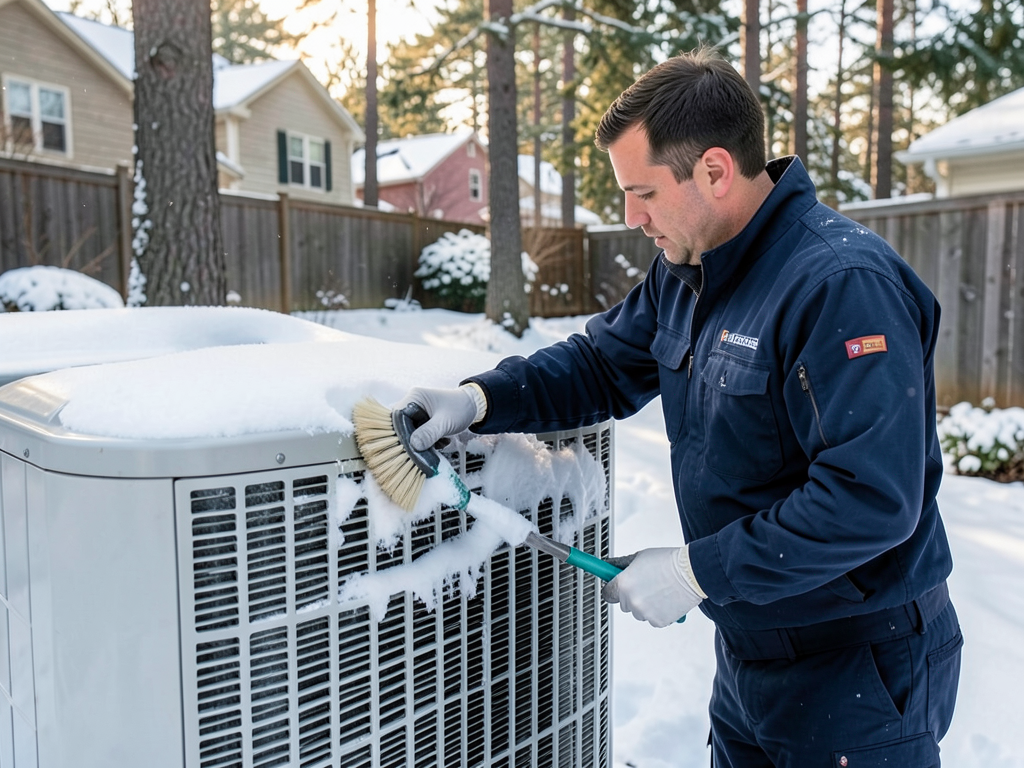
How to Safely Remove Snow and Ice From Your Forest Hills Heat Pump This Winter Living in Forest Hills means…

How to Safely Remove Snow and Ice From Your Forest Hills Heat Pump This Winter

How to Safely Remove Snow and Ice From Your Forest Hills Heat Pump This Winter Living in Forest Hills means…

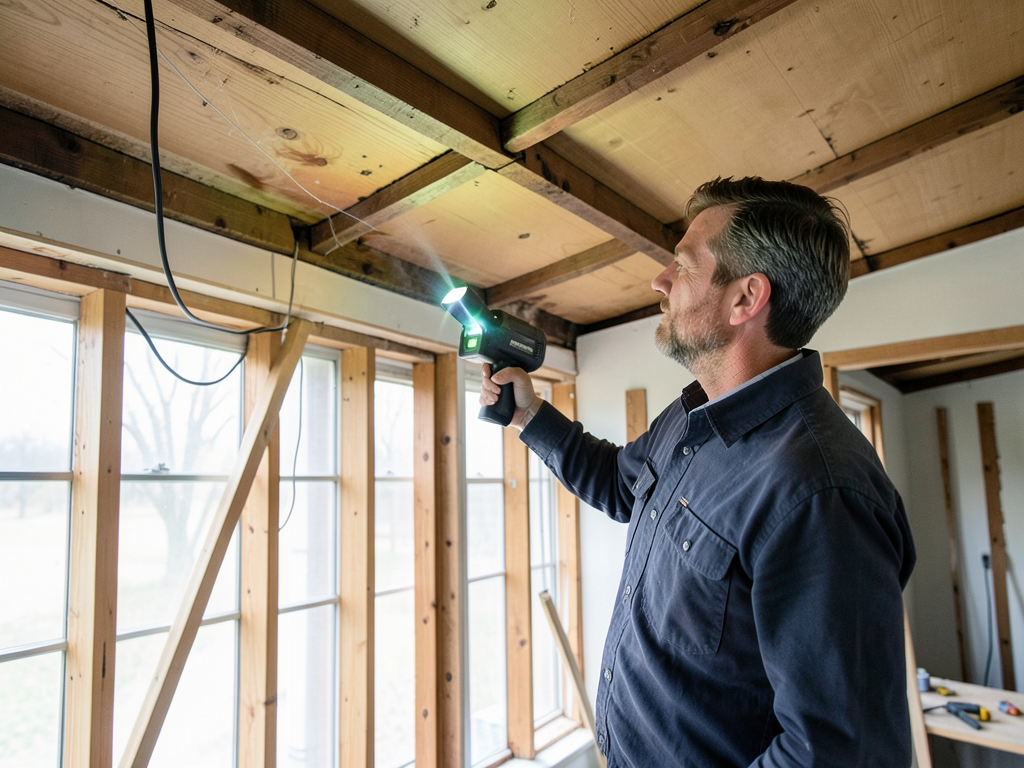
Why the Upstairs Bedrooms in Your Wilkinsburg Home Are Always Ten Degrees Hotter

Why the Upstairs Bedrooms in Your Wilkinsburg Home Are Always Ten Degrees Hotter Walking upstairs on a summer afternoon and…

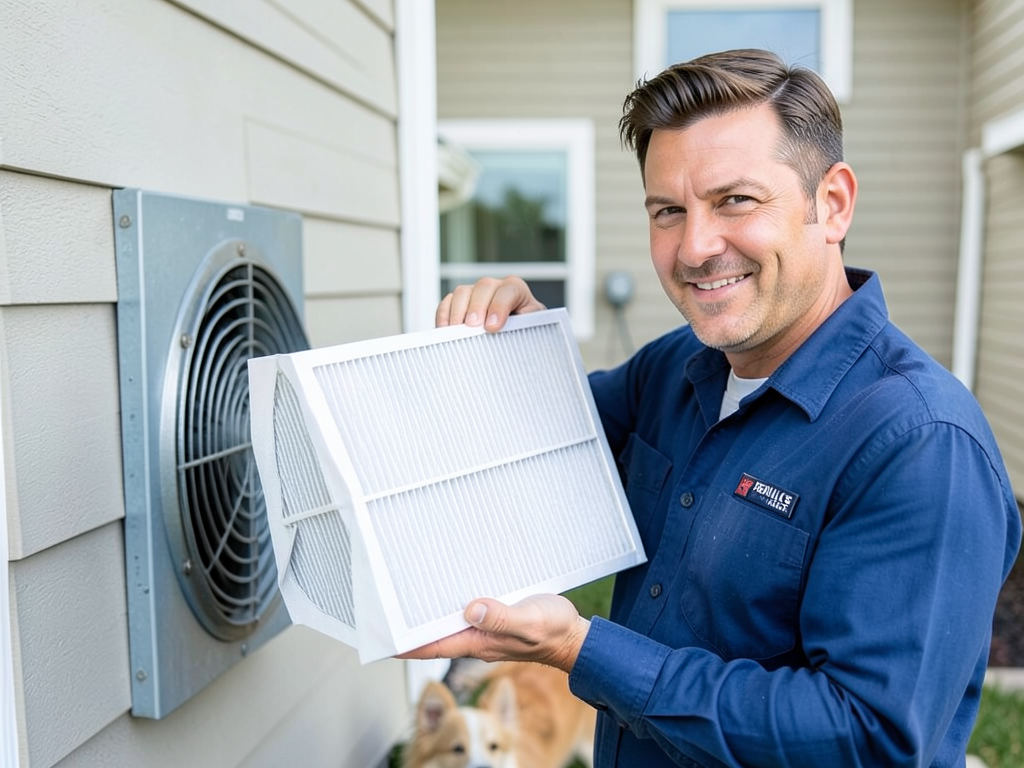
The Best HVAC Filters for Penn Hills Pet Owners Who Are Tired of Fur Everywhere

The Best HVAC Filters for Penn Hills Pet Owners Who Are Tired of Fur Everywhere If you live in Penn…

Contact Us

Call Apex HVAC Pittsburgh at (412) 387-0477 to schedule your no-cost consultation. We evaluate your property, explain equipment options, and provide written pricing. You get expert guidance on the most efficient solution for your space.