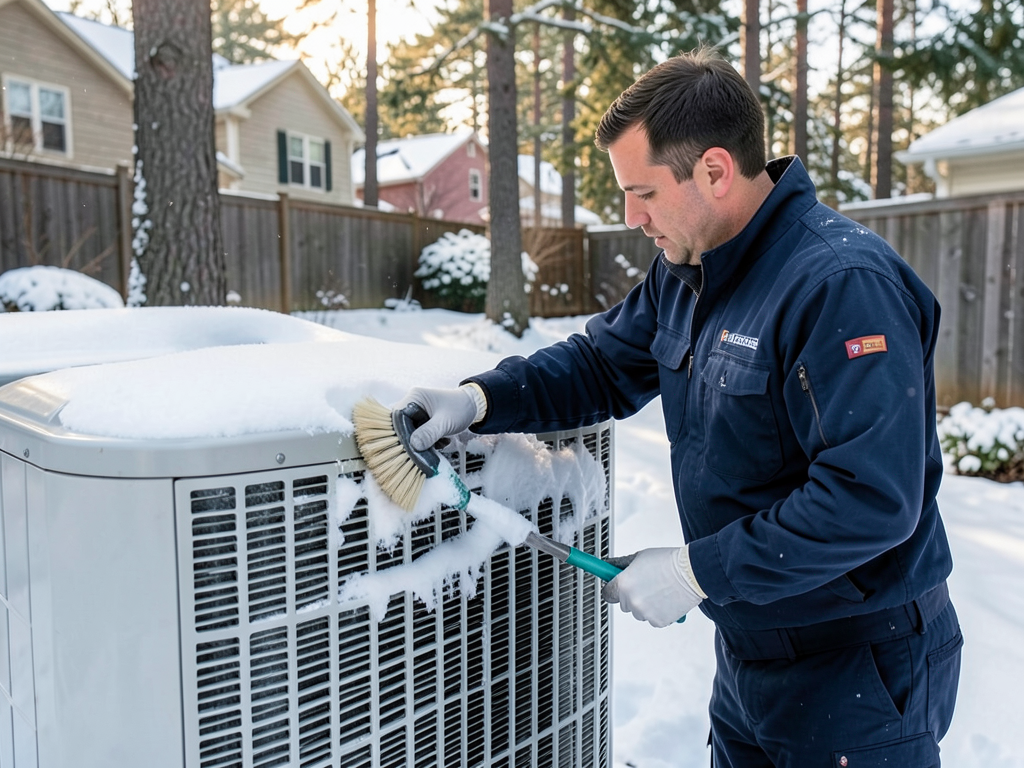
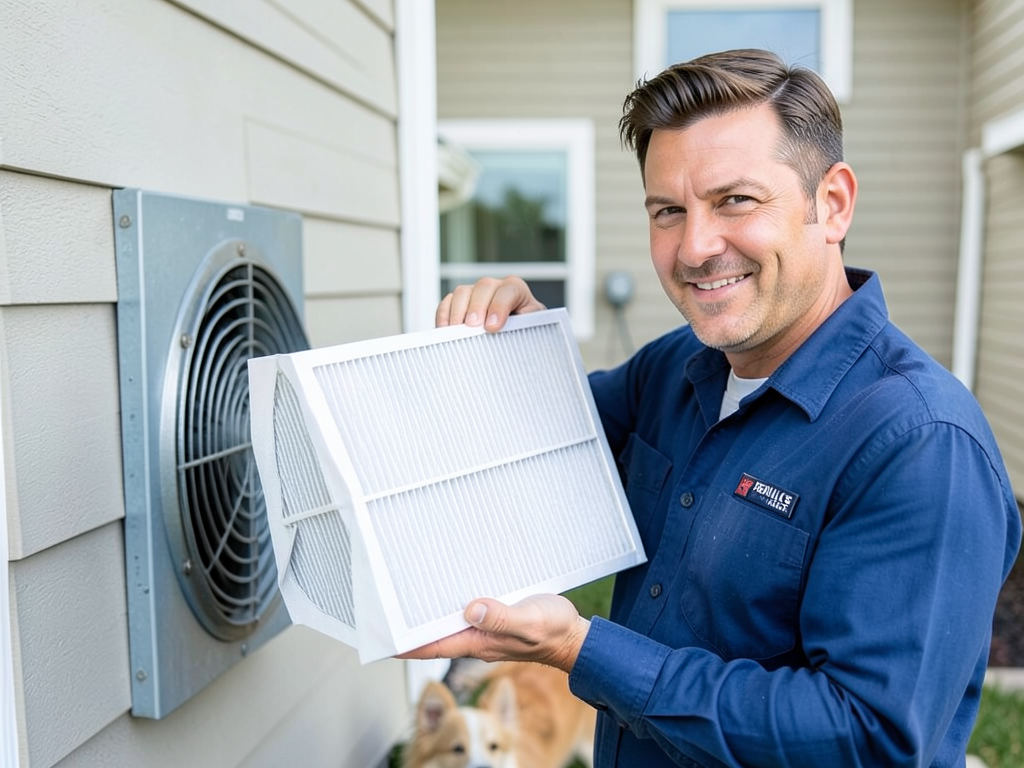
Pittsburgh's dramatic seasonal transitions create filtration challenges that milder climates don't experience. Spring brings heavy pollen from the Monongahela Valley's dense tree coverage, clogging filters in weeks instead of months. Summer humidity causes moisture accumulation in filter media, particularly in homes without proper dehumidification. Fall leaf decay releases mold spores that overwhelm standard residential filters. Winter heating cycles bake accumulated dust into hardened deposits that restrict airflow even after filter replacement. These conditions demand filter media selection based on current season rather than year-round specifications. Properties in microclimates near the rivers or in elevated areas like Mount Washington experience amplified effects requiring more frequent air filter changing service than suburban locations.
Allegheny County's mechanical codes require specific ventilation rates for new construction but provide limited guidance for existing homes. Most Pittsburgh properties built before 1990 have undersized return air systems that create high filter face velocity, reducing filter life and effectiveness. Local HVAC professionals familiar with these limitations design filtration strategies that work within existing infrastructure rather than requiring expensive duct modifications. Understanding Pittsburgh's mix of brick construction, balloon framing, and post-war ranch homes helps us predict where air quality problems develop and how filtration needs differ between architectural styles common to specific neighborhoods.