
Finding a Trusted Local HVAC Contractor for Your Squirrel Hill Renovation
Renovating a historic Squirrel Hill home requires more than just a general contractor. The unique architectural features, aging infrastructure, and specific climate demands of Pittsburgh’s East End neighborhoods demand specialized HVAC expertise. Whether you’re converting a radiator system to forced air or installing ductless mini-splits in a Victorian, working with a contractor who understands the intricacies of Squirrel Hill’s housing stock is essential for a successful renovation. Winterizing Your HVAC System.
Squirrel Hill homes built before 1940 often feature solid masonry walls, plaster ceilings, and no existing ductwork. These characteristics create specific challenges for modern HVAC installation. A trusted local contractor will assess your home’s structural integrity, evaluate existing systems, and recommend solutions that preserve architectural character while delivering modern comfort and efficiency.
The renovation process typically begins with a comprehensive home energy audit. This diagnostic evaluation examines insulation levels, air infiltration points, and current system performance. For Squirrel Hill’s older homes, this step is critical because many properties have never had their HVAC systems properly sized or optimized for Pittsburgh’s humid continental climate.
Working with a licensed HVAC contractor who holds Pennsylvania UCC permits and EPA Section 608 certification ensures your renovation meets all local building codes. The Pennsylvania Uniform Construction Code requires specific permitting for HVAC modifications, particularly when altering existing systems or installing new equipment in historic districts. EPA Section 608 certification.
Understanding Squirrel Hill’s Unique HVAC Challenges
Squirrel Hill’s residential architecture presents distinct HVAC installation challenges. Many homes feature balloon-frame construction with minimal wall cavities, making traditional duct installation difficult without significant structural modification. The neighborhood’s proximity to Frick Park also means homes experience higher humidity levels during summer months, requiring specialized dehumidification strategies.
Older boiler systems are prevalent throughout Squirrel Hill. Converting these systems to modern forced-air heating requires careful planning to maintain consistent comfort levels while improving energy efficiency. A qualified contractor will evaluate whether your existing boiler can be integrated with new ductwork or if complete system replacement makes more sense for your renovation goals.
The area’s hilly terrain affects outdoor unit placement. Properties near Forbes Avenue or Murray Avenue often have limited yard space and specific setback requirements. A local contractor understands these constraints and can recommend compact, high-efficiency equipment that meets both performance needs and local zoning regulations.
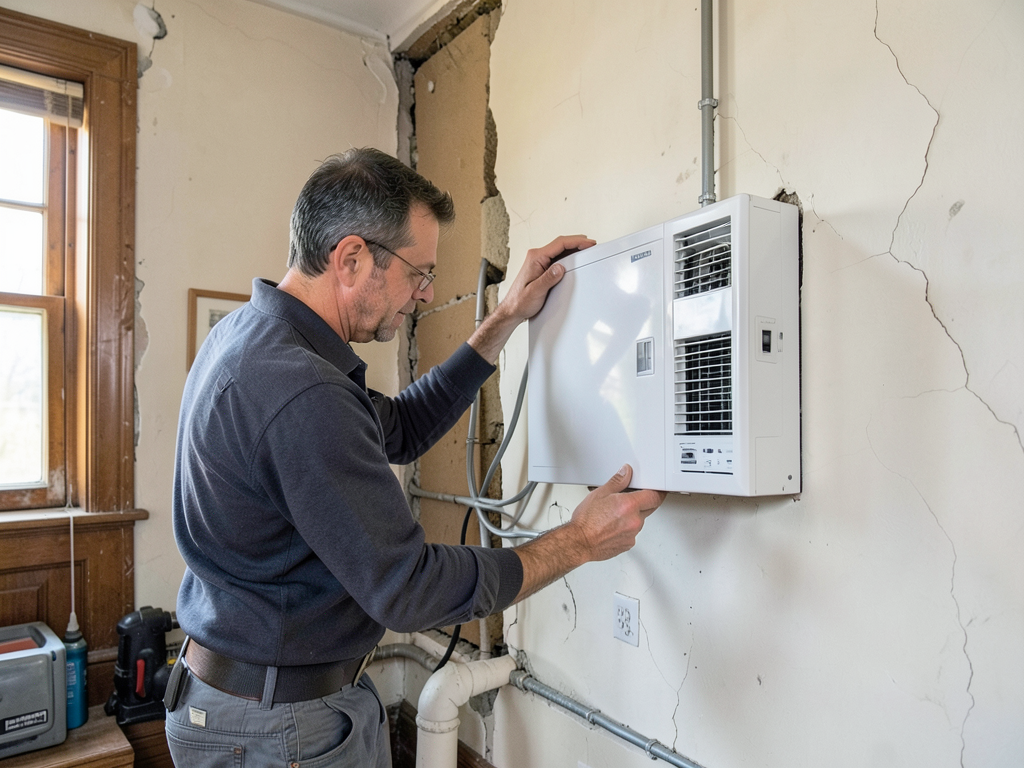
Diagram showing optimal placement of HVAC equipment in historic Squirrel Hill homes with consideration for property lines, noise ordinances, and aesthetic preservation.
Boiler-to-Forced Air Conversions for Historic Homes
Converting a radiator system to forced air represents one of the most common HVAC renovations in Squirrel Hill. This process requires careful evaluation of existing steam or hot water piping, assessment of structural modifications needed for ductwork, and planning for proper air distribution throughout multi-story homes.
The conversion process typically begins with a heat load calculation using Manual J methodology. This calculation considers your home’s square footage, insulation levels, window types, and Pittsburgh’s climate data to determine the appropriate system size. Oversizing is a common mistake that leads to short cycling and reduced efficiency.
During conversion, contractors often discover asbestos-containing materials around older boiler components. Pennsylvania regulations require licensed abatement professionals for safe removal. A trusted contractor will coordinate this process and ensure all hazardous materials are handled according to EPA guidelines. Pennsylvania Uniform Construction Code.
Many Squirrel Hill homeowners choose hybrid systems that maintain existing radiators on the first floor while adding forced air to upper levels. This approach preserves the character of formal living spaces while providing modern cooling and heating to bedrooms and offices. The Homeowners Guide to Replacing an Aging Boiler in Bloomfield.
Ductless Mini-Split Solutions for Preservation
Ductless mini-split systems offer an excellent solution for Squirrel Hill homes where traditional ductwork installation would compromise historic features. These systems use small refrigerant lines routed through walls or ceilings, eliminating the need for large ducts and extensive structural modifications. Understanding Ductless Systems.
High-velocity HVAC systems represent another alternative for homes with limited space. These systems use smaller, more flexible ducts that can be routed through existing wall cavities. While installation costs are higher than conventional systems, they preserve plaster walls and original architectural details.
Modern mini-split systems offer zoning capabilities that address the uneven heating and cooling common in older homes. Each indoor unit can be controlled independently, allowing different temperature settings for various rooms. This feature is particularly valuable in Squirrel Hill’s larger historic homes where heat distribution varies significantly between floors.
Installation considerations include outdoor unit placement, condensate drainage, and electrical service capacity. Squirrel Hill’s mature tree canopy may require strategic positioning to avoid debris accumulation and ensure proper airflow around outdoor units.
Energy Efficiency and Historic Preservation
Energy efficiency upgrades during HVAC renovation must balance modern performance standards with historic preservation requirements. Many Squirrel Hill homes are located within historic districts, requiring approval from the Pittsburgh Historic Review Commission for exterior modifications.
High-efficiency equipment with ENERGY STAR certification can significantly reduce utility costs while maintaining comfortable indoor temperatures. Modern condensing furnaces achieve efficiency ratings above 95%, compared to 60-70% for older equipment. This improvement translates to substantial energy savings for Squirrel Hill homeowners. Emergency Furnace Services for Families Living in Baldwin and Whitehall.
Proper insulation and air sealing complement HVAC upgrades. Many historic homes have minimal insulation in walls and attics, forcing HVAC systems to work harder. A comprehensive renovation approach addresses these building envelope issues alongside equipment upgrades.
Smart thermostats offer another efficiency opportunity. These devices learn occupancy patterns and adjust temperatures automatically, reducing energy consumption when homes are unoccupied. Many models also provide energy usage reports and maintenance alerts.
Navigating Local Permits and Regulations
Squirrel Hill renovations require specific permits from the City of Pittsburgh Department of Permits, Licenses and Inspections. HVAC work typically requires both mechanical and building permits, especially when modifying existing systems or installing new equipment.
The permitting process includes plan review to ensure compliance with Pennsylvania UCC requirements. Contractors must submit detailed drawings showing equipment locations, ductwork routing, and electrical connections. The city may also require energy code compliance documentation for new installations.
Noise ordinances affect outdoor unit placement. Pittsburgh’s noise regulations limit equipment sound levels, particularly for homes near commercial areas along Forbes and Murray avenues. Contractors must select equipment that meets these requirements and position units to minimize noise impact on neighbors.
Historic district regulations may restrict visible equipment placement. While interior modifications typically don’t require historic commission approval, exterior changes like new roof penetrations or visible equipment may need additional review.
Selecting the Right Contractor for Your Project
Choosing an HVAC contractor for your Squirrel Hill renovation requires careful evaluation of experience, licensing, and local knowledge. Look for contractors with specific experience in historic home renovations and proven track records in Pittsburgh’s East End neighborhoods.
Verify contractor licensing through the Pennsylvania Attorney General’s office. Licensed contractors must carry liability insurance and workers’ compensation coverage. Request proof of current insurance and verify license status before signing any contracts.
Ask potential contractors about their experience with similar projects in Squirrel Hill. Request references from homeowners who have completed similar renovations and ask to see photos of completed work. A reputable contractor will gladly provide this information.
Professional certifications indicate specialized knowledge. NATE (North American Technician Excellence) certification demonstrates technical proficiency in HVAC installation and service. EPA Section 608 certification is required for refrigerant handling and indicates compliance with environmental regulations.
Cost Considerations and Investment Factors
HVAC renovation costs vary significantly based on home size, existing conditions, and chosen equipment. Basic system replacements in Squirrel Hill homes typically range from $8,000 to $15,000, while comprehensive renovations with ductwork installation can exceed $25,000.
Several factors influence total project costs. Historic home characteristics like plaster walls and solid masonry construction increase labor costs due to the need for careful demolition and restoration. Complex zoning requirements or difficult access may also add to project expenses.
Energy efficiency incentives can offset some costs. Duquesne Light and Peoples Natural Gas offer rebates for high-efficiency equipment installations. Federal tax credits may also be available for qualifying energy-saving improvements. A knowledgeable contractor will help identify and apply for these programs.
Consider long-term operating costs when evaluating options. Higher-efficiency equipment typically costs more upfront but provides significant energy savings over time. Calculate potential utility savings to determine the best investment for your specific situation.
Project Timeline and Planning Considerations
HVAC renovations typically require 2-4 weeks for complete system replacement, depending on project complexity. Planning should begin 2-3 months before desired completion to allow for equipment selection, permit acquisition, and scheduling.
Permit processing times vary by season and workload. Expect 2-4 weeks for initial review and approval. Some projects may require revisions or additional documentation, extending the timeline. Work with your contractor to develop a realistic schedule that accounts for these variables.
Material lead times have increased in recent years. Custom ductwork, specialty equipment, or items requiring special ordering may take 4-8 weeks for delivery. Early planning helps avoid delays and ensures your project stays on schedule.
Consider temporary heating and cooling solutions during renovation. If your project occurs during extreme weather, discuss options for maintaining comfort while work is underway. Some contractors offer portable equipment rentals for this purpose.
Maintenance and Long-Term Performance
Proper maintenance ensures your renovated HVAC system performs efficiently for years to come. Annual professional maintenance includes cleaning coils, checking refrigerant levels, testing safety controls, and verifying system performance. This service typically costs $150-300 per year.
Filter replacement frequency depends on system type and household conditions. Standard 1-inch filters should be replaced every 1-3 months, while high-efficiency media filters may last 6-12 months. Homes with pets or in areas with high pollen counts may require more frequent changes.
Smart monitoring systems can alert you to performance issues before they become major problems. Many modern systems include Wi-Fi connectivity that allows remote monitoring and control. These features can help identify efficiency problems and optimize system operation.
Understanding your system’s operation helps with troubleshooting. Learn the location of main components, how to change filters, and basic troubleshooting steps. This knowledge can help you identify when professional service is needed.
Frequently Asked Questions
How long does an HVAC renovation typically take in a Squirrel Hill home?
Most complete HVAC renovations in Squirrel Hill homes require 2-4 weeks from start to finish. This timeline includes equipment removal, ductwork installation if needed, new equipment setup, and final testing. Complex projects involving historic preservation considerations may take longer.
Do I need special permits for HVAC work in Squirrel Hill?
Yes, HVAC renovations require permits from the City of Pittsburgh. Mechanical and building permits are typically needed, especially for system modifications or new installations. Historic district properties may have additional requirements. Your contractor should handle permit acquisition as part of the project.
Can I keep my existing radiators while adding air conditioning?
Absolutely. Many Squirrel Hill homeowners choose hybrid systems that maintain existing radiators for heating while adding ductless mini-splits or high-velocity systems for cooling. This approach preserves the character of historic rooms while providing modern comfort throughout the home.
What’s the most energy-efficient option for a historic Squirrel Hill home?
Ductless mini-split systems typically offer the best efficiency for historic homes because they eliminate duct losses and provide zoned heating and cooling. High-efficiency condensing furnaces paired with proper insulation also deliver excellent performance. The best choice depends on your home’s specific characteristics and your comfort preferences.
How do I know if my contractor is qualified for historic home work?
Look for NATE certification, EPA Section 608 certification, and specific experience with historic home renovations in Pittsburgh. Ask for references from similar projects in Squirrel Hill or nearby historic neighborhoods. Verify licensing and insurance through the Pennsylvania Attorney General’s office.
Will new HVAC equipment increase my home’s value?
Yes, modern HVAC systems typically provide good return on investment. Energy-efficient equipment can reduce utility costs by 20-40%, and buyers often pay premiums for homes with updated mechanical systems. In historic homes, proper HVAC renovation can actually enhance value by improving comfort without compromising architectural integrity.
What maintenance is required after installation?
Annual professional maintenance is recommended, including cleaning, inspection, and performance testing. Regular filter changes every 1-3 months help maintain efficiency. Smart thermostats can provide maintenance reminders and performance alerts. Many contractors offer maintenance agreements that include scheduled service visits.
How do I handle asbestos concerns during renovation?
If your home contains asbestos around older boiler components or insulation, it must be handled by licensed abatement professionals. Pennsylvania regulations require specific procedures for asbestos removal. A qualified HVAC contractor will identify potential asbestos-containing materials and coordinate proper abatement before beginning work.
Can I finance my HVAC renovation?
Many HVAC contractors offer financing options through third-party lenders. Additionally, energy efficiency rebates from utility companies and federal tax credits may be available for qualifying equipment. Discuss financing options with your contractor early in the planning process to understand available programs and eligibility requirements.
What should I expect during the installation process?
Expect some disruption to your daily routine during installation. Work areas will be dusty, and some rooms may be inaccessible during certain phases. Professional contractors use dust containment systems and protect finished surfaces. Clear communication about the schedule and any special requirements helps minimize inconvenience.
Technician performing diagnostic testing on a newly installed high-efficiency furnace in a Squirrel Hill historic home, checking airflow, temperature rise, and system performance.
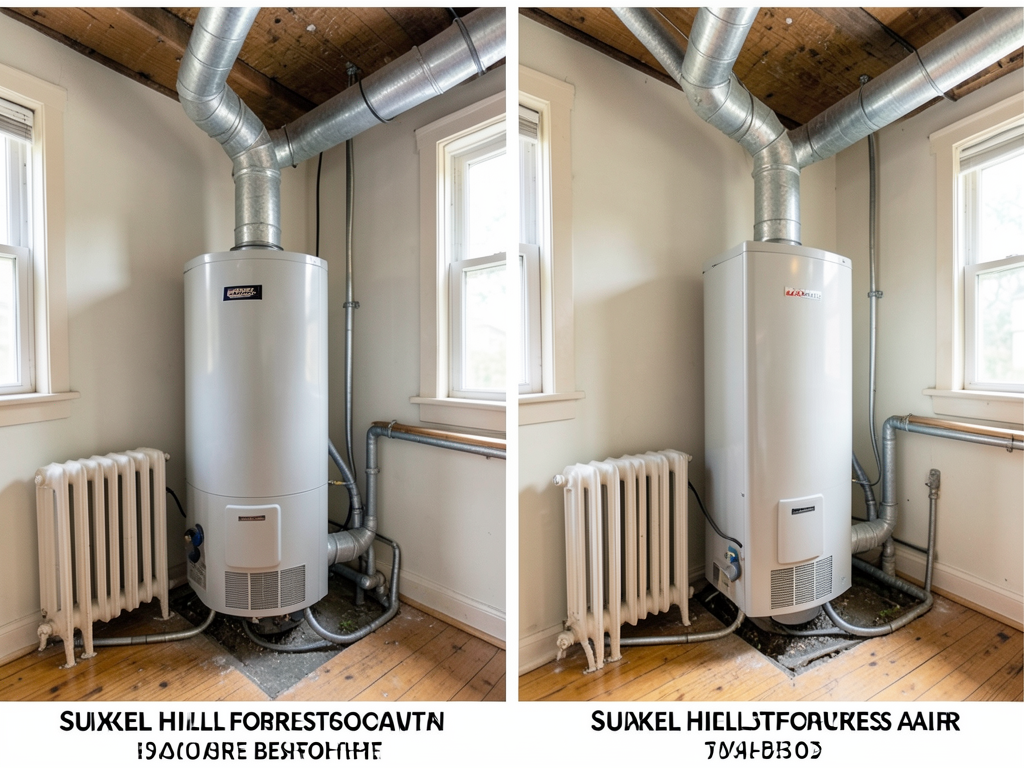
Before and after comparison showing ductwork installation in a Squirrel Hill basement, demonstrating how modern systems can be integrated while preserving historic architectural features.
Ready to Begin Your Squirrel Hill HVAC Renovation?
Renovating your Squirrel Hill home’s HVAC system is a significant investment in comfort, efficiency, and property value. The right contractor will guide you through the process, from initial assessment through final commissioning, ensuring your system meets both your comfort needs and local requirements.
Don’t let outdated heating and cooling systems compromise your renovation plans. Modern HVAC technology offers solutions that preserve historic character while delivering the comfort and efficiency you expect. Whether you’re converting from radiators to forced air or installing ductless cooling in a Victorian, professional expertise makes the difference.
Call (412) 387-0477 today to schedule your consultation. Our experienced technicians understand the unique challenges of Squirrel Hill renovations and can recommend solutions tailored to your specific home and needs. We’ll evaluate your current system, discuss your renovation goals, and provide a detailed proposal for moving forward.
Pick up the phone and call (412) 387-0477 before the next season’s extreme temperatures arrive. Early planning ensures you have time for proper design, permitting, and installation scheduling. Don’t wait until your existing system fails during a Pittsburgh winter or summer heat wave.
Your Squirrel Hill renovation deserves HVAC expertise that understands both modern technology and historic preservation. Contact us today to learn how we can help make your renovation project a success.
{
“@context”: “https://schema.org”,
“@type”: “BlogPosting”,
“headline”: “Finding a Trusted Local HVAC Contractor for Your Squirrel Hill Renovation”,
“description”: “Expert HVAC services for Squirrel Hill renovations. Licensed Pittsburgh contractors specializing in historic home conversions, boiler upgrades, and energy-efficient installations.”,
“wordCount”: 2471,
“datePublished”: “2026-02-22T11:00:00.000Z”,
“dateModified”: “2026-02-22T11:00:00.000Z”,
“inLanguage”: “en-US”,
“mainEntityOfPage”: {
“@type”: “WebPage”,
“@id”: “https://apexhvacpittsburgh.com”
},
“publisher”: {
“@type”: “LocalBusiness”,
“name”: “Apex HVAC Pittsburgh”,
“url”: “https://apexhvacpittsburgh.com”
},
“author”: {
“@type”: “Organization”,
“name”: “Apex HVAC Pittsburgh”,
“url”: “https://apexhvacpittsburgh.com”
},
“image”: {
“@type”: “ImageObject”,
“url”: “https://apexhvacpittsburgh.com/wp-content/uploads/2026/03/finding-a-trusted-local-hvac-contractor-for-your-s-1.png”
}
}
{
“@context”: “https://schema.org”,
“@type”: “HVACBusiness”,
“name”: “Apex HVAC Pittsburgh”,
“url”: “https://apexhvacpittsburgh.com”,
“address”: {
“@type”: “PostalAddress”,
“addressLocality”: “Pittsburgh”
},
“areaServed”: {
“@type”: “City”,
“name”: “Pittsburgh”
}
}
{
“@context”: “https://schema.org”,
“@type”: “FAQPage”,
“mainEntity”: [
{
“@type”: “Question”,
“name”: “How long does an HVAC renovation typically take in a Squirrel Hill home?”,
“acceptedAnswer”: {
“@type”: “Answer”,
“text”: “Most complete HVAC renovations in Squirrel Hill homes require 2-4 weeks from start to finish. This timeline includes equipment removal, ductwork installation if needed, new equipment setup, and final testing. Complex projects involving historic preservation considerations may take longer.”
}
},
{
“@type”: “Question”,
“name”: “Do I need special permits for HVAC work in Squirrel Hill?”,
“acceptedAnswer”: {
“@type”: “Answer”,
“text”: “Yes, HVAC renovations require permits from the City of Pittsburgh. Mechanical and building permits are typically needed, especially for system modifications or new installations. Historic district properties may have additional requirements. Your contractor should handle permit acquisition as part of the project.”
}
},
{
“@type”: “Question”,
“name”: “Can I keep my existing radiators while adding air conditioning?”,
“acceptedAnswer”: {
“@type”: “Answer”,
“text”: “Absolutely. Many Squirrel Hill homeowners choose hybrid systems that maintain existing radiators for heating while adding ductless mini-splits or high-velocity systems for cooling. This approach preserves the character of historic rooms while providing modern comfort throughout the home.”
}
},
{
“@type”: “Question”,
“name”: “What’s the most energy-efficient option for a historic Squirrel Hill home?”,
“acceptedAnswer”: {
“@type”: “Answer”,
“text”: “Ductless mini-split systems typically offer the best efficiency for historic homes because they eliminate duct losses and provide zoned heating and cooling. High-efficiency condensing furnaces paired with proper insulation also deliver excellent performance. The best choice depends on your home’s specific characteristics and your comfort preferences.”
}
},
{
“@type”: “Question”,
“name”: “How do I know if my contractor is qualified for historic home work?”,
“acceptedAnswer”: {
“@type”: “Answer”,
“text”: “Look for NATE certification, EPA Section 608 certification, and specific experience with historic home renovations in Pittsburgh. Ask for references from similar projects in Squirrel Hill or nearby historic neighborhoods. Verify licensing and insurance through the Pennsylvania Attorney General’s office.”
}
},
{
“@type”: “Question”,
“name”: “Will new HVAC equipment increase my home’s value?”,
“acceptedAnswer”: {
“@type”: “Answer”,
“text”: “Yes, modern HVAC systems typically provide good return on investment. Energy-efficient equipment can reduce utility costs by 20-40%, and buyers often pay premiums for homes with updated mechanical systems. In historic homes, proper HVAC renovation can actually enhance value by improving comfort without compromising architectural integrity.”
}
},
{
“@type”: “Question”,
“name”: “What maintenance is required after installation?”,
“acceptedAnswer”: {
“@type”: “Answer”,
“text”: “Annual professional maintenance is recommended, including cleaning, inspection, and performance testing. Regular filter changes every 1-3 months help maintain efficiency. Smart thermostats can provide maintenance reminders and performance alerts. Many contractors offer maintenance agreements that include scheduled service visits.”
}
},
{
“@type”: “Question”,
“name”: “How do I handle asbestos concerns during renovation?”,
“acceptedAnswer”: {
“@type”: “Answer”,
“text”: “If your home contains asbestos around older boiler components or insulation, it must be handled by licensed abatement professionals. Pennsylvania regulations require specific procedures for asbestos removal. A qualified HVAC contractor will identify potential asbestos-containing materials and coordinate proper abatement before beginning work.”
}
},
{
“@type”: “Question”,
“name”: “Can I finance my HVAC renovation?”,
“acceptedAnswer”: {
“@type”: “Answer”,
“text”: “Many HVAC contractors offer financing options through third-party lenders. Additionally, energy efficiency rebates from utility companies and federal tax credits may be available for qualifying equipment. Discuss financing options with your contractor early in the planning process to understand available programs and eligibility requirements.”
}
},
{
“@type”: “Question”,
“name”: “What should I expect during the installation process?”,
“acceptedAnswer”: {
“@type”: “Answer”,
“text”: “Expect some disruption to your daily routine during installation. Work areas will be dusty, and some rooms may be inaccessible during certain phases. Professional contractors use dust containment systems and protect finished surfaces. Clear communication about the schedule and any special requirements helps minimize inconvenience.”
}
},
{
“@type”: “Question”,
“name”: “Ready to Begin Your Squirrel Hill HVAC Renovation?”,
“acceptedAnswer”: {
“@type”: “Answer”,
“text”: “Renovating your Squirrel Hill home’s HVAC system is a significant investment in comfort, efficiency, and property value. The right contractor will guide you through the process, from initial assessment through final commissioning, ensuring your system meets both your comfort needs and local requirements.”
}
}
]
}
{
“@context”: “https://schema.org”,
“@type”: “BreadcrumbList”,
“itemListElement”: [
{
“@type”: “ListItem”,
“position”: 1,
“name”: “Home”,
“item”: “https://apexhvacpittsburgh.com”
},
{
“@type”: “ListItem”,
“position”: 2,
“name”: “Blog”,
“item”: “https://apexhvacpittsburgh.com/blog”
},
{
“@type”: “ListItem”,
“position”: 3,
“name”: “Finding a Trusted Local HVAC Contractor for Your Squirrel Hill Renovation”
}
]
}
{
“@context”: “https://schema.org”,
“@type”: “Service”,
“serviceType”: “HVAC”,
“provider”: {
“@type”: “LocalBusiness”,
“name”: “Apex HVAC Pittsburgh”,
“url”: “https://apexhvacpittsburgh.com”
},
“areaServed”: {
“@type”: “City”,
“name”: “Pittsburgh”
},
“description”: “Expert HVAC services for Squirrel Hill renovations. Licensed Pittsburgh contractors specializing in historic home conversions, boiler upgrades, and energy-efficient installations.”
}