
Finding an HVAC Company That Specializes in Kennedy Township Split Level Homes
Split level homes dominate Kennedy Township’s residential landscape, particularly in neighborhoods near the Montour School District. These homes present unique heating and cooling challenges that generic HVAC companies often struggle to solve. The three-level design creates natural temperature stratification that leaves upper bedrooms sweltering in summer while lower levels remain chilly in winter. NATE Certification.
Kennedy Township experiences Pittsburgh’s classic humid continental climate with four distinct seasons. Summer humidity often exceeds 80% during July and August, while winter temperatures regularly drop below freezing with heavy lake-effect snowfall from Lake Erie. These conditions place extreme demands on HVAC systems, especially in split level homes where ductwork must span multiple floors with varying ceiling heights. Why Your Robinson Township AC Unit is Making Noise and How to Fix It.
Older split levels in Kennedy Township typically feature original ductwork installed decades ago. These systems often suffer from undersized returns, inadequate insulation, and poor airflow distribution. The result is hot and cold spots throughout the home, with upstairs bedrooms feeling like saunas while the basement remains uncomfortably cool. Keeping Your Moon Township Commercial Property Comfortable Year Round.
Local building codes in Allegheny County require specific HVAC modifications for split level homes. The Pennsylvania Uniform Construction Code mandates minimum return air requirements based on square footage and occupancy. Many Kennedy Township split levels were built before these codes existed, creating compliance issues when homeowners attempt upgrades. The Homeowners Guide to Replacing an Aging Boiler in Bloomfield.
Professional HVAC companies serving Kennedy Township understand these regional challenges. They recognize that split level homes require specialized zoning systems, often incorporating multiple thermostats and dampers to achieve balanced temperatures. The best companies also understand local utility rebate programs through Duquesne Light and Peoples Gas that can offset upgrade costs. Winterizing Your HVAC System.
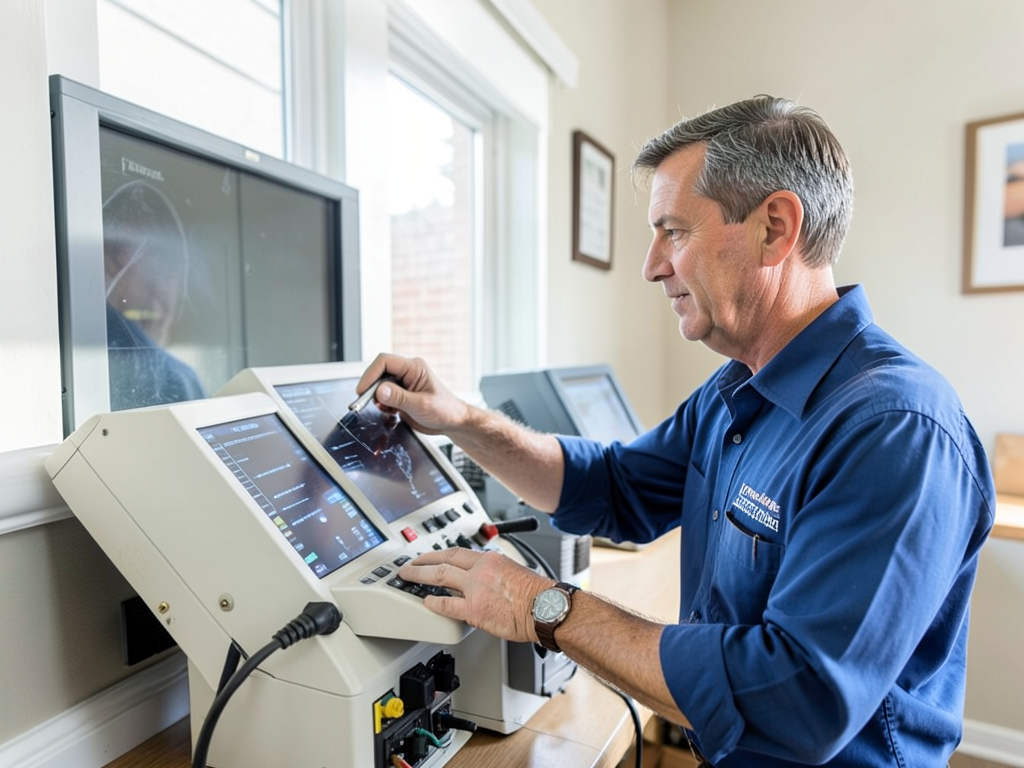
Finding a company with specific split level experience means looking for technicians who can diagnose airflow issues using advanced tools. These professionals use thermal imaging cameras to identify heat loss through walls and ductwork, and airflow meters to measure pressure differentials between floors.
The most effective solutions for Kennedy Township split levels often involve ductless mini-split systems for upper floors, combined with upgraded central systems for main and lower levels. This hybrid approach addresses the fundamental airflow challenges while providing energy-efficient cooling where traditional ductwork cannot reach.
Common HVAC Problems in Kennedy Township Split Level Homes
Split level homes in Kennedy Township face several recurring HVAC issues that stem from their unique architecture. Understanding these problems helps homeowners identify when they need professional help rather than attempting DIY fixes.
The primary issue involves inadequate return air pathways. Split level designs often place bedrooms on upper floors with minimal return air access. This creates negative pressure that pulls unconditioned air through gaps in walls and around windows, reducing system efficiency by up to 30%.
Temperature stratification represents another significant challenge. Heat naturally rises, so upper floors in split level homes become much warmer than lower levels. In winter, this means upstairs bedrooms feel comfortable while downstairs living areas remain cold. During summer, the opposite occurs, creating uncomfortable sleeping conditions.
Many Kennedy Township split levels feature vaulted ceilings on upper floors. These architectural elements increase cubic footage that must be heated or cooled, overwhelming standard HVAC systems designed for conventional ceiling heights. The result is extended run times and higher utility bills.
Duct leakage presents a particularly severe problem in older split level homes. The original ductwork, often installed in the 1970s or 1980s, typically uses inferior materials that deteriorate over time. Studies show that homes with aging ductwork can lose 20-40% of conditioned air through leaks before it reaches living spaces.
Humidity control becomes nearly impossible in split level homes during Pittsburgh’s humid summers. The upper floors trap moisture, creating conditions that promote mold growth and make air feel heavy and uncomfortable. Standard air conditioners cannot remove sufficient moisture when airflow is restricted by the home’s design.
Noise transmission through ductwork represents another common complaint. The open floor plan typical of split levels allows sound to travel freely between levels, so a furnace or air handler located in the basement can create significant noise disturbances in upper living areas. Emergency Furnace Services for Families Living in Baldwin and Whitehall.
Specialized HVAC Solutions for Split Level Architecture
Professional HVAC companies serving Kennedy Township have developed specialized approaches for split level homes that address their unique architectural challenges. These solutions go beyond standard furnace and AC replacements to provide comprehensive comfort improvements.
Zoning systems represent the most effective solution for split level temperature control. These systems use multiple thermostats and motorized dampers to direct airflow where needed most. A typical split level zoning setup includes separate zones for upper bedrooms, main living areas, and lower levels, each controlled independently. EPA Indoor Air Quality.
Ductless mini-split systems offer excellent solutions for upper floor cooling in split level homes. These systems eliminate the need for extensive ductwork while providing individual room control. Modern mini-splits achieve SEER ratings above 20, making them more efficient than many central air systems.
Variable speed equipment has revolutionized split level HVAC performance. Unlike traditional single-speed units that operate at full capacity or not at all, variable speed systems adjust output based on demand. This technology maintains consistent temperatures while reducing energy consumption by 20-30%.
Advanced air purification becomes essential in split level homes where airflow patterns can concentrate pollutants. Whole-house air cleaners with HEPA filtration remove airborne particles that would otherwise circulate throughout the home’s interconnected spaces.
Smart thermostat integration allows homeowners to optimize comfort across multiple levels. These devices learn occupancy patterns and adjust temperatures automatically, reducing energy waste in unoccupied areas while maintaining comfort where people spend time.
Heat recovery ventilators (HRVs) address the ventilation challenges unique to split level homes. These systems exchange stale indoor air with fresh outdoor air while recovering heat energy, improving indoor air quality without sacrificing energy efficiency.
Proper ductwork sizing and sealing becomes critical when upgrading split level HVAC systems. Professional companies use Manual J calculations to determine exact heating and cooling loads, then design ductwork that delivers conditioned air efficiently to all levels.
Diagnostic Testing for Split Level HVAC Performance
Professional HVAC technicians use specific diagnostic tests to evaluate split level system performance. These tests reveal problems that homeowners might not notice but significantly impact comfort and efficiency.
Airflow testing measures the volume of air moving through supply and return ducts. Technicians use anemometers to measure velocity at multiple registers, then calculate cubic feet per minute (CFM) delivery. Inadequate airflow often indicates duct restrictions, undersized equipment, or poor system design.
Static pressure testing evaluates the resistance to airflow within the duct system. High static pressure readings suggest restrictions that force the blower to work harder, reducing efficiency and equipment lifespan. The EPA recommends static pressure below 0.5 inches water column for optimal performance.
Temperature differential testing compares supply and return air temperatures to verify system operation. A properly functioning cooling system should produce a 15-20 degree temperature drop across the evaporator coil. Smaller differentials indicate problems like low refrigerant charge or restricted airflow.
Combustion analysis for gas furnaces ensures safe and efficient operation. Technicians measure carbon monoxide production, oxygen levels, and stack temperature to verify proper burner adjustment. Split level homes often place furnaces in enclosed spaces where proper venting becomes critical.
Thermal imaging reveals hidden problems in split level HVAC systems. These cameras detect temperature variations that indicate duct leaks, insulation gaps, or equipment malfunctions. Cold spots on ductwork often reveal areas where conditioned air escapes before reaching living spaces.
Refrigerant charge verification ensures cooling systems operate at peak efficiency. Technicians use superheat and subcooling measurements to determine if systems contain the correct refrigerant amount. Incorrect charge levels can reduce efficiency by up to 30% and cause premature compressor failure.
Electrical testing evaluates the power consumption and safety of HVAC components. Split level homes often experience voltage drop issues due to long wire runs between floors. Technicians check amperage draw, voltage levels, and capacitor performance to identify electrical problems.
Energy Efficiency Improvements for Kennedy Township Homes
Energy efficiency upgrades for split level homes in Kennedy Township must address the specific challenges of Pittsburgh’s climate and local building stock. These improvements reduce utility costs while improving comfort throughout the home.
Attic insulation upgrades provide immediate energy savings in split level homes. Many Kennedy Township homes have inadequate attic insulation, allowing heat transfer that forces HVAC systems to work harder. Adding R-49 insulation can reduce heating and cooling costs by 15-20%.
Window replacement significantly impacts HVAC efficiency in split level homes. Original single-pane windows allow substantial heat transfer, particularly on upper floors where solar heat gain becomes problematic. Modern double-pane windows with low-E coatings can reduce heat transfer by 50%.
Smart thermostats optimize energy use by learning occupancy patterns and adjusting temperatures automatically. These devices can reduce HVAC energy consumption by 10-15% while improving comfort through predictive temperature adjustments based on weather forecasts.
High-efficiency HVAC equipment provides substantial energy savings when properly sized for split level homes. Modern furnaces achieve AFUE ratings above 95%, while air conditioners reach SEER ratings of 20 or higher. These efficiencies translate directly to lower utility bills.
Air sealing reduces the infiltration of unconditioned air that forces HVAC systems to work harder. Technicians use blower door tests to identify air leaks, then seal gaps around windows, doors, and penetrations through walls and ceilings.
Programmable setback temperatures take advantage of the thermal mass in split level homes. By allowing temperatures to drift slightly when occupants are sleeping or away, these settings reduce HVAC run times without sacrificing comfort.
Local utility rebates through Duquesne Light and Peoples Gas can offset the cost of energy efficiency upgrades. These programs offer incentives for high-efficiency equipment, smart thermostats, and insulation improvements, making upgrades more affordable for Kennedy Township homeowners.
Emergency HVAC Services for Kennedy Township Residents
HVAC emergencies in Kennedy Township split level homes require immediate attention due to the unique comfort challenges these homes present. Professional companies offer 24/7 emergency services specifically tailored to local needs.
Winter heating failures in split level homes create dangerous conditions quickly. The three-level design means that upper floors lose heat rapidly through vaulted ceilings and large window areas. Emergency response teams prioritize split level homes where vulnerable occupants may be present.
Summer cooling failures in Kennedy Township’s humid climate create equally dangerous conditions. Upper floor bedrooms can reach dangerous temperatures within hours, particularly in homes with large south-facing windows. Emergency AC repair teams carry common parts to restore cooling quickly.
Carbon monoxide emergencies require immediate evacuation and professional response. Split level homes with attached garages or basement furnaces need special attention to ensure all levels are safe before occupants can return.
Water damage from frozen pipes or leaking HVAC components demands rapid response to prevent structural damage. Kennedy Township’s freeze-thaw cycles can cause pipes to burst, flooding lower levels of split level homes.
Emergency services include temporary heating or cooling solutions while permanent repairs are completed. Portable heaters, window AC units, or temporary ductwork can restore basic comfort until full system restoration is possible.
Diagnostic fees for emergency calls typically include a thorough system evaluation to identify not just the immediate problem but also underlying issues that could cause future failures. This comprehensive approach prevents repeat emergencies.
Response times for Kennedy Township residents typically range from 30 minutes to 2 hours depending on time of day and current demand. Companies serving this area maintain fully stocked service vehicles to handle most repairs without return trips for parts.
Choosing the Right HVAC Company for Your Split Level Home
Selecting an HVAC company for your Kennedy Township split level home requires evaluating specific qualifications and experience. Not all companies have the expertise needed to address the unique challenges these homes present.
Look for companies with specific split level experience rather than general HVAC contractors. Ask how many split level homes they’ve serviced in the past year and request references from similar properties in your neighborhood.
Verify proper licensing and insurance coverage. Pennsylvania requires HVAC contractors to hold specific licenses, and Kennedy Township may have additional permit requirements for system modifications. Always request proof of current insurance coverage.
Check for NATE certification among technicians. North American Technician Excellence certification indicates advanced training and knowledge of current HVAC technology and best practices for complex installations.
Evaluate the company’s familiarity with local building codes and permit requirements. Kennedy Township and Allegheny County have specific regulations for HVAC installations that affect system design and permitting processes.
Review warranty offerings carefully. Quality companies provide comprehensive warranties on both equipment and labor, with terms that reflect confidence in their workmanship and the products they install.
Assess the company’s emergency service capabilities. Split level homes often require immediate attention when systems fail, so 24/7 availability with local technicians becomes essential.
Request detailed proposals that include system load calculations, equipment specifications, and projected energy savings. Professional companies provide written documentation rather than verbal estimates for significant investments.
Consider the company’s longevity in the Kennedy Township area. Local companies with established reputations have demonstrated ability to handle the specific challenges of Pittsburgh’s climate and housing stock over multiple seasons.
Maintenance Plans for Split Level HVAC Systems
Regular maintenance becomes especially important for split level HVAC systems due to their complexity and the demands placed on components by the home’s design. Professional maintenance plans help prevent costly repairs and extend equipment life.
Seasonal tune-ups should address the specific needs of split level systems. Spring maintenance focuses on cooling components, including coil cleaning, refrigerant charge verification, and airflow testing. Fall maintenance emphasizes heating systems, including combustion analysis and heat exchanger inspection.
Filter replacement schedules must account for the increased dust and pollen levels common in split level homes. The interconnected nature of these homes means that air quality issues in one area quickly affect the entire living space.
Duct cleaning becomes particularly important in split level homes where original ductwork may contain decades of accumulated debris. Professional cleaning every 3-5 years improves airflow and indoor air quality while reducing strain on HVAC equipment.
Blower motor maintenance ensures proper airflow distribution throughout the home’s multiple levels. Split level systems often require more frequent blower cleaning and lubrication due to the extended run times needed to condition all areas.
Thermostat calibration maintains accurate temperature control across different zones. Even small calibration errors can create comfort issues in split level homes where temperature differentials between floors are already challenging to manage.
Safety inspections become critical for split level homes with gas appliances in enclosed spaces. Carbon monoxide testing, gas line inspection, and venting verification protect all levels of the home from potential hazards.
Performance testing during maintenance visits identifies developing problems before they cause system failures. Early detection of issues like refrigerant leaks or failing capacitors prevents emergency breakdowns during extreme weather.
Maintenance plans often include priority scheduling for emergency services, ensuring that split level homeowners receive prompt attention when systems fail during extreme weather conditions.
Local Rebates and Incentives for Kennedy Township Homeowners
Kennedy Township homeowners can access several rebate programs that reduce the cost of HVAC upgrades and improvements. These incentives make energy-efficient improvements more affordable while promoting environmental responsibility.
Duquesne Light offers substantial rebates for high-efficiency HVAC equipment. Homeowners installing furnaces with AFUE ratings above 95% or air conditioners with SEER ratings above 16 can receive rebates of several hundred dollars per unit.
Peoples Gas provides similar incentives for natural gas equipment. High-efficiency furnaces and boilers qualify for rebates that can cover 10-15% of equipment costs, making premium systems more accessible to budget-conscious homeowners.
Federal tax credits remain available for certain energy-efficient improvements. Homeowners can claim credits for qualifying HVAC equipment, insulation upgrades, and energy-efficient windows installed in existing homes.
Pennsylvania’s Act 129 energy efficiency programs offer additional incentives through utility companies. These programs often include rebates for smart thermostats, high-efficiency air conditioners, and other measures that reduce energy consumption.
Local HVAC companies often have relationships with utility rebate programs and can handle the paperwork required to claim incentives. This service simplifies the process for homeowners who might otherwise find rebate applications confusing or time-consuming.
Time-limited promotions through manufacturers can provide additional savings on premium equipment. These promotions often coincide with peak installation seasons and can reduce costs by several hundred dollars on high-end systems.
Energy assessment programs through local utilities provide professional evaluations of home energy use. These assessments identify specific improvements that qualify for rebates and estimate potential energy savings from various upgrades.
Financing options through utility rebate programs can make larger improvements more affordable. Low-interest loans or on-bill financing allow homeowners to spread costs over time while beginning to realize energy savings immediately.
Indoor Air Quality Solutions for Split Level Homes
Indoor air quality becomes particularly important in split level homes where airflow patterns can concentrate pollutants and allergens. Professional solutions address these challenges while improving overall comfort and health.
Whole-house air purification systems remove airborne particles that would otherwise circulate throughout the home’s interconnected spaces. HEPA filtration captures 99.97% of particles 0.3 microns or larger, including pollen, dust mites, and pet dander.
UV germicidal lights installed in ductwork kill bacteria, viruses, and mold spores that pass through the HVAC system. These devices are particularly effective in split level homes where moisture issues in lower levels can promote biological growth.
Humidity control systems maintain optimal moisture levels throughout the year. In Pittsburgh’s humid climate, whole-house dehumidifiers prevent the sticky conditions that make upper floors uncomfortable while reducing the workload on air conditioning systems.
Ventilation improvements address the air exchange challenges in tightly sealed modern homes. Energy recovery ventilators (ERVs) provide fresh air while recovering heat or cooling energy, improving air quality without sacrificing efficiency.
Air quality testing identifies specific pollutants that may be affecting your home. Professional testing can detect elevated levels of carbon dioxide, volatile organic compounds (VOCs), or other contaminants that impact health and comfort.
Smart air quality monitors provide real-time feedback on indoor conditions. These devices track particulate matter, humidity, and VOC levels, allowing homeowners to identify and address air quality issues before they become significant problems.
Regular duct cleaning removes accumulated dust, pollen, and other debris that can affect air quality. Split level homes with original ductwork often benefit from professional cleaning every few years to maintain optimal airflow and air quality.
Air purification becomes especially important for households with allergy sufferers or respiratory conditions. Advanced filtration systems can significantly reduce symptoms by removing triggers from the air throughout the home.
Future Trends in Split Level HVAC Technology
The HVAC industry continues to evolve with new technologies that particularly benefit split level homes. Understanding these trends helps homeowners make informed decisions about system upgrades and replacements.
Artificial intelligence integration allows HVAC systems to learn occupancy patterns and optimize performance automatically. Smart systems can predict heating and cooling needs based on weather forecasts, occupancy sensors, and learned behavior patterns.
Internet of Things (IoT) connectivity enables remote monitoring and control of HVAC systems. Homeowners can adjust temperatures, monitor system performance, and receive alerts about potential issues from anywhere using smartphone apps.
Advanced zoning capabilities are becoming more sophisticated and affordable. Modern zoning systems can create multiple temperature zones throughout split level homes, each controlled independently for optimal comfort and efficiency.
Heat pump technology continues to improve, making these systems viable for Pittsburgh’s climate. Cold-climate heat pumps can now provide efficient heating even when outdoor temperatures drop below zero, potentially replacing traditional furnaces in some applications.
Energy storage integration allows HVAC systems to operate during power outages while reducing peak demand charges. Battery systems can power critical HVAC components during blackouts, maintaining comfort when grid power fails.
Predictive maintenance uses system data to identify potential failures before they occur. Advanced algorithms analyze performance patterns to detect developing issues, allowing proactive repairs that prevent emergency breakdowns.
Geothermal systems are becoming more accessible for residential applications. While installation costs remain high, these systems offer exceptional efficiency and can provide both heating and cooling for split level homes with significant energy savings.
Building integration allows HVAC systems to communicate with other home systems for optimal performance. Smart homes can coordinate HVAC operation with window shading, ceiling fans, and other comfort systems for maximum efficiency.
Frequently Asked Questions
How long does it take to replace an HVAC system in a split level home?
Most split level HVAC replacements take 1-2 days for complete installation. Complex zoning systems or extensive ductwork modifications may require 3-4 days. Professional companies provide detailed timelines before beginning work.
What size HVAC system do I need for my Kennedy Township split level home?
System sizing depends on your home’s square footage, insulation levels, window area, and local climate. Professional load calculations using Manual J methodology determine exact requirements, typically ranging from 2.5 to 5 tons for split level homes in this area.
Are ductless mini-splits worth the investment for upper floor cooling?
Ductless mini-splits often provide excellent ROI for split level upper floors. They eliminate ductwork costs while providing individual room control and high efficiency. Many homeowners recover installation costs through energy savings within 3-5 years.
How often should I replace my HVAC filter in a split level home?
Filter replacement frequency depends on household factors like pets, allergies, and dust levels. Most split level homes need filter changes every 1-3 months. Homes with multiple pets or allergy sufferers may require monthly changes.
Can I install a zoning system in my existing split level HVAC?
Yes, existing systems can often be retrofitted with zoning controls. However, the feasibility depends on your current ductwork design and equipment capacity. Professional evaluation determines whether modifications or equipment upgrades are necessary.
What’s the average lifespan of HVAC equipment in Pittsburgh’s climate?
Well-maintained HVAC equipment typically lasts 15-20 years in Pittsburgh’s climate. However, split level homes with original ductwork may experience more strain, potentially reducing lifespan to 12-15 years without proper maintenance.
How much can I save with a high-efficiency HVAC upgrade?
High-efficiency upgrades typically reduce energy costs by 20-40% compared to older equipment. Exact savings depend on your current system’s efficiency, local utility rates, and how well your home is insulated and sealed.
Do I need permits for HVAC work in Kennedy Township?
Yes, Pennsylvania requires permits for most HVAC installations and major repairs. Kennedy Township may have additional requirements. Professional HVAC companies handle permitting as part of their services.
Conclusion
Finding an HVAC company that specializes in Kennedy Township split level homes requires understanding the unique challenges these homes present. The three-level design, Pittsburgh’s humid climate, and the age of many local properties create specific needs that generic contractors often cannot address effectively.
Professional companies serving this area understand local building codes, utility rebate programs, and the specific performance requirements of split level architecture. They use advanced diagnostic tools to identify problems and design solutions that provide consistent comfort throughout all levels of your home.
The investment in specialized HVAC services for your split level home pays dividends through improved comfort, lower energy bills, and longer equipment life. Whether you need emergency repairs, system replacement, or efficiency upgrades, choosing a company with specific split level experience ensures the best results.
Don’t let HVAC problems compromise your comfort in your Kennedy Township split level home. Call (412) 387-0477 today to schedule your professional evaluation and take the first step toward year-round comfort and efficiency.
{
“@context”: “https://schema.org”,
“@type”: “BlogPosting”,
“headline”: “Finding an HVAC Company That Specializes in Kennedy Township Split Level Homes”,
“description”: “Struggling with uneven heating in your Kennedy Township split level home? Our local HVAC experts understand Pittsburgh’s climate and split-level challenges. Call (412) 387-0477.”,
“wordCount”: 3901,
“datePublished”: “2026-04-22T07:21:00.000Z”,
“dateModified”: “2026-04-22T07:21:00.000Z”,
“inLanguage”: “en-US”,
“mainEntityOfPage”: {
“@type”: “WebPage”,
“@id”: “https://apexhvacpittsburgh.com”
},
“publisher”: {
“@type”: “LocalBusiness”,
“name”: “Apex HVAC Pittsburgh”,
“url”: “https://apexhvacpittsburgh.com”
},
“author”: {
“@type”: “Organization”,
“name”: “Apex HVAC Pittsburgh”,
“url”: “https://apexhvacpittsburgh.com”
},
“image”: {
“@type”: “ImageObject”,
“url”: “https://apexhvacpittsburgh.com/wp-content/uploads/2026/03/finding-an-hvac-company-that-specializes-in-kenned-1.png”
}
}
{
“@context”: “https://schema.org”,
“@type”: “HVACBusiness”,
“name”: “Apex HVAC Pittsburgh”,
“url”: “https://apexhvacpittsburgh.com”,
“address”: {
“@type”: “PostalAddress”,
“addressLocality”: “Pittsburgh”
},
“areaServed”: {
“@type”: “City”,
“name”: “Pittsburgh”
}
}
{
“@context”: “https://schema.org”,
“@type”: “FAQPage”,
“mainEntity”: [
{
“@type”: “Question”,
“name”: “How long does it take to replace an HVAC system in a split level home?”,
“acceptedAnswer”: {
“@type”: “Answer”,
“text”: “Most split level HVAC replacements take 1-2 days for complete installation. Complex zoning systems or extensive ductwork modifications may require 3-4 days. Professional companies provide detailed timelines before beginning work.”
}
},
{
“@type”: “Question”,
“name”: “What size HVAC system do I need for my Kennedy Township split level home?”,
“acceptedAnswer”: {
“@type”: “Answer”,
“text”: “System sizing depends on your home’s square footage, insulation levels, window area, and local climate. Professional load calculations using Manual J methodology determine exact requirements, typically ranging from 2.5 to 5 tons for split level homes in this area.”
}
},
{
“@type”: “Question”,
“name”: “Are ductless mini-splits worth the investment for upper floor cooling?”,
“acceptedAnswer”: {
“@type”: “Answer”,
“text”: “Ductless mini-splits often provide excellent ROI for split level upper floors. They eliminate ductwork costs while providing individual room control and high efficiency. Many homeowners recover installation costs through energy savings within 3-5 years.”
}
},
{
“@type”: “Question”,
“name”: “How often should I replace my HVAC filter in a split level home?”,
“acceptedAnswer”: {
“@type”: “Answer”,
“text”: “Filter replacement frequency depends on household factors like pets, allergies, and dust levels. Most split level homes need filter changes every 1-3 months. Homes with multiple pets or allergy sufferers may require monthly changes.”
}
},
{
“@type”: “Question”,
“name”: “Can I install a zoning system in my existing split level HVAC?”,
“acceptedAnswer”: {
“@type”: “Answer”,
“text”: “Yes, existing systems can often be retrofitted with zoning controls. However, the feasibility depends on your current ductwork design and equipment capacity. Professional evaluation determines whether modifications or equipment upgrades are necessary.”
}
},
{
“@type”: “Question”,
“name”: “What’s the average lifespan of HVAC equipment in Pittsburgh’s climate?”,
“acceptedAnswer”: {
“@type”: “Answer”,
“text”: “Well-maintained HVAC equipment typically lasts 15-20 years in Pittsburgh’s climate. However, split level homes with original ductwork may experience more strain, potentially reducing lifespan to 12-15 years without proper maintenance.”
}
},
{
“@type”: “Question”,
“name”: “How much can I save with a high-efficiency HVAC upgrade?”,
“acceptedAnswer”: {
“@type”: “Answer”,
“text”: “High-efficiency upgrades typically reduce energy costs by 20-40% compared to older equipment. Exact savings depend on your current system’s efficiency, local utility rates, and how well your home is insulated and sealed.”
}
},
{
“@type”: “Question”,
“name”: “Do I need permits for HVAC work in Kennedy Township?”,
“acceptedAnswer”: {
“@type”: “Answer”,
“text”: “Yes, Pennsylvania requires permits for most HVAC installations and major repairs. Kennedy Township may have additional requirements. Professional HVAC companies handle permitting as part of their services.”
}
}
]
}
{
“@context”: “https://schema.org”,
“@type”: “BreadcrumbList”,
“itemListElement”: [
{
“@type”: “ListItem”,
“position”: 1,
“name”: “Home”,
“item”: “https://apexhvacpittsburgh.com”
},
{
“@type”: “ListItem”,
“position”: 2,
“name”: “Blog”,
“item”: “https://apexhvacpittsburgh.com/blog”
},
{
“@type”: “ListItem”,
“position”: 3,
“name”: “Finding an HVAC Company That Specializes in Kennedy Township Split Level Homes”
}
]
}
{
“@context”: “https://schema.org”,
“@type”: “Service”,
“serviceType”: “HVAC”,
“provider”: {
“@type”: “LocalBusiness”,
“name”: “Apex HVAC Pittsburgh”,
“url”: “https://apexhvacpittsburgh.com”
},
“areaServed”: {
“@type”: “City”,
“name”: “Pittsburgh”
},
“description”: “Struggling with uneven heating in your Kennedy Township split level home? Our local HVAC experts understand Pittsburgh’s climate and split-level challenges. Call (412) 387-0477.”
}