
Finding an HVAC Contractor Who Understands Manchester Historic District Rules
Installing a modern heating and cooling system in a Manchester historic district home requires specialized knowledge of Pittsburgh’s preservation guidelines. The Manchester Historic District contains over 700 Victorian and Italianate brick row houses built between 1860 and 1900, each presenting unique challenges for HVAC contractors who must balance comfort with architectural integrity. Pittsburgh Historic Review Commission.
Manchester homeowners face strict oversight from the Pittsburgh Historic Review Commission (HRC) when making exterior modifications. Understanding these regulations before starting your HVAC project can save you from costly fines, project delays, and the heartbreak of having to remove equipment that wasn’t properly approved. The Homeowners Guide to Replacing an Aging Boiler in Bloomfield.
Understanding Pittsburgh’s Historic Review Commission Guidelines
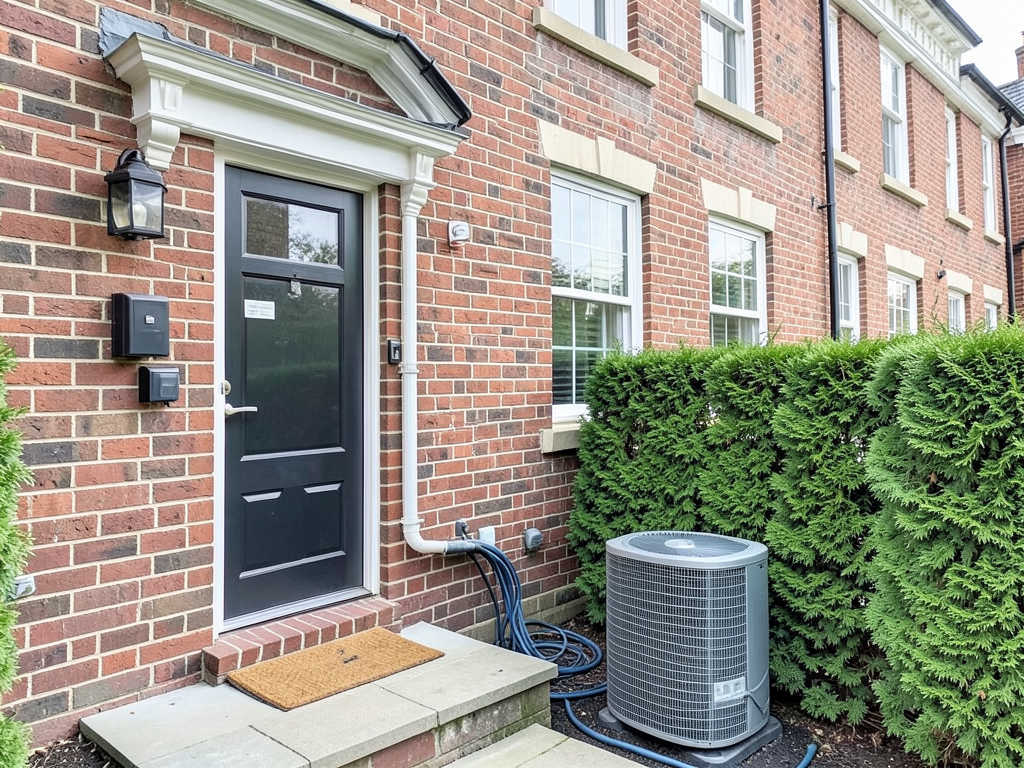
The Pittsburgh Historic Review Commission enforces preservation standards for properties within designated historic districts. Manchester homeowners must obtain a Certificate of Appropriateness before installing any exterior HVAC equipment, including condensers, heat pump units, or high-velocity air handlers.
The HRC evaluates proposals based on several criteria:
- Visual impact on the historic streetscape
- Preservation of original architectural features
- Material compatibility with existing building elements
- Placement that minimizes visibility from public rights-of-way
Applications require detailed drawings showing equipment dimensions, color specifications, and screening plans. The commission meets monthly, and approval typically takes 30-45 days. Starting installation without proper permits can result in fines up to $500 per day and mandatory removal of non-compliant equipment.
Manchester’s Unique Architectural Challenges
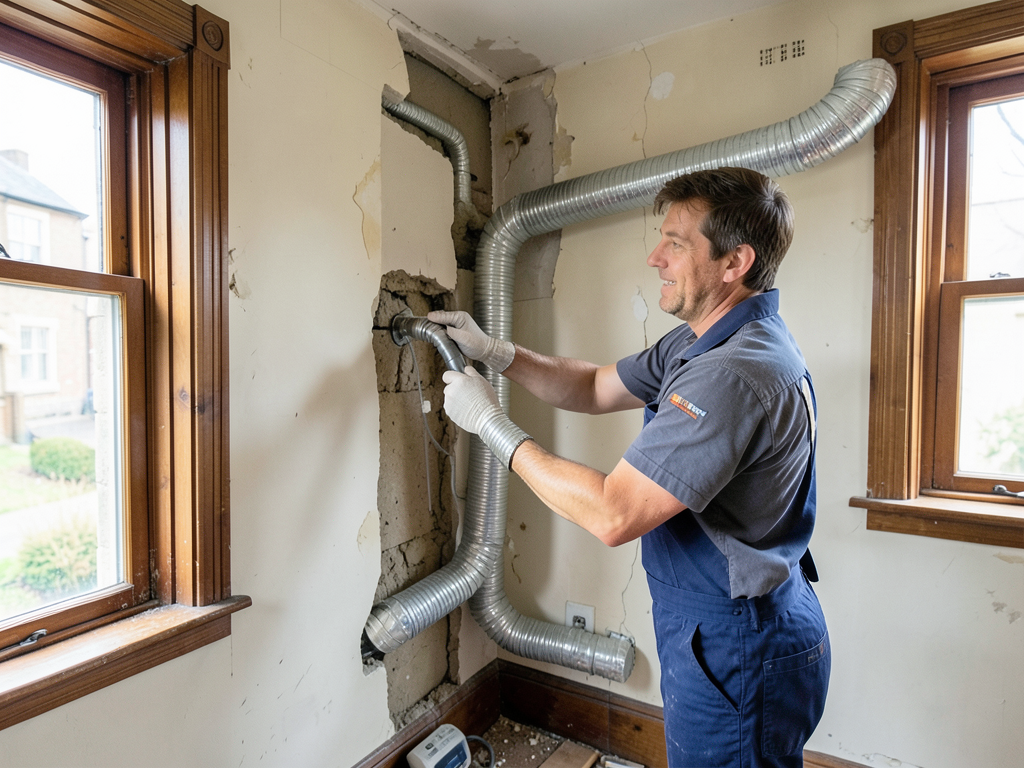
Manchester’s 19th-century brick construction creates specific HVAC installation challenges that require specialized expertise. The district’s homes feature solid masonry walls typically 12-16 inches thick, with no existing ductwork in most cases. Original plaster walls, crown molding, and decorative ceiling medallions demand careful preservation during retrofitting.
High ceilings common in Manchester homes (often 10-12 feet) affect airflow patterns and equipment sizing calculations. The dense brick construction provides excellent insulation but also creates thermal mass that takes longer to heat or cool, requiring properly sized equipment and strategic zoning.
Many Manchester homes lack attic spaces suitable for traditional ductwork installation. Contractors must work within tight floor cavities, behind knee walls, or through existing chases without compromising structural integrity or historic character.
High-Velocity HVAC Systems for Historic Preservation
High-velocity HVAC systems like Unico and SpacePak offer ideal solutions for Manchester’s historic homes. These systems use flexible, insulated mini-ducts only 2 inches in diameter that can snake through existing wall cavities without removing plaster or damaging original woodwork. Winterizing Your HVAC System.
High-velocity systems operate at higher air speeds (typically 1,000-1,200 feet per minute) compared to conventional systems (around 500 feet per minute). This allows smaller ducts to deliver the same heating and cooling capacity while maintaining quiet operation and even temperature distribution.
The compact air handlers fit in closets, utility rooms, or even basement corners, eliminating the need for large mechanical rooms that would compromise living space. Supply outlets are available in paintable plastic or custom wood grilles that blend with historic interiors.
Ductless Mini-Split Solutions for Manchester Homes
Ductless mini-split heat pumps provide another preservation-friendly option for Manchester homeowners. These systems consist of an outdoor condenser connected to one or more indoor air handlers via small refrigerant lines that require only a 3-inch wall penetration. Understanding Ductless Systems.
Modern mini-splits offer heating capabilities down to -15°F, making them suitable for Pittsburgh’s cold winters while providing efficient cooling during humid summers. The indoor units come in various styles, including low-profile ceiling cassettes and wall-mounted units with designer finishes.
For Manchester’s historic character, contractors can install decorative line-set covers that match existing trim or create custom enclosures that blend with original woodwork. The small outdoor units can be positioned behind evergreen plantings or within custom-built screen enclosures that satisfy HRC requirements.
Navigating the Certificate of Appropriateness Process
The Certificate of Appropriateness application process requires specific documentation and strategic planning. Start by consulting with a contractor experienced in Manchester’s historic district requirements before designing your system.
Your application should include:
- Detailed site plan showing equipment locations relative to property lines
- Elevation drawings from all visible angles
- Material specifications for any screening or enclosures
- Photographs of proposed installation areas
- Written justification for equipment placement and design choices
The HRC particularly scrutinizes proposals that affect front facades or are visible from public streets. Equipment should be positioned on rear or side elevations whenever possible. When front placement is unavoidable, creative screening solutions using materials that match the home’s character can improve approval chances.
Case Studies: Successful HVAC Installations in Manchester
Several Manchester homeowners have successfully navigated the HRC process with preservation-sensitive HVAC installations. On Beech Avenue, a homeowner installed a high-velocity system with all exterior components hidden behind a custom cedar screen that matches the home’s historic porch detailing.
A Liverpool Street residence used ductless mini-splits with ceiling cassettes that maintain the home’s Victorian character while providing modern comfort. The contractor worked with a preservation architect to design line-set covers that complement existing crown molding profiles.. Read more about Replacing Your Old Boiler in an Etna Victorian Without Tearing Out the Walls.
On Juniata Street, a homeowner replaced an aging boiler with a high-efficiency heat pump system. The installation required HRC approval for new exterior wall penetrations, which were carefully detailed to maintain the brick facade’s integrity and appearance.
Energy Efficiency and Historic Preservation
Modern HVAC systems can significantly reduce energy consumption in Manchester’s historic homes while maintaining their architectural character. High-efficiency heat pumps with SEER ratings of 18+ provide cooling at a fraction of the energy cost of older window units.
Variable-speed compressors adjust output to match actual heating and cooling demands, eliminating the temperature swings common in older systems. This technology works particularly well in Manchester’s thermal mass construction, providing consistent comfort without short cycling.
Smart thermostats with geofencing capabilities can further optimize energy use by adjusting temperatures based on occupancy patterns. These devices install without visible modifications to historic interiors and can be programmed to maintain appropriate temperatures for historic materials.
Preserving Indoor Air Quality in Historic Homes
Manchester’s historic homes often suffer from poor indoor air quality due to their construction methods and age. Modern HVAC systems can address these issues while preserving historic integrity.
High-efficiency particulate air (HEPA) filtration systems integrated with new HVAC equipment remove allergens, dust, and other particulates without requiring modifications to historic interiors. UV light systems installed in air handlers kill mold spores and bacteria, addressing common moisture issues in older homes.
Energy recovery ventilators (ERVs) provide fresh air exchange without sacrificing energy efficiency. These systems transfer heat and moisture between incoming and outgoing air streams, maintaining comfort while improving indoor air quality in Manchester’s tightly sealed historic envelopes.
Cost Considerations for Historic District HVAC Projects
Installing HVAC in Manchester’s historic homes typically costs 15-30% more than in modern construction due to specialized requirements and preservation considerations. However, several factors can offset these additional costs.
The Federal Historic Preservation Tax Credit program offers a 20% tax credit for certified rehabilitation expenses, including HVAC system upgrades that meet preservation standards. Pennsylvania also offers state-level tax credits for historic preservation projects.
High-efficiency systems reduce monthly utility costs by 30-50% compared to older equipment. The improved comfort and air quality also increase property values, with studies showing that energy-efficient upgrades in historic districts can boost resale values by 5-10%.
Choosing the Right Contractor for Manchester’s Historic Homes
Not all HVAC contractors possess the expertise needed for Manchester’s historic district requirements. Look for contractors with specific experience in historic preservation projects and demonstrated knowledge of HRC guidelines.
Qualified contractors should hold NATE (North American Technician Excellence) certification and have EPA Section 608 certification for refrigerant handling. They should also carry appropriate liability insurance and workers’ compensation coverage for work in historic structures.
Ask potential contractors for references from other Manchester homeowners and examples of their work within the historic district. A reputable contractor will be familiar with local preservation architects and can coordinate with them on complex projects.
Maintenance Considerations for Historic Home HVAC Systems
Historic home HVAC systems require specialized maintenance to ensure longevity and performance. The dense masonry construction and unique installation methods demand technicians who understand these specific requirements.
Annual maintenance should include inspection of all historic fabric around installation points, checking for any signs of moisture intrusion or structural movement. The high-velocity ducts in older homes may require specialized cleaning equipment that won’t damage the flexible tubing.
Smart diagnostic tools can monitor system performance and alert homeowners to potential issues before they become major problems. These systems are particularly valuable in Manchester’s historic homes where early detection of issues can prevent damage to irreplaceable architectural features.
Future-Proofing Your Historic Home’s HVAC System
Technology continues to advance, offering new opportunities for improving comfort in historic homes while maintaining preservation standards. When planning your HVAC installation, consider future upgrade paths and system expandability.
Modern high-efficiency systems often include provisions for future integration with solar panels or battery storage systems. This forward-thinking approach can position your Manchester home for future energy independence while maintaining its historic character.
Smart home integration capabilities allow for remote monitoring and control of your HVAC system, providing peace of mind when you’re away from your historic Manchester residence. These systems can also help identify usage patterns that might indicate developing issues.
Frequently Asked Questions
Do I need special permits for HVAC installation in Manchester?
Yes, you need a Certificate of Appropriateness from the Pittsburgh Historic Review Commission for any exterior HVAC equipment. Interior modifications typically don’t require HRC approval but may need standard building permits from the City of Pittsburgh.
How long does the HRC approval process take?
The HRC meets monthly, and approval typically takes 30-45 days from application submission. Complex projects may require revisions and additional meetings, extending the timeline to 60-90 days.
Can I install a traditional central air system in my Manchester home?
While possible, traditional central air systems often require extensive modifications to historic interiors. High-velocity or ductless systems are usually more appropriate for preserving Manchester’s architectural character.
Take the Next Step Toward Comfort in Your Historic Manchester Home
Installing the right HVAC system in your Manchester historic district home requires expertise in both modern climate control technology and historic preservation guidelines. The wrong approach can lead to expensive fines, project delays, and damage to your home’s irreplaceable architectural features.
Call (412) 387-0477 today to schedule a consultation with our team of HVAC professionals who understand Manchester’s unique requirements. We’ll evaluate your home’s specific needs, navigate the HRC approval process on your behalf, and design a system that provides modern comfort while preserving your home’s historic character.
Don’t wait until another Pittsburgh summer or winter tests your home’s outdated heating and cooling system. Pick up the phone and call (412) 387-0477 before the next season arrives. Our Manchester historic district expertise ensures your project proceeds smoothly from initial design through final installation and beyond.
Your historic Manchester home deserves an HVAC solution that respects its architectural heritage while providing the comfort you expect. Contact us today to discover how we can help you achieve both goals with a single, well-designed system installation. For more information, visit National Park Service Preservation Briefs.
{
“@context”: “https://schema.org”,
“@type”: “BlogPosting”,
“headline”: “Finding an HVAC Contractor Who Understands Manchester Historic District Rules”,
“description”: “Discover how to navigate Manchester’s historic preservation guidelines for HVAC installation. Learn about HRC compliance, high-velocity systems, and finding qualified local contractors.”,
“wordCount”: 1840,
“datePublished”: “2026-04-16T11:17:00.000Z”,
“dateModified”: “2026-04-16T11:17:00.000Z”,
“inLanguage”: “en-US”,
“mainEntityOfPage”: {
“@type”: “WebPage”,
“@id”: “https://apexhvacpittsburgh.com”
},
“publisher”: {
“@type”: “LocalBusiness”,
“name”: “Apex HVAC Pittsburgh”,
“url”: “https://apexhvacpittsburgh.com”
},
“author”: {
“@type”: “Organization”,
“name”: “Apex HVAC Pittsburgh”,
“url”: “https://apexhvacpittsburgh.com”
},
“image”: {
“@type”: “ImageObject”,
“url”: “https://apexhvacpittsburgh.com/wp-content/uploads/2026/03/finding-an-hvac-contractor-who-understands-manches-1.png”
}
}
{
“@context”: “https://schema.org”,
“@type”: “HVACBusiness”,
“name”: “Apex HVAC Pittsburgh”,
“url”: “https://apexhvacpittsburgh.com”,
“address”: {
“@type”: “PostalAddress”,
“addressLocality”: “Pittsburgh”
},
“areaServed”: {
“@type”: “City”,
“name”: “Pittsburgh”
}
}
{
“@context”: “https://schema.org”,
“@type”: “FAQPage”,
“mainEntity”: [
{
“@type”: “Question”,
“name”: “Do I need special permits for HVAC installation in Manchester?”,
“acceptedAnswer”: {
“@type”: “Answer”,
“text”: “Yes, you need a Certificate of Appropriateness from the Pittsburgh Historic Review Commission for any exterior HVAC equipment. Interior modifications typically don’t require HRC approval but may need standard building permits from the City of Pittsburgh.”
}
},
{
“@type”: “Question”,
“name”: “How long does the HRC approval process take?”,
“acceptedAnswer”: {
“@type”: “Answer”,
“text”: “The HRC meets monthly, and approval typically takes 30-45 days from application submission. Complex projects may require revisions and additional meetings, extending the timeline to 60-90 days.”
}
},
{
“@type”: “Question”,
“name”: “Can I install a traditional central air system in my Manchester home?”,
“acceptedAnswer”: {
“@type”: “Answer”,
“text”: “While possible, traditional central air systems often require extensive modifications to historic interiors. High-velocity or ductless systems are usually more appropriate for preserving Manchester’s architectural character.”
}
}
]
}
{
“@context”: “https://schema.org”,
“@type”: “BreadcrumbList”,
“itemListElement”: [
{
“@type”: “ListItem”,
“position”: 1,
“name”: “Home”,
“item”: “https://apexhvacpittsburgh.com”
},
{
“@type”: “ListItem”,
“position”: 2,
“name”: “Blog”,
“item”: “https://apexhvacpittsburgh.com/blog”
},
{
“@type”: “ListItem”,
“position”: 3,
“name”: “Finding an HVAC Contractor Who Understands Manchester Historic District Rules”
}
]
}
{
“@context”: “https://schema.org”,
“@type”: “Service”,
“serviceType”: “HVAC”,
“provider”: {
“@type”: “LocalBusiness”,
“name”: “Apex HVAC Pittsburgh”,
“url”: “https://apexhvacpittsburgh.com”
},
“areaServed”: {
“@type”: “City”,
“name”: “Pittsburgh”
},
“description”: “Discover how to navigate Manchester’s historic preservation guidelines for HVAC installation. Learn about HRC compliance, high-velocity systems, and finding qualified local contractors.”
}