
Five Signs Your West Mifflin Air Conditioner Compressor is About to Give Out
Your air conditioner works hard during Pittsburgh’s humid summers but the compressor can fail without warning. A failing compressor often shows specific symptoms before it stops working completely. Knowing these signs can help you avoid a complete system breakdown and the discomfort of losing cooling when you need it most. Winterizing Your HVAC System.
West Mifflin homeowners face unique challenges with their HVAC systems. The Monongahela Valley’s high humidity levels and seasonal temperature swings put extra stress on compressors. Many homes in the area have older systems that have been running for years without proper maintenance. When a compressor starts to fail you might notice strange noises reduced cooling power or even tripped circuit breakers. The Homeowners Guide to Replacing an Aging Boiler in Bloomfield.
Acting quickly when you spot these warning signs can save you from a complete system replacement. Sometimes a simple repair like replacing a capacitor or adding a hard start kit can extend your compressor’s life for years. Other times the damage is too severe and replacement becomes the only option. Understanding what to look for helps you make the right decision before you lose cooling on a hot summer day. EPA Section 608 Certification.
Strange Noises Coming from Your Outdoor Unit
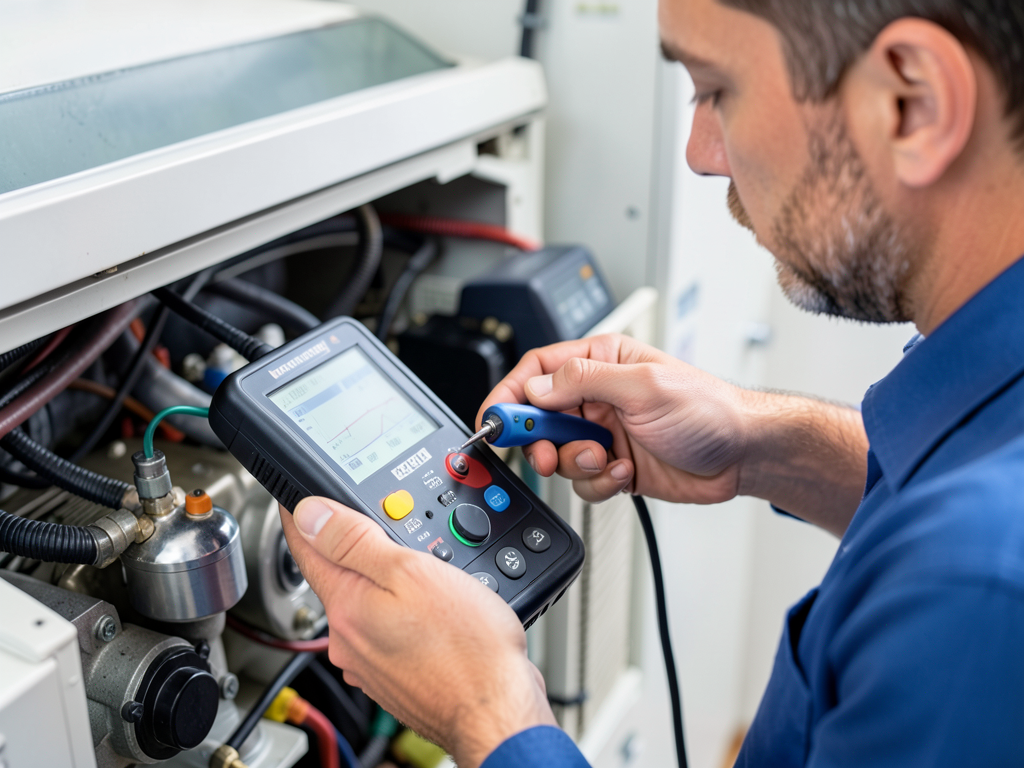
A healthy air conditioner makes a steady humming sound when it runs. When you hear grinding rattling or clicking noises something is wrong. These sounds often mean internal compressor parts are wearing out or breaking loose.
Grinding noises usually indicate failing bearings inside the compressor motor. These bearings support the motor shaft and allow it to spin smoothly. When they wear out the motor struggles to turn and makes a metal-on-metal grinding sound. This is a serious problem that often means the compressor needs replacement.
Clicking sounds when the unit tries to start point to electrical problems. The compressor may be trying to start but cannot due to a failing start capacitor or relay. You might hear a click click click pattern as the compressor repeatedly tries to start and fails. This is called hard starting and it puts extra stress on the entire system.
Rattling noises can mean loose parts inside the compressor or mounting brackets that have come loose. Sometimes debris gets inside the outdoor unit and hits the fan or compressor. While rattling might seem less serious than grinding it still indicates a problem that needs attention.
West Mifflin homes near industrial areas like the former Century III Mall site may experience more debris problems due to nearby construction or traffic. The compressor’s protective casing can develop gaps over time allowing dust and small objects to enter.
Warm Air Blowing from Your Vents
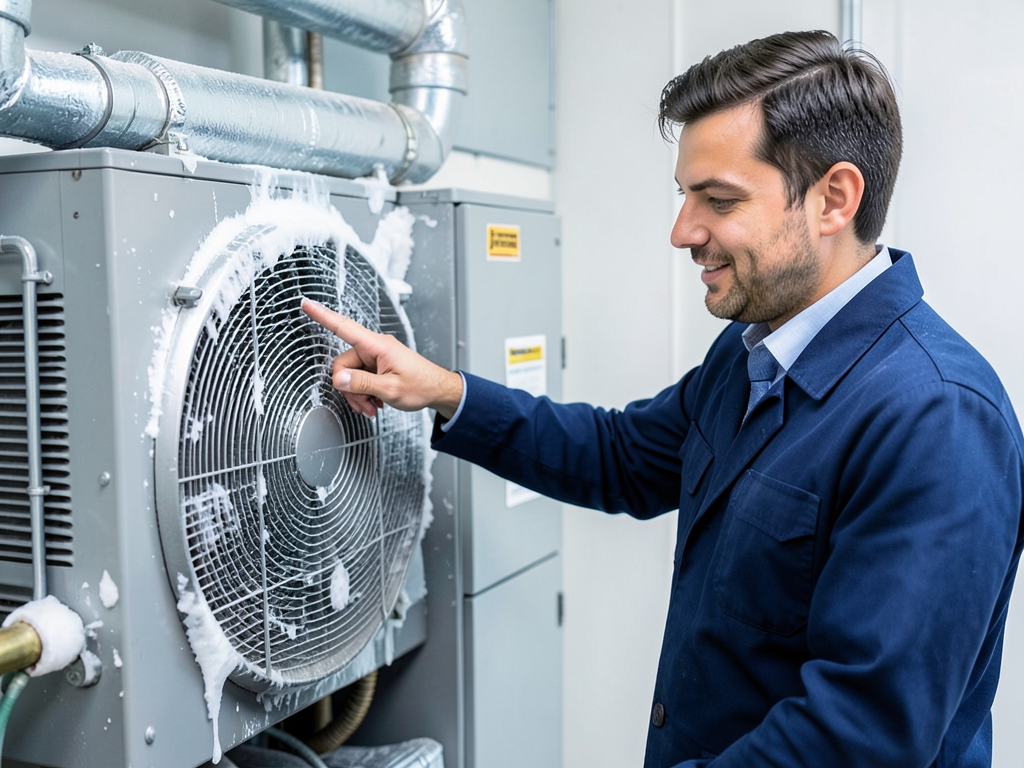
When your air conditioner runs but the air coming from your vents feels warm or room temperature your compressor may not be working properly. The compressor’s job is to compress refrigerant and move it through the system to remove heat from your home.
If the compressor cannot compress refrigerant effectively the system cannot remove heat. You might feel cool air for a few minutes when the system first starts but then the air turns warm. This happens because the compressor cannot maintain the pressure needed for proper heat exchange.
Sometimes the compressor runs but at reduced capacity. It may still move some refrigerant but not enough to cool your home effectively. You might notice your system runs constantly but never reaches the temperature you set on your thermostat.
West Mifflin’s high summer humidity makes this problem more noticeable. When humidity is high your system needs to remove more moisture from the air. A struggling compressor cannot handle this extra load leading to warm muggy air in your home.
Check your thermostat settings first. Make sure it is set to cool and the fan is set to auto not on. If the settings are correct but you still get warm air the compressor is likely the problem.
Tripped Circuit Breakers or Blown Fuses
Your air conditioner should not trip your circuit breaker or blow fuses. If this happens repeatedly it means the compressor is drawing too much electrical current. This can happen for several reasons and all of them require professional attention.
A failing compressor often draws excessive current as it struggles to start or run. The motor windings may be breaking down internally causing shorts. When this happens the compressor pulls more electricity than it should trying to overcome the internal resistance.
Sometimes the problem is not the compressor itself but the electrical components that support it. A failing start capacitor cannot provide the extra boost the compressor needs to start. The compressor keeps trying to start drawing more and more current until it trips the breaker.
West Mifflin’s older homes in neighborhoods like Duquesne Village may have electrical systems that cannot handle the startup surge of a hard-starting compressor. The combination of an aging compressor and marginal electrical supply creates a perfect storm for tripped breakers.
Never just reset a tripped breaker and ignore the problem. This can cause more damage to your compressor and other electrical components. The system is trying to tell you something is wrong.
Reduced Airflow from Your Vents
When your vents produce weak airflow your compressor might not be working at full capacity. The compressor and the indoor blower motor work together to move air through your home. If the compressor cannot maintain proper refrigerant pressure the entire system’s performance suffers.
You might notice certain rooms stay warmer than others or your system runs much longer than normal to reach the set temperature. This happens because the reduced refrigerant flow cannot remove heat efficiently from your home.
Ice buildup on the indoor coil is another sign of reduced airflow caused by compressor problems. When refrigerant flow is low the coil temperature drops below freezing and moisture in the air freezes on the coil. This ice blocks airflow making the problem worse.
West Mifflin homes with poor attic insulation or leaky ductwork feel these effects more severely. The extra heat gain from poorly insulated spaces makes your struggling compressor work even harder.
Higher Than Normal Energy Bills
A failing compressor often runs longer and works harder to cool your home. This increased runtime shows up as higher energy bills even if your usage patterns have not changed. You might notice your system runs almost constantly during hot weather.
The compressor may be trying to compensate for reduced efficiency by running longer cycles. It cannot remove heat as effectively so it stays on more trying to reach the thermostat setting. This wasted energy adds up on your monthly bill.
Sometimes the compressor cycles on and off rapidly trying to start. This short cycling wastes energy and puts extra wear on all system components. Your outdoor unit might sound like it is starting and stopping every few minutes.
Pennsylvania’s electricity rates make this wasted energy expensive. West Mifflin residents often see their highest bills during July and August when humidity is highest and compressors work hardest. Pennsylvania Uniform Construction Code.
Why West Mifflin Homes Face Unique Compressor Challenges
The Monongahela Valley’s climate creates specific problems for air conditioners. High humidity levels during summer months mean your system must remove more moisture from the air. This extra work puts more strain on the compressor.
Many West Mifflin homes are older with original HVAC systems. These units have been running for years through Pittsburgh’s temperature extremes. The constant expansion and contraction from freezing winters to hot summers stresses compressor components.
Industrial dust and pollen from the Mon Valley can clog condenser coils and reduce heat transfer efficiency. When coils cannot release heat effectively the compressor must work harder to achieve the same cooling.
Local building codes in Allegheny County require specific clearances and electrical requirements for outdoor units. Many older installations do not meet current standards which can affect compressor performance and longevity.
The Pennsylvania Uniform Construction Code Section 403.4 requires proper electrical disconnects for HVAC equipment. Missing or faulty disconnects can cause compressor damage and create safety hazards.
Repair vs Replace Decision Making
When your compressor shows these warning signs you need to decide whether to repair or replace the entire system. This decision depends on several factors including the age of your system the cost of repairs and the efficiency of available replacement units.
A good rule of thumb is the $5000 rule. Multiply the age of your system by the repair cost. If the result is over $5000 replacement usually makes more sense. For example a 10-year-old system needing $400 in repairs equals $4000 which is close to the threshold.
Modern air conditioners with SEER2 ratings of 16 or higher can cut your cooling costs by 30% or more compared to older 10 SEER units. The energy savings alone can justify replacement even if repairs are possible.
New systems also come with better warranties. Most manufacturers offer 10-year parts warranties on new compressors. If your current system is out of warranty you might spend money on repairs only to face another failure soon.
West Mifflin’s utility companies sometimes offer rebates for high-efficiency system replacements. These incentives can reduce the upfront cost of a new system making replacement more attractive.
What to Expect During Professional Diagnosis
A qualified HVAC technician uses specific diagnostic procedures to determine if your compressor is failing. They do not just guess based on symptoms. They use tools and tests to confirm the problem before recommending repairs.
The technician will check refrigerant pressures using manifold gauges. Low pressure on the suction side often indicates compressor problems. They will also measure amperage draw to see if the compressor is pulling excessive current.
Capacitor testing is another important diagnostic step. A failing start capacitor cannot provide the initial boost a compressor needs. The technician uses a multimeter to test capacitance and compare it to the rated value.
Electrical testing includes checking contactors relays and wiring for signs of wear or damage. Loose connections can cause voltage drops that make compressors work harder than they should.
Compressor valve testing involves checking for pressure equalization when the unit is off. If high and low sides equalize quickly it often indicates broken internal valves.
Professional diagnosis typically takes 30 to 60 minutes depending on the complexity of your system. The technician should explain their findings and provide options for repair or replacement.
Preventing Future Compressor Problems
Regular maintenance can prevent many compressor failures. Annual professional tune ups include cleaning coils checking refrigerant levels and testing electrical components. These simple steps can extend your system’s life by years.
Keep your outdoor unit clean and free of debris. Trim back plants to maintain at least two feet of clearance around the unit. This allows proper airflow and prevents the compressor from overheating.
Change your air filter regularly. A dirty filter restricts airflow causing the indoor coil to freeze. This ice can damage the compressor when it melts and refrigerant flow is restricted.
Consider installing a hard start kit if your compressor struggles to start. This device provides extra power during startup reducing stress on the compressor and electrical system.
Protect your system from power surges with a proper surge protector. Lightning strikes and utility switching can send voltage spikes through your system damaging the compressor and other components.
Emergency Services in West Mifflin
When your compressor fails completely you need fast service especially during heat waves. West Mifflin residents can find 24/7 emergency HVAC services throughout the area. Quick response times are critical when temperatures soar. Emergency Furnace Services for Families Living in Baldwin and Whitehall.
Emergency service calls typically cost more than scheduled appointments but they provide cooling restoration when you need it most. Many companies offer priority service for existing customers.
During extreme heat some companies bring portable cooling units to keep you comfortable while waiting for repairs. This service is especially valuable for elderly residents or those with health conditions.
West Mifflin’s location near major highways like the Parkway East means service technicians can reach most homes within an hour of your call. Local companies understand the urgency of compressor failures during summer months.
Local Building Requirements and Permits
Replacing an air conditioner compressor or entire system in West Mifflin requires proper permits from Allegheny County. The permitting process ensures your new equipment meets current efficiency standards and is installed safely.
Pennsylvania requires EPA Section 608 certification for technicians who handle refrigerants. This certification ensures proper handling of refrigerants to prevent environmental damage and personal injury.
Local codes specify minimum clearances around outdoor units proper electrical disconnects and correct refrigerant line sizing. These requirements protect your investment and ensure safe operation.
West Mifflin’s building department can provide information about specific requirements for your neighborhood. Some historic areas may have additional restrictions on outdoor unit placement or appearance.
Working with a licensed contractor ensures your installation meets all local requirements. Unpermitted work can cause problems when selling your home and may void equipment warranties.
Understanding Your Warranty Coverage
Compressor warranties vary by manufacturer and installation date. Most new systems come with 5 to 10-year compressor warranties but these warranties have specific requirements.
Warranty coverage often requires annual professional maintenance. Missing scheduled maintenance can void your warranty leaving you responsible for expensive repairs.
Some warranties are transferable if you sell your home. This can be a selling point for potential buyers who know the major components are covered.
Extended warranty options are available for many systems. These plans can cover parts and labor for 10 years or more providing peace of mind and predictable repair costs.
West Mifflin homeowners should keep all documentation including installation certificates and maintenance records. These documents prove you met warranty requirements if problems arise.
Cost Factors for Compressor Repair or Replacement
Compressor repair costs vary widely depending on the specific problem. A simple capacitor replacement might cost $150 to $300 while a complete compressor replacement can cost $1500 to $2500 including labor.
Several factors affect repair costs. The make and model of your system affects parts availability. Some brands use proprietary components that cost more than generic alternatives.
Labor rates vary by company and time of service. Emergency calls during nights weekends or holidays typically cost 50% to 100% more than regular service calls.
Accessibility affects labor time. Compressors in tight spaces or difficult to reach locations take longer to replace increasing labor costs.
West Mifflin’s older homes may require electrical upgrades to support new high-efficiency systems. These upgrades add to the total project cost but ensure safe reliable operation.
Energy Efficiency Improvements
Replacing an old inefficient system with a new high-efficiency unit can dramatically reduce your cooling costs. Modern air conditioners use less electricity to provide the same cooling capacity.
SEER2 ratings measure cooling efficiency. Higher numbers mean better efficiency. A 16 SEER2 unit uses about 20% less electricity than a 13 SEER2 unit of the same capacity.
Variable speed compressors adjust their output to match cooling demand. These units run longer at lower speeds rather than cycling on and off frequently. This provides better humidity control and uses less electricity.
West Mifflin’s humid climate makes variable speed systems particularly effective. They can remove more moisture from the air while using less energy than single speed units.
Smart thermostats can optimize system operation based on your schedule and preferences. These devices learn your habits and adjust temperatures automatically to save energy without sacrificing comfort.
Frequently Asked Questions
How long should an air conditioner compressor last?
A properly maintained compressor typically lasts 10 to 15 years. Factors affecting lifespan include maintenance quality usage patterns and local climate conditions. West Mifflin’s humid summers can reduce compressor life if systems are not properly maintained.
Can I replace just the compressor or do I need a new system?
You can replace just the compressor but consider the age of your system. If your unit is over 10 years old and the compressor fails replacement often makes more financial sense. New systems offer better efficiency and warranty coverage.
How much does it cost to replace an AC compressor in West Mifflin?
Compressor replacement typically costs $1500 to $2500 including parts and labor. The exact cost depends on your system’s make and model accessibility and whether any electrical upgrades are needed. Emergency service adds $200 to $400 to these costs.
What causes AC compressors to fail?
Common causes include electrical problems dirty coils low refrigerant levels and lack of maintenance. West Mifflin’s high humidity can also contribute to compressor failure by forcing systems to work harder to remove moisture from the air.
How can I tell if my AC compressor is bad?
Signs of a failing compressor include strange noises warm air from vents tripped breakers and reduced cooling capacity. If you notice any of these symptoms call a professional for diagnosis before complete failure occurs.
Is it worth repairing a 15-year-old AC compressor?
Repairing a 15-year-old compressor is usually not cost effective. At this age the rest of the system components are also worn and likely to fail soon. Replacement with a new high-efficiency system typically provides better long-term value.
Do I need permits to replace my AC compressor in West Mifflin?
Yes Allegheny County requires permits for HVAC replacements. A licensed contractor will typically handle permitting as part of the installation process. This ensures your new equipment meets all local codes and safety requirements.
How long does it take to replace an AC compressor?
Compressor replacement typically takes 4 to 8 hours for a professional technician. Emergency replacements may take longer if special parts need to be ordered. Most companies can complete the job in one day once they have the necessary parts.
Can a bad capacitor cause compressor failure?
Yes a failing capacitor is one of the most common causes of compressor failure. The capacitor provides the extra power needed for startup. Without it the compressor may struggle to start drawing excessive current and eventually fail.
Take Action Before Complete Failure
Recognizing the warning signs of compressor failure gives you time to make informed decisions about repair or replacement. Waiting until complete failure means emergency service calls higher costs and uncomfortable days without cooling.
If you notice any of these five warning signs do not ignore them. Strange noises warm air tripped breakers and high energy bills all indicate problems that will worsen over time. Early intervention can save you money and extend your system’s life.
West Mifflin homeowners should schedule professional diagnosis at the first sign of trouble. A qualified technician can determine if simple repairs will solve the problem or if replacement makes more sense for your situation.
Call (412) 387-0477 today to schedule your inspection. Our experienced technicians serve West Mifflin and surrounding communities with fast reliable service. Do not wait for complete failure to strike on the hottest day of the year.
Pick up the phone and call (412) 387-0477 before the next heat wave hits. We will diagnose your compressor problems and provide clear options for repair or replacement. Your comfort is our priority and we are ready to help you stay cool all summer long.
Visit our website at https://apexhvacpittsburgh.com to learn more about our services and schedule your appointment online. Do not let compressor problems leave you sweating this summer.
{
“@context”: “https://schema.org”,
“@type”: “BlogPosting”,
“headline”: “Five Signs Your West Mifflin Air Conditioner Compressor is About to Give Out”,
“description”: “Is your AC making strange noises or blowing warm air? Learn the 5 warning signs of compressor failure in West Mifflin homes and how to fix it fast.”,
“wordCount”: 3211,
“datePublished”: “2026-04-03T09:41:00.000Z”,
“dateModified”: “2026-04-03T09:41:00.000Z”,
“inLanguage”: “en-US”,
“mainEntityOfPage”: {
“@type”: “WebPage”,
“@id”: “https://apexhvacpittsburgh.com”
},
“publisher”: {
“@type”: “LocalBusiness”,
“name”: “Apex HVAC Pittsburgh”,
“url”: “https://apexhvacpittsburgh.com”
},
“author”: {
“@type”: “Organization”,
“name”: “Apex HVAC Pittsburgh”,
“url”: “https://apexhvacpittsburgh.com”
},
“image”: {
“@type”: “ImageObject”,
“url”: “https://apexhvacpittsburgh.com/wp-content/uploads/2026/03/five-signs-your-west-mifflin-air-conditioner-compr-1.png”
}
}
{
“@context”: “https://schema.org”,
“@type”: “HVACBusiness”,
“name”: “Apex HVAC Pittsburgh”,
“url”: “https://apexhvacpittsburgh.com”,
“address”: {
“@type”: “PostalAddress”,
“addressLocality”: “Pittsburgh”
},
“areaServed”: {
“@type”: “City”,
“name”: “Pittsburgh”
}
}
{
“@context”: “https://schema.org”,
“@type”: “FAQPage”,
“mainEntity”: [
{
“@type”: “Question”,
“name”: “How long should an air conditioner compressor last?”,
“acceptedAnswer”: {
“@type”: “Answer”,
“text”: “A properly maintained compressor typically lasts 10 to 15 years. Factors affecting lifespan include maintenance quality usage patterns and local climate conditions. West Mifflin’s humid summers can reduce compressor life if systems are not properly maintained.”
}
},
{
“@type”: “Question”,
“name”: “Can I replace just the compressor or do I need a new system?”,
“acceptedAnswer”: {
“@type”: “Answer”,
“text”: “You can replace just the compressor but consider the age of your system. If your unit is over 10 years old and the compressor fails replacement often makes more financial sense. New systems offer better efficiency and warranty coverage.”
}
},
{
“@type”: “Question”,
“name”: “How much does it cost to replace an AC compressor in West Mifflin?”,
“acceptedAnswer”: {
“@type”: “Answer”,
“text”: “Compressor replacement typically costs $1500 to $2500 including parts and labor. The exact cost depends on your system’s make and model accessibility and whether any electrical upgrades are needed. Emergency service adds $200 to $400 to these costs.”
}
},
{
“@type”: “Question”,
“name”: “What causes AC compressors to fail?”,
“acceptedAnswer”: {
“@type”: “Answer”,
“text”: “Common causes include electrical problems dirty coils low refrigerant levels and lack of maintenance. West Mifflin’s high humidity can also contribute to compressor failure by forcing systems to work harder to remove moisture from the air.”
}
},
{
“@type”: “Question”,
“name”: “How can I tell if my AC compressor is bad?”,
“acceptedAnswer”: {
“@type”: “Answer”,
“text”: “Signs of a failing compressor include strange noises warm air from vents tripped breakers and reduced cooling capacity. If you notice any of these symptoms call a professional for diagnosis before complete failure occurs.”
}
},
{
“@type”: “Question”,
“name”: “Is it worth repairing a 15-year-old AC compressor?”,
“acceptedAnswer”: {
“@type”: “Answer”,
“text”: “Repairing a 15-year-old compressor is usually not cost effective. At this age the rest of the system components are also worn and likely to fail soon. Replacement with a new high-efficiency system typically provides better long-term value.”
}
},
{
“@type”: “Question”,
“name”: “Do I need permits to replace my AC compressor in West Mifflin?”,
“acceptedAnswer”: {
“@type”: “Answer”,
“text”: “Yes Allegheny County requires permits for HVAC replacements. A licensed contractor will typically handle permitting as part of the installation process. This ensures your new equipment meets all local codes and safety requirements.”
}
},
{
“@type”: “Question”,
“name”: “How long does it take to replace an AC compressor?”,
“acceptedAnswer”: {
“@type”: “Answer”,
“text”: “Compressor replacement typically takes 4 to 8 hours for a professional technician. Emergency replacements may take longer if special parts need to be ordered. Most companies can complete the job in one day once they have the necessary parts.”
}
},
{
“@type”: “Question”,
“name”: “Can a bad capacitor cause compressor failure?”,
“acceptedAnswer”: {
“@type”: “Answer”,
“text”: “Yes a failing capacitor is one of the most common causes of compressor failure. The capacitor provides the extra power needed for startup. Without it the compressor may struggle to start drawing excessive current and eventually fail.”
}
}
]
}
{
“@context”: “https://schema.org”,
“@type”: “BreadcrumbList”,
“itemListElement”: [
{
“@type”: “ListItem”,
“position”: 1,
“name”: “Home”,
“item”: “https://apexhvacpittsburgh.com”
},
{
“@type”: “ListItem”,
“position”: 2,
“name”: “Blog”,
“item”: “https://apexhvacpittsburgh.com/blog”
},
{
“@type”: “ListItem”,
“position”: 3,
“name”: “Five Signs Your West Mifflin Air Conditioner Compressor is About to Give Out”
}
]
}
{
“@context”: “https://schema.org”,
“@type”: “Service”,
“serviceType”: “HVAC”,
“provider”: {
“@type”: “LocalBusiness”,
“name”: “Apex HVAC Pittsburgh”,
“url”: “https://apexhvacpittsburgh.com”
},
“areaServed”: {
“@type”: “City”,
“name”: “Pittsburgh”
},
“description”: “Is your AC making strange noises or blowing warm air? Learn the 5 warning signs of compressor failure in West Mifflin homes and how to fix it fast.”
}