
Getting Your Sewickley Boiler Ready for the Winter Chill Without Breaking the Bank
When the Ohio River wind starts biting through the historic brick homes along Beaver Street, Sewickley residents know winter has arrived. But before you crank up that aging boiler and cross your fingers, there’s a smarter way to ensure your home stays warm without facing a mid-season breakdown or a shocking repair bill. EPA radon information.
The truth is, Sewickley’s beautiful 100-year-old homes with their steam radiators and cast-iron boilers weren’t built for today’s efficiency standards. These systems work harder than modern units, especially when Pittsburgh’s humidity drops and temperatures plunge below freezing. A little preventative maintenance now can save you from waking up to a cold house when you need heat the most. Winterizing Your HVAC System.
Why Sewickley Homes Need Special Boiler Attention
Many Sewickley Village homes were built between 1890 and 1940, featuring original steam heating systems that require different care than modern hot water boilers. These systems have unique vulnerabilities that newer homes don’t face.
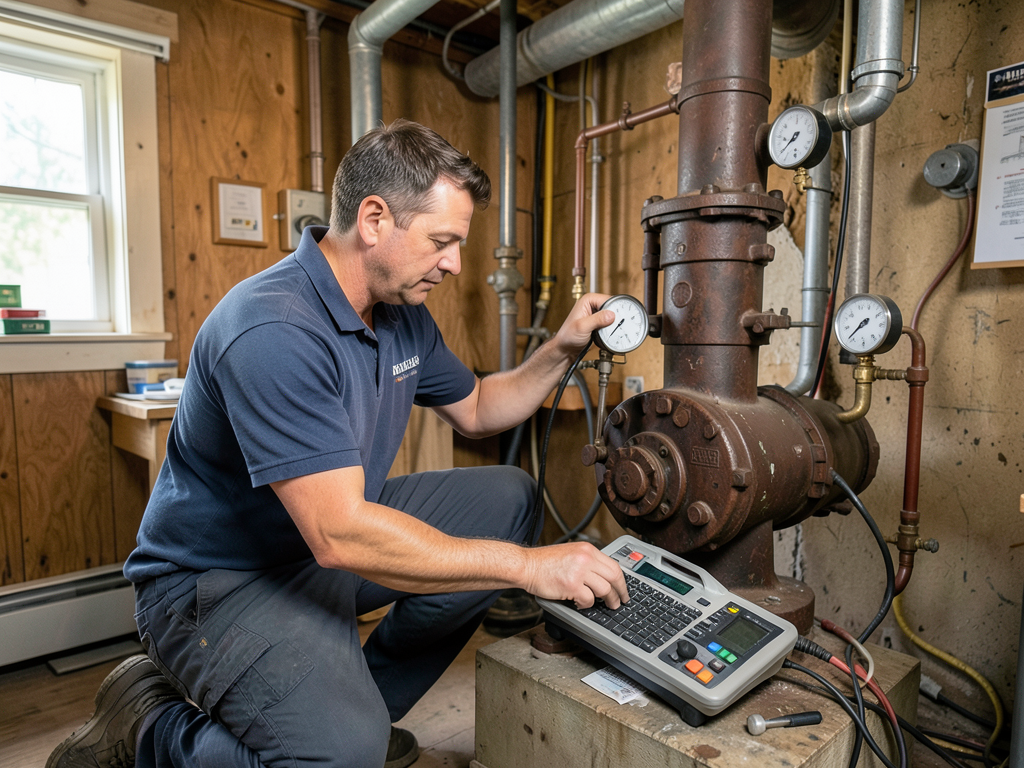
Steam boilers operate at higher temperatures and pressures than hot water systems. They also have more moving parts like steam traps, vents, and pressuretrols that can fail when neglected. The historic architecture means these boilers are often tucked into tight basement spaces with limited access for maintenance.
Local building codes in Allegheny County require annual inspections for steam heating systems over a certain size, but even smaller residential units benefit from yearly checkups. The Pennsylvania Uniform Construction Code (UCC) mandates specific safety features that older boilers may lack, creating potential hazards if not properly maintained.
Common Boiler Problems That Hit Sewickley Hard
Understanding what typically goes wrong helps you spot trouble before it becomes an emergency. Here are the most frequent issues we see in Sewickley’s historic district: Emergency Furnace Services for Families Living in Baldwin and Whitehall.
No Heat or Insufficient Heat – This often stems from air trapped in the system, a failed circulator pump, or a malfunctioning thermostat. In steam systems, it could be clogged vents or improperly pitched pipes.
Strange Noises – Banging, whistling, or gurgling sounds usually indicate water hammer, mineral buildup, or air in the lines. These noises aren’t just annoying; they signal components under stress.
Leaks – Corrosion is the enemy of any boiler system. Sewickley’s older homes often have original pipes and fittings that develop pinhole leaks over decades of service.
Pilot Light or Ignition Problems – Modern boilers use electronic ignition, but many Sewickley homes still have standing pilot lights that can go out due to drafts or thermocouple failure.
High Energy Bills – An inefficient boiler works harder to produce the same heat, costing you more money each month. This is often due to scale buildup, poor combustion, or failing controls.
Cost-Effective Maintenance That Prevents Breakdowns
You don’t need to spend thousands to keep your boiler running reliably. Here are maintenance tasks that deliver the biggest bang for your buck:
- Check Water Levels Weekly
Low water is the leading cause of boiler damage. Steam systems lose water through vents and leaks. Keep the sight glass at the proper level to prevent overheating and damage to the heat exchanger.
- Clean or Replace Air Vents
Clogged air vents prevent steam from reaching radiators. A $15 vent replacement can restore heat to a cold room. Listen for hissing sounds that indicate a vent is stuck open and wasting steam.
- Test the Pressuretrol
This safety device prevents dangerous pressure buildup. Set it to the manufacturer’s specifications – typically 1-2 PSI for residential steam systems. Higher pressure wastes energy and stresses components.
- Inspect and Clean the Flame Sensor
Modern boilers use flame sensors to ensure safe operation. A dirty sensor can cause the boiler to shut down randomly. Clean it with fine steel wool to restore proper function.
- Check for Leaks Around the Boiler
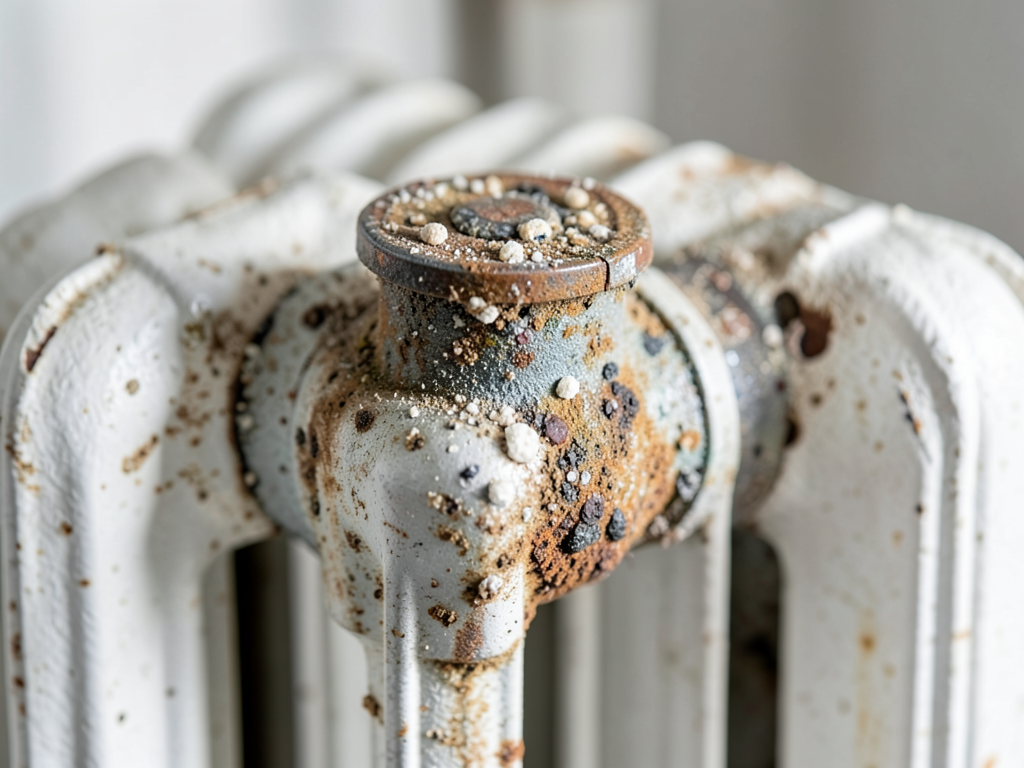
Look for water stains, rust, or mineral deposits around fittings and valves. Even small leaks waste water and can lead to corrosion of the boiler’s steel sections.
When to Call a Professional vs. DIY
Some boiler maintenance is safe for handy homeowners, but other tasks require professional expertise. Here’s how to decide: The Homeowners Guide to Replacing an Aging Boiler in Bloomfield.
| DIY Maintenance | Professional Service | Why the Difference Matters |
|---|---|---|
| Checking water levels | Combustion analysis | Improper gas mixture creates carbon monoxide |
| Cleaning air vents | Pressure testing system | Hidden leaks waste energy and cause damage |
| Visual inspections | Cleaning heat exchanger | Scale buildup reduces efficiency by 30% |
| Replacing thermostat batteries | Adjusting burner settings | Incorrect settings waste fuel and create hazards |
| Checking for visible leaks | Testing safety controls | Failed safeties can cause explosions or fires |
The key difference is safety. Working on gas lines, electrical components, or pressurized systems without proper training can be deadly. Pennsylvania requires HVAC technicians to hold specific licenses for boiler work, ensuring they understand the unique risks these systems present.
Energy Efficiency Upgrades That Pay for Themselves
If your boiler is over 15 years old, replacing it might actually save you money. Modern high-efficiency boilers can cut fuel costs by 30% or more. Here are upgrades worth considering:
Modulating Burners – These adjust flame size based on demand rather than cycling on and off. This reduces wear and improves comfort by eliminating temperature swings.
Outdoor Reset Controls – These sensors adjust boiler water temperature based on outdoor conditions. On mild days, the system runs cooler, saving fuel without sacrificing comfort.
Programmable Thermostats – Smart thermostats can learn your schedule and preferences, automatically reducing heating when you’re asleep or away. Some models integrate with home automation systems for remote control.
Zone Control Systems – If you have unused rooms or varying heating needs throughout your home, zone controls let you heat only occupied areas. This can reduce heating costs by 10-15%.
Understanding Sewickley’s Unique Heating Challenges
Sewickley’s location along the Ohio River creates specific heating challenges that other Pittsburgh suburbs don’t face. The river valley effect means colder temperatures and more moisture in the air during winter months.
Historic homes in the 15143 ZIP code often have balloon-frame construction with minimal insulation. This means your boiler works harder to maintain temperature, especially in homes with tall ceilings and large windows common in Victorian architecture.
The freeze-thaw cycles we experience in Western Pennsylvania are particularly hard on boiler components. Water expands when it freezes, potentially cracking pipes, heat exchangers, and expansion tanks. This is why proper winterization is critical for homes that might be vacant during cold snaps.
Many Sewickley homes are second residences or vacation rentals. If you’re not there regularly, small problems can become major failures before anyone notices. Installing temperature monitors and water leak detectors provides early warning of developing issues.
Emergency Boiler Repair: What to Do When Heat Fails
Even with good maintenance, boilers can fail unexpectedly. Here’s your emergency action plan:
- Check the thermostat settings and batteries
- Verify the circuit breaker hasn’t tripped
- Check the water level in the sight glass
- Look for obvious leaks or error codes on the display
- Check if the pilot light is lit (for older systems)
If these steps don’t restore heat, don’t keep troubleshooting. Modern boilers have safety features that shut them down to prevent damage or hazards. Continuing to reset the system can make problems worse.
For Sewickley residents, response time matters. During extreme cold, waiting hours for help isn’t an option. That’s why having a local contractor with 24/7 emergency service is essential. Look for companies that stock common parts and can diagnose issues quickly.
Local Resources and Rebates
Several programs can help offset the cost of boiler maintenance or replacement in Sewickley. Duquesne Light and Peoples Gas offer rebates for high-efficiency equipment installations. The Pennsylvania Department of Environmental Protection provides information on energy efficiency incentives. Department of Energy heating systems guide.
Local HVAC contractors familiar with Sewickley’s housing stock understand the unique challenges of working in historic districts. They know which modifications require permits from the Sewickley Council and how to maintain the architectural integrity of your home while improving heating efficiency.
Building codes in Allegheny County require specific venting configurations and safety controls for boiler installations. A qualified contractor will ensure your system meets current standards while respecting the character of your historic home.
Frequently Asked Questions
How often should I have my boiler serviced?
Annual professional maintenance is recommended for all boiler systems. Steam boilers may need more frequent attention, especially in older homes where vents and traps can fail seasonally.
What’s the average lifespan of a boiler in Sewickley?
Well-maintained boilers typically last 15-25 years. Steam boilers in historic homes may need more frequent repairs after 15 years due to harder operating conditions and harder-to-find replacement parts.
Should I replace my old boiler or keep repairing it?
If repair costs exceed 50% of replacement cost, or if your boiler is over 15 years old and inefficient, replacement often makes financial sense. New high-efficiency models can pay for themselves in 5-7 years through energy savings.
Can I convert my steam system to hot water?
Conversion is possible but expensive. It requires replacing radiators, piping, and the boiler itself. For historic homes, maintaining the original steam system often preserves both comfort and architectural character.
What should I do if I smell gas near my boiler?
Leave immediately and call your gas company from outside. Gas leaks are extremely dangerous. Don’t operate any electrical switches or use phones inside the house, as sparks could ignite the gas.
Take Action Before the First Cold Snap
Don’t wait until your boiler fails on the coldest night of the year. A simple inspection now can identify problems while they’re still minor and affordable to fix. Many issues that cause mid-winter breakdowns develop gradually over months of operation.
For Sewickley residents, local expertise matters. Our technicians understand the specific challenges of heating historic homes along the Ohio River. We know which parts are prone to failure in your neighborhood and how to work within the constraints of older construction.
Call (412) 387-0477 today to schedule your pre-winter boiler inspection. Our experienced technicians will check all safety controls, test combustion efficiency, and identify any developing issues before they leave you in the cold. Don’t let a preventable breakdown ruin your winter comfort.
Remember, a well-maintained boiler doesn’t just keep you warm; it protects your home from frozen pipes, maintains indoor air quality, and can significantly reduce your energy bills. The small investment in preventative maintenance pays dividends all winter long.
Pick up the phone and call (412) 387-0477 before the next storm hits. Your future self will thank you when your neighbors are calling for emergency repairs while you’re enjoying a cozy, trouble-free winter in your perfectly heated Sewickley home.
{
“@context”: “https://schema.org”,
“@type”: “BlogPosting”,
“headline”: “Getting Your Sewickley Boiler Ready for the Winter Chill Without Breaking the Bank”,
“description”: “Is your Sewickley boiler ready for the 2026 winter? Learn cost-effective maintenance tips to avoid breakdowns in historic homes. Call (412) 387-0477 today.”,
“wordCount”: 1785,
“datePublished”: “2026-02-14T12:26:00.000Z”,
“dateModified”: “2026-02-14T12:26:00.000Z”,
“inLanguage”: “en-US”,
“mainEntityOfPage”: {
“@type”: “WebPage”,
“@id”: “https://apexhvacpittsburgh.com”
},
“publisher”: {
“@type”: “LocalBusiness”,
“name”: “Apex HVAC Pittsburgh”,
“url”: “https://apexhvacpittsburgh.com”
},
“author”: {
“@type”: “Organization”,
“name”: “Apex HVAC Pittsburgh”,
“url”: “https://apexhvacpittsburgh.com”
},
“image”: {
“@type”: “ImageObject”,
“url”: “https://apexhvacpittsburgh.com/wp-content/uploads/2026/03/getting-your-sewickley-boiler-ready-for-the-winter-1.png”
}
}
{
“@context”: “https://schema.org”,
“@type”: “HVACBusiness”,
“name”: “Apex HVAC Pittsburgh”,
“url”: “https://apexhvacpittsburgh.com”,
“address”: {
“@type”: “PostalAddress”,
“addressLocality”: “Pittsburgh”
},
“areaServed”: {
“@type”: “City”,
“name”: “Pittsburgh”
}
}
{
“@context”: “https://schema.org”,
“@type”: “FAQPage”,
“mainEntity”: [
{
“@type”: “Question”,
“name”: “How often should I have my boiler serviced?”,
“acceptedAnswer”: {
“@type”: “Answer”,
“text”: “Annual professional maintenance is recommended for all boiler systems. Steam boilers may need more frequent attention, especially in older homes where vents and traps can fail seasonally.”
}
},
{
“@type”: “Question”,
“name”: “What’s the average lifespan of a boiler in Sewickley?”,
“acceptedAnswer”: {
“@type”: “Answer”,
“text”: “Well-maintained boilers typically last 15-25 years. Steam boilers in historic homes may need more frequent repairs after 15 years due to harder operating conditions and harder-to-find replacement parts.”
}
},
{
“@type”: “Question”,
“name”: “Should I replace my old boiler or keep repairing it?”,
“acceptedAnswer”: {
“@type”: “Answer”,
“text”: “If repair costs exceed 50% of replacement cost, or if your boiler is over 15 years old and inefficient, replacement often makes financial sense. New high-efficiency models can pay for themselves in 5-7 years through energy savings.”
}
},
{
“@type”: “Question”,
“name”: “Can I convert my steam system to hot water?”,
“acceptedAnswer”: {
“@type”: “Answer”,
“text”: “Conversion is possible but expensive. It requires replacing radiators, piping, and the boiler itself. For historic homes, maintaining the original steam system often preserves both comfort and architectural character.”
}
},
{
“@type”: “Question”,
“name”: “What should I do if I smell gas near my boiler?”,
“acceptedAnswer”: {
“@type”: “Answer”,
“text”: “Leave immediately and call your gas company from outside. Gas leaks are extremely dangerous. Don’t operate any electrical switches or use phones inside the house, as sparks could ignite the gas.”
}
}
]
}
{
“@context”: “https://schema.org”,
“@type”: “HowTo”,
“name”: “Boiler Maintenance Checklist”,
“step”: [
{
“@type”: “HowToStep”,
“position”: 1,
“name”: “Check Water Levels Weekly”,
“text”: “Low water is the leading cause of boiler damage. Steam systems lose water through vents and leaks. Keep the sight glass at the proper level to prevent overheating and damage to the heat exchanger.”
},
{
“@type”: “HowToStep”,
“position”: 2,
“name”: “Clean or Replace Air Vents”,
“text”: “Clogged air vents prevent steam from reaching radiators. A $15 vent replacement can restore heat to a cold room. Listen for hissing sounds that indicate a vent is stuck open and wasting steam.”
},
{
“@type”: “HowToStep”,
“position”: 3,
“name”: “Test the Pressuretrol”,
“text”: “This safety device prevents dangerous pressure buildup. Set it to the manufacturer’s specifications – typically 1-2 PSI for residential steam systems. Higher pressure wastes energy and stresses components.”
},
{
“@type”: “HowToStep”,
“position”: 4,
“name”: “Inspect and Clean the Flame Sensor”,
“text”: “Modern boilers use flame sensors to ensure safe operation. A dirty sensor can cause the boiler to shut down randomly. Clean it with fine steel wool to restore proper function.”
},
{
“@type”: “HowToStep”,
“position”: 5,
“name”: “Check for Leaks Around the Boiler”,
“text”: “Look for water stains, rust, or mineral deposits around fittings and valves. Even small leaks waste water and can lead to corrosion of the boiler’s steel sections.”
}
],
“image”: “https://apexhvacpittsburgh.com/wp-content/uploads/2026/03/getting-your-sewickley-boiler-ready-for-the-winter-1.png”
}
{
“@context”: “https://schema.org”,
“@type”: “BreadcrumbList”,
“itemListElement”: [
{
“@type”: “ListItem”,
“position”: 1,
“name”: “Home”,
“item”: “https://apexhvacpittsburgh.com”
},
{
“@type”: “ListItem”,
“position”: 2,
“name”: “Blog”,
“item”: “https://apexhvacpittsburgh.com/blog”
},
{
“@type”: “ListItem”,
“position”: 3,
“name”: “Getting Your Sewickley Boiler Ready for the Winter Chill Without Breaking the Bank”
}
]
}
{
“@context”: “https://schema.org”,
“@type”: “Service”,
“serviceType”: “HVAC”,
“provider”: {
“@type”: “LocalBusiness”,
“name”: “Apex HVAC Pittsburgh”,
“url”: “https://apexhvacpittsburgh.com”
},
“areaServed”: {
“@type”: “City”,
“name”: “Pittsburgh”
},
“description”: “Is your Sewickley boiler ready for the 2026 winter? Learn cost-effective maintenance tips to avoid breakdowns in historic homes. Call (412) 387-0477 today.”
}