
Adding Air Conditioning to a Braddock Row House Without Damaging Original Brick
Adding modern air conditioning to a historic Braddock row house presents unique challenges. These century-old brick structures were built before central air existed and feature thick masonry walls, original plaster, and architectural details that cannot be compromised. The humid continental climate of Western Pennsylvania means summer temperatures regularly climb into the 80s and 90s with high humidity that makes traditional cooling methods ineffective. This guide explains how to add cooling to your brick home while preserving its historic integrity and meeting Pittsburgh’s building requirements. Pennsylvania Uniform Construction Code Section 403.5.
Why Standard Central Air Often Fails in Masonry Homes
Traditional central air conditioning systems require extensive ductwork that cannot be easily installed in existing brick walls. Braddock row houses typically feature double-wythe brick construction with walls measuring 12-16 inches thick. These solid masonry walls lack the cavities needed for conventional duct routing. Additionally, the original lathe-and-plaster walls cannot support the weight of drop ceilings or bulkheads required for ductwork without significant structural modification. Winterizing Your HVAC System.
The thermal mass of brick also creates unique cooling challenges. During Pittsburgh’s humid summers, brick walls absorb heat throughout the day and release it slowly overnight. This means your home stays warmer than modern stick-built structures even when outdoor temperatures drop. Standard window units often cannot overcome this thermal inertia, leading to uneven cooling and high energy bills.. Read more about Smart Ways to Hide New Ductwork During a Lower Lawrenceville Loft Renovation.
Top Cooling Solutions for Brick Homes: Mini-Splits vs. High-Velocity Systems
| Feature | Ductless Mini-Split Systems | High-Velocity HVAC (Unico/SpacePak) |
|---|---|---|
| Installation Impact | Minimal wall penetration (3-inch holes) | Small 2-inch flexible ducts |
| Noise Level | 19-30 dB indoor units | 25-35 dB with sound attenuation |
| Energy Efficiency | SEER2 18-24 | SEER2 15-19 |
| Best For | Single-zone or multi-zone cooling | Whole-house even cooling |
Preserving Your Home’s Integrity: Installation Techniques for Brick & Plaster
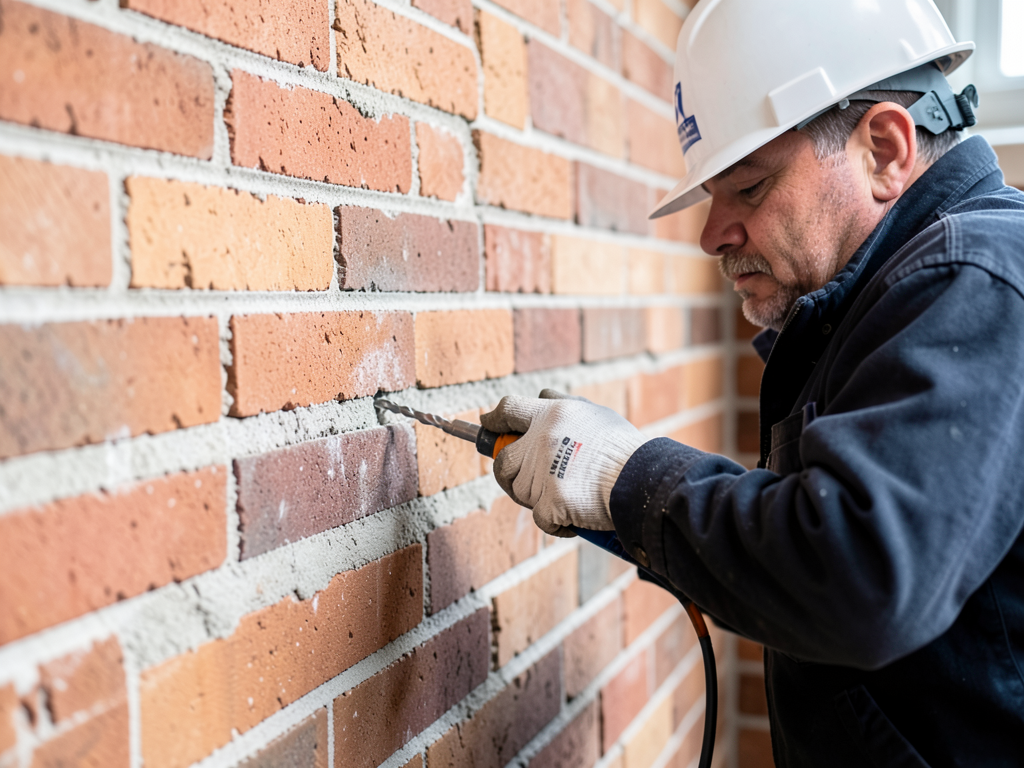
Professional installation of cooling systems in historic brick homes requires specialized techniques that protect the original structure. When drilling through brick for refrigerant lines, technicians use diamond-tipped masonry bits and carefully select mortar joints rather than drilling directly through bricks. This preserves the structural integrity of the wall and maintains the historic appearance.
For plaster walls, installation teams use vacuum-assisted cutting tools to minimize dust and vibration that could crack the original plaster. They also employ specialized anchors designed for old-growth wood studs that won’t split the aged lumber. The goal is to make the installation nearly invisible once complete.
Navigating Pittsburgh Historic Review Commission Requirements
Braddock falls under the Pennsylvania Uniform Construction Code, but homes in historic districts or those visible from public rights-of-way may require additional approvals. The Pittsburgh Historic Review Commission requires that any exterior modifications maintain the building’s historic character. This means outdoor condenser units must be positioned where they’re not visible from the street or screened with materials that match the home’s era.. Read more about The Best Way to Heat a New Kitchen Addition in a Traditional Mt Lebanon Colonial.
According to the Pennsylvania UCC Section 403.5, mechanical equipment installations must maintain required clearances from property lines and ensure proper condensate drainage. For row houses, this often means routing condensate lines through the basement to existing sewer connections rather than creating new roof penetrations.
The Thermal Mass Effect: Cooling Pittsburgh’s Brick Homes
Braddock’s brick homes experience what HVAC professionals call the “thermal mass effect.” The dense brick walls absorb heat during the day and release it slowly at night, creating a lag in cooling that standard systems cannot overcome. This is particularly problematic during Pittsburgh’s humid summers when nighttime temperatures often stay above 70°F.
High-efficiency systems with variable-speed compressors can better manage this thermal lag. These units adjust their output based on the actual cooling load rather than cycling on and off at full power. This continuous operation gradually reduces the heat stored in the brick walls rather than fighting a losing battle against the thermal mass.
Cost-Benefit Analysis: Energy Efficiency in Older Structures
Installing modern cooling in a historic Braddock row house requires balancing upfront costs against long-term energy savings. Ductless mini-split systems typically cost $3,500-5,000 per zone installed, while high-velocity systems run $12,000-18,000 for whole-house coverage. However, these modern systems can reduce cooling costs by 30-50% compared to inefficient window units. Understanding Ductless Systems.
The energy savings become even more significant when considering Pittsburgh’s climate. Our humid summers mean air conditioners run frequently, and inefficient units can consume enormous amounts of electricity. Modern high-SEER2 systems not only cool more effectively but also better manage humidity levels, creating more comfortable indoor environments at higher thermostat settings.
Case Study: A Cooling Retrofit in a Braddock Victorian
A recent project on Braddock Avenue demonstrates how modern cooling can be added without compromising historic character. The 1915 brick Victorian featured original plaster walls and no existing ductwork. The installation team chose a zoned mini-split system with four indoor units strategically placed to maintain the home’s architectural integrity.
The outdoor condenser was mounted on the rear elevation where it’s completely hidden from street view. Refrigerant lines were run through existing basement penetrations, eliminating the need for new wall drilling. The result provided modern cooling comfort while preserving every original architectural detail visible from the exterior.
Frequently Asked Questions
Will drilling into my brick cause structural issues?
When performed by experienced technicians using proper techniques, drilling small holes for refrigerant lines does not compromise brick wall integrity. Professional installers select mortar joints for drilling, use appropriate bit sizes, and seal penetrations with specialized masonry sealants that maintain the wall’s weather resistance.
How long does a typical installation take?
Most single-zone mini-split installations in Braddock row houses can be completed in one to two days. Whole-house high-velocity systems typically require three to five days due to the complexity of running multiple small ducts through existing wall cavities and floor systems.
Can I keep my original radiators and add cooling?
Yes, modern cooling systems can be installed alongside existing hot water or steam heating systems. This is actually common in Pittsburgh’s older homes where the original radiators are valued for their efficiency and the character they add to historic interiors.
Are there energy rebates available for cooling system upgrades?
Duquesne Light Company offers rebates for high-efficiency cooling equipment that meets minimum SEER2 requirements. Additionally, the federal Energy Efficient Home Improvement Credit provides tax credits for qualifying HVAC upgrades. These incentives can offset 10-30% of installation costs.
How do I maintain proper humidity levels in my brick home?
Modern cooling systems with variable-speed technology and dedicated dehumidification modes work best for managing humidity in brick homes. These systems run longer at lower speeds, which removes more moisture from the air than traditional cycling units. Some advanced systems include standalone dehumidification that can run independently of cooling.
Step-by-Step Installation Process for Historic Brick Homes
- Initial Assessment
Technician evaluates the home’s construction, identifies optimal mounting locations, and determines the best routing for refrigerant lines and condensate drains.
- Historic Review Coordination
If required, obtain necessary approvals from the Historic Review Commission before beginning any exterior work.
- Precision Drilling
Using specialized masonry bits, technicians drill through mortar joints at predetermined locations to minimize structural impact.
- Interior Mounting
Indoor units are mounted using vibration-dampening brackets to protect original plaster walls and maintain level installation on potentially uneven surfaces.
- Line Set Installation
Refrigerant lines, control wiring, and condensate drains are carefully routed through existing penetrations or minimally invasive paths.
- System Commissioning
Technicians test all components, verify proper refrigerant charge, and calibrate the system for optimal performance in the specific home environment.
Energy Efficiency and Environmental Considerations
Modern cooling systems offer significant environmental benefits beyond energy savings. Today’s units use R-410A or R-32 refrigerants that have lower global warming potential than older refrigerants. Additionally, high-efficiency systems reduce the overall carbon footprint by consuming less electricity during operation.
For Braddock homeowners concerned about environmental impact, many modern systems offer smart controls that optimize operation based on occupancy patterns and outdoor conditions. These features can further reduce energy consumption while maintaining comfort levels in your historic home. The Homeowners Guide to Replacing an Aging Boiler in Bloomfield.
Maintenance Requirements for Historic Home Cooling Systems
Proper maintenance ensures your cooling system operates efficiently and protects your home’s historic features. Annual professional maintenance should include cleaning indoor and outdoor coils, checking refrigerant levels, and inspecting all mounting hardware to ensure it hasn’t loosened over time.
Homeowners should also regularly clean or replace air filters and keep the area around outdoor units clear of debris. For systems with condensate drains, annual cleaning prevents clogs that could cause water damage to original plaster or wood elements.
Emergency Cooling Solutions for Historic Homes
When your primary cooling system fails during a Pittsburgh heat wave, temporary solutions can protect both your comfort and your home’s historic materials. Portable high-CFM fans can help circulate air, while temporary dehumidifiers prevent moisture damage to original woodwork and plaster.
For homes with valuable historic contents, maintaining stable temperature and humidity levels is crucial. Rapid temperature swings can cause wood to expand and contract, potentially damaging original floors, trim, and built-in features. Professional emergency services can often provide temporary cooling while permanent repairs are arranged. EPA Section 608 certification.
Don’t Let Another Pittsburgh Summer Pass Without Proper Cooling
Living in a historic Braddock row house doesn’t mean sacrificing modern comfort. With the right system and professional installation, you can enjoy cool, comfortable indoor temperatures while preserving the architectural integrity that makes your home special. The humid Pittsburgh summers are only getting more intense, and waiting another season means enduring another year of uncomfortable temperatures and high humidity.
Call (412) 387-0477 today to schedule your inspection. Our technicians understand the unique challenges of cooling historic brick homes and can recommend the perfect solution for your specific situation. We’ll evaluate your home’s construction, discuss your comfort needs, and provide a detailed proposal that respects both your budget and your home’s historic character.
Pick up the phone and call (412) 387-0477 before the next heat wave hits. Your historic Braddock home deserves cooling that works with its architecture, not against it. Let us show you how modern technology can preserve your home’s past while providing the comfort you deserve today.
Why Choose Professional Installation for Your Historic Home
Installing cooling in a historic brick home requires expertise that goes beyond standard HVAC installation. Professional technicians understand how to work with old-growth lumber, original plaster, and century-old masonry. They know which techniques preserve structural integrity and which could cause long-term damage.
Professional installation also ensures your system meets all local codes and operates at peak efficiency. Improper installation can lead to higher energy bills, reduced comfort, and even damage to your home’s historic features. The investment in professional service pays dividends through reliable operation and preserved home value.
Preparing Your Home for Cooling Installation
Before installation begins, there are several steps you can take to prepare your historic home. Clear the areas where indoor units will be mounted, ensuring easy access for technicians. If you have valuable artwork or antique furniture near proposed installation locations, consider temporarily relocating these items.
Discuss with your installer any concerns about specific architectural features you want to preserve. Professional teams can often work around irreplaceable elements or suggest alternative mounting locations that achieve the same cooling results without impacting historic details.
The Future of Cooling in Historic Pittsburgh Homes
As technology advances, cooling solutions for historic homes continue to improve. Emerging technologies like geothermal heat pumps and solar-assisted cooling offer even greater efficiency for homeowners willing to invest in cutting-edge systems. These options may become more accessible as Pittsburgh continues to prioritize energy efficiency and historic preservation.
The key to successful cooling in historic homes remains the same: respect the original architecture while providing modern comfort. Whether you choose mini-splits, high-velocity systems, or emerging technologies, professional installation ensures your home’s historic character remains intact while you enjoy the comfort of modern cooling.
Ready to transform your historic Braddock home into a cool, comfortable retreat? Call (412) 387-0477 now to schedule your consultation. Our team specializes in cooling solutions that preserve historic integrity while delivering modern comfort. Don’t wait for the next heat wave to realize you need better cooling. Contact us today and take the first step toward a more comfortable historic home.
{
“@context”: “https://schema.org”,
“@type”: “BlogPosting”,
“headline”: “How to Add Air Conditioning to a Braddock Row House Without Damaging Original Brick”,
“description”: “Expert guide to adding cooling to historic Braddock brick homes. Learn mini-split vs high-velocity systems that preserve your home’s integrity while beating Pittsburgh humidity.”,
“wordCount”: 2022,
“datePublished”: “2026-06-05T07:51:00.000Z”,
“dateModified”: “2026-06-05T07:51:00.000Z”,
“inLanguage”: “en-US”,
“mainEntityOfPage”: {
“@type”: “WebPage”,
“@id”: “https://apexhvacpittsburgh.com”
},
“publisher”: {
“@type”: “LocalBusiness”,
“name”: “Apex HVAC Pittsburgh”,
“url”: “https://apexhvacpittsburgh.com”
},
“author”: {
“@type”: “Organization”,
“name”: “Apex HVAC Pittsburgh”,
“url”: “https://apexhvacpittsburgh.com”
},
“image”: {
“@type”: “ImageObject”,
“url”: “https://apexhvacpittsburgh.com/wp-content/uploads/2026/03/how-to-add-air-conditioning-to-a-braddock-row-hous-1.png”
}
}
{
“@context”: “https://schema.org”,
“@type”: “HVACBusiness”,
“name”: “Apex HVAC Pittsburgh”,
“url”: “https://apexhvacpittsburgh.com”,
“address”: {
“@type”: “PostalAddress”,
“addressLocality”: “Pittsburgh”
},
“areaServed”: {
“@type”: “City”,
“name”: “Pittsburgh”
}
}
{
“@context”: “https://schema.org”,
“@type”: “FAQPage”,
“mainEntity”: [
{
“@type”: “Question”,
“name”: “Will drilling into my brick cause structural issues?”,
“acceptedAnswer”: {
“@type”: “Answer”,
“text”: “When performed by experienced technicians using proper techniques, drilling small holes for refrigerant lines does not compromise brick wall integrity. Professional installers select mortar joints for drilling, use appropriate bit sizes, and seal penetrations with specialized masonry sealants that maintain the wall’s weather resistance.”
}
},
{
“@type”: “Question”,
“name”: “How long does a typical installation take?”,
“acceptedAnswer”: {
“@type”: “Answer”,
“text”: “Most single-zone mini-split installations in Braddock row houses can be completed in one to two days. Whole-house high-velocity systems typically require three to five days due to the complexity of running multiple small ducts through existing wall cavities and floor systems.”
}
},
{
“@type”: “Question”,
“name”: “Can I keep my original radiators and add cooling?”,
“acceptedAnswer”: {
“@type”: “Answer”,
“text”: “Yes, modern cooling systems can be installed alongside existing hot water or steam heating systems. This is actually common in Pittsburgh’s older homes where the original radiators are valued for their efficiency and the character they add to historic interiors.”
}
},
{
“@type”: “Question”,
“name”: “Are there energy rebates available for cooling system upgrades?”,
“acceptedAnswer”: {
“@type”: “Answer”,
“text”: “Duquesne Light Company offers rebates for high-efficiency cooling equipment that meets minimum SEER2 requirements. Additionally, the federal Energy Efficient Home Improvement Credit provides tax credits for qualifying HVAC upgrades. These incentives can offset 10-30% of installation costs.”
}
},
{
“@type”: “Question”,
“name”: “How do I maintain proper humidity levels in my brick home?”,
“acceptedAnswer”: {
“@type”: “Answer”,
“text”: “Modern cooling systems with variable-speed technology and dedicated dehumidification modes work best for managing humidity in brick homes. These systems run longer at lower speeds, which removes more moisture from the air than traditional cycling units. Some advanced systems include standalone dehumidification that can run independently of cooling.”
}
}
]
}
{
“@context”: “https://schema.org”,
“@type”: “HowTo”,
“name”: “How to Add Air Conditioning to a Historic Brick Home”,
“step”: [
{
“@type”: “HowToStep”,
“position”: 1,
“name”: “Initial Assessment”,
“text”: “Technician evaluates the home’s construction, identifies optimal mounting locations, and determines the best routing for refrigerant lines and condensate drains.”
},
{
“@type”: “HowToStep”,
“position”: 2,
“name”: “Historic Review Coordination”,
“text”: “If required, obtain necessary approvals from the Historic Review Commission before beginning any exterior work.”
},
{
“@type”: “HowToStep”,
“position”: 3,
“name”: “Precision Drilling”,
“text”: “Using specialized masonry bits, technicians drill through mortar joints at predetermined locations to minimize structural impact.”
},
{
“@type”: “HowToStep”,
“position”: 4,
“name”: “Interior Mounting”,
“text”: “Indoor units are mounted using vibration-dampening brackets to protect original plaster walls and maintain level installation on potentially uneven surfaces.”
},
{
“@type”: “HowToStep”,
“position”: 5,
“name”: “Line Set Installation”,
“text”: “Refrigerant lines, control wiring, and condensate drains are carefully routed through existing penetrations or minimally invasive paths.”
},
{
“@type”: “HowToStep”,
“position”: 6,
“name”: “System Commissioning”,
“text”: “Technicians test all components, verify proper refrigerant charge, and calibrate the system for optimal performance in the specific home environment.”
}
],
“image”: “https://apexhvacpittsburgh.com/wp-content/uploads/2026/03/how-to-add-air-conditioning-to-a-braddock-row-hous-1.png”
}
{
“@context”: “https://schema.org”,
“@type”: “BreadcrumbList”,
“itemListElement”: [
{
“@type”: “ListItem”,
“position”: 1,
“name”: “Home”,
“item”: “https://apexhvacpittsburgh.com”
},
{
“@type”: “ListItem”,
“position”: 2,
“name”: “Blog”,
“item”: “https://apexhvacpittsburgh.com/blog”
},
{
“@type”: “ListItem”,
“position”: 3,
“name”: “How to Add Air Conditioning to a Braddock Row House Without Damaging Original Brick”
}
]
}
{
“@context”: “https://schema.org”,
“@type”: “Service”,
“serviceType”: “HVAC”,
“provider”: {
“@type”: “LocalBusiness”,
“name”: “Apex HVAC Pittsburgh”,
“url”: “https://apexhvacpittsburgh.com”
},
“areaServed”: {
“@type”: “City”,
“name”: “Pittsburgh”
},
“description”: “Expert guide to adding cooling to historic Braddock brick homes. Learn mini-split vs high-velocity systems that preserve your home’s integrity while beating Pittsburgh humidity.”
}