
How to Extend the Life of Your HVAC System in a High Humidity Area Like Blawnox
High humidity in Blawnox creates unique challenges for HVAC systems that can cut their lifespan by years if not properly managed. The combination of moisture-laden air, seasonal temperature swings, and local environmental factors means your heating and cooling equipment works harder than systems in drier climates. Understanding these specific conditions and implementing targeted maintenance strategies can help you avoid premature replacement and keep your system running efficiently for 15+ years. Winterizing Your HVAC System.
The Ohio River Valley’s climate creates perfect conditions for HVAC stress. Summer humidity often exceeds 80 percent in Blawnox while winter brings sub-freezing temperatures that cause metal components to expand and contract repeatedly. This constant thermal cycling combined with moisture exposure accelerates wear on critical parts like heat exchangers and compressor coils.
According to the U.S. Department of Energy, properly maintained HVAC systems in humid climates last 30 to 50 percent longer than neglected units. The difference comes down to preventing the moisture-related failures that plague systems in areas like Blawnox. U.S. Department of Energy HVAC maintenance guide.
Understanding How Humidity Damages Your HVAC System
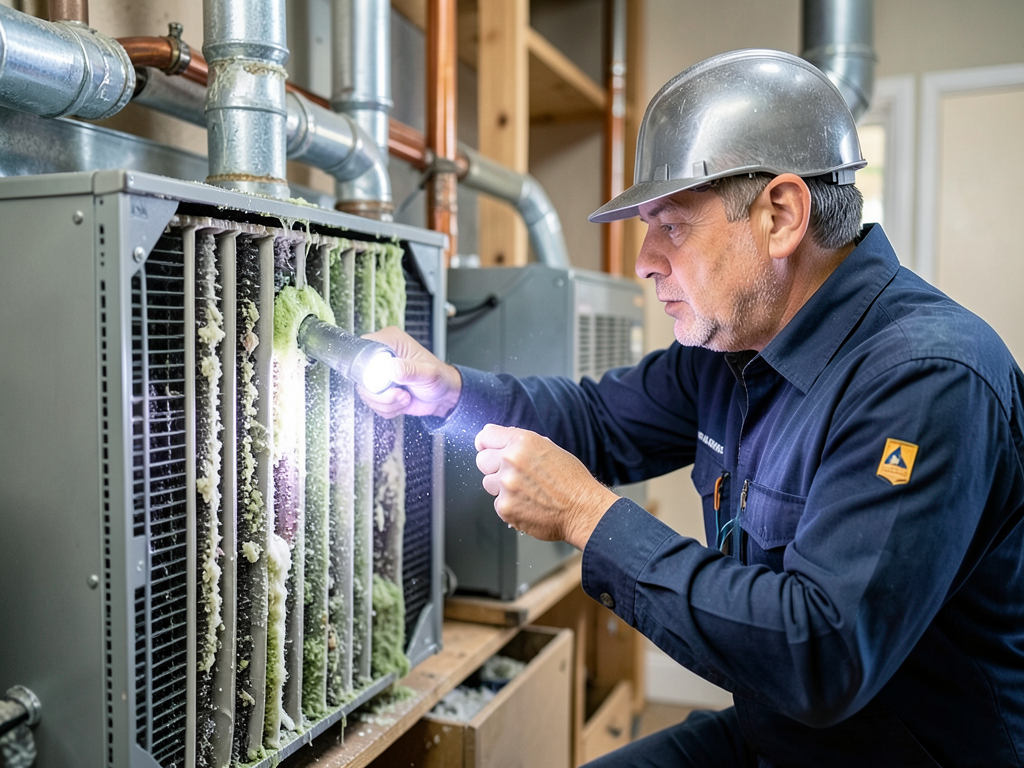
High humidity forces your air conditioner to work overtime removing moisture from the air. This additional load causes several problems that shorten system life. The evaporator coil becomes coated with condensation that attracts dust and debris creating an insulating layer that reduces efficiency. When efficiency drops your system runs longer cycles trying to reach the set temperature which increases wear on motors and compressors.
Moisture also creates ideal conditions for mold growth inside ductwork and on cooling coils. Mold not only reduces airflow but can spread throughout your home affecting air quality. The EPA recommends professional duct cleaning every three to five years in humid climates to prevent these issues. EPA guide to air duct cleaning.
Condensation on outdoor units attracts dirt and debris that can clog condenser coils. When coils cannot release heat efficiently your system’s energy consumption increases dramatically. A dirty condenser can use up to 30 percent more electricity than a clean one according to Energy Star data.
Essential Maintenance Tasks That Prevent Humidity Damage
Regular maintenance addresses the specific challenges that Blawnox’s climate creates for HVAC systems. These tasks prevent the most common causes of premature failure in humid environments.
Monthly Filter Changes Are Non-Negotiable
High humidity means more airborne particles that get trapped in your air filter. A clogged filter restricts airflow causing your system to work harder and potentially overheat. In Blawnox’s pollen-heavy spring and fall months you may need to change filters every 30 days instead of the standard 60 to 90 days.. Read more about Why a Standard Dehumidifier Is Not Enough for Your Squirrel Hill Finished Basement.
Choose filters with MERV ratings between 8 and 11 for optimal balance of filtration and airflow. Higher MERV ratings trap more particles but can restrict airflow in older systems. The National Air Filtration Association recommends checking filters monthly by holding them up to a light source. If you cannot see light through the filter it needs replacement.
Annual Professional Tune-ups Catch Problems Early
Professional maintenance should include checking refrigerant levels since low refrigerant causes the evaporator coil to freeze creating ice buildup that damages the compressor. Technicians should also inspect electrical connections for corrosion which occurs faster in humid conditions.
According to Pennsylvania’s Uniform Construction Code Section 403.3.1.2 HVAC systems in residential buildings must maintain proper ventilation rates to prevent moisture buildup. Professional technicians verify your system meets these requirements during annual inspections.
Keep Outdoor Units Clear of Debris
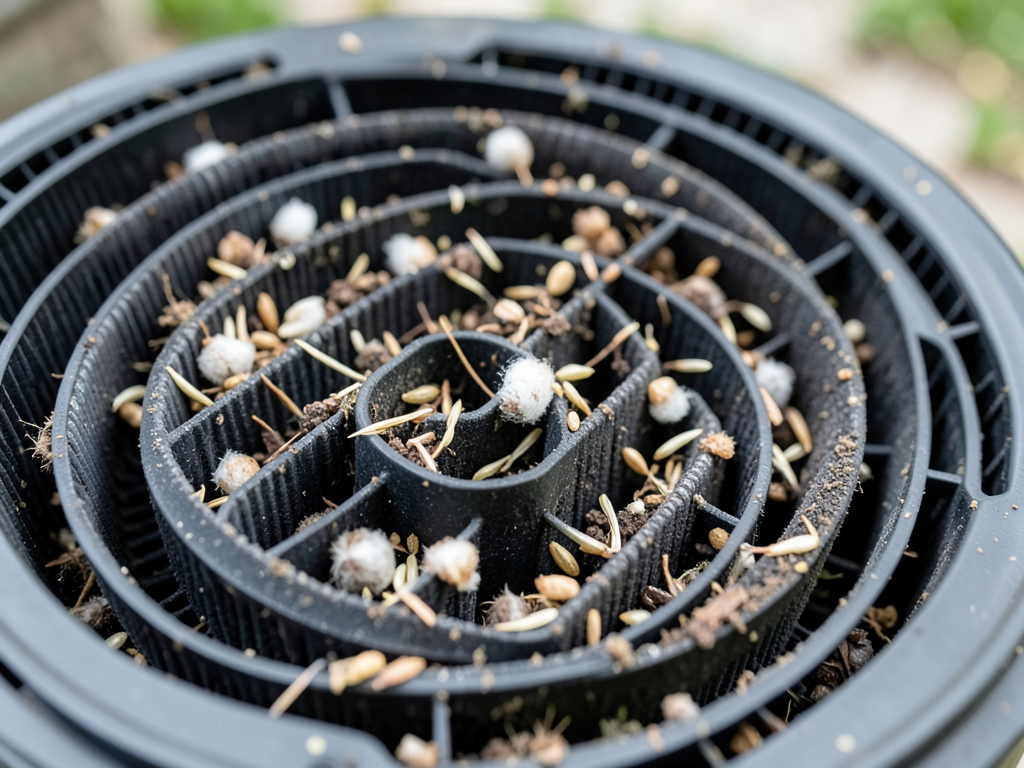
Blawnox’s mature trees drop leaves and seeds that can clog outdoor condenser units. Maintain at least two feet of clearance around the entire unit. Trim back vegetation and remove any debris that accumulates on or around the unit.
Clean condenser coils annually using a garden hose with gentle spray. Never use a pressure washer as the high pressure can bend the delicate aluminum fins. Bent fins reduce heat transfer efficiency by up to 30 percent according to ASHRAE research.
Smart Technology That Reduces System Strain
Modern HVAC technology can significantly reduce the workload on your system in humid climates. These upgrades pay for themselves through energy savings and extended equipment life.
Programmable Thermostats Prevent Short Cycling
Short cycling occurs when your system turns on and off frequently which happens often in humid weather when indoor temperatures fluctuate. This constant starting and stopping is one of the most damaging patterns for HVAC equipment.
Programmable thermostats maintain more consistent temperatures reducing the frequency of system starts. The Department of Energy estimates programmable thermostats can save 10 percent on heating and cooling costs while reducing system wear.
Variable Speed Equipment Handles Humidity Better
Traditional single-speed systems run at full capacity or not at all. Variable speed systems adjust their output based on demand running longer at lower speeds. This continuous operation removes more moisture from the air while using less energy.
The Air-Conditioning, Heating, and Refrigeration Institute reports variable speed systems can remove up to 24 percent more humidity than single-speed units while operating 30 percent more efficiently.
Warning Signs Your System Is Struggling
Recognizing early warning signs allows you to address problems before they cause major damage. These symptoms indicate your system is working harder than necessary due to humidity-related issues.
Unusual Noises Signal Mechanical Problems
Grinding or squealing sounds often indicate failing bearings in motors or fans. In humid conditions these bearings corrode faster requiring more frequent lubrication. If you hear these sounds call a technician immediately as continued operation can destroy the motor.
Rattling noises may indicate loose components or debris in the outdoor unit. These vibrations can cause connections to loosen over time leading to electrical failures.
Reduced Airflow Indicates Clogged Components
If airflow from vents feels weak check your air filter first. If the filter is clean the problem may be dirty evaporator coils or ductwork restrictions. Reduced airflow forces your system to run longer cycles increasing energy consumption and wear.
According to the Sheet Metal and Air Conditioning Contractors’ National Association restricted airflow can reduce system efficiency by up to 15 percent and cause compressor failure if left unaddressed.
Ice Formation on Components Is Serious
Ice on refrigerant lines or the evaporator coil indicates problems with airflow or refrigerant levels. Never try to remove ice with sharp objects as you can damage the coils. Turn off the system and call a professional immediately.
The EPA Section 608 certification requires technicians to properly handle refrigerant which contains chemicals that can damage the ozone layer if released. Only certified professionals should work on refrigerant systems.
Seasonal Maintenance Calendar for Blawnox Homes
Following a seasonal maintenance schedule addresses the specific challenges each season brings to your HVAC system in Blawnox’s climate.
- Spring Preparation
Clean outdoor condenser coils remove debris from around the unit and check refrigerant levels before cooling season begins. Replace air filters and test thermostat operation.
- Summer Peak Performance
Monitor system for unusual noises check condensate drain lines for clogs and ensure proper airflow. Clean or replace filters monthly during high pollen months.
- Fall Transition
Clean heat exchanger check gas connections and test safety controls before switching to heating mode. Clear leaves and debris from outdoor units.
- Winter Protection
Check carbon monoxide detectors inspect heat exchanger for cracks and ensure proper combustion. Keep snow and ice away from outdoor units.
Cost-Benefit Analysis: Maintenance vs Replacement
Understanding the financial impact of maintenance helps justify the time and expense required to keep your system healthy. Understanding Ductless Systems.
| Maintenance Level | Annual Cost | Expected Lifespan | Total 15-Year Cost |
|---|---|---|---|
| Neglected | $0 | 8-10 years | $6,000-$7,500 |
| Basic DIY | $75 | 12-14 years | $5,250-$6,000 |
| Professional Maintenance | $250 | 15-18 years | $4,500-$5,250 |
Professional maintenance costs more annually but saves thousands over the system’s lifetime by preventing premature replacement and reducing energy consumption.
Humidity Control Beyond Your HVAC System
Your HVAC system works best when humidity levels throughout your home stay between 30 and 50 percent. Additional measures help your system maintain these optimal conditions.
Whole-House Dehumidifiers Reduce System Load
Standalone dehumidifiers can remove 30 to 90 pints of moisture per day from your home’s air. By reducing the humidity load on your air conditioner these units allow your HVAC system to run more efficiently.
The American Society of Heating, Refrigerating and Air-Conditioning Engineers recommends whole-house dehumidifiers for homes in humid climates where relative humidity regularly exceeds 60 percent.
Proper Insulation Prevents Moisture Problems
Insulation not only keeps conditioned air inside but also prevents condensation on cold surfaces. Check attic insulation annually and add more if needed. The Department of Energy recommends R-49 to R-60 insulation in attics for Pennsylvania’s climate zone.
Seal air leaks around windows doors and ductwork to prevent humid outdoor air from entering your home. Even small leaks can allow significant moisture infiltration over time.
When to Call a Professional
Some HVAC problems require professional diagnosis and repair. Attempting these repairs yourself can void warranties and create safety hazards.
Call a professional if you notice refrigerant leaks indicated by hissing sounds or ice formation. Refrigerant handling requires EPA certification and improper handling can release harmful chemicals into the atmosphere.
Electrical problems including tripped breakers burning smells or scorched wires require immediate professional attention. HVAC systems operate at high voltages and damaged wiring creates fire hazards.
Strange odors especially burning or rotten egg smells may indicate serious problems. A burning smell could mean failing electrical components while a rotten egg odor might indicate a natural gas leak requiring immediate evacuation and emergency services. Emergency Furnace Services for Families Living in Baldwin and Whitehall.
Frequently Asked Questions
How often should I change my HVAC filter in Blawnox?
In Blawnox’s humid climate check your filter monthly and replace it when dirty. During high pollen seasons you may need monthly replacements even with standard filters.
Can high humidity really damage my HVAC system?
Yes high humidity forces your system to work harder removing moisture which increases wear on components. It also promotes mold growth and causes condensation that can corrode electrical connections and metal parts.
What’s the ideal humidity level for my home?
The EPA recommends maintaining indoor humidity between 30 and 50 percent. This range prevents mold growth while keeping your home comfortable and protecting your HVAC system from excessive moisture stress. Protecting Your McCandless Home from Seasonal Allergies with Better Air Filtration.
How much can maintenance really extend my system’s life?
Properly maintained systems in humid climates can last 30 to 50 percent longer than neglected units. That means 15 years instead of 10 for many systems representing thousands of dollars in avoided replacement costs.
Should I get a whole-house dehumidifier?
If your home regularly feels clammy or you see condensation on windows a whole-house dehumidifier can help. These units reduce the load on your air conditioner allowing it to run more efficiently and last longer.
Protect Your Investment Today
Your HVAC system represents one of the largest investments in your Blawnox home. The humid Ohio River Valley climate creates unique challenges that require specific maintenance strategies to prevent premature failure and maintain efficiency.
Don’t wait for your system to fail on the hottest or coldest day of the year. Call (412) 387-0477 today to schedule your professional HVAC inspection and maintenance service. Our NATE-certified technicians understand the specific challenges that Blawnox’s climate creates and can help you avoid costly emergency repairs.
Pick up the phone and call (412) 387-0477 before the next humidity spike hits. Your HVAC system will thank you with years of reliable service and lower energy bills.
You may also find this helpful. Why Spring Allergies are Worse in the Allegheny Valley and How Your HVAC System Can Help.
{
“@context”: “https://schema.org”,
“@type”: “BlogPosting”,
“headline”: “How to Extend the Life of Your HVAC System in a High Humidity Area Like Blawnox”,
“description”: “Learn how Pittsburgh’s humidity affects your HVAC system and discover proven maintenance tips to prevent breakdowns and extend equipment life in Blawnox.”,
“wordCount”: 1914,
“datePublished”: “2026-04-15T07:27:00.000Z”,
“dateModified”: “2026-04-15T07:27:00.000Z”,
“inLanguage”: “en-US”,
“mainEntityOfPage”: {
“@type”: “WebPage”,
“@id”: “https://apexhvacpittsburgh.com”
},
“publisher”: {
“@type”: “LocalBusiness”,
“name”: “Apex HVAC Pittsburgh”,
“url”: “https://apexhvacpittsburgh.com”
},
“author”: {
“@type”: “Organization”,
“name”: “Apex HVAC Pittsburgh”,
“url”: “https://apexhvacpittsburgh.com”
},
“image”: {
“@type”: “ImageObject”,
“url”: “https://apexhvacpittsburgh.com/wp-content/uploads/2026/03/how-to-extend-the-life-of-your-hvac-system-in-a-hi-1.png”
}
}
{
“@context”: “https://schema.org”,
“@type”: “HVACBusiness”,
“name”: “Apex HVAC Pittsburgh”,
“url”: “https://apexhvacpittsburgh.com”,
“address”: {
“@type”: “PostalAddress”,
“addressLocality”: “Pittsburgh”
},
“areaServed”: {
“@type”: “City”,
“name”: “Pittsburgh”
}
}
{
“@context”: “https://schema.org”,
“@type”: “FAQPage”,
“mainEntity”: [
{
“@type”: “Question”,
“name”: “How often should I change my HVAC filter in Blawnox?”,
“acceptedAnswer”: {
“@type”: “Answer”,
“text”: “In Blawnox’s humid climate check your filter monthly and replace it when dirty. During high pollen seasons you may need monthly replacements even with standard filters.”
}
},
{
“@type”: “Question”,
“name”: “Can high humidity really damage my HVAC system?”,
“acceptedAnswer”: {
“@type”: “Answer”,
“text”: “Yes high humidity forces your system to work harder removing moisture which increases wear on components. It also promotes mold growth and causes condensation that can corrode electrical connections and metal parts.”
}
},
{
“@type”: “Question”,
“name”: “What’s the ideal humidity level for my home?”,
“acceptedAnswer”: {
“@type”: “Answer”,
“text”: “The EPA recommends maintaining indoor humidity between 30 and 50 percent. This range prevents mold growth while keeping your home comfortable and protecting your HVAC system from excessive moisture stress. Protecting Your McCandless Home from Seasonal Allergies with Better Air Filtration.”
}
},
{
“@type”: “Question”,
“name”: “How much can maintenance really extend my system’s life?”,
“acceptedAnswer”: {
“@type”: “Answer”,
“text”: “Properly maintained systems in humid climates can last 30 to 50 percent longer than neglected units. That means 15 years instead of 10 for many systems representing thousands of dollars in avoided replacement costs.”
}
},
{
“@type”: “Question”,
“name”: “Should I get a whole-house dehumidifier?”,
“acceptedAnswer”: {
“@type”: “Answer”,
“text”: “If your home regularly feels clammy or you see condensation on windows a whole-house dehumidifier can help. These units reduce the load on your air conditioner allowing it to run more efficiently and last longer.”
}
}
]
}
{
“@context”: “https://schema.org”,
“@type”: “HowTo”,
“name”: “Seasonal HVAC Maintenance”,
“step”: [
{
“@type”: “HowToStep”,
“position”: 1,
“name”: “Spring Preparation”,
“text”: “Clean outdoor condenser coils remove debris from around the unit and check refrigerant levels before cooling season begins. Replace air filters and test thermostat operation.”
},
{
“@type”: “HowToStep”,
“position”: 2,
“name”: “Summer Peak Performance”,
“text”: “Monitor system for unusual noises check condensate drain lines for clogs and ensure proper airflow. Clean or replace filters monthly during high pollen months.”
},
{
“@type”: “HowToStep”,
“position”: 3,
“name”: “Fall Transition”,
“text”: “Clean heat exchanger check gas connections and test safety controls before switching to heating mode. Clear leaves and debris from outdoor units.”
},
{
“@type”: “HowToStep”,
“position”: 4,
“name”: “Winter Protection”,
“text”: “Check carbon monoxide detectors inspect heat exchanger for cracks and ensure proper combustion. Keep snow and ice away from outdoor units.”
}
],
“image”: “https://apexhvacpittsburgh.com/wp-content/uploads/2026/03/how-to-extend-the-life-of-your-hvac-system-in-a-hi-1.png”
}
{
“@context”: “https://schema.org”,
“@type”: “BreadcrumbList”,
“itemListElement”: [
{
“@type”: “ListItem”,
“position”: 1,
“name”: “Home”,
“item”: “https://apexhvacpittsburgh.com”
},
{
“@type”: “ListItem”,
“position”: 2,
“name”: “Blog”,
“item”: “https://apexhvacpittsburgh.com/blog”
},
{
“@type”: “ListItem”,
“position”: 3,
“name”: “How to Extend the Life of Your HVAC System in a High Humidity Area Like Blawnox”
}
]
}
{
“@context”: “https://schema.org”,
“@type”: “Service”,
“serviceType”: “HVAC”,
“provider”: {
“@type”: “LocalBusiness”,
“name”: “Apex HVAC Pittsburgh”,
“url”: “https://apexhvacpittsburgh.com”
},
“areaServed”: {
“@type”: “City”,
“name”: “Pittsburgh”
},
“description”: “Learn how Pittsburgh’s humidity affects your HVAC system and discover proven maintenance tips to prevent breakdowns and extend equipment life in Blawnox.”
}