
How to Finally Get Your Dormont Finished Basement Feeling Comfortable
Your finished basement in Dormont should be a comfortable living space year-round, but Pittsburgh’s unique climate and older home construction often create persistent comfort problems. High humidity in summer, cold floors in winter, and musty odors make many basements feel more like storage than living areas.
The good news is that modern HVAC solutions can transform your below-grade space into a comfortable extension of your home. This guide walks you through proven strategies that work specifically in Dormont’s older homes and Pittsburgh’s challenging climate. The Homeowners Guide to Replacing an Aging Boiler in Bloomfield.
Why Pittsburgh Basements Present Unique HVAC Challenges
Pittsburgh’s combination of high clay content soil and humid continental climate creates specific problems for basement comfort. The clay soil retains moisture and can cause foundation shifts, while our summer humidity often exceeds 70% for weeks at a time.
Older Dormont homes, many built before 1950, were constructed with stone or brick foundations that weren’t designed for modern HVAC systems. These foundations allow moisture migration and create thermal bridges that make basements feel cold year-round. Winterizing Your HVAC System.
The Pennsylvania Uniform Construction Code (UCC) requires specific ventilation and moisture control measures for finished basements, but many older homes need retrofitting to meet these standards. This is where specialized HVAC solutions become essential.
Top 4 Solutions for Basement Climate Control
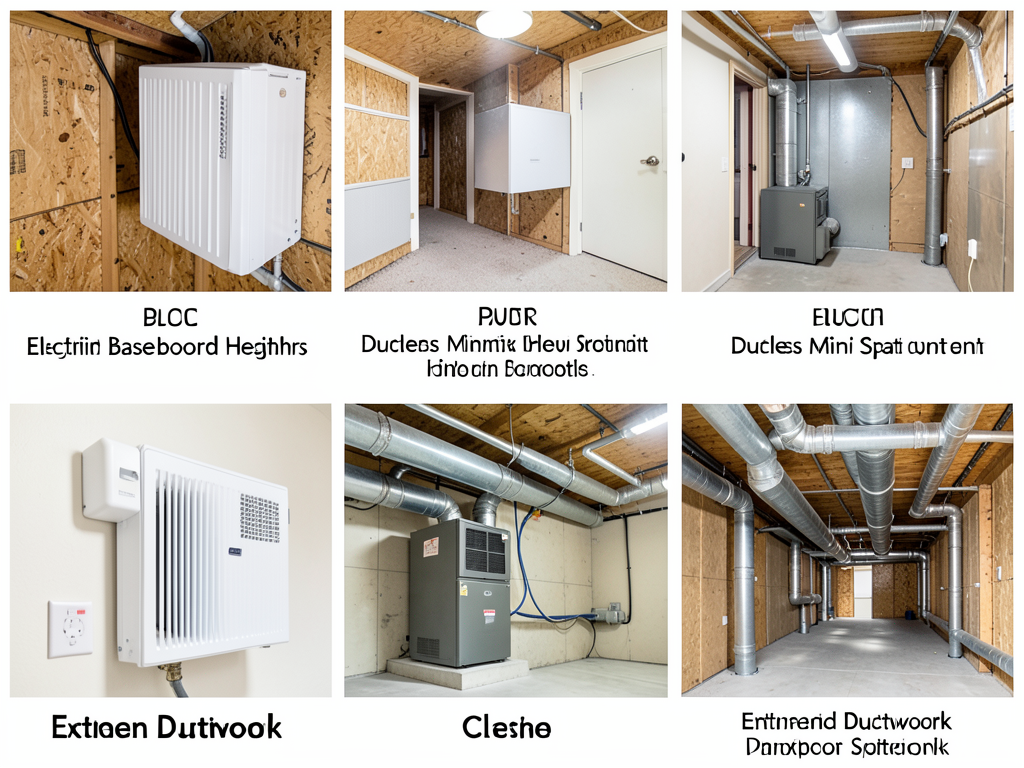
Ductless Mini-Split Systems (The Gold Standard)
Ductless mini-split systems have become the preferred solution for Dormont basements because they provide both heating and cooling without requiring extensive ductwork modifications. These systems consist of an outdoor compressor and one or more indoor air handlers mounted on walls or ceilings. Understanding Ductless Systems.
The key advantage is zoning capability. You can maintain different temperatures in your basement versus upstairs, eliminating the constant thermostat battles that plague multi-level homes. Modern mini-splits achieve SEER2 ratings up to 22, making them highly efficient even during Pittsburgh’s humid summers.
Installation typically takes 1-2 days and requires only a 3-inch hole through the foundation wall for refrigerant lines. The indoor units operate at sound levels below 25 decibels, making them quieter than most refrigerators.
Extending Existing Ductwork (Pros and Cons)
Extending your existing forced-air system to the basement seems like the most straightforward approach, but it comes with significant challenges. Most older Dormont homes have undersized ductwork that can’t handle the additional load without major modifications.
If your home has a newer high-efficiency furnace, extending ductwork might be feasible. However, you’ll need to calculate proper airflow using Manual J and Manual D protocols to ensure adequate heating and cooling distribution. Many homes require a second return air register in the basement to maintain proper air circulation. Emergency Furnace Services for Families Living in Baldwin and Whitehall.
The cost advantage of using existing equipment must be weighed against potential efficiency losses and the difficulty of running new ducts through finished walls and ceilings.
Electric Baseboard Heating (Budget-Friendly Options)
Electric baseboard heaters provide supplemental heating for basements where other options aren’t feasible. While not as efficient as heat pumps, they offer several advantages for specific situations.
Baseboard heaters operate independently of your main HVAC system, allowing you to heat only the basement when needed. They’re inexpensive to install, typically costing $300-500 per room, and require no ductwork or refrigerant lines.
However, electric resistance heating costs significantly more to operate than heat pumps or gas systems. In Pittsburgh’s climate, expect to pay 2-3 times more per BTU of heat compared to a high-efficiency heat pump.
Hybrid Heat Pump Systems
Hybrid systems combine the efficiency of heat pumps with the reliability of traditional heating for Pittsburgh’s cold winters. These systems use a heat pump as the primary heating source and automatically switch to a gas furnace when temperatures drop below the heat pump’s efficient operating range.
For basements, hybrid systems can include a dedicated heat pump for cooling and dehumidification, with electric resistance backup for extreme cold snaps. This approach provides year-round comfort while maintaining reasonable operating costs.
Modern hybrid systems achieve HSPF2 ratings up to 10, making them significantly more efficient than older heat pump technology.
The Importance of Dehumidification in Western PA
Many Pittsburgh homeowners focus solely on temperature control, but humidity management is equally critical for basement comfort. Pittsburgh’s summer humidity levels often exceed 80%, creating ideal conditions for mold growth and musty odors.
A dedicated basement dehumidifier should be part of any climate control system. Look for units with continuous drainage capability and automatic restart after power outages. Whole-house dehumidifiers integrated with your HVAC system can maintain relative humidity between 45-55%, the optimal range for comfort and mold prevention.
Proper dehumidification also improves the efficiency of your cooling system. Air conditioners must remove both heat and moisture to cool your space effectively. When humidity levels are controlled, your AC doesn’t have to work as hard, reducing energy consumption and extending equipment life. Energy Star certified equipment.
Pennsylvania Building Codes & Permit Requirements
Before beginning any basement HVAC project in Dormont, you must comply with Allegheny County’s building code requirements. The Pennsylvania UCC mandates specific permits for HVAC modifications, including ductless mini-split installations that penetrate exterior walls.
Section 403 of the UCC covers mechanical ventilation requirements for finished basements. Most finished basements require either mechanical ventilation or a means of natural ventilation, such as operable windows. The code also specifies minimum ceiling heights and emergency egress requirements that may affect equipment placement.
EPA Section 608 certification is required for any technician handling refrigerants during installation. This federal mandate ensures proper handling of HVAC refrigerants to prevent environmental damage. EPA Section 608 certification.
Local permitting typically takes 1-2 weeks and costs $100-300 depending on project scope. Working with a licensed contractor familiar with Dormont’s specific requirements can prevent costly delays and ensure code compliance.
Cost Analysis: Investment vs. Value Add
Basement HVAC projects in Dormont typically range from $3,000 for simple electric baseboard heating to $15,000+ for comprehensive ductless systems with dehumidification. The wide range reflects different approaches to solving comfort problems.
Ductless mini-split systems cost $4,500-8,000 for a typical basement installation, including equipment, labor, and electrical work. While this represents a significant investment, these systems can reduce energy costs by 30-50% compared to electric resistance heating.
Extending existing ductwork costs $2,000-5,000 but may require additional expenses for system balancing and potential furnace upgrades. The return on investment depends on your current system’s efficiency and the extent of modifications needed.
Energy efficiency improvements in your basement can also qualify for utility rebates. Duquesne Light and Peoples Gas often offer rebates for high-efficiency HVAC equipment, potentially reducing your net cost by 10-20%.
Choosing the Right Solution for Your Basement
The best HVAC solution for your Dormont basement depends on several factors: your home’s existing system, basement size and usage, budget constraints, and long-term plans for the space.
For occasional use spaces like home theaters or guest rooms, electric baseboard heating with a portable dehumidifier might suffice. For daily-use spaces like home offices or family rooms, a ductless mini-split system provides the best comfort and efficiency.
Consider future plans when making your decision. If you’re finishing additional basement areas in the coming years, investing in a more comprehensive system now could save money compared to multiple smaller installations.
Professional load calculations are essential for proper system sizing. A system that’s too small won’t maintain comfort, while an oversized system cycles on and off frequently, reducing efficiency and comfort.
Maintenance and Longevity Considerations
Proper maintenance extends the life of your basement HVAC system and maintains efficiency. Mini-split systems require annual cleaning of indoor and outdoor coils, filter replacement every 3-6 months, and condensate line inspection to prevent clogs.
Dehumidifiers need regular filter cleaning and condensate pump maintenance. Most units last 5-7 years with proper care, though commercial-grade models can operate for 10+ years.
Zone control systems benefit from periodic calibration to ensure proper temperature distribution. Smart thermostats can help monitor system performance and alert you to potential issues before they become major problems.
Energy Efficiency and Environmental Impact
Modern HVAC systems offer significant energy savings compared to older equipment. High-efficiency heat pumps use 50-70% less energy than electric resistance heating, while properly sized systems avoid the energy waste associated with oversized equipment.
Look for Energy Star certified equipment, which meets strict efficiency guidelines set by the EPA. These systems typically cost 10-15% more upfront but provide ongoing energy savings that offset the initial investment within 3-5 years.
Proper insulation complements your HVAC system by reducing heat transfer through basement walls and floors. Adding R-10 insulation to basement walls can reduce heating costs by 10-15% and improve cooling efficiency.
Frequently Asked Questions
How long does basement HVAC installation take?
Most basement HVAC installations in Dormont take 1-3 days depending on complexity. Simple electric baseboard heating can be completed in a single day, while ductless mini-split systems typically require 2 days including equipment mounting, line set installation, and system commissioning.
Will I need permits for my basement HVAC project?
Yes, most basement HVAC modifications require permits from Allegheny County. This includes ductless mini-split installations, ductwork modifications, and new gas line connections. Permit costs range from $100-300 and ensure your installation meets current building codes.
Can I install HVAC equipment myself?
DIY HVAC installation is not recommended and may void equipment warranties. Pennsylvania law requires EPA Section 608 certification for refrigerant handling, and improper installation can create safety hazards, reduce efficiency, and lead to costly repairs.
How do I know what size system I need?
Proper system sizing requires Manual J calculations that account for your basement’s square footage, insulation levels, window area, and local climate conditions. Most basements need 20-30 BTU per square foot, but factors like high ceilings or poor insulation may increase requirements.
What’s the most energy-efficient option for basement heating?
Heat pump systems, particularly ductless mini-splits, offer the highest efficiency for basement heating in Pittsburgh’s climate. Modern heat pumps achieve efficiencies of 300-400% compared to 100% for electric resistance heating, significantly reducing operating costs.

Take the Next Step Toward Basement Comfort
Don’t let another season pass with an uncomfortable basement. The right HVAC solution can transform your Dormont finished basement into a comfortable, usable space year-round. Whether you need a simple heating solution or a comprehensive climate control system, professional guidance ensures you get the right equipment for your specific needs.
Call (412) 387-0477 today to schedule your free consultation. Our experienced technicians will evaluate your basement’s unique requirements and recommend solutions that fit your budget and comfort goals. We serve Dormont and all of Pittsburgh’s South Hills communities with prompt, professional service.
Pick up the phone and call (412) 387-0477 before the next heat wave or cold snap hits. Your comfortable basement is just one call away.
{
“@context”: “https://schema.org”,
“@type”: “BlogPosting”,
“headline”: “How to Finally Get Your Dormont Finished Basement Feeling Comfortable”,
“description”: “Struggling with a cold, damp Dormont basement? Discover HVAC solutions that actually work in Pittsburgh’s unique climate. Call (412) 387-0477 for expert help today.”,
“wordCount”: 1794,
“datePublished”: “2026-03-22T07:35:00.000Z”,
“dateModified”: “2026-03-22T07:35:00.000Z”,
“inLanguage”: “en-US”,
“mainEntityOfPage”: {
“@type”: “WebPage”,
“@id”: “https://apexhvacpittsburgh.com”
},
“publisher”: {
“@type”: “LocalBusiness”,
“name”: “Apex HVAC Pittsburgh”,
“url”: “https://apexhvacpittsburgh.com”
},
“author”: {
“@type”: “Organization”,
“name”: “Apex HVAC Pittsburgh”,
“url”: “https://apexhvacpittsburgh.com”
},
“image”: {
“@type”: “ImageObject”,
“url”: “https://apexhvacpittsburgh.com/wp-content/uploads/2026/03/how-to-finally-get-your-dormont-finished-basement-1.png”
}
}
{
“@context”: “https://schema.org”,
“@type”: “HVACBusiness”,
“name”: “Apex HVAC Pittsburgh”,
“url”: “https://apexhvacpittsburgh.com”,
“address”: {
“@type”: “PostalAddress”,
“addressLocality”: “Pittsburgh”
},
“areaServed”: {
“@type”: “City”,
“name”: “Pittsburgh”
}
}
{
“@context”: “https://schema.org”,
“@type”: “FAQPage”,
“mainEntity”: [
{
“@type”: “Question”,
“name”: “How long does basement HVAC installation take?”,
“acceptedAnswer”: {
“@type”: “Answer”,
“text”: “Most basement HVAC installations in Dormont take 1-3 days depending on complexity. Simple electric baseboard heating can be completed in a single day, while ductless mini-split systems typically require 2 days including equipment mounting, line set installation, and system commissioning.”
}
},
{
“@type”: “Question”,
“name”: “Will I need permits for my basement HVAC project?”,
“acceptedAnswer”: {
“@type”: “Answer”,
“text”: “Yes, most basement HVAC modifications require permits from Allegheny County. This includes ductless mini-split installations, ductwork modifications, and new gas line connections. Permit costs range from $100-300 and ensure your installation meets current building codes.”
}
},
{
“@type”: “Question”,
“name”: “Can I install HVAC equipment myself?”,
“acceptedAnswer”: {
“@type”: “Answer”,
“text”: “DIY HVAC installation is not recommended and may void equipment warranties. Pennsylvania law requires EPA Section 608 certification for refrigerant handling, and improper installation can create safety hazards, reduce efficiency, and lead to costly repairs.”
}
},
{
“@type”: “Question”,
“name”: “How do I know what size system I need?”,
“acceptedAnswer”: {
“@type”: “Answer”,
“text”: “Proper system sizing requires Manual J calculations that account for your basement’s square footage, insulation levels, window area, and local climate conditions. Most basements need 20-30 BTU per square foot, but factors like high ceilings or poor insulation may increase requirements.”
}
},
{
“@type”: “Question”,
“name”: “What’s the most energy-efficient option for basement heating?”,
“acceptedAnswer”: {
“@type”: “Answer”,
“text”: “Heat pump systems, particularly ductless mini-splits, offer the highest efficiency for basement heating in Pittsburgh’s climate. Modern heat pumps achieve efficiencies of 300-400% compared to 100% for electric resistance heating, significantly reducing operating costs.”
}
}
]
}
{
“@context”: “https://schema.org”,
“@type”: “BreadcrumbList”,
“itemListElement”: [
{
“@type”: “ListItem”,
“position”: 1,
“name”: “Home”,
“item”: “https://apexhvacpittsburgh.com”
},
{
“@type”: “ListItem”,
“position”: 2,
“name”: “Blog”,
“item”: “https://apexhvacpittsburgh.com/blog”
},
{
“@type”: “ListItem”,
“position”: 3,
“name”: “How to Finally Get Your Dormont Finished Basement Feeling Comfortable”
}
]
}
{
“@context”: “https://schema.org”,
“@type”: “Service”,
“serviceType”: “HVAC”,
“provider”: {
“@type”: “LocalBusiness”,
“name”: “Apex HVAC Pittsburgh”,
“url”: “https://apexhvacpittsburgh.com”
},
“areaServed”: {
“@type”: “City”,
“name”: “Pittsburgh”
},
“description”: “Struggling with a cold, damp Dormont basement? Discover HVAC solutions that actually work in Pittsburgh’s unique climate. Call (412) 387-0477 for expert help today.”
}