
How to Prevent Fireplace Smoke from Getting Trapped in Your Stanton Heights HVAC System
Fireplace season in Pittsburgh means cozy nights by the hearth. But if smoke is backing up into your home or your HVAC system is circulating smoky air, you have a problem. In Stanton Heights, where many homes feature traditional wood-burning fireplaces, pressure imbalances and poor filtration can pull smoke into your ductwork. This guide explains why it happens, how to stop it, and what local building codes require for safe operation. The Homeowners Guide to Replacing an Aging Boiler in Bloomfield.
Within the first 100 words: If your fireplace is sending smoke into your HVAC system, the fix starts with understanding pressure dynamics and upgrading your air filtration. Pittsburgh’s cold winters create negative pressure in tightly sealed homes, pulling smoke through gaps in your ductwork. Standard 1-inch furnace filters trap dust but miss the fine particulate matter in wood smoke. The solution involves proper venting, sealed duct connections, and MERV 13 filters or whole-home air purifiers designed for smoke removal. Emergency Furnace Services for Families Living in Baldwin and Whitehall.
What Makes Fireplace Smoke So Problematic in Pittsburgh Homes?
Wood smoke contains PM2.5 particles smaller than 2.5 microns. These microscopic particles bypass standard filters and carry volatile organic compounds that create lingering odors. In Stanton Heights, where many homes date to the early 1900s with original ductwork, gaps around joints allow smoke infiltration. Pittsburgh’s winter temperature inversions trap pollutants near ground level, increasing indoor exposure when you burn wood.. Read more about Improving Indoor Air Quality in Your Overbrook Home After Upgrading to Modern Windows.
Local building code Allegheny County Mechanical Code Section 603 requires proper venting for all fuel-burning appliances. Your fireplace needs adequate combustion air supply to prevent backdrafting. Without it, your HVAC system creates negative pressure that pulls smoke through every crack in your home envelope.
Why Standard Furnace Filters Fail Against Smoke
Standard 1-inch fiberglass filters capture particles 10 microns and larger. Wood smoke particles range from 0.1 to 2.5 microns. That means 90% of smoke particles pass right through. The filter gets clogged with larger dust, reducing airflow while smoke circulates freely.
Electronic air cleaners can help but require regular cleaning. Many Pittsburgh homeowners disable them because dirty cells reduce efficiency. The real solution is media depth and MERV rating. A MERV 13 filter has 4-5 inches of pleated media that captures smoke particles through mechanical and electrostatic means.
Comparing Air Filtration Options for Smoke Removal
| Filter Type | MERV Rating | Smoke Particle Capture | Best For |
|---|---|---|---|
| Standard Fiberglass | 4-6 | Less than 10% | Dust only |
| Pleated Media | 8-11 | 30-50% | Basic allergens |
| MERV 13 Pleated | 13 | 85%+ including smoke | Wood smoke, fine particles |
| HEPA | 17-20 | 99.97%+ down to 0.3 microns | Severe allergies, smoke |
HEPA filters require modified HVAC systems. Standard furnaces cannot handle the pressure drop. A MERV 13 filter fits most systems and captures smoke particles effectively without restricting airflow. Winterizing Your HVAC System.
Whole-Home Air Purifiers vs. Portable Units
Portable air purifiers clean one room at a time. In a Stanton Heights home with 1,500+ square feet, you would need multiple units running constantly. Whole-home air purifiers install directly into your ductwork and clean all air passing through your system.. Read more about Why You Might Need a High Performance Air Purifier if You Live Near Neville Island.
Electronic air cleaners use charged plates to attract particles. They work well for smoke but require monthly cleaning. Media air cleaners use dense filters that trap particles mechanically. They need replacement every 6-12 months but require no maintenance.
Activated carbon filters absorb odors and VOCs from smoke. They complement particle filters by removing the smell that lingers after visible smoke clears. Pittsburgh’s humid summers can reduce carbon filter effectiveness, so replacement timing matters.
Stanton Heights-Specific Pressure Issues
Stanton Heights homes sit on Pittsburgh’s hilly terrain, creating unique airflow patterns. Cold air sinks into valleys while warm air rises, establishing natural pressure gradients. When you burn wood, your fireplace consumes indoor air for combustion. If your home is sealed tight for energy efficiency, this creates negative pressure.
The diagnostic test: Light a stick of incense near your fireplace when it’s not burning. If smoke blows into the room instead of up the chimney, you have negative pressure. This happens most often when your HVAC system runs and pulls air from every room.
Solution: Install a dedicated combustion air duct that brings outside air directly to your fireplace. This maintains neutral pressure and prevents smoke backdrafting. Pittsburgh building code requires this for new installations but many older homes lack this feature.
Step-by-Step Process to Eliminate Fireplace Smoke in Your HVAC
- Diagnose Pressure Imbalances
Check for negative pressure using smoke testing or an incense stick near the fireplace. Look for air leaks around doors, windows, and duct connections.
- Seal Duct Leaks
Inspect ductwork joints and seal any gaps with mastic sealant. Pay special attention to return air ducts that pull air from smoky areas.
- Upgrade Air Filtration
Install MERV 13 filters or a whole-home air purifier. Replace filters every 3 months during fireplace season.
- Improve Ventilation
Add a combustion air duct or outside air intake to your HVAC system. This balances pressure when the fireplace burns.
- Maintain Your Fireplace
Clean your chimney annually to ensure proper draft. Check that the damper opens fully and seals tightly when closed.
Local Pittsburgh Air Quality Considerations
Allegheny County Health Department monitors air quality year-round. During winter months, temperature inversions trap pollutants close to the ground. Wood smoke contributes significantly to PM2.5 levels, especially in residential areas like Stanton Heights.
Current EPA PM2.5 standards limit annual average concentrations to 12 micrograms per cubic meter. Many Pittsburgh neighborhoods exceed this during heavy fireplace use. Your indoor air can be 2-5 times more polluted than outdoor air without proper filtration.
Local weather patterns affect smoke behavior. North winds carry smoke from industrial areas, while valley locations trap your own fireplace emissions. Understanding these patterns helps you time fireplace use for minimal impact. Understanding Ductless Systems.
Maintenance Schedule for Smoke-Free Operation
- Monthly: Check air filter condition. Replace if visibly dirty.
- Quarterly: Inspect ductwork for leaks or gaps. Seal any found.
- Annually: Professional chimney cleaning and inspection. Check fireplace draft.
- Seasonally: Test combustion air intake and HVAC pressure balance.
- Before heavy use: Replace air filters and clean air purifier components.
Stanton Heights homes built before 1950 often have original ductwork with loose joints. These require more frequent inspection than newer homes. The clay soil common in Pittsburgh’s East End causes foundation movement that opens new gaps each year.
Common Mistakes That Make Smoke Problems Worse
Closing bedroom doors while burning wood creates pressure differentials that pull smoke through ductwork. Your HVAC system cannot compensate for these imbalances. Leave interior doors open or install transfer grilles.
Running exhaust fans while burning wood compounds negative pressure. Bathroom fans, range hoods, and clothes dryers all pull air out of your home. This air must come from somewhere, often through your fireplace.
Using unseasoned wood produces more smoke and creosote. Wet wood burns inefficiently, creating cooler chimney temperatures that reduce draft. Always burn seasoned hardwood with moisture content below 20%.
When to Call a Professional HVAC Technician
DIY fixes work for simple pressure imbalances, but some smoke problems require professional diagnosis. Call Apex HVAC Pittsburgh if you notice:
- Persistent smoke odors even when the fireplace isn’t burning
- Visible soot around air vents or on walls
- Difficulty maintaining a fire due to poor draft
- Condensation on windows when burning wood
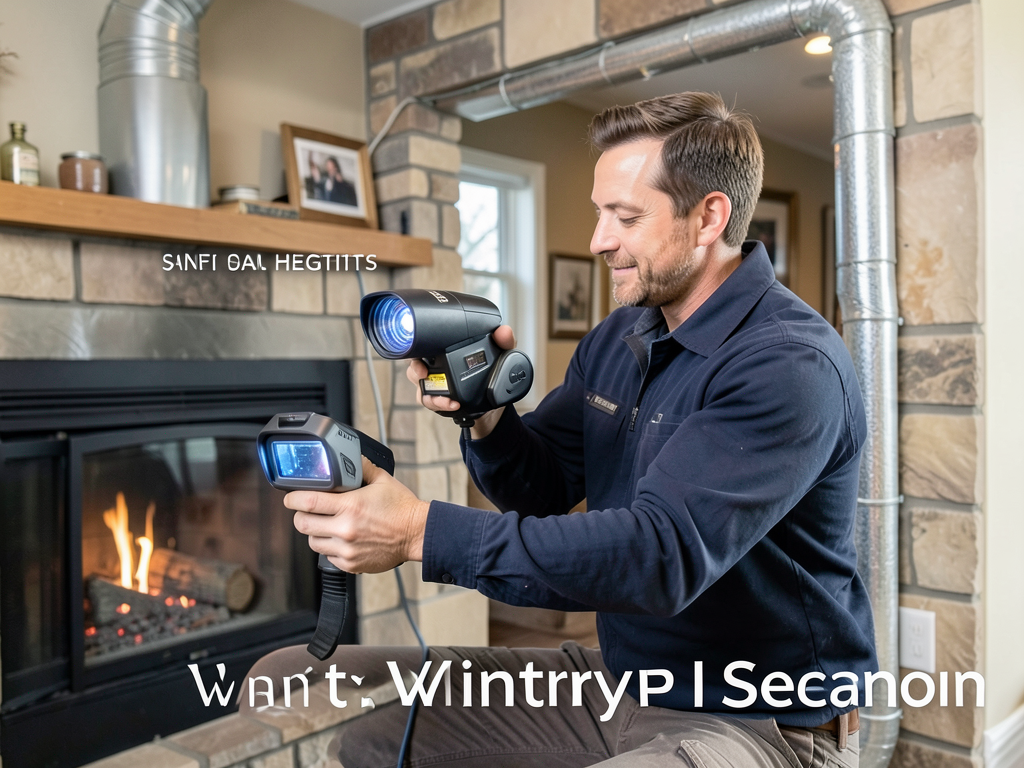
Our technicians use thermal imaging to locate hidden duct leaks and pressure testing to identify system imbalances. We install whole-home air purification systems specifically calibrated for Pittsburgh’s air quality challenges.
Frequently Asked Questions
Can I use a HEPA filter in my existing furnace?
Most standard furnaces cannot handle HEPA filters due to high pressure drop. HEPA requires modified systems or separate air purification units. A MERV 13 filter offers similar smoke capture without system modifications.
Does a charcoal filter help with smoke smell?
Yes, activated carbon filters absorb smoke odors and VOCs. They work best as part of a two-stage system with particle filtration. Replace carbon filters every 6-12 months for maximum effectiveness.
How often should I clean my chimney in Pittsburgh?
Annual cleaning is minimum. If you burn wood frequently during Pittsburgh’s long winters, clean every 6 months. Creosote buildup reduces draft and increases fire risk.
Will a whole-home air purifier increase my energy bills?
Modern air purifiers add minimal energy cost, typically $5-15 per month. The improved air quality and reduced HVAC maintenance often offset this expense.
Call (412) 387-0477 today to schedule your smoke elimination inspection. Don’t let another winter pass with smoky air circulating through your Stanton Heights home. Our local technicians understand Pittsburgh’s unique pressure challenges and building codes.
Pick up the phone and call (412) 387-0477 before the next cold snap hits. We’ll test your system, seal duct leaks, and install the right filtration to keep your air clean all winter long. Serving Stanton Heights and all Pittsburgh neighborhoods with 15+ years of local HVAC expertise.
{
“@context”: “https://schema.org”,
“@type”: “BlogPosting”,
“headline”: “How to Prevent Fireplace Smoke from Getting Trapped in Your Stanton Heights HVAC System”,
“description”: “Learn how to stop fireplace smoke from entering your Stanton Heights HVAC system. Discover air filtration solutions, local Pittsburgh air quality tips, and expert HVAC fixes.”,
“wordCount”: 1482,
“datePublished”: “2026-05-26T09:32:00.000Z”,
“dateModified”: “2026-05-26T09:32:00.000Z”,
“inLanguage”: “en-US”,
“mainEntityOfPage”: {
“@type”: “WebPage”,
“@id”: “https://apexhvacpittsburgh.com”
},
“publisher”: {
“@type”: “LocalBusiness”,
“name”: “Apex HVAC Pittsburgh”,
“url”: “https://apexhvacpittsburgh.com”
},
“author”: {
“@type”: “Organization”,
“name”: “Apex HVAC Pittsburgh”,
“url”: “https://apexhvacpittsburgh.com”
},
“image”: {
“@type”: “ImageObject”,
“url”: “https://apexhvacpittsburgh.com/wp-content/uploads/2026/03/how-to-prevent-fireplace-smoke-from-getting-trappe-1.png”
}
}
{
“@context”: “https://schema.org”,
“@type”: “HVACBusiness”,
“name”: “Apex HVAC Pittsburgh”,
“url”: “https://apexhvacpittsburgh.com”,
“address”: {
“@type”: “PostalAddress”,
“addressLocality”: “Pittsburgh”
},
“areaServed”: {
“@type”: “City”,
“name”: “Pittsburgh”
}
}
{
“@context”: “https://schema.org”,
“@type”: “FAQPage”,
“mainEntity”: [
{
“@type”: “Question”,
“name”: “What Makes Fireplace Smoke So Problematic in Pittsburgh Homes?”,
“acceptedAnswer”: {
“@type”: “Answer”,
“text”: “Wood smoke contains PM2.5 particles smaller than 2.5 microns. These microscopic particles bypass standard filters and carry volatile organic compounds that create lingering odors. In Stanton Heights, where many homes date to the early 1900s with original ductwork, gaps around joints allow smoke infiltration. Pittsburgh’s winter temperature inversions trap pollutants near ground level, increasing indoor exposure when you burn wood.”
}
},
{
“@type”: “Question”,
“name”: “Can I use a HEPA filter in my existing furnace?”,
“acceptedAnswer”: {
“@type”: “Answer”,
“text”: “Most standard furnaces cannot handle HEPA filters due to high pressure drop. HEPA requires modified systems or separate air purification units. A MERV 13 filter offers similar smoke capture without system modifications.”
}
},
{
“@type”: “Question”,
“name”: “Does a charcoal filter help with smoke smell?”,
“acceptedAnswer”: {
“@type”: “Answer”,
“text”: “Yes, activated carbon filters absorb smoke odors and VOCs. They work best as part of a two-stage system with particle filtration. Replace carbon filters every 6-12 months for maximum effectiveness.”
}
},
{
“@type”: “Question”,
“name”: “How often should I clean my chimney in Pittsburgh?”,
“acceptedAnswer”: {
“@type”: “Answer”,
“text”: “Annual cleaning is minimum. If you burn wood frequently during Pittsburgh’s long winters, clean every 6 months. Creosote buildup reduces draft and increases fire risk.”
}
},
{
“@type”: “Question”,
“name”: “Will a whole-home air purifier increase my energy bills?”,
“acceptedAnswer”: {
“@type”: “Answer”,
“text”: “Modern air purifiers add minimal energy cost, typically $5-15 per month. The improved air quality and reduced HVAC maintenance often offset this expense.”
}
}
]
}
{
“@context”: “https://schema.org”,
“@type”: “HowTo”,
“name”: “How to Eliminate Fireplace Smoke”,
“step”: [
{
“@type”: “HowToStep”,
“position”: 1,
“name”: “Diagnose Pressure Imbalances”,
“text”: “Check for negative pressure using smoke testing or an incense stick near the fireplace. Look for air leaks around doors, windows, and duct connections.”
},
{
“@type”: “HowToStep”,
“position”: 2,
“name”: “Seal Duct Leaks”,
“text”: “Inspect ductwork joints and seal any gaps with mastic sealant. Pay special attention to return air ducts that pull air from smoky areas.”
},
{
“@type”: “HowToStep”,
“position”: 3,
“name”: “Upgrade Air Filtration”,
“text”: “Install MERV 13 filters or a whole-home air purifier. Replace filters every 3 months during fireplace season.”
},
{
“@type”: “HowToStep”,
“position”: 4,
“name”: “Improve Ventilation”,
“text”: “Add a combustion air duct or outside air intake to your HVAC system. This balances pressure when the fireplace burns.”
},
{
“@type”: “HowToStep”,
“position”: 5,
“name”: “Maintain Your Fireplace”,
“text”: “Clean your chimney annually to ensure proper draft. Check that the damper opens fully and seals tightly when closed.”
}
],
“image”: “https://apexhvacpittsburgh.com/wp-content/uploads/2026/03/how-to-prevent-fireplace-smoke-from-getting-trappe-1.png”
}
{
“@context”: “https://schema.org”,
“@type”: “BreadcrumbList”,
“itemListElement”: [
{
“@type”: “ListItem”,
“position”: 1,
“name”: “Home”,
“item”: “https://apexhvacpittsburgh.com”
},
{
“@type”: “ListItem”,
“position”: 2,
“name”: “Blog”,
“item”: “https://apexhvacpittsburgh.com/blog”
},
{
“@type”: “ListItem”,
“position”: 3,
“name”: “How to Prevent Fireplace Smoke from Getting Trapped in Your Stanton Heights HVAC System”
}
]
}
{
“@context”: “https://schema.org”,
“@type”: “Service”,
“serviceType”: “HVAC”,
“provider”: {
“@type”: “LocalBusiness”,
“name”: “Apex HVAC Pittsburgh”,
“url”: “https://apexhvacpittsburgh.com”
},
“areaServed”: {
“@type”: “City”,
“name”: “Pittsburgh”
},
“description”: “Learn how to stop fireplace smoke from entering your Stanton Heights HVAC system. Discover air filtration solutions, local Pittsburgh air quality tips, and expert HVAC fixes.”
}