
Passing Your HVAC Inspection Before Selling Your Home in Churchill
Selling your home in Churchill requires more than just a clean kitchen and fresh paint. Your HVAC system must pass inspection to avoid costly delays and buyer negotiations. In 2026, Pennsylvania real estate transactions demand thorough mechanical verification, especially in older neighborhoods where systems often exceed their expected lifespan. A failed HVAC inspection can derail a sale faster than any other single issue, making professional pre-listing evaluation essential for a smooth transaction. Pennsylvania Uniform Construction Code.
Churchill homes built before 1980 typically feature aging boilers, original ductwork, or outdated furnace systems that inspectors scrutinize closely. The Pennsylvania Uniform Construction Code requires all HVAC systems to meet current safety standards, including proper venting, combustion air supply, and carbon monoxide detection. Buyers and their inspectors look for operational efficiency, safety compliance, and signs of imminent failure that could justify price reductions or repair requests. EPA Section 608 certification.
Exterior Inspection: The AC Unit and Condenser
Start your inspection at the outdoor condensing unit. Level concrete pads prevent vibration damage and ensure proper drainage. Inspectors check for at least 24 inches of clearance from vegetation, fences, and walls to maintain airflow. Rusted or corroded coils indicate age and potential refrigerant leaks, while bent fins reduce efficiency by up to 30 percent.. Read more about How to Handle HVAC Drainage if You Use a Septic System in Rural Oakdale.
Refrigerant lines must show intact insulation without cracks or gaps. Missing insulation causes condensation and energy waste. The disconnect switch should operate smoothly, and all wiring connections must be protected from weather exposure. Levelness matters because tilted units strain internal components and accelerate bearing wear.
Interior Inspection: Furnace, Boiler, and Air Handler
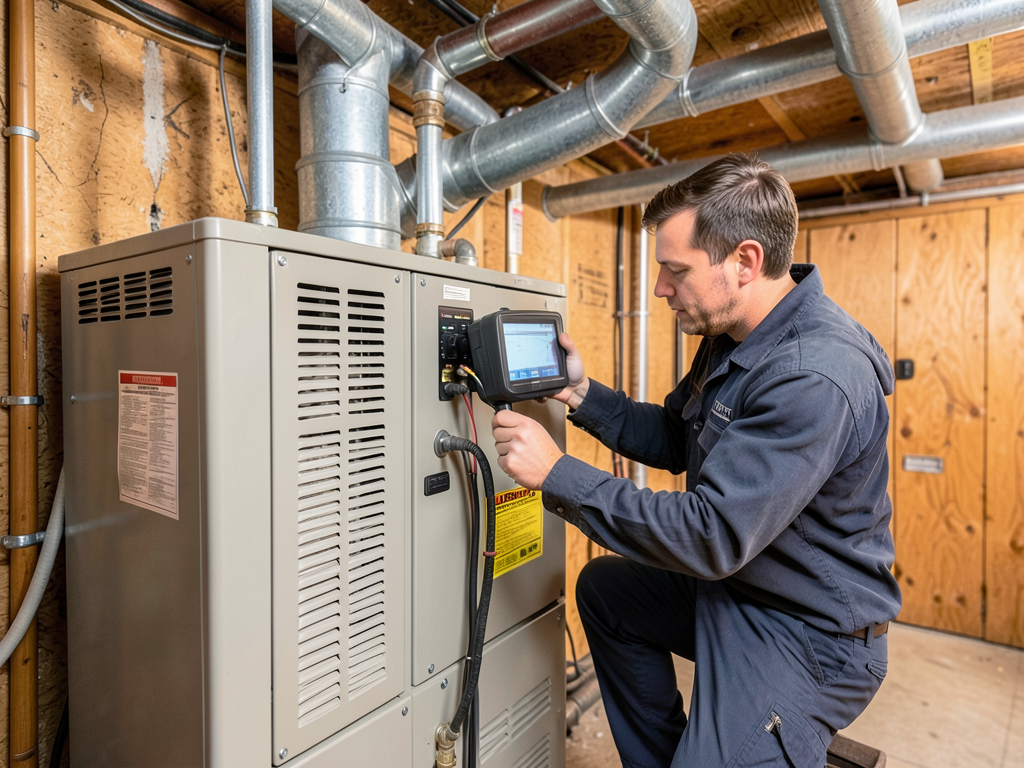
Inside your Churchill home, the furnace or boiler represents the highest safety concern. Cracked heat exchangers allow carbon monoxide to enter living spaces, creating immediate deal-breakers. Professional technicians use combustion analyzers to verify proper burner operation and measure CO levels in flue gases. Pennsylvania code requires CO detectors within 15 feet of all sleeping areas. Emergency Furnace Services for Families Living in Baldwin and Whitehall.
AFUE ratings determine efficiency expectations. Systems below 80 percent efficiency often face replacement recommendations rather than repair approvals. Older standing-pilot furnaces waste gas continuously, while electronic ignition systems offer better reliability. Burners should produce blue flames without yellow tipping, which indicates incomplete combustion and potential carbon monoxide production. Winterizing Your HVAC System.
Boilers in Churchill’s historic homes require special attention. Pressure relief valves must operate correctly to prevent dangerous overpressure situations. Expansion tanks should maintain proper air charge, and all piping must be properly supported to prevent stress on connections. Leaking relief valves or expansion tanks signal system age and replacement needs.
Distribution and Air Quality: Ductwork and Filtration
Duct inspection focuses on three critical factors: integrity, cleanliness, and sizing. Visible gaps in ductwork connections waste conditioned air and reduce system efficiency. Inspectors look for proper sealing at joints, especially in unconditioned spaces like attics and crawl spaces where air loss costs money.
Mold growth in ductwork raises serious health concerns and often requires professional remediation before sale approval. Dark spots or musty odors indicate moisture problems that need addressing. Return air pathways must remain unobstructed, with filters installed correctly to prevent debris from entering the system.
Airflow measurements verify proper system design. Weak airflow suggests duct restrictions, undersized returns, or blower motor issues. Inspectors use anemometers to measure velocity at supply registers, comparing results to manufacturer specifications. Inadequate airflow causes comfort complaints and system inefficiency.
The Pittsburgh Special: Boilers and Radiators
Churchill’s older homes often feature steam or hot water boiler systems with cast-iron radiators. These systems require specific inspection criteria different from forced-air furnaces. Pressure gauges should read within manufacturer specifications, typically 12-30 psi for residential hot water systems.
Steam systems operate at very low pressure, usually under 2 psi, but require proper venting to function correctly. Air vents on radiators must be open and free of mineral deposits. Blocked vents cause cold spots and system imbalance. Expansion tanks in older systems may contain waterlogged diaphragms, reducing their effectiveness.
Zone valves and circulator pumps in multi-zone systems should operate quietly without unusual noise. Grinding or humming indicates bearing wear or electrical issues. All valves must open and close smoothly, with no visible leaks at connection points. Rust around fittings suggests moisture problems requiring immediate attention.
Red Flags: When to Walk Away or Negotiate
Certain HVAC conditions justify significant price negotiations or buyer withdrawal. Systems over 15 years old face higher scrutiny, especially if maintenance records are unavailable. Missing serial plates prevent age verification, creating uncertainty about replacement timing.
R-22 refrigerant systems present major red flags in 2026. This phased-out refrigerant costs up to five times more than modern alternatives, making even minor leaks financially burdensome. Replacement becomes the only practical option when leaks occur in older systems.
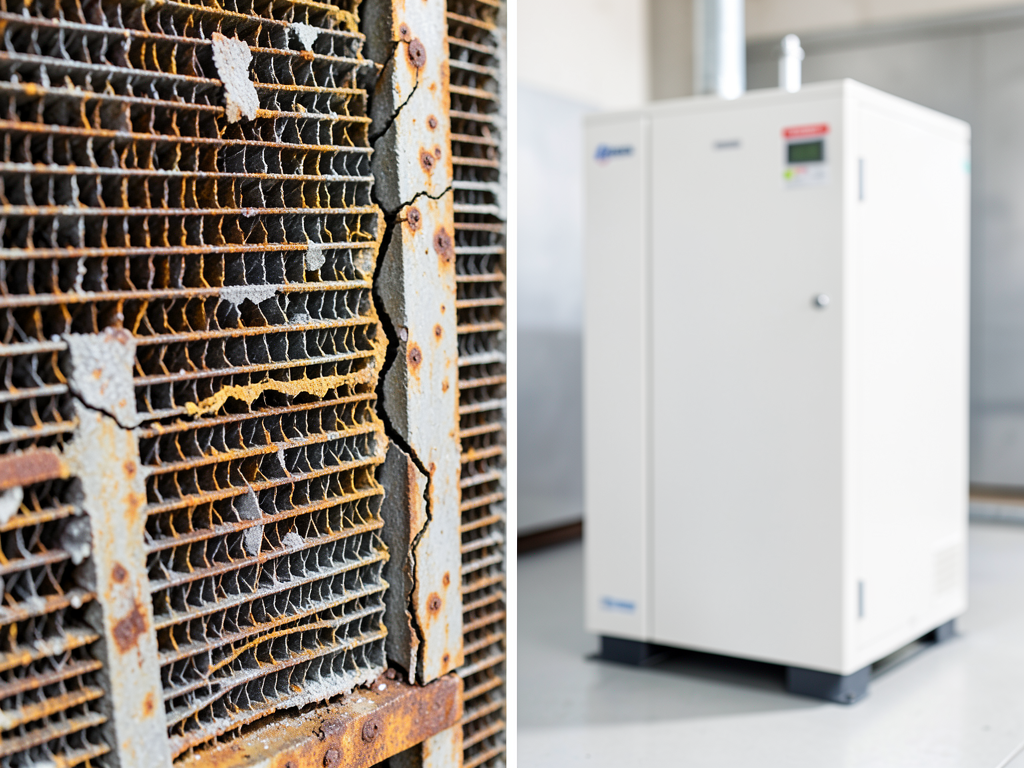
Visible corrosion on heat exchangers, burners, or flue pipes indicates advanced deterioration. White powdery deposits around connections suggest galvanic corrosion from mixed metal types. These conditions often mean system failure within one to two years, justifying substantial repair credits.
Carbon monoxide testing results above 100 ppm in flue gases require immediate shutdown and replacement. Even lower readings of 25-99 ppm indicate combustion problems needing correction. Pennsylvania code mandates CO detector installation when replacing combustion appliances.
Professional Pre-Sale Inspection Benefits
Hiring a certified HVAC technician before listing provides negotiation advantages. Professional inspections identify issues months before buyer scrutiny, allowing planned repairs rather than emergency responses. NATE-certified technicians understand real estate transaction requirements and provide documentation acceptable to all parties.
Service records demonstrate maintenance history, potentially increasing buyer confidence. Well-documented systems with regular filter changes, annual tune-ups, and prompt repairs command better offers than neglected equipment. Buyers appreciate knowing they won’t face immediate replacement costs.
Efficiency testing reveals operational costs buyers factor into affordability calculations. High-efficiency systems with SEER2 ratings above 16 or AFUE ratings above 90 appeal to energy-conscious buyers. Older systems may benefit from tune-ups that restore lost efficiency before marketing.
Pennsylvania Disclosure Requirements
Pennsylvania law requires sellers to disclose known material defects, including HVAC system issues. Failing to disclose known problems can result in post-sale litigation. Professional inspections create documentation trails showing seller diligence and good faith efforts to address issues.
Transferable warranties add value to the transaction. Extended parts warranties or maintenance agreements transfer to new owners, providing peace of mind. Service contracts demonstrate system reliability and ongoing support availability.
Utility company records help verify system performance. High gas or electric bills may indicate efficiency problems buyers will discover during due diligence. Addressing these issues before listing prevents buyer ammunition during negotiations.
Cost-Benefit Analysis for Sellers
Minor repairs often pay for themselves through smoother transactions and better offers. Cleaning condenser coils, replacing filters, and fixing minor duct leaks cost hundreds but prevent thousands in price reductions. Buyers discount asking prices more than repair costs to compensate for inconvenience and uncertainty.
Major system replacements require careful timing analysis. If replacement costs $5,000-$10,000 but only extends system life three to five years, waiting for buyer negotiation might prove more economical. However, systems showing multiple failure signs often justify preemptive replacement to avoid transaction delays.
Energy efficiency upgrades appeal to modern buyers. High-efficiency replacements with smart thermostats and zoning controls differentiate properties in competitive markets. These improvements often recover costs through faster sales and higher offers.
Final Preparation Checklist
Test all HVAC components before listing. Run heating and cooling systems through complete cycles to verify operation. Listen for unusual noises that might concern buyers or inspectors. Check thermostat calibration and programming features.
Clean or replace air filters throughout the home. Clogged filters suggest poor maintenance and reduce system efficiency. Consider professional duct cleaning if visible dust accumulation exists or if occupants have respiratory sensitivities.
Clear outdoor units of debris, vegetation, and stored items. Provide at least two feet of clearance on all sides for proper airflow. Level any settling that occurred since installation.
Document all repairs, maintenance, and upgrades. Create a binder with service records, warranty information, and efficiency ratings. Buyers appreciate transparency and detailed system information.
Consider professional staging of mechanical rooms. Clean, organized utility spaces suggest overall home care quality. Label shut-off valves and provide operating instructions for complex systems.
Frequently Asked Questions
How long does a pre-sale HVAC inspection take?
Most comprehensive inspections require 60-90 minutes for thorough evaluation of all system components, including safety testing and efficiency measurements.
What documents should I provide to buyers?
Provide maintenance records, warranty information, efficiency ratings, and any recent repair invoices. Include system age verification and replacement part details.
Can I sell a home with an old HVAC system?
Yes, but be prepared for price negotiations or repair requests. Disclose system age and condition honestly to avoid post-sale disputes.
What’s the most common HVAC failure in Churchill homes?
Cracked heat exchangers in older furnaces and leaking relief valves in aging boilers represent the most frequent serious issues found during inspections.
How much should I budget for HVAC repairs before selling?
Budget $500-$2,000 for typical pre-sale repairs like cleaning, minor adjustments, and small part replacements to avoid larger negotiation losses.
Ready to Pass Your HVAC Inspection?
Don’t let HVAC problems derail your Churchill home sale. Professional inspection and preparation save time, money, and stress during the selling process. Our NATE-certified technicians understand Pennsylvania real estate requirements and provide comprehensive evaluations that satisfy even the most thorough buyer inspectors.
Call (412) 387-0477 today to schedule your pre-sale HVAC inspection. We’ll identify potential issues, recommend cost-effective solutions, and provide documentation that builds buyer confidence. Our same-day service availability means you won’t miss important listing deadlines.
Pick up the phone and call (412) 387-0477 before the next storm hits. Churchill’s weather extremes can stress aging systems, making timely inspection essential for successful home sales. Don’t wait until a buyer’s inspector finds problems that could have been prevented.
Learn more about indoor air quality improvements that add value to your Churchill home and appeal to health-conscious buyers.
You may also find this helpful. Choosing Between Carrier and Goodman for Your Next North Hills Furnace Replacement.
You may also find this helpful. Deciding Between a Combo Boiler and a Separate Water Heater for Your Crafton Heights Project.
{
“@context”: “https://schema.org”,
“@type”: “BlogPosting”,
“headline”: “Passing Your HVAC Inspection Before Selling Your Home in Churchill”,
“description”: “Ensure your Churchill home passes HVAC inspection with our expert guide. Learn key checks, red flags, and local codes to avoid costly delays when selling.”,
“wordCount”: 1649,
“datePublished”: “2026-05-29T12:00:00.000Z”,
“dateModified”: “2026-05-29T12:00:00.000Z”,
“inLanguage”: “en-US”,
“mainEntityOfPage”: {
“@type”: “WebPage”,
“@id”: “https://apexhvacpittsburgh.com”
},
“publisher”: {
“@type”: “LocalBusiness”,
“name”: “Apex HVAC Pittsburgh”,
“url”: “https://apexhvacpittsburgh.com”
},
“author”: {
“@type”: “Organization”,
“name”: “Apex HVAC Pittsburgh”,
“url”: “https://apexhvacpittsburgh.com”
},
“image”: {
“@type”: “ImageObject”,
“url”: “https://apexhvacpittsburgh.com/wp-content/uploads/2026/03/passing-your-hvac-inspection-before-selling-your-h-1.png”
}
}
{
“@context”: “https://schema.org”,
“@type”: “HVACBusiness”,
“name”: “Apex HVAC Pittsburgh”,
“url”: “https://apexhvacpittsburgh.com”,
“address”: {
“@type”: “PostalAddress”,
“addressLocality”: “Pittsburgh”
},
“areaServed”: {
“@type”: “City”,
“name”: “Pittsburgh”
}
}
{
“@context”: “https://schema.org”,
“@type”: “FAQPage”,
“mainEntity”: [
{
“@type”: “Question”,
“name”: “How long does a pre-sale HVAC inspection take?”,
“acceptedAnswer”: {
“@type”: “Answer”,
“text”: “Most comprehensive inspections require 60-90 minutes for thorough evaluation of all system components, including safety testing and efficiency measurements.”
}
},
{
“@type”: “Question”,
“name”: “What documents should I provide to buyers?”,
“acceptedAnswer”: {
“@type”: “Answer”,
“text”: “Provide maintenance records, warranty information, efficiency ratings, and any recent repair invoices. Include system age verification and replacement part details.”
}
},
{
“@type”: “Question”,
“name”: “Can I sell a home with an old HVAC system?”,
“acceptedAnswer”: {
“@type”: “Answer”,
“text”: “Yes, but be prepared for price negotiations or repair requests. Disclose system age and condition honestly to avoid post-sale disputes.”
}
},
{
“@type”: “Question”,
“name”: “What’s the most common HVAC failure in Churchill homes?”,
“acceptedAnswer”: {
“@type”: “Answer”,
“text”: “Cracked heat exchangers in older furnaces and leaking relief valves in aging boilers represent the most frequent serious issues found during inspections.”
}
},
{
“@type”: “Question”,
“name”: “How much should I budget for HVAC repairs before selling?”,
“acceptedAnswer”: {
“@type”: “Answer”,
“text”: “Budget $500-$2,000 for typical pre-sale repairs like cleaning, minor adjustments, and small part replacements to avoid larger negotiation losses.”
}
},
{
“@type”: “Question”,
“name”: “Ready to Pass Your HVAC Inspection?”,
“acceptedAnswer”: {
“@type”: “Answer”,
“text”: “Don’t let HVAC problems derail your Churchill home sale. Professional inspection and preparation save time, money, and stress during the selling process. Our NATE-certified technicians understand Pennsylvania real estate requirements and provide comprehensive evaluations that satisfy even the most thorough buyer inspectors.”
}
}
]
}
{
“@context”: “https://schema.org”,
“@type”: “BreadcrumbList”,
“itemListElement”: [
{
“@type”: “ListItem”,
“position”: 1,
“name”: “Home”,
“item”: “https://apexhvacpittsburgh.com”
},
{
“@type”: “ListItem”,
“position”: 2,
“name”: “Blog”,
“item”: “https://apexhvacpittsburgh.com/blog”
},
{
“@type”: “ListItem”,
“position”: 3,
“name”: “Passing Your HVAC Inspection Before Selling Your Home in Churchill”
}
]
}
{
“@context”: “https://schema.org”,
“@type”: “Service”,
“serviceType”: “HVAC”,
“provider”: {
“@type”: “LocalBusiness”,
“name”: “Apex HVAC Pittsburgh”,
“url”: “https://apexhvacpittsburgh.com”
},
“areaServed”: {
“@type”: “City”,
“name”: “Pittsburgh”
},
“description”: “Ensure your Churchill home passes HVAC inspection with our expert guide. Learn key checks, red flags, and local codes to avoid costly delays when selling.”
}