
Protecting the Architectural Integrity of Your Edgewood Home During a Heating Upgrade
Edgewood’s historic homes built between 1890 and 1930 feature intricate woodwork, plaster walls, and no existing ductwork. Installing modern heating systems without damaging these architectural elements requires specialized knowledge of high-velocity HVAC technology and preservation standards. This guide shows Edgewood homeowners how to upgrade heating systems while maintaining the character that makes these properties valuable. The Homeowners Guide to Replacing an Aging Boiler in Bloomfield.
Understanding Edgewood’s Historic Housing Stock
Edgewood Borough contains over 1,200 homes built before 1940, with Victorian, Craftsman, and Colonial Revival styles dominating the landscape. These homes share common characteristics: solid masonry or balloon-frame construction, lath and plaster walls, and decorative plaster ceilings. Most lack any existing ductwork, making traditional forced-air systems invasive and expensive to install. Winterizing Your HVAC System.
The borough’s location in the East End of Pittsburgh exposes these homes to extreme temperature swings. Winter lows regularly drop below 20°F while summer humidity often exceeds 85%. This climate creates specific challenges for historic homes with single-pane windows and minimal insulation.
Edgewood’s historic district guidelines, established under Pennsylvania’s Historic Preservation Act, require exterior modifications to maintain architectural consistency. This includes condenser placement, vent locations, and any penetrations through exterior walls. Understanding these requirements prevents costly mistakes during HVAC installation. Pennsylvania Uniform Construction Code.
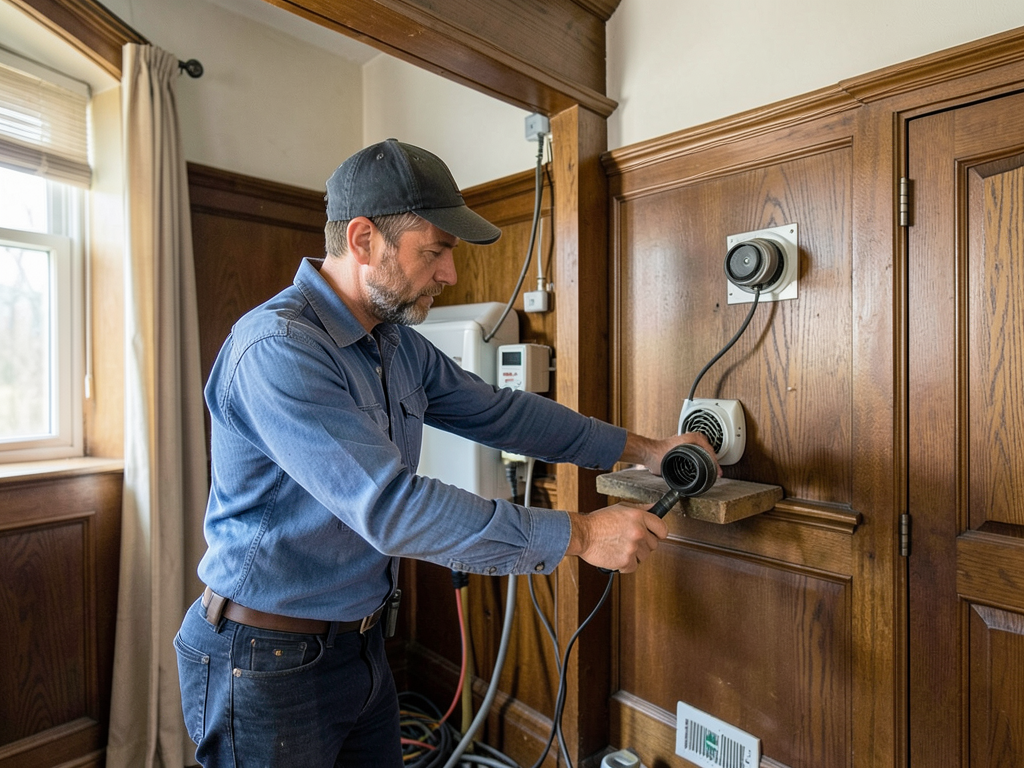
Image: Interior view of a Victorian-era Edgewood home showing original plaster crown molding and ceiling medallion that must be preserved during HVAC installation.
High-Velocity HVAC Systems for Historic Homes
High-velocity HVAC systems, also called Small-Duct High-Velocity (SDHV), solve the ductwork problem in historic homes. These systems use 2-inch flexible ducts that fit inside wall cavities, eliminating the need to tear open walls or sacrifice ceiling height. The Unico System and SpacePak represent the two primary manufacturers serving this market. EPA Section 608 certification.
Installation involves running small-diameter supply ducts through existing wall cavities, with outlets blending into baseboards or crown molding. Return air travels through existing wall cavities, reducing the need for additional penetrations. The system operates at higher pressures than conventional HVAC, allowing smaller ducts to deliver the same heating and cooling capacity.
High-velocity systems offer specific advantages for Edgewood homes. They require minimal structural modification, preserve original plaster and woodwork, and provide better humidity control than standard systems. The smaller outlets can be positioned to maximize airflow while remaining virtually invisible.
Ductless Mini-Split Solutions
Ductless mini-split systems provide another non-invasive option for Edgewood’s historic homes. These systems consist of an outdoor condenser connected to indoor air handlers via refrigerant lines and electrical wiring. Installation requires only a 3-inch hole through an exterior wall for the line set. Understanding Ductless Systems.
Modern mini-splits offer heating and cooling in a single unit, eliminating the need for separate systems. Mitsubishi Electric and Daikin manufacture units specifically designed for older homes, with indoor units available in low-profile ceiling cassettes or wall-mounted configurations that minimize visual impact.
Edgewood’s climate makes mini-splits particularly effective. These systems operate efficiently in temperatures as low as -13°F, handling Pittsburgh’s coldest winter nights. During humid summers, they provide superior dehumidification compared to conventional air conditioners.
Installation considerations include condenser placement on the ground or roof, line set routing through existing chases or closets, and electrical service capacity. Most Edgewood homes built before 1950 have 60-amp electrical service, requiring an upgrade for multi-zone systems.
Energy Efficiency in 100-Year-Old Homes
Historic homes in Edgewood lose significant energy through air infiltration, single-pane windows, and minimal insulation. Before installing new HVAC equipment, addressing these issues improves system performance and reduces operating costs. Air sealing, weatherstripping, and attic insulation provide the biggest return on investment.
Pennsylvania’s Uniform Construction Code requires all new HVAC installations to meet current energy efficiency standards. For Edgewood homes, this means installing equipment with minimum SEER2 ratings of 14 for cooling and AFUE ratings of 80% for heating. High-efficiency heat pumps can achieve SEER2 ratings above 20 while providing both heating and cooling.
Zoning systems allow different temperature settings for various home areas. This proves especially valuable in multi-story Edgewood homes where heat rises to upper floors. Zone control reduces energy waste by conditioning only occupied spaces.
Modern thermostats with Wi-Fi connectivity enable precise temperature control and energy monitoring. These devices learn occupancy patterns and adjust heating and cooling schedules automatically, further reducing energy consumption.
Preserving Architectural Details During Installation
Successful HVAC installation in historic homes requires protecting original architectural elements. This includes masking off work areas to prevent dust contamination, using dust collection equipment during cutting operations, and employing techniques that minimize wall damage. Protecting Your McCandless Home from Seasonal Allergies with Better Air Filtration.
Plaster walls require special handling. Standard cutting tools can shatter plaster, creating extensive repair work. Using oscillating multi-tools with fine-tooth blades reduces vibration and prevents cracking. When wall penetrations are necessary, they should follow existing joints or be placed where they remain hidden.
Woodwork preservation involves careful removal and labeling of trim pieces before installation. Original woodwork often dates to the home’s construction and may be irreplaceable. Using pneumatic nailers with adjustable depth settings prevents splitting when reinstalling trim.
Electrical work in historic homes requires understanding knob-and-tube wiring systems common in homes built before 1950. These systems cannot support modern HVAC equipment loads and require complete replacement. This work must comply with National Electrical Code Article 334 for old-work wiring methods.
Edgewood Climate Considerations
Western Pennsylvania’s climate creates specific HVAC requirements for Edgewood homes. The region experiences 38 inches of annual rainfall, 28 inches of snowfall, and humidity levels that frequently exceed 80% during summer months. These conditions affect both system sizing and equipment selection.
High humidity requires equipment with enhanced dehumidification capacity. Standard air conditioners remove moisture as a byproduct of cooling, but in Pittsburgh’s climate, dedicated dehumidification often proves necessary. High-velocity systems excel at moisture removal due to their higher airspeeds and specialized coils.
Freeze-thaw cycles common to Pittsburgh’s winters can damage exterior equipment if not properly installed. Condensers require elevation above expected snow levels and protection from ice damming. Proper refrigerant line insulation prevents freeze damage to copper tubing.
Edgewood’s location in the Allegheny Plateau creates unique wind patterns. Homes on elevated lots experience higher wind loads, affecting outdoor unit stability and heat loss through building envelopes. Wind calculations influence equipment sizing and placement decisions.
Historic District Compliance
Edgewood Borough’s Historic District Commission reviews exterior modifications to properties within designated historic areas. This includes HVAC condenser placement, vent locations, and any penetrations through exterior walls. Commission approval requires demonstrating that proposed changes maintain the property’s historic character.
Condenser placement options include ground-mounted units screened by landscaping, roof-mounted units on rear-facing slopes, or wall-mounted units designed to blend with existing architecture. Each option requires specific documentation showing compliance with historic preservation guidelines.
Interior modifications generally receive less scrutiny, but visible changes like ceiling outlets or wall-mounted controls must still respect the home’s historic character. Using period-appropriate finishes and minimizing visual impact helps gain commission approval.
Pennsylvania’s Historic Preservation Act provides tax credits for certified rehabilitation work, including HVAC upgrades that meet specific energy efficiency criteria. These incentives can offset the higher costs associated with preservation-compliant installations.
Cost Factors and Return on Investment
High-velocity and ductless systems cost 20-30% more than conventional HVAC installations. However, they eliminate the need for extensive demolition and reconstruction required for traditional ductwork. This cost difference often proves less significant when considering total project expenses.
Energy savings provide ongoing return on investment. High-efficiency systems can reduce heating and cooling costs by 30-50% compared to older equipment. In Edgewood’s climate, these savings accumulate quickly, often paying for system upgrades within 5-7 years.
Property value preservation represents another return on investment factor. Maintaining original architectural details preserves the home’s historic character and market appeal. Homes in Edgewood’s historic district often command premium prices due to their preserved character.
Maintenance costs for modern systems prove lower than older equipment. New systems include warranties covering major components for 10+ years, while older systems require frequent repairs and replacement parts that may no longer be available.
Installation Timeline and Process
High-velocity and ductless installations typically require 3-5 days for complete system installation. This includes equipment delivery, electrical service upgrades if needed, system installation, and final testing. Historic homes may require additional time for careful preservation work.
The process begins with a comprehensive home assessment evaluating existing conditions, electrical capacity, and architectural features requiring protection. This assessment determines the optimal system configuration and identifies potential challenges before work begins.
System design involves calculating heating and cooling loads using Manual J methodology, determining equipment sizing, and planning duct or line set routing. This design must account for Edgewood’s climate conditions and the home’s specific construction characteristics.
Installation proceeds systematically: electrical upgrades, equipment mounting, duct or line set installation, control wiring, and final system commissioning. Throughout this process, workers must protect existing finishes and minimize dust and debris.
Maintenance Requirements
Modern HVAC systems require annual maintenance to maintain efficiency and prevent breakdowns. This includes cleaning coils, checking refrigerant levels, inspecting electrical connections, and testing system controls. Edgewood’s climate creates specific maintenance needs.
High humidity requires regular condensate drain cleaning to prevent algae growth and water damage. Air filters need more frequent replacement than in newer homes due to dust infiltration through older windows and doors. Condenser coils require cleaning twice yearly to remove pollen and debris.
Seasonal preparation involves checking heating operation before winter and cooling operation before summer. This prevents emergency service calls during extreme weather when HVAC companies experience highest demand. Emergency Furnace Services for Families Living in Baldwin and Whitehall.
Smart thermostats can monitor system performance and alert homeowners to potential problems before they cause system failure. These devices track run times, temperature differentials, and energy consumption, providing early warning of developing issues.
Choosing the Right Contractor
Historic home HVAC installation requires contractors with specific experience and credentials. Look for NATE certification, EPA Section 608 certification for refrigerant handling, and demonstrated experience with high-velocity or ductless systems in historic properties.
Contractors should provide detailed proposals including system specifications, installation plans showing equipment locations, and preservation measures for protecting existing finishes. References from similar projects in Edgewood or other historic Pittsburgh neighborhoods provide valuable insight into contractor capabilities.
Insurance coverage must include liability for damage to historic materials and workers’ compensation for installation crews. Many historic homes contain lead-based paint or asbestos, requiring specific abatement procedures and certifications.
Permitting requirements vary by municipality. Edgewood requires building permits for HVAC installations, while historic district properties may need additional approvals. Contractors should handle permit acquisition and coordinate with local authorities.
Common Mistakes to Avoid
Over-sizing equipment represents the most common mistake in HVAC installation. Larger systems cost more and cycle on and off frequently, reducing efficiency and comfort. Proper load calculations ensure equipment matches the home’s actual requirements.
Ignoring existing conditions leads to unexpected problems. Older homes often contain hidden issues like inadequate electrical service, structural problems, or hazardous materials. Comprehensive assessment prevents these surprises from derailing projects.
Compromising on quality to save money often proves more expensive long-term. High-quality equipment, proper installation techniques, and thorough testing prevent costly callbacks and ensure system longevity.
Skipping maintenance accelerates equipment wear and reduces efficiency. Regular service by qualified technicians maintains system performance and protects the investment.

Image: Technician using thermal imaging camera to diagnose ductwork efficiency issues in a historic Edgewood home, demonstrating diagnostic expertise.
Financing Options
Several financing options exist for HVAC upgrades in historic homes. Pennsylvania offers low-interest loans through the Keystone Help program for energy-efficient improvements. These loans feature terms up to 10 years with competitive interest rates.
Federal tax credits provide additional incentives. The Energy Efficient Home Improvement Credit offers up to $2,000 annually for qualifying HVAC equipment. High-efficiency heat pumps may qualify for additional credits under the Inflation Reduction Act.
Utility rebates from Duquesne Light and Peoples Natural Gas provide further savings. These rebates typically range from $200 to $1,000 depending on equipment efficiency ratings and installation scope.
Contractor financing programs offer flexible payment options. Many HVAC companies partner with financing institutions to provide 0% interest promotions or extended payment terms.
Emergency Considerations
Historic homes often have unique vulnerabilities during HVAC emergencies. Older electrical systems may not support modern equipment, creating safety hazards during extreme weather events. Having backup heating options ensures comfort during system failures.
Portable electric heaters provide temporary heat but require careful monitoring to prevent electrical overloads. Gas fireplaces offer reliable backup heat during winter outages. Understanding these options helps homeowners prepare for emergencies.
Emergency service availability varies by contractor. Choose companies offering 24/7 emergency response with technicians experienced in historic home systems. Response times matter most during extreme weather when system failures create health hazards.
Insurance coverage for HVAC systems varies by policy. Review coverage to ensure protection against equipment failure, water damage from condensate leaks, and other HVAC-related risks.
Future-Proofing Your System
Technology continues advancing in HVAC systems. Smart home integration allows voice control, remote monitoring, and automated adjustments based on occupancy patterns. Planning for these features during initial installation reduces future upgrade costs.
Electrical service capacity affects future upgrade options. Installing a 200-amp service panel instead of the minimum required provides flexibility for future additions like electric vehicle charging or whole-house battery backup systems.
System zoning capabilities allow for future expansion without replacing existing equipment. Installing additional thermostats and control wiring during initial installation simplifies adding zones later as needs change.
Equipment selection affects long-term compatibility with emerging technologies. Choosing manufacturers with strong track records for software updates and smart home integration ensures systems remain current longer.
Environmental Impact
Modern HVAC systems significantly reduce environmental impact compared to older equipment. High-efficiency heat pumps can reduce carbon emissions by 50% or more compared to fossil fuel heating systems. This reduction proves especially valuable in Pennsylvania, where electricity generation continues shifting toward renewable sources.
Refrigerant selection affects environmental impact. Modern systems use refrigerants with lower global warming potential than older equipment. Proper refrigerant handling and recycling prevent atmospheric release of these substances.
Indoor air quality improvements benefit both occupants and the environment. High-efficiency filtration systems remove pollutants that would otherwise require energy-intensive cleaning or replacement of furnishings and finishes.
Energy conservation reduces demand on power generation infrastructure, decreasing the need for new power plants and transmission lines. This conservation benefits the entire community by reducing energy costs and environmental impacts.
Case Study: Edgewood Victorian Retrofit
A 1905 Victorian in Edgewood’s historic district required complete HVAC replacement. The home featured original plaster walls, decorative ceiling medallions, and no existing ductwork. The homeowners wanted modern comfort without compromising historic character.
The solution involved installing a high-velocity system with three heating/cooling zones. Small-diameter ducts ran through existing wall cavities, with outlets integrated into baseboards and crown molding. The outdoor condenser mounted on the rear roof slope, screened from street view.
Installation required careful preservation of original woodwork and plaster. Workers used dust collection systems throughout the project. The electrical service upgraded from 60 to 200 amps to support the new system and future additions.
Post-installation testing showed the system maintained consistent temperatures throughout the home while reducing energy consumption by 40% compared to the original equipment. The homeowners reported improved comfort and preserved the home’s historic character.
Image: Before and after comparison showing how high-velocity HVAC outlets blend with historic woodwork in an Edgewood home.
Getting Started with Your Project
Begin your HVAC upgrade project with a comprehensive home assessment. This evaluation identifies existing conditions, preservation requirements, and system options suited to your specific home. Professional assessment prevents costly mistakes and ensures appropriate system selection.
Develop a project timeline accounting for permit acquisition, equipment lead times, and preservation work. Historic district approvals may add several weeks to project schedules. Planning ahead prevents delays and ensures smooth project execution.
Establish a budget including equipment, installation, electrical upgrades, and any necessary preservation work. High-quality installations cost more initially but provide better long-term value through improved efficiency and preserved home value.
Choose contractors with specific experience in historic home HVAC installation. Verify credentials, insurance coverage, and references from similar projects. Quality contractors understand preservation requirements and employ techniques that protect historic materials.
Prepare your home for installation by removing valuables from work areas, arranging alternative accommodations if needed, and discussing preservation priorities with your contractor. Clear communication prevents misunderstandings and ensures satisfactory results.
Ready to protect your Edgewood home’s architectural integrity while upgrading your heating system? Call (412) 387-0477 today to schedule your comprehensive assessment. Our experienced technicians understand the unique challenges of historic home HVAC installation and can help you achieve modern comfort without sacrificing historic character.
Don’t wait until winter arrives to address your heating needs. Pick up the phone and call (412) 387-0477 before the next cold snap hits. We’ll help you find the perfect balance between comfort, efficiency, and preservation for your Edgewood historic home.
Frequently Asked Questions
Will installing new HVAC damage my historic plaster walls?
Professional installation using high-velocity or ductless systems minimizes wall damage. High-velocity systems use 2-inch ducts that fit in existing wall cavities, while ductless systems require only a 3-inch hole for refrigerant lines. Experienced contractors employ techniques that protect original plaster and woodwork.
How long does a complete HVAC replacement take in a historic home?
Most high-velocity or ductless installations require 3-5 days for complete system installation. This includes equipment delivery, electrical service upgrades if needed, system installation, and final testing. Historic homes may require additional time for careful preservation work.
Are there tax incentives for upgrading HVAC in historic homes?
Yes, several incentives exist. Pennsylvania’s Keystone Help program offers low-interest loans for energy-efficient improvements. Federal tax credits provide up to $2,000 annually for qualifying HVAC equipment. Edgewood homes in the historic district may qualify for additional preservation tax credits.
What maintenance do high-velocity systems require?
High-velocity systems require annual professional maintenance including coil cleaning, refrigerant level checks, and electrical connection inspection. Edgewood’s humid climate requires more frequent condensate drain cleaning and air filter replacement. Professional service ensures optimal efficiency and prevents costly repairs.
Can I install central air conditioning without existing ductwork?
Yes, high-velocity and ductless mini-split systems provide central air conditioning without traditional ductwork. High-velocity systems use small-diameter ducts that fit in wall cavities, while ductless systems use individual indoor units connected to an outdoor condenser. Both options work well in Edgewood’s historic homes.
You may also find this helpful. Comparing Trane and Lennox to See Which Brand Handles Pittsburgh Winters Better.