
The Best Way to Cool the Third Floor of a Mount Washington Townhome
Living in a Mount Washington townhome offers stunning views of Pittsburgh’s skyline, but the third floor often becomes an unbearable hot zone during summer months. The problem isn’t your AC unit—it’s physics. Heat rises through your home, and traditional single-zone HVAC systems struggle to push cool air up three stories against gravity and pressure differentials. In Pittsburgh’s humid continental climate, where July and August bring both high temperatures and moisture, this creates a perfect storm of discomfort. The solution requires understanding how to overcome these vertical challenges with targeted cooling strategies that work specifically for your home’s architecture and our region’s weather patterns. Winterizing Your HVAC System.
Why Mount Washington Townhomes Face Unique Cooling Challenges
Mount Washington’s historic townhomes, many built in the early 1900s, present specific cooling obstacles. These homes typically feature balloon-frame construction with minimal insulation between floors, allowing heat to transfer rapidly upward. The neighborhood’s hillside location also means your third floor experiences different wind patterns and solar exposure than lower levels. Afternoon sun beating on south-facing third-story windows can raise indoor temperatures by 15-20 degrees above the thermostat setting. Additionally, Pittsburgh’s aging infrastructure means many Mount Washington homes still use original ductwork that wasn’t designed for modern cooling demands, creating pressure imbalances that starve upper floors of conditioned air.
Understanding Heat Flow in Multi-Story Pittsburgh Homes
Heat naturally moves from warmer to cooler areas, and in your Mount Washington townhome, this means hot air from the first and second floors accumulates on the third floor. During Pittsburgh’s humid summers, this creates a compounding problem where warm, moist air rises and becomes trapped in upper-level living spaces. The stack effect—where temperature differences between inside and outside create pressure differentials—pulls hot outdoor air through any available path, including gaps around windows, doors, and even electrical outlets on your third floor. This continuous infiltration makes traditional cooling methods less effective and drives up energy costs as your system works overtime to compensate.
Multi-Zone HVAC Systems: The Foundation of Third Floor Comfort
Multi-zone HVAC systems divide your home into separate temperature-controlled areas, allowing you to cool the third floor independently from lower levels. In Mount Washington townhomes, this typically means installing motorized dampers in your existing ductwork that open and close based on thermostat signals from each floor. A zone control board acts as the system’s brain, directing conditioned air where it’s needed most. For homes with existing ductwork, this retrofit approach costs significantly less than complete system replacement while providing immediate comfort improvements. The key is proper load calculation—using Manual J methodology to determine exactly how much cooling power each zone requires based on square footage, insulation levels, window orientation, and Pittsburgh’s specific cooling design temperatures. EPA Section 608 certification.
Ductless Mini-Split Systems: The Modern Solution for Historic Homes
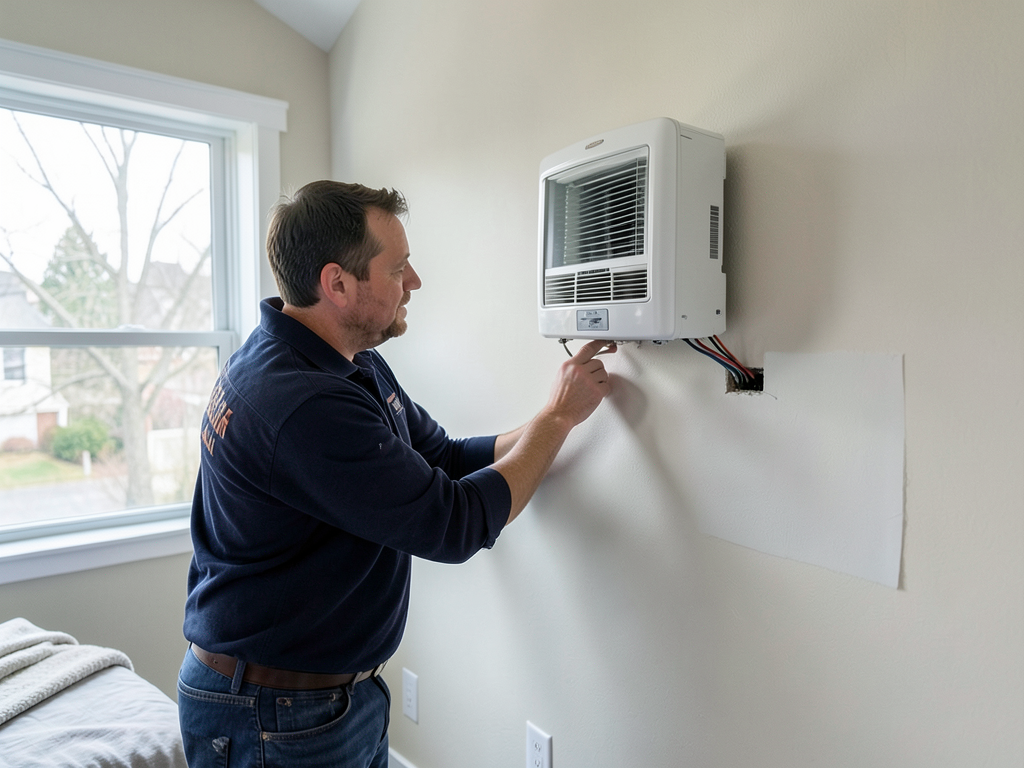
For Mount Washington townhomes without existing ductwork or those seeking maximum efficiency, ductless mini-split systems offer a compelling alternative. These systems consist of an outdoor compressor unit connected to one or more indoor air handlers mounted on your walls or ceilings. Each air handler operates independently, creating true zoning without the energy losses associated with ductwork. In Pittsburgh’s climate, modern mini-splits provide both cooling and heating, making them a year-round solution. The installation process involves minimal construction—just a small three-inch hole for refrigerant lines—making them ideal for historic homes where preserving architectural integrity matters. Most Mount Washington townhomes can be effectively cooled with a single outdoor unit serving multiple indoor heads, strategically placed to address the unique layout of each floor. Understanding Ductless Systems.
Comparing Ducted vs. Ductless Zoning Solutions
Choosing between ducted zoning dampers and ductless mini-splits depends on your specific situation. Here’s a detailed comparison to help you decide:
| Feature | Ducted Zoning Dampers | Ductless Mini-Split |
|---|---|---|
| Installation Impact | Minimal construction if ducts exist | Small wall penetration required |
| Energy Efficiency | 15-20% duct losses typical | 25-30 SEER2 ratings possible |
| Upfront Cost | $3,500-$6,000 for zoning retrofit | $4,500-$8,000 per floor |
| Heating Capability | Depends on existing system | Heat pump models available |
| Historic Home Compatibility | Excellent if ducts present | Excellent, preserves architecture |
| Maintenance Requirements | Duct cleaning every 3-5 years | Filter cleaning every 2-3 months |
Smart Thermostats and Zone Control Technology
Modern zone control systems integrate seamlessly with smart thermostats, allowing you to manage your third floor cooling from anywhere using your smartphone. Smart thermostats learn your schedule and preferences, automatically adjusting temperatures to maximize comfort while minimizing energy waste. In Mount Washington townhomes, where you might be away during the day but want immediate comfort upon returning, this technology proves invaluable. Advanced features include geofencing (automatically adjusting when you leave or approach home), humidity control to combat Pittsburgh’s muggy summers, and energy usage reports that help you understand and reduce consumption. Integration with voice assistants like Alexa or Google Home adds convenience, letting you adjust temperatures without leaving your couch.
Energy Efficiency and Pittsburgh Utility Rebates
Upgrading to a high-efficiency cooling system for your third floor not only improves comfort but can significantly reduce your utility bills. Modern systems with SEER2 ratings of 18 or higher use up to 30% less energy than older equipment. Duquesne Light and Peoples Natural Gas offer rebates for qualifying high-efficiency HVAC installations, with current programs providing up to $600 in rebates for systems meeting specific efficiency thresholds. Additionally, federal tax credits through 2026 allow you to claim 30% of installation costs for qualifying heat pump systems, up to $2,000. These incentives can offset a substantial portion of your investment while reducing your carbon footprint—particularly important in Pittsburgh, where electricity generation still relies partially on fossil fuels. Duquesne Light Company rebates.
The Installation Process: What to Expect
Professional installation of third floor cooling solutions follows a systematic process to ensure optimal performance. First, a certified HVAC technician performs a detailed load calculation using Manual J software, accounting for your home’s specific characteristics and Pittsburgh’s climate data. Next, they evaluate your existing system to determine whether ducted zoning or ductless installation makes more sense. For ducted systems, installation typically takes 1-2 days and involves mounting zone dampers, installing the control board, and programming thermostats. Ductless installation requires slightly more time—usually 2-3 days—for mounting indoor units, running refrigerant lines through walls, and installing the outdoor compressor. Throughout the process, technicians follow EPA Section 608 guidelines for refrigerant handling and ensure all work complies with Pennsylvania’s Uniform Construction Code. The Homeowners Guide to Replacing an Aging Boiler in Bloomfield.
Common Mistakes to Avoid When Cooling Upper Floors
Many Mount Washington homeowners make costly mistakes when trying to cool their third floors. The most common error is simply cranking down the thermostat—this doesn’t solve the airflow problem and just wastes energy while other rooms become uncomfortably cold. Another mistake is blocking or closing too many vents on lower floors to force air upward, which creates dangerous pressure imbalances that can damage your HVAC system. Some homeowners attempt DIY zoning by installing manual dampers, but without proper controls and calibration, this often makes the problem worse. Finally, neglecting proper insulation and air sealing on the third floor undermines even the best cooling system, as uncontrolled air leakage continues to introduce heat and humidity.
Maintenance Requirements for Zone Control Systems
Once your third floor cooling solution is installed, proper maintenance ensures long-term reliability and efficiency. For ducted systems with zoning dampers, annual inspection of actuator motors and control boards prevents failures during peak cooling season. Ductless mini-splits require more frequent attention—cleaning or replacing filters every 2-3 months prevents airflow restrictions that reduce cooling capacity. Both systems benefit from professional maintenance visits where technicians check refrigerant levels, clean coils, and verify that all zone controls operate correctly. In Pittsburgh’s climate, where systems run heavily during summer and sit idle during winter, seasonal maintenance becomes particularly important to prevent issues from developing during periods of non-use.
Cost Considerations and Return on Investment
Investing in third floor cooling solutions represents a significant expense, but the return extends beyond immediate comfort. A properly designed and installed system typically costs between $4,000 and $12,000 depending on your chosen approach and home configuration. However, the energy savings from efficient operation often offset 15-20% of the monthly cooling costs within the first year. More importantly, eliminating the need for window air conditioners—which are both inefficient and unsightly on historic Mount Washington facades—provides additional savings and preserves your home’s architectural integrity. When factoring in utility rebates, tax credits, and increased home value from improved comfort and efficiency, most systems pay for themselves within 3-5 years while providing immediate quality-of-life improvements.
Frequently Asked Questions
How long does it take to install a third floor cooling solution?
Installation time varies by system type. Ducted zoning retrofits typically require 1-2 days, while ductless mini-split installations need 2-3 days for proper setup and testing. Both include system commissioning to ensure optimal performance.
Will adding a third floor zone affect my existing HVAC warranty?
When installed by certified professionals following manufacturer guidelines and local codes, adding zoning components typically doesn’t void existing warranties. However, modifications to the primary system might affect coverage terms, so always check with your equipment manufacturer.
Can I install a zone control system myself to save money?
Zone control systems require specialized knowledge of airflow dynamics, electrical controls, and refrigeration principles. Improper installation can damage expensive equipment, create safety hazards, and actually worsen comfort issues. Professional installation ensures code compliance and warranty protection.
Call (412) 387-0477 Today for Your Free Consultation
Don’t spend another summer suffering through a hot third floor. Our certified HVAC technicians understand the unique challenges Mount Washington townhomes face and can recommend the perfect cooling solution for your specific situation. We’ll perform a detailed load calculation, explain all your options with transparent pricing, and show you how to maximize available rebates and tax credits. Call (412) 387-0477 today to schedule your free consultation and take the first step toward year-round comfort in every room of your home.

[IMAGE_PLACEHOLDER_3>
- Assess Your Current System
Have a certified technician evaluate your existing HVAC equipment, ductwork condition, and third floor’s specific cooling challenges. This diagnostic step identifies whether repair, retrofit, or replacement makes most sense.
- Calculate Your Cooling Load
Using Manual J methodology, determine exactly how much cooling capacity your third floor requires. This calculation considers square footage, insulation levels, window orientation, and Pittsburgh’s specific climate conditions.
- Choose Your Solution
Based on your assessment and load calculation, select between ducted zoning dampers or ductless mini-split systems. Consider factors like existing ductwork, historic preservation requirements, and energy efficiency goals.
- Install and Commission
Professional installation ensures proper sizing, correct refrigerant charge, and optimal airflow balancing. System commissioning verifies that all zones operate correctly and efficiently.
- Maintain for Longevity
Regular maintenance keeps your system running efficiently for years. Schedule annual professional service and perform basic filter cleaning between visits to protect your investment.
{
“@context”: “https://schema.org”,
“@type”: “BlogPosting”,
“headline”: “The Best Way to Cool the Third Floor of a Mount Washington Townhome”,
“description”: “Struggling with a hot third floor in your Mount Washington townhome? Discover zoning solutions, ductless mini-splits, and energy-efficient cooling options tailored for Pittsburgh’s unique climate.”,
“wordCount”: 1803,
“datePublished”: “2026-03-08T08:08:00.000Z”,
“dateModified”: “2026-03-08T08:08:00.000Z”,
“inLanguage”: “en-US”,
“mainEntityOfPage”: {
“@type”: “WebPage”,
“@id”: “https://apexhvacpittsburgh.com”
},
“publisher”: {
“@type”: “LocalBusiness”,
“name”: “Apex HVAC Pittsburgh”,
“url”: “https://apexhvacpittsburgh.com”
},
“author”: {
“@type”: “Organization”,
“name”: “Apex HVAC Pittsburgh”,
“url”: “https://apexhvacpittsburgh.com”
},
“image”: {
“@type”: “ImageObject”,
“url”: “https://apexhvacpittsburgh.com/wp-content/uploads/2026/03/the-best-way-to-cool-the-third-floor-of-a-mount-wa-1.png”
}
}
{
“@context”: “https://schema.org”,
“@type”: “HVACBusiness”,
“name”: “Apex HVAC Pittsburgh”,
“url”: “https://apexhvacpittsburgh.com”,
“address”: {
“@type”: “PostalAddress”,
“addressLocality”: “Pittsburgh”
},
“areaServed”: {
“@type”: “City”,
“name”: “Pittsburgh”
}
}
{
“@context”: “https://schema.org”,
“@type”: “FAQPage”,
“mainEntity”: [
{
“@type”: “Question”,
“name”: “How long does it take to install a third floor cooling solution?”,
“acceptedAnswer”: {
“@type”: “Answer”,
“text”: “Installation time varies by system type. Ducted zoning retrofits typically require 1-2 days, while ductless mini-split installations need 2-3 days for proper setup and testing. Both include system commissioning to ensure optimal performance.”
}
},
{
“@type”: “Question”,
“name”: “Will adding a third floor zone affect my existing HVAC warranty?”,
“acceptedAnswer”: {
“@type”: “Answer”,
“text”: “When installed by certified professionals following manufacturer guidelines and local codes, adding zoning components typically doesn’t void existing warranties. However, modifications to the primary system might affect coverage terms, so always check with your equipment manufacturer.”
}
},
{
“@type”: “Question”,
“name”: “Can I install a zone control system myself to save money?”,
“acceptedAnswer”: {
“@type”: “Answer”,
“text”: “Zone control systems require specialized knowledge of airflow dynamics, electrical controls, and refrigeration principles. Improper installation can damage expensive equipment, create safety hazards, and actually worsen comfort issues. Professional installation ensures code compliance and warranty protection.”
}
}
]
}
{
“@context”: “https://schema.org”,
“@type”: “HowTo”,
“name”: “How to Cool Your Third Floor”,
“step”: [
{
“@type”: “HowToStep”,
“position”: 1,
“name”: “Assess Your Current System”,
“text”: “Have a certified technician evaluate your existing HVAC equipment, ductwork condition, and third floor’s specific cooling challenges. This diagnostic step identifies whether repair, retrofit, or replacement makes most sense.”
},
{
“@type”: “HowToStep”,
“position”: 2,
“name”: “Calculate Your Cooling Load”,
“text”: “Using Manual J methodology, determine exactly how much cooling capacity your third floor requires. This calculation considers square footage, insulation levels, window orientation, and Pittsburgh’s specific climate conditions.”
},
{
“@type”: “HowToStep”,
“position”: 3,
“name”: “Choose Your Solution”,
“text”: “Based on your assessment and load calculation, select between ducted zoning dampers or ductless mini-split systems. Consider factors like existing ductwork, historic preservation requirements, and energy efficiency goals.”
},
{
“@type”: “HowToStep”,
“position”: 4,
“name”: “Install and Commission”,
“text”: “Professional installation ensures proper sizing, correct refrigerant charge, and optimal airflow balancing. System commissioning verifies that all zones operate correctly and efficiently.”
},
{
“@type”: “HowToStep”,
“position”: 5,
“name”: “Maintain for Longevity”,
“text”: “Regular maintenance keeps your system running efficiently for years. Schedule annual professional service and perform basic filter cleaning between visits to protect your investment.”
}
],
“image”: “https://apexhvacpittsburgh.com/wp-content/uploads/2026/03/the-best-way-to-cool-the-third-floor-of-a-mount-wa-1.png”
}
{
“@context”: “https://schema.org”,
“@type”: “BreadcrumbList”,
“itemListElement”: [
{
“@type”: “ListItem”,
“position”: 1,
“name”: “Home”,
“item”: “https://apexhvacpittsburgh.com”
},
{
“@type”: “ListItem”,
“position”: 2,
“name”: “Blog”,
“item”: “https://apexhvacpittsburgh.com/blog”
},
{
“@type”: “ListItem”,
“position”: 3,
“name”: “The Best Way to Cool the Third Floor of a Mount Washington Townhome”
}
]
}
{
“@context”: “https://schema.org”,
“@type”: “Service”,
“serviceType”: “HVAC”,
“provider”: {
“@type”: “LocalBusiness”,
“name”: “Apex HVAC Pittsburgh”,
“url”: “https://apexhvacpittsburgh.com”
},
“areaServed”: {
“@type”: “City”,
“name”: “Pittsburgh”
},
“description”: “Struggling with a hot third floor in your Mount Washington townhome? Discover zoning solutions, ductless mini-splits, and energy-efficient cooling options tailored for Pittsburgh’s unique climate.”
}