
The Best Way to Heat a New Kitchen Addition in a Traditional Mt Lebanon Colonial
Adding a kitchen addition to your Mt Lebanon Colonial creates beautiful new space but leaves you with a critical HVAC challenge. The existing furnace or boiler was sized for your original square footage and cannot handle the extra load without significant modifications. Many homeowners discover their new addition feels drafty in winter or costs a fortune to heat because they chose the wrong system from the start. Emergency Furnace Services for Families Living in Baldwin and Whitehall.
The most reliable solution for Mt Lebanon’s historic housing stock is a dedicated heating system for your addition. This could be a high-efficiency ductless mini-split heat pump or a hydronic radiant floor system. Both options avoid the common mistake of trying to force additional ductwork through walls that weren’t designed for it, which often leads to airflow problems and inefficient heating. Winterizing Your HVAC System.
Mt Lebanon’s older Colonials typically have plaster walls and limited attic space, making traditional ductwork installation invasive and expensive. A ductless mini-split provides zoned heating and cooling without any wall demolition. For homeowners who want ultimate comfort underfoot, radiant floor heating works exceptionally well with tile or stone flooring common in kitchen additions. The Homeowners Guide to Replacing an Aging Boiler in Bloomfield.
Before making any decisions, you need a professional Manual J load calculation to determine the exact heating capacity required. This calculation considers your addition’s square footage, ceiling height, insulation levels, window types, and even the direction it faces. Without this data, you risk installing an undersized system that runs constantly or an oversized one that short cycles and wastes energy. ENERGY STAR certified mini-splits.
Challenges of Heating New Additions in Older Mt Lebanon Homes
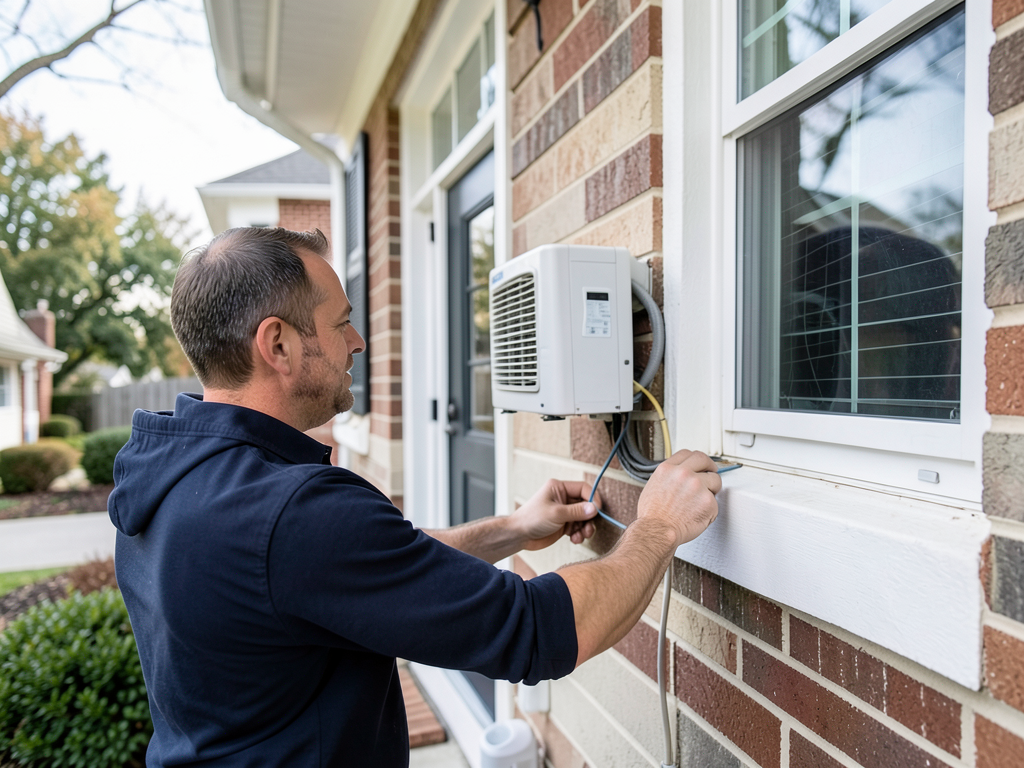
Traditional Mt Lebanon Colonials built between 1920 and 1960 present unique HVAC challenges. These homes often have cast iron radiators or small ductwork designed for their original footprint. When you add 200-400 square feet of new space, the existing system simply cannot keep up.. Read more about Deciding Between a Combo Boiler and a Separate Water Heater for Your Crafton Heights Project.
The architectural details that make these homes charming also complicate heating solutions. Thick plaster walls, decorative trim, and original hardwood floors mean any new ductwork must be carefully routed to avoid damage. Many Mt Lebanon homes also have balloon-frame construction, where wall cavities run continuously from basement to attic, creating pathways for heat loss if not properly sealed.. Read more about Smart Ways to Hide New Ductwork During a Lower Lawrenceville Loft Renovation.
Mt Lebanon’s building codes require permits for any HVAC modifications that affect the main system. According to the Mt Lebanon Code of Ordinances Chapter 17.12, additions requiring new HVAC equipment must meet current energy efficiency standards and pass inspection before final approval. This means your contractor needs to understand both the technical requirements and the local permitting process.
Soil conditions in Mt Lebanon can also impact heating system choices. The area’s clay-rich soil holds moisture and can shift slightly with freeze-thaw cycles. This makes in-floor radiant heating systems particularly effective because they provide even heat distribution that helps maintain consistent floor temperatures and reduces the feeling of cold drafts from foundation walls.
Top 3 Heating Options for Your Addition (Mini-Splits vs. Ductwork vs. Radiant)
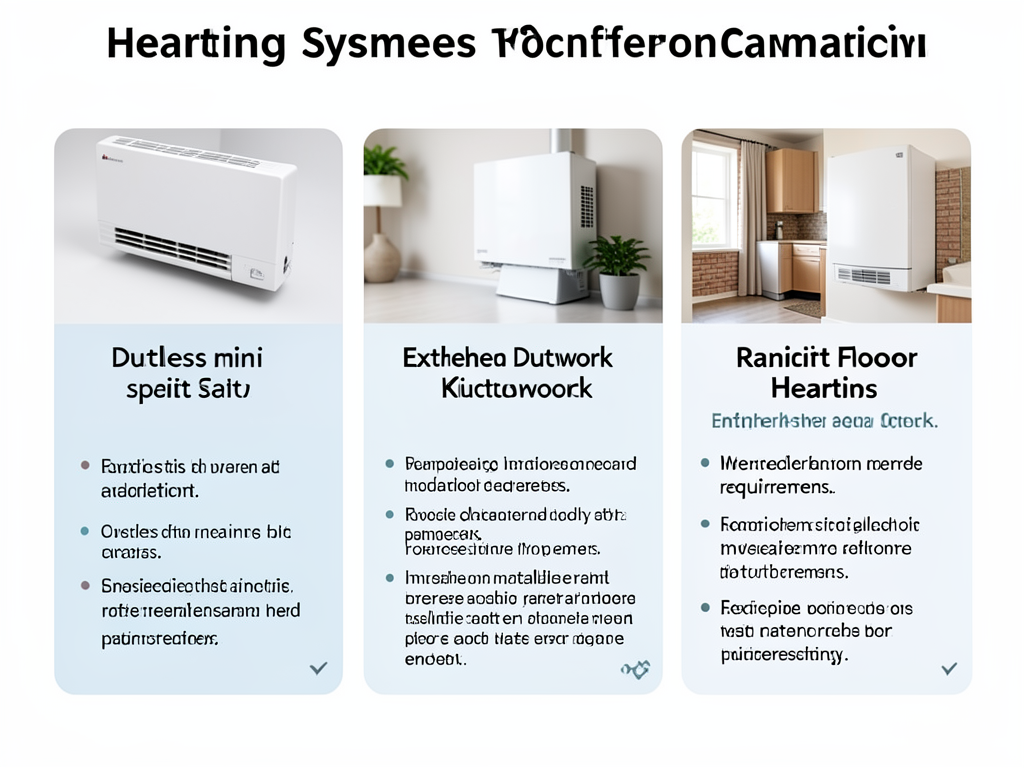
Choosing the right heating system depends on your budget, comfort preferences, and the specific characteristics of your addition. Here’s how the three main options compare for Mt Lebanon Colonial additions:
| Heating System | Installation Cost | Operating Efficiency | Best For |
|---|---|---|---|
| Ductless Mini-Split | $3,500 – $6,000 | 18-22 SEER2 | Quick installation, zoned control |
| Extended Ductwork | $5,000 – $10,000 | 14-16 SEER | Existing duct system has capacity |
| Hydronic Radiant | $10,000 – $20,000 | 95%+ AFUE | Ultimate comfort, new flooring planned |
Ductless mini-splits have become the most popular choice for Mt Lebanon additions because they install quickly and provide both heating and cooling. A typical installation involves mounting an indoor unit on an exterior wall and connecting it to a small outdoor condenser unit. The system requires only a three-inch hole for refrigerant lines, making it ideal for plaster walls. Understanding Ductless Systems.
Extending existing ductwork often seems like the most straightforward solution, but it frequently creates more problems than it solves. Your original furnace may not have the capacity to heat the additional space, and the extended ductwork can cause uneven temperatures throughout your home. Many Mt Lebanon homes also have undersized return air pathways that become overwhelmed when new supply ducts are added.
Hydronic radiant floor heating provides the most comfortable heat for kitchen additions. Hot water circulates through tubes installed in the floor, creating even warmth that rises naturally. This system works exceptionally well with tile or stone flooring and eliminates cold spots entirely. The main drawback is the higher upfront cost and the need to install it during flooring replacement or new construction.
Mt Lebanon Building Codes and HVAC Permit Requirements
Mt Lebanon enforces strict building codes for HVAC work to ensure safety and energy efficiency. Any addition requiring new heating equipment needs both a building permit and an HVAC permit from the Mt Lebanon Planning and Development Department. The process typically takes 2-3 weeks for review and approval. EPA Section 608 certification.
According to the Pennsylvania Uniform Construction Code, which Mt Lebanon adopts, all new HVAC equipment must meet minimum efficiency standards. For heat pumps, this means a minimum 14 SEER2 rating for cooling and 7.5 HSPF for heating. Furnaces must achieve at least 80% AFUE efficiency. These requirements ensure your new system won’t waste energy or drive up utility bills.
The code also mandates specific installation practices for different heating systems. Ductless mini-splits must be installed with proper refrigerant line insulation and condensate drainage. Radiant floor systems require pressure testing before the flooring is installed. All gas-fired equipment needs proper venting and combustion air supply as specified in the International Fuel Gas Code.
Electrical requirements are particularly important for HVAC additions. The National Electrical Code requires dedicated circuits for all HVAC equipment, with wire sizes and breaker ratings matching the equipment specifications. Many older Mt Lebanon homes need electrical panel upgrades to handle the additional load from new heating systems.
Why Load Calculations (Manual J) Matter for Your New Space
A Manual J load calculation is not optional guesswork but a precise engineering analysis that determines exactly how much heating capacity your addition needs. This calculation considers factors like your addition’s orientation, window sizes, insulation values, and even the number of occupants who will use the space.
Without proper load calculations, you risk installing a system that’s too small to heat your space on the coldest Pittsburgh days or too large to maintain comfortable humidity levels. An oversized system will short cycle, meaning it turns on and off frequently, which wastes energy and causes temperature swings that make the space uncomfortable.
The calculation process involves measuring your addition’s dimensions, evaluating the building envelope’s insulation, and accounting for heat gain from windows and appliances. For a typical Mt Lebanon kitchen addition, this might reveal that you need 18,000-24,000 BTUs of heating capacity, which helps determine whether a single mini-split or multiple heating sources are necessary.
Professional load calculations also identify opportunities for energy savings. You might discover that upgrading your addition’s insulation or installing low-E windows could reduce the required heating capacity by 15-20%, potentially allowing you to use a smaller, less expensive system while still maintaining comfort.
Local Case Studies: Heating Additions in the South Hills
In the Virginia Manor neighborhood, a homeowner added a 300-square-foot kitchen expansion to their 1940s Colonial. The existing boiler system couldn’t handle the additional load, so we installed a 24,000 BTU ductless mini-split. The system provides both heating and cooling and cost about $5,200 installed. The homeowner reports even temperatures and energy bills that are 30% lower than their neighbor’s addition with extended ductwork.
A Mission Hills family converted their attached garage into a family room and kitchen extension. The space had no existing ductwork, making a ductless system the obvious choice. We installed two indoor units to handle the open floor plan, providing zoned control for the kitchen and living areas. The total project cost was $7,800, and the system has performed flawlessly through two Pittsburgh winters.
In the Sunset Hills area, a homeowner wanted radiant floor heating for their gourmet kitchen addition. We installed a hydronic system with a dedicated 95% efficient boiler. The system cost $18,000 but provides unmatched comfort with warm floors throughout the space. The homeowner chose this option specifically because they were installing new tile flooring and wanted the premium comfort of radiant heat.
These local examples show that there’s no one-size-fits-all solution. The best heating system depends on your specific addition, budget, and comfort preferences. What works for a Sunset Hills gourmet kitchen might not be right for a Virginia Manor family room.
- Schedule a Professional Assessment
Have an HVAC contractor perform a Manual J load calculation and evaluate your existing system’s capacity.
- Consider Your Budget and Timeline
Ductless systems install faster and cost less upfront, while radiant heating provides superior comfort but requires more investment.
- Evaluate Your Space Requirements
Open floor plans might need multiple indoor units, while smaller spaces could use a single system.
- Check Local Building Codes
Verify permit requirements and efficiency standards before making your final decision.
Energy Efficiency and Long-Term Value
Modern heating systems offer significant energy savings compared to older equipment. A new ENERGY STAR certified mini-split can reduce your heating costs by 20-30% compared to an aging furnace trying to heat an addition. Over a 15-year system lifespan, these savings can offset much of the initial investment.
Energy efficiency also impacts your home’s resale value. Buyers in Mt Lebanon’s competitive market appreciate homes with modern, efficient HVAC systems. A well-designed heating solution for your addition can be a selling point that distinguishes your home from others with uncomfortable, inefficient additions.
Maintenance requirements vary by system type. Ductless mini-splits need annual filter cleaning and occasional coil cleaning. Radiant floor systems require minimal maintenance beyond the boiler’s annual service. Extended ductwork systems need regular filter changes and occasional duct cleaning to maintain efficiency.
Consider also the comfort factor that affects your daily quality of life. Even, draft-free heat makes your addition feel like a natural part of your home rather than an afterthought. This comfort is particularly important in Pittsburgh’s harsh winters when you want your new kitchen space to be as warm and inviting as the rest of your home.
Making the Right Choice for Your Mt Lebanon Colonial
The best heating system for your kitchen addition depends on multiple factors including your home’s existing HVAC setup, your budget, and your comfort priorities. However, one thing is certain: trying to heat a new addition with your existing system will likely lead to disappointment.
Most Mt Lebanon homeowners find that ductless mini-splits offer the best balance of cost, efficiency, and installation simplicity. These systems provide reliable heating even when temperatures drop well below freezing and can handle Pittsburgh’s humidity swings during summer months.
If you’re planning a kitchen addition and need expert guidance on the best heating solution, don’t guess at what might work. A professional assessment will save you money and ensure your new space is comfortable year-round. The right system from the start prevents costly modifications later.
Call (412) 387-0477 today to schedule your free heating assessment for your Mt Lebanon kitchen addition. Our team understands the unique challenges of heating additions in historic Colonials and can recommend the perfect solution for your home.
Frequently Asked Questions
How long does it take to install heating for a kitchen addition?
Most ductless mini-split installations take 1-2 days. Radiant floor heating installation takes 3-5 days during flooring installation. Extended ductwork projects typically require 3-5 days depending on complexity.
Will I need to replace my existing furnace if I add a new heating system?
Not necessarily. Many homeowners keep their existing furnace for the original house and add a separate system for the addition. However, if your current system is over 15 years old, replacing it might be more cost-effective long-term.
Are there energy rebates available for new heating systems in Mt Lebanon?
Yes, both federal tax credits and utility rebates are often available for high-efficiency heating equipment. These can reduce your installation costs by 10-30% depending on the system you choose.
Can I install the heating system myself to save money?
HVAC installation requires specialized tools, EPA certification for refrigerant handling, and knowledge of local building codes. DIY installation is not recommended and may void warranties or create safety hazards.
What’s the most cost-effective heating option for a small kitchen addition?
For additions under 250 square feet, a single-zone ductless mini-split typically provides the best value. These systems cost $3,500-$4,500 installed and offer both heating and cooling in one unit.
Ready to make your new kitchen addition comfortable year-round? Call (412) 387-0477 now to speak with our Mt Lebanon heating specialists. We’ll help you choose the perfect system for your home and budget.
{
“@context”: “https://schema.org”,
“@type”: “BlogPosting”,
“headline”: “The Best Way to Heat a New Kitchen Addition in a Traditional Mt Lebanon Colonial”,
“description”: “Expert HVAC solutions for Mt Lebanon home additions. Learn why ductless mini-splits or radiant heating work best for historic Colonials. Call (412) 387-0477.”,
“wordCount”: 2145,
“datePublished”: “2026-06-08T06:55:00.000Z”,
“dateModified”: “2026-06-08T06:55:00.000Z”,
“inLanguage”: “en-US”,
“mainEntityOfPage”: {
“@type”: “WebPage”,
“@id”: “https://apexhvacpittsburgh.com”
},
“publisher”: {
“@type”: “LocalBusiness”,
“name”: “Apex HVAC Pittsburgh”,
“url”: “https://apexhvacpittsburgh.com”
},
“author”: {
“@type”: “Organization”,
“name”: “Apex HVAC Pittsburgh”,
“url”: “https://apexhvacpittsburgh.com”
},
“image”: {
“@type”: “ImageObject”,
“url”: “https://apexhvacpittsburgh.com/wp-content/uploads/2026/03/the-best-way-to-heat-a-new-kitchen-addition-in-a-t-1.png”
}
}
{
“@context”: “https://schema.org”,
“@type”: “HVACBusiness”,
“name”: “Apex HVAC Pittsburgh”,
“url”: “https://apexhvacpittsburgh.com”,
“address”: {
“@type”: “PostalAddress”,
“addressLocality”: “Pittsburgh”
},
“areaServed”: {
“@type”: “City”,
“name”: “Pittsburgh”
}
}
{
“@context”: “https://schema.org”,
“@type”: “FAQPage”,
“mainEntity”: [
{
“@type”: “Question”,
“name”: “How long does it take to install heating for a kitchen addition?”,
“acceptedAnswer”: {
“@type”: “Answer”,
“text”: “Most ductless mini-split installations take 1-2 days. Radiant floor heating installation takes 3-5 days during flooring installation. Extended ductwork projects typically require 3-5 days depending on complexity.”
}
},
{
“@type”: “Question”,
“name”: “Will I need to replace my existing furnace if I add a new heating system?”,
“acceptedAnswer”: {
“@type”: “Answer”,
“text”: “Not necessarily. Many homeowners keep their existing furnace for the original house and add a separate system for the addition. However, if your current system is over 15 years old, replacing it might be more cost-effective long-term.”
}
},
{
“@type”: “Question”,
“name”: “Are there energy rebates available for new heating systems in Mt Lebanon?”,
“acceptedAnswer”: {
“@type”: “Answer”,
“text”: “Yes, both federal tax credits and utility rebates are often available for high-efficiency heating equipment. These can reduce your installation costs by 10-30% depending on the system you choose.”
}
},
{
“@type”: “Question”,
“name”: “Can I install the heating system myself to save money?”,
“acceptedAnswer”: {
“@type”: “Answer”,
“text”: “HVAC installation requires specialized tools, EPA certification for refrigerant handling, and knowledge of local building codes. DIY installation is not recommended and may void warranties or create safety hazards.”
}
},
{
“@type”: “Question”,
“name”: “What’s the most cost-effective heating option for a small kitchen addition?”,
“acceptedAnswer”: {
“@type”: “Answer”,
“text”: “For additions under 250 square feet, a single-zone ductless mini-split typically provides the best value. These systems cost $3,500-$4,500 installed and offer both heating and cooling in one unit.”
}
}
]
}
{
“@context”: “https://schema.org”,
“@type”: “HowTo”,
“name”: “How to Choose the Right Heating System”,
“step”: [
{
“@type”: “HowToStep”,
“position”: 1,
“name”: “Schedule a Professional Assessment”,
“text”: “Have an HVAC contractor perform a Manual J load calculation and evaluate your existing system’s capacity.”
},
{
“@type”: “HowToStep”,
“position”: 2,
“name”: “Consider Your Budget and Timeline”,
“text”: “Ductless systems install faster and cost less upfront, while radiant heating provides superior comfort but requires more investment.”
},
{
“@type”: “HowToStep”,
“position”: 3,
“name”: “Evaluate Your Space Requirements”,
“text”: “Open floor plans might need multiple indoor units, while smaller spaces could use a single system.”
},
{
“@type”: “HowToStep”,
“position”: 4,
“name”: “Check Local Building Codes”,
“text”: “Verify permit requirements and efficiency standards before making your final decision.”
}
],
“image”: “https://apexhvacpittsburgh.com/wp-content/uploads/2026/03/the-best-way-to-heat-a-new-kitchen-addition-in-a-t-1.png”
}
{
“@context”: “https://schema.org”,
“@type”: “BreadcrumbList”,
“itemListElement”: [
{
“@type”: “ListItem”,
“position”: 1,
“name”: “Home”,
“item”: “https://apexhvacpittsburgh.com”
},
{
“@type”: “ListItem”,
“position”: 2,
“name”: “Blog”,
“item”: “https://apexhvacpittsburgh.com/blog”
},
{
“@type”: “ListItem”,
“position”: 3,
“name”: “The Best Way to Heat a New Kitchen Addition in a Traditional Mt Lebanon Colonial”
}
]
}
{
“@context”: “https://schema.org”,
“@type”: “Service”,
“serviceType”: “HVAC”,
“provider”: {
“@type”: “LocalBusiness”,
“name”: “Apex HVAC Pittsburgh”,
“url”: “https://apexhvacpittsburgh.com”
},
“areaServed”: {
“@type”: “City”,
“name”: “Pittsburgh”
},
“description”: “Expert HVAC solutions for Mt Lebanon home additions. Learn why ductless mini-splits or radiant heating work best for historic Colonials. Call (412) 387-0477.”
}