
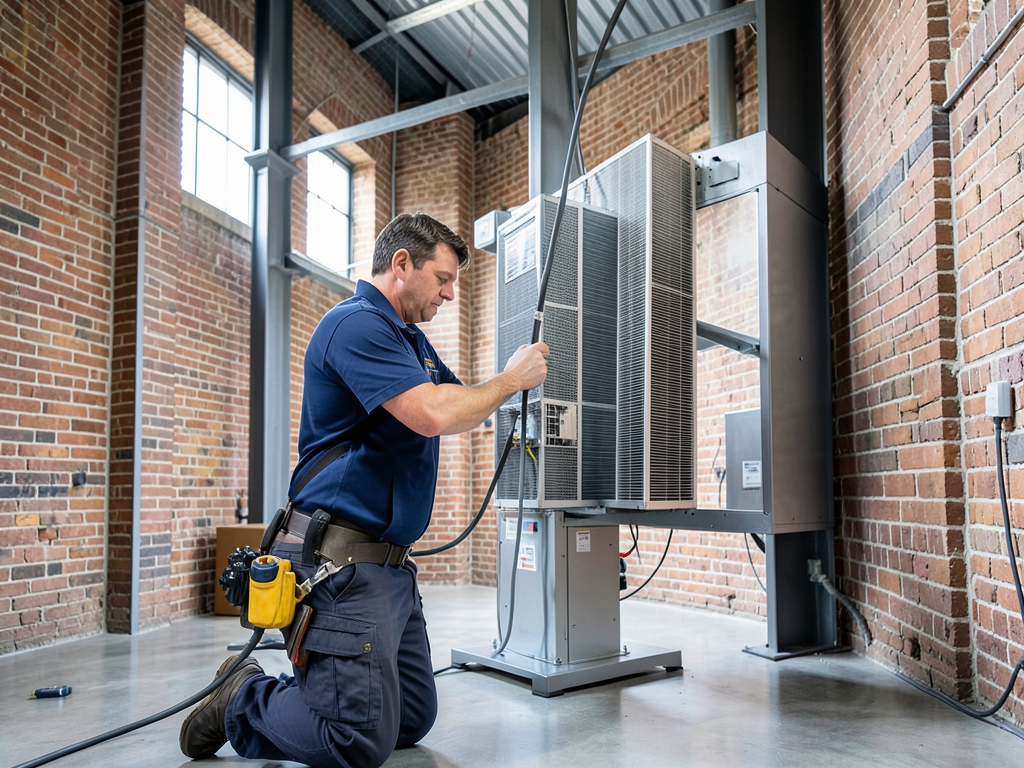
The Best Ways to Improve Air Quality in Your Lawrenceville Industrial Loft
Living in a converted loft in Lawrenceville means enjoying high ceilings and industrial charm but also facing unique air quality challenges. Pittsburgh’s humid summers, historic industrial pollution, and older building materials can trap dust, allergens, and moisture inside your space. The good news is that targeted indoor air quality solutions can transform your loft into a healthier, more comfortable environment.
Lawrenceville’s converted warehouses and factories often have open floor plans with large windows and exposed brick. While beautiful, these features can allow outdoor pollutants to enter and create temperature swings that strain your HVAC system. The key to cleaner air is understanding your specific loft’s needs and implementing a combination of filtration, ventilation, and humidity control strategies. Winterizing Your HVAC System.
Understanding Lawrenceville’s Air Quality Challenges
Lawrenceville sits near the Allegheny River and has a history of industrial activity that still affects air quality today. Older buildings often contain materials that release volatile organic compounds (VOCs), and the area’s humid continental climate creates perfect conditions for mold growth if moisture is not controlled. These factors make specialized IAQ solutions essential for loft dwellers.
The neighborhood’s mix of historic and modern structures means your loft might have original wood beams, plaster walls, or even lead paint that can affect air quality. Without proper filtration, these materials can release particles into your breathing space. Understanding these local factors is the first step toward creating a healthier indoor environment. Understanding Ductless Systems.
HEPA Filtration Systems for Maximum Particle Removal
High-efficiency particulate air (HEPA) filters capture 99.97% of particles as small as 0.3 microns, making them ideal for removing dust, pollen, and other allergens from your loft’s air. For Lawrenceville’s industrial heritage and seasonal pollen counts, a whole-home HEPA system provides continuous protection. EPA Indoor Air Quality Guidelines.
Installation involves integrating the HEPA filter into your existing HVAC system or using standalone air purifiers for targeted areas. The filters need replacement every 6-12 months depending on usage and air quality. For lofts with open floor plans, strategically placing multiple units ensures comprehensive coverage throughout your space.
UV Germicidal Lights for Biological Contaminant Control
Ultraviolet germicidal irradiation (UVGI) systems use UV-C light to neutralize bacteria, viruses, and mold spores that pass through your HVAC system. This technology is particularly valuable in Pittsburgh’s humid summers when biological growth accelerates in ductwork and on cooling coils.
UV lights install directly into your air handler or ductwork, providing continuous disinfection as air circulates. The lights typically need replacement every 12-24 months and use minimal electricity. For Lawrenceville lofts, UV systems help combat the musty odors and potential health risks associated with older building materials and high humidity.
Whole-Home Dehumidification Solutions
Controlling humidity is crucial for loft comfort and air quality. Pittsburgh’s average summer humidity often exceeds 70%, creating conditions where dust mites thrive and mold can develop behind walls or under flooring. A whole-home dehumidifier works with your HVAC system to maintain optimal 30-50% relative humidity levels.
Dehumidifiers for industrial lofts need higher capacity than standard residential units due to the larger volume of air. These systems drain automatically and include humidistats for precise control. By reducing moisture, dehumidification also helps your HVAC system run more efficiently and extends the life of wood floors and furniture.
Energy Recovery Ventilators for Fresh Air Exchange
Energy recovery ventilators (ERVs) provide fresh outdoor air while recovering energy from exhaust air, making them perfect for tight, well-insulated lofts. In Lawrenceville’s mixed-use buildings, ERVs help dilute indoor pollutants without sacrificing heating or cooling efficiency.
ERVs transfer heat and moisture between incoming and outgoing air streams, pre-conditioning fresh air before it enters your space. This process removes stale air containing VOCs, cooking odors, and other pollutants while maintaining comfortable temperatures. For lofts with limited window access, ERVs provide essential ventilation without drafts.
Smart IAQ Monitoring and Control
Modern indoor air quality systems include smart monitors that track particulate matter, VOCs, humidity, and carbon dioxide levels in real-time. These devices connect to your smartphone, allowing you to monitor air quality trends and receive alerts when conditions change.
Smart controls can automatically adjust your HVAC system, humidifiers, and air purifiers based on current air quality readings. For Lawrenceville lofts, this means proactive management of seasonal air quality challenges without constant manual adjustments. Some systems even integrate with voice assistants for hands-free control.
Professional IAQ Assessment for Your Loft
Every loft has unique air quality needs based on its construction, location within the building, and your lifestyle. A professional assessment uses specialized equipment to measure particle counts, VOC levels, humidity, and airflow patterns throughout your space.
Technicians use particle counters to identify specific pollutants, thermal imaging to detect moisture issues, and airflow meters to evaluate ventilation effectiveness. This diagnostic process reveals problems that standard air quality tests might miss, such as air leaks around windows or inadequate return air pathways in open floor plans.
Maintenance Requirements for Optimal Performance
Clean air systems require regular maintenance to function effectively. HEPA filters need replacement every 6-12 months, UV lights every 12-24 months, and dehumidifiers require annual cleaning of coils and drainage systems. Smart monitors need battery replacement and occasional recalibration.
Professional maintenance includes checking ductwork for leaks, cleaning cooling coils, and verifying system performance. For Lawrenceville lofts, seasonal maintenance before summer and winter ensures your systems handle the extreme temperature and humidity changes characteristic of Pittsburgh’s climate.
Cost Considerations and Energy Efficiency
Investing in comprehensive IAQ solutions typically costs between $3,000 and $8,000 for a complete system, depending on your loft’s size and existing HVAC infrastructure. While this represents a significant upfront investment, the benefits include improved health, increased comfort, and potential energy savings.
Energy-efficient IAQ equipment can reduce HVAC operating costs by 10-15% by allowing your system to run more efficiently. Many modern systems qualify for utility rebates and tax incentives, helping offset initial costs. The long-term value includes protected building materials and potentially higher property values.
Local Building Code Compliance
Pennsylvania’s Uniform Construction Code and local Pittsburgh ordinances require proper ventilation and moisture control in residential spaces. Professional IAQ installations must comply with EPA Section 608 certification requirements for refrigerant handling and local electrical codes for system installation.
Working with certified contractors ensures your system meets all safety standards and building requirements. This compliance is particularly important for Lawrenceville lofts in historic buildings, where modifications must preserve structural integrity while meeting modern air quality standards.
Seasonal Air Quality Strategies
Lawrenceville’s distinct seasons require different IAQ approaches throughout the year. Summer demands maximum dehumidification and filtration to handle high humidity and pollen. Winter requires balanced ventilation to prevent stale air buildup while maintaining energy efficiency.
Spring and fall present unique challenges with fluctuating temperatures and increased outdoor allergens. Smart IAQ systems automatically adjust settings based on seasonal needs, but manual adjustments may be necessary during extreme weather events or construction projects in your neighborhood.
Common IAQ Problems in Industrial Lofts
Industrial lofts often face specific air quality issues that standard homes don’t encounter. High ceilings can create temperature stratification, where warm air rises and creates uncomfortable hot spots near the ceiling. Large open spaces may have inadequate air circulation without proper zoning.
Older building materials can release harmful particles, and the lack of traditional room divisions can allow pollutants to spread throughout your entire living space. Understanding these common problems helps you choose the right combination of IAQ solutions for your specific loft configuration.
Integration with Existing HVAC Systems
Most IAQ solutions integrate seamlessly with your existing heating and cooling equipment. HEPA filters install in your air handler, UV lights mount in ductwork, and dehumidifiers connect to your HVAC system’s control board. This integration provides comprehensive air treatment without requiring separate systems.
For lofts with older or inefficient HVAC equipment, upgrading your heating and cooling system alongside IAQ improvements can provide maximum benefits. Modern high-efficiency systems include advanced filtration and humidity control as standard features, reducing the need for separate IAQ equipment.
Health Benefits of Improved Indoor Air Quality
Cleaner air directly impacts your health and wellbeing. HEPA filtration and UV purification reduce respiratory irritants, helping allergy sufferers breathe easier and sleep better. Proper humidity control prevents dry skin, sore throats, and static electricity that can damage electronics.
Better air quality also supports immune function by reducing exposure to airborne pathogens and allergens. For Lawrenceville residents who work from home or spend significant time indoors, these health benefits can improve productivity and overall quality of life.
Environmental Impact and Sustainability
Modern IAQ systems not only improve your indoor environment but also reduce your carbon footprint. Energy-efficient equipment uses less electricity, and proper ventilation reduces the need for chemical air fresheners and cleaning products that can harm indoor air quality.
Many IAQ solutions use recyclable filters and components, and smart systems optimize energy use based on actual air quality needs rather than running continuously. This sustainable approach aligns with Lawrenceville’s growing reputation as an environmentally conscious community.
Choosing the Right IAQ Contractor
Selecting a qualified IAQ contractor is crucial for successful installation and long-term performance. Look for NATE certification, EPA Section 608 certification, and specific experience with industrial loft conversions and historic building renovations in Pittsburgh.
Reputable contractors provide detailed assessments, clear pricing, and written warranties on both equipment and labor. They should explain your options in plain language and help you understand the maintenance requirements and operating costs of different IAQ solutions.
Future-Proofing Your IAQ Investment
Technology continues to advance in indoor air quality, with new filtration materials, smart controls, and energy-efficient designs emerging regularly. When investing in IAQ improvements, consider systems that allow for future upgrades and integration with smart home technology.
Modular IAQ systems let you start with basic filtration and add features like UV purification or smart monitoring as your needs change. This approach spreads costs over time while ensuring your loft always has the latest air quality technology available.
Frequently Asked Questions
How long does IAQ system installation take?
Most IAQ installations in Lawrenceville lofts take 1-2 days, depending on the complexity of your system and any necessary modifications to existing HVAC equipment. Professional installers work efficiently to minimize disruption to your daily routine.
Will IAQ improvements increase my utility bills?
Properly designed IAQ systems typically maintain or slightly reduce utility costs by improving HVAC efficiency. Energy recovery ventilators and smart controls optimize energy use, while cleaner systems allow your HVAC to operate more efficiently.
How often should I replace IAQ system components?
HEPA filters need replacement every 6-12 months, UV lights every 12-24 months, and dehumidifiers require annual maintenance. Smart monitors need minimal maintenance beyond battery replacement. Your contractor can provide a specific maintenance schedule based on your equipment and usage patterns.
Take Control of Your Loft’s Air Quality Today
Don’t let poor indoor air quality affect your health and comfort in your Lawrenceville loft. The combination of industrial heritage, humid climate, and older building materials creates unique challenges that require professional solutions. Apex HVAC Pittsburgh has the expertise and equipment to transform your indoor environment.
Our certified technicians understand the specific needs of Lawrenceville’s industrial lofts and can recommend the perfect combination of HEPA filtration, UV purification, dehumidification, and smart monitoring for your space. We provide detailed assessments, clear pricing, and ongoing support to ensure your IAQ system performs optimally year-round.
Call (412) 387-0477 today to schedule your professional IAQ assessment. Breathe easier, live healthier, and protect your investment in your Lawrenceville loft with expert indoor air quality solutions from Apex HVAC Pittsburgh. For more information, visit ASHRAE Indoor Air Quality Standards.
{
“@context”: “https://schema.org”,
“@type”: “BlogPosting”,
“headline”: “The Best Ways to Improve Air Quality in Your Lawrenceville Industrial Loft”,
“description”: “Breathe cleaner air in your Lawrenceville loft with proven IAQ solutions. Learn about HEPA filters, UV lights, and humidity control tailored for Pittsburgh’s unique climate.”,
“wordCount”: 1926,
“datePublished”: “2026-02-23T14:11:00.000Z”,
“dateModified”: “2026-02-23T14:11:00.000Z”,
“inLanguage”: “en-US”,
“mainEntityOfPage”: {
“@type”: “WebPage”,
“@id”: “https://apexhvacpittsburgh.com”
},
“publisher”: {
“@type”: “LocalBusiness”,
“name”: “Apex HVAC Pittsburgh”,
“url”: “https://apexhvacpittsburgh.com”
},
“author”: {
“@type”: “Organization”,
“name”: “Apex HVAC Pittsburgh”,
“url”: “https://apexhvacpittsburgh.com”
},
“image”: {
“@type”: “ImageObject”,
“url”: “https://apexhvacpittsburgh.com/wp-content/uploads/2026/03/the-best-ways-to-improve-air-quality-in-your-lawre-1.png”
}
}
{
“@context”: “https://schema.org”,
“@type”: “HVACBusiness”,
“name”: “Apex HVAC Pittsburgh”,
“url”: “https://apexhvacpittsburgh.com”,
“address”: {
“@type”: “PostalAddress”,
“addressLocality”: “Pittsburgh”
},
“areaServed”: {
“@type”: “City”,
“name”: “Pittsburgh”
}
}
{
“@context”: “https://schema.org”,
“@type”: “FAQPage”,
“mainEntity”: [
{
“@type”: “Question”,
“name”: “How long does IAQ system installation take?”,
“acceptedAnswer”: {
“@type”: “Answer”,
“text”: “Most IAQ installations in Lawrenceville lofts take 1-2 days, depending on the complexity of your system and any necessary modifications to existing HVAC equipment. Professional installers work efficiently to minimize disruption to your daily routine.”
}
},
{
“@type”: “Question”,
“name”: “Will IAQ improvements increase my utility bills?”,
“acceptedAnswer”: {
“@type”: “Answer”,
“text”: “Properly designed IAQ systems typically maintain or slightly reduce utility costs by improving HVAC efficiency. Energy recovery ventilators and smart controls optimize energy use, while cleaner systems allow your HVAC to operate more efficiently.”
}
},
{
“@type”: “Question”,
“name”: “How often should I replace IAQ system components?”,
“acceptedAnswer”: {
“@type”: “Answer”,
“text”: “HEPA filters need replacement every 6-12 months, UV lights every 12-24 months, and dehumidifiers require annual maintenance. Smart monitors need minimal maintenance beyond battery replacement. Your contractor can provide a specific maintenance schedule based on your equipment and usage patterns.”
}
}
]
}
{
“@context”: “https://schema.org”,
“@type”: “BreadcrumbList”,
“itemListElement”: [
{
“@type”: “ListItem”,
“position”: 1,
“name”: “Home”,
“item”: “https://apexhvacpittsburgh.com”
},
{
“@type”: “ListItem”,
“position”: 2,
“name”: “Blog”,
“item”: “https://apexhvacpittsburgh.com/blog”
},
{
“@type”: “ListItem”,
“position”: 3,
“name”: “The Best Ways to Improve Air Quality in Your Lawrenceville Industrial Loft”
}
]
}
{
“@context”: “https://schema.org”,
“@type”: “Service”,
“serviceType”: “HVAC”,
“provider”: {
“@type”: “LocalBusiness”,
“name”: “Apex HVAC Pittsburgh”,
“url”: “https://apexhvacpittsburgh.com”
},
“areaServed”: {
“@type”: “City”,
“name”: “Pittsburgh”
},
“description”: “Breathe cleaner air in your Lawrenceville loft with proven IAQ solutions. Learn about HEPA filters, UV lights, and humidity control tailored for Pittsburgh’s unique climate.”
}