
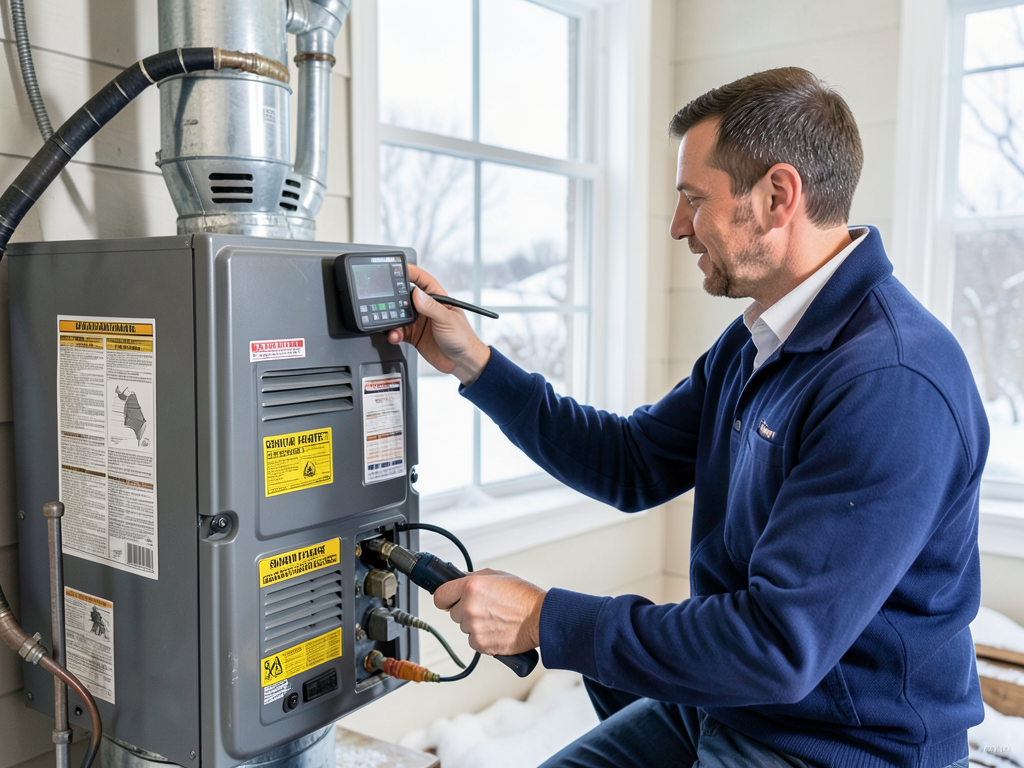
Understanding Why Your Heating Bills in South Fayette are Suddenly Spiking
If your heating bill just arrived and it looks like your furnace is trying to buy a new car, you’re not alone. Many South Fayette homeowners are seeing unexpected spikes in their winter energy costs. Before you panic or blame the utility company, there are several common reasons your system might be working overtime. Emergency Furnace Services for Families Living in Baldwin and Whitehall.
The good news is that most causes of high heating bills are fixable. From simple thermostat adjustments to identifying equipment problems, understanding what’s driving those costs is the first step to getting them back under control. Let’s walk through the most likely culprits and what you can do about them. Understanding Ductless Systems.
Quick Fixes That Could Save You Money Right Now
Before assuming you need a new furnace, check these three things first. They’re the most common causes of sudden bill increases and take just minutes to verify.
1. Dirty Air Filters – When filters get clogged with dust and pet hair, your furnace has to work much harder to push air through. This can increase energy use by 15% or more. Check your filter monthly during winter and replace it if it looks dirty.
2. Thermostat Settings – A thermostat that’s set too high or has a programming issue can run your system constantly. Make sure your thermostat is set to “auto” instead of “on” and that the temperature isn’t set higher than needed. Every degree above 68°F can add about 3% to your heating costs.
3. Blocked Vents and Registers – Furniture, rugs, or closed vents force your system to work harder. Walk through your home and make sure all supply and return vents are open and unobstructed. This simple step can improve airflow and reduce system strain.
If these quick fixes don’t help, you might have a mechanical issue that needs professional attention.
Mechanical Problems That Drive Up Energy Costs
When your heating system isn’t running efficiently, it can quietly drive up your bills month after month. Here are the most common mechanical issues we see in South Fayette homes. Winterizing Your HVAC System.
Short Cycling – If your furnace turns on and off frequently without completing a full heating cycle, it’s wasting energy. This often happens when the system is overheating due to a dirty filter, blocked vent, or failing component. You might notice your system running constantly but never feeling warm.
Wearing Out Blower Motor – The blower motor moves heated air through your ducts. When it starts failing, it may run slower or work harder than necessary, using more electricity. You might hear unusual noises like humming, clicking, or rattling when the blower runs.
Age-Related Efficiency Loss – Furnaces typically last 15-20 years. As they age, their efficiency drops even if they’re still working. A 15-year-old furnace might be running at 70% efficiency while a new high-efficiency model operates at 95% or higher. That 25% difference in efficiency directly impacts your energy bills.
Heat Exchanger Issues – A cracked or dirty heat exchanger forces your system to run longer to achieve the same temperature. This not only increases energy costs but can also create safety hazards. If you notice your system running constantly or your home never reaching the set temperature, this could be the cause.
Regular maintenance can catch many of these issues before they become expensive problems.
South Fayette-Specific Factors Affecting Your Heating Costs
Living in South Fayette comes with some unique challenges that can impact your heating bills. Understanding these local factors can help you make better decisions about your home’s heating system.
Older Home Construction – Many homes in South Fayette were built before modern energy efficiency standards. They often have less insulation, older windows, and more air leaks than newer construction. This means your heating system has to work harder to maintain comfortable temperatures.
Local Weather Patterns – South Fayette experiences significant temperature swings during winter. When we get those sudden cold snaps, your system may run continuously trying to catch up, which can cause a noticeable spike in your next bill.
Natural Gas Price Fluctuations – Many South Fayette homes use natural gas for heating. When natural gas prices increase, your heating costs go up even if your system is running perfectly. Check your utility company’s rate information to see if prices have changed recently.
Ductwork in Unconditioned Spaces – If your home has ductwork running through an unheated basement or crawl space, you could be losing 20-30% of your heated air before it reaches your living spaces. This is especially common in older South Fayette homes.
Understanding these local factors helps you know when to call for service versus when to expect higher bills due to circumstances beyond your control.
How Your Home’s Structure Impacts Heating Efficiency
Sometimes the problem isn’t your furnace at all – it’s your home. Here’s how structural issues can silently drive up your heating costs.
Insufficient Insulation – Heat naturally moves from warm to cold areas. If your attic, walls, or floors lack proper insulation, your heated air escapes while cold air seeps in. This forces your furnace to run constantly to maintain temperature. Homes built before the 1980s often have inadequate insulation by today’s standards.
Air Leaks and Drafts – Small gaps around windows, doors, electrical outlets, and where utilities enter your home can add up to a significant source of heat loss. A typical home can have enough air leaks to equal leaving a window open year-round.
Single-Pane Windows – If your home still has original single-pane windows, they’re likely responsible for a large portion of your heat loss. Modern double or triple-pane windows can reduce heat transfer by 50% or more.
Foundation Issues – Cracks in your foundation or gaps where the foundation meets your home’s framing can let cold air in and warm air out. This is particularly problematic in South Fayette’s clay soil, which can shift and create gaps over time.
Addressing these structural issues often provides the biggest return on investment for reducing heating costs.
When to Call a Professional vs. DIY Fixes
Not every heating issue requires a service call. Here’s how to know when you can handle it yourself and when you need professional help.
DIY Fixes
- Replacing air filters
- Adjusting thermostat settings
- Unblocking vents and registers
- Checking and replacing thermostat batteries
- Sealing visible air leaks with caulk or weatherstripping
Call a Professional
- System running constantly but never reaching set temperature
- Strange noises from the furnace or ductwork
- Yellow or flickering burner flame (should be blue)
- Unusual smells when the system runs
- Carbon monoxide detector alarms
- Energy bills spiking without obvious cause
- System age over 15 years with declining performance
A professional can perform a comprehensive system evaluation to identify issues you might miss. This includes checking for carbon monoxide leaks, measuring airflow, testing electrical components, and evaluating overall system efficiency.
Understanding Your Energy Bill
Sometimes a high bill isn’t about your heating system at all. Here’s how to read your energy bill to understand what’s really happening.
Usage Comparison – Most bills show your energy use compared to the same month last year. Look for significant increases that can’t be explained by weather differences.
Rate Changes – Utility companies often adjust rates seasonally or due to market conditions. A rate increase of even a few cents per therm can significantly impact your bill.
Weather Adjustment – Many utilities provide a “normal weather” comparison that accounts for unusually cold or warm periods. This helps you understand if your increased usage is due to actual need or system problems.
Daily Usage Patterns – Some bills show your average daily usage. If you see spikes on specific days, think about what was happening then. Were you home all day due to weather? Did you have guests? This context helps identify real problems versus normal usage variations.
Understanding your bill helps you make informed decisions about when to call for service.
Preventive Maintenance to Avoid Future Spikes
The best way to avoid surprise heating bill increases is through regular maintenance. Here’s what we recommend for South Fayette homeowners. The Homeowners Guide to Replacing an Aging Boiler in Bloomfield.
Annual Professional Tune-up – A yearly service visit can identify and fix small problems before they become expensive issues. Technicians check electrical connections, test safety controls, clean burners, and verify system efficiency.
Monthly Filter Checks – During heating season, check your filter every month. Replace it when it looks dirty, even if it hasn’t been a full three months. Homes with pets or in dusty areas may need more frequent changes.
Seasonal System Checks – Before each heating season, verify that your thermostat is working correctly, all vents are open, and there are no unusual noises when you first start the system.
Carbon Monoxide Safety – Install carbon monoxide detectors near sleeping areas and on each level of your home. Test them monthly and replace batteries twice yearly.
Insulation and Air Sealing – Consider having an energy audit to identify where your home is losing heat. Many utility companies offer rebates for energy improvements.
Preventive maintenance costs far less than emergency repairs and helps ensure your system runs efficiently all winter. EPA guide to air duct cleaning.
Frequently Asked Questions
How much should my heating bill increase in winter?
A typical increase of 20-30% is normal for winter months, but a sudden spike of 50% or more without a corresponding weather change usually indicates a problem with your system or home.
Is it better to keep my thermostat at one temperature or adjust it?
For most modern systems, lowering your thermostat 7-10 degrees for 8 hours a day can save 10% on heating costs. However, heat pumps work best with minimal temperature adjustments.. Read more about Why Putting Your Thermostat in the Wrong Spot is Costing You Money in Perry North.
How do I know if my furnace is running efficiently?
Signs of efficiency include reaching your set temperature within a reasonable time, running cycles that last 10-15 minutes, and maintaining consistent temperatures throughout your home. If your system runs constantly or struggles to keep up, it may need service.
Should I replace my old furnace or keep repairing it?
If your furnace is over 15 years old, requires frequent repairs, or your energy bills keep increasing despite maintenance, replacement often makes financial sense. New high-efficiency furnaces can cut heating costs by 30% or more.
What’s the most common cause of high heating bills?
Dirty air filters are the most common cause of both high bills and system problems. They restrict airflow, forcing your system to work harder and longer to heat your home.
Take Control of Your Heating Costs Today
Don’t let another high heating bill catch you by surprise. Whether you need a simple tune-up, a system evaluation, or just want to understand your options, we’re here to help South Fayette homeowners stay comfortable without breaking the bank.
Call (412) 387-0477 today to schedule your heating system inspection. We’ll identify any issues affecting your energy costs and recommend solutions that fit your home and budget.
Pick up the phone and call (412) 387-0477 before the next cold snap hits. A quick inspection now can prevent emergency repairs and save you money all winter long.. Read more about How to Prevent Fireplace Smoke from Getting Trapped in Your Stanton Heights HVAC System.
Your comfort and peace of mind are worth a phone call. Let us help you understand exactly what’s causing those high bills and how to fix them for good. For more information, visit U.S. Department of Energy heating systems guide.
You may also find this helpful. Choosing Between Carrier and Goodman for Your Next North Hills Furnace Replacement.
You may also find this helpful. Deciding Between a Combo Boiler and a Separate Water Heater for Your Crafton Heights Project.
{
“@context”: “https://schema.org”,
“@type”: “BlogPosting”,
“headline”: “Understanding Why Your Heating Bills in South Fayette are Suddenly Spiking”,
“description”: “Is your South Fayette heating bill through the roof? Learn the top causes of high winter energy costs and how Apex HVAC can help you save.”,
“wordCount”: 1911,
“datePublished”: “2026-05-23T07:40:00.000Z”,
“dateModified”: “2026-05-23T07:40:00.000Z”,
“inLanguage”: “en-US”,
“mainEntityOfPage”: {
“@type”: “WebPage”,
“@id”: “https://apexhvacpittsburgh.com”
},
“publisher”: {
“@type”: “LocalBusiness”,
“name”: “Apex HVAC Pittsburgh”,
“url”: “https://apexhvacpittsburgh.com”
},
“author”: {
“@type”: “Organization”,
“name”: “Apex HVAC Pittsburgh”,
“url”: “https://apexhvacpittsburgh.com”
},
“image”: {
“@type”: “ImageObject”,
“url”: “https://apexhvacpittsburgh.com/wp-content/uploads/2026/03/understanding-why-your-heating-bills-in-south-faye-1.png”
}
}
{
“@context”: “https://schema.org”,
“@type”: “HVACBusiness”,
“name”: “Apex HVAC Pittsburgh”,
“url”: “https://apexhvacpittsburgh.com”,
“address”: {
“@type”: “PostalAddress”,
“addressLocality”: “Pittsburgh”
},
“areaServed”: {
“@type”: “City”,
“name”: “Pittsburgh”
}
}
{
“@context”: “https://schema.org”,
“@type”: “FAQPage”,
“mainEntity”: [
{
“@type”: “Question”,
“name”: “How much should my heating bill increase in winter?”,
“acceptedAnswer”: {
“@type”: “Answer”,
“text”: “A typical increase of 20-30% is normal for winter months, but a sudden spike of 50% or more without a corresponding weather change usually indicates a problem with your system or home.”
}
},
{
“@type”: “Question”,
“name”: “Is it better to keep my thermostat at one temperature or adjust it?”,
“acceptedAnswer”: {
“@type”: “Answer”,
“text”: “For most modern systems, lowering your thermostat 7-10 degrees for 8 hours a day can save 10% on heating costs. However, heat pumps work best with minimal temperature adjustments.”
}
},
{
“@type”: “Question”,
“name”: “How do I know if my furnace is running efficiently?”,
“acceptedAnswer”: {
“@type”: “Answer”,
“text”: “Signs of efficiency include reaching your set temperature within a reasonable time, running cycles that last 10-15 minutes, and maintaining consistent temperatures throughout your home. If your system runs constantly or struggles to keep up, it may need service.”
}
},
{
“@type”: “Question”,
“name”: “Should I replace my old furnace or keep repairing it?”,
“acceptedAnswer”: {
“@type”: “Answer”,
“text”: “If your furnace is over 15 years old, requires frequent repairs, or your energy bills keep increasing despite maintenance, replacement often makes financial sense. New high-efficiency furnaces can cut heating costs by 30% or more.”
}
},
{
“@type”: “Question”,
“name”: “What’s the most common cause of high heating bills?”,
“acceptedAnswer”: {
“@type”: “Answer”,
“text”: “Dirty air filters are the most common cause of both high bills and system problems. They restrict airflow, forcing your system to work harder and longer to heat your home.”
}
}
]
}
{
“@context”: “https://schema.org”,
“@type”: “BreadcrumbList”,
“itemListElement”: [
{
“@type”: “ListItem”,
“position”: 1,
“name”: “Home”,
“item”: “https://apexhvacpittsburgh.com”
},
{
“@type”: “ListItem”,
“position”: 2,
“name”: “Blog”,
“item”: “https://apexhvacpittsburgh.com/blog”
},
{
“@type”: “ListItem”,
“position”: 3,
“name”: “Understanding Why Your Heating Bills in South Fayette are Suddenly Spiking”
}
]
}
{
“@context”: “https://schema.org”,
“@type”: “Service”,
“serviceType”: “HVAC”,
“provider”: {
“@type”: “LocalBusiness”,
“name”: “Apex HVAC Pittsburgh”,
“url”: “https://apexhvacpittsburgh.com”
},
“areaServed”: {
“@type”: “City”,
“name”: “Pittsburgh”
},
“description”: “Is your South Fayette heating bill through the roof? Learn the top causes of high winter energy costs and how Apex HVAC can help you save.”
}